Missouri passes ‘born alive’ bill, rankling both sides of abortion debate
AI-generated summary reviewed by our newsroom.
- The bill passed the House by a 102-46 vote.
- Senate amendments added multiple provisions, creating single-subject concerns.
- Gov. Mike Kehoe is expected to sign it, but courts likely will strike it down.
Missouri lawmakers have approved an anti-abortion bill that is expected to be struck down by the courts, according to anti-abortion activists.
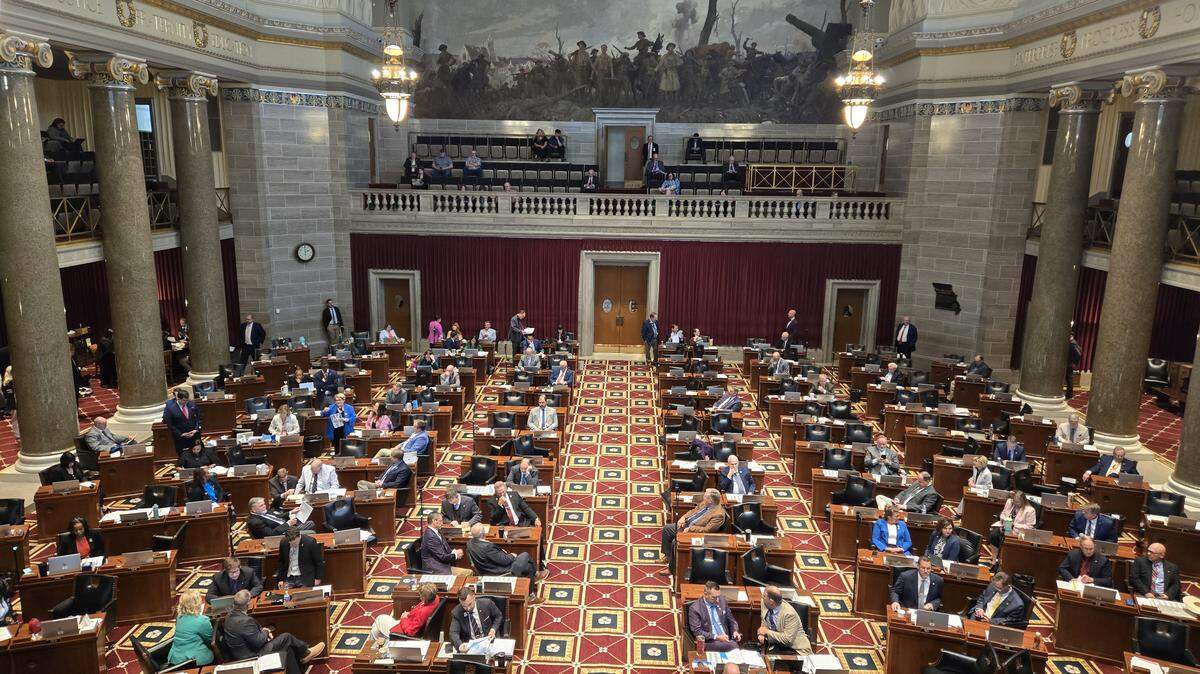
The “Born Alive Abortion Survivors Protection Act” was voted out of the House on Wednesday, which would make it a crime not to provide life-saving aid to a child after a failed abortion. A similar bill was the first to make it out of the House this legislative session, but in its current state, it rankled members of both the abortion rights movement and the anti-abortion movement.
It will now go to Missouri Gov. Mike Kehoe, who is expected to sign it into law.
Lawmakers who support abortion rights characterized the bill as a solution to a non-issue, predicated on scenarios that do not exist. They point to the state’s existing laws on infanticide as sufficient to charge someone if they don’t provide medical care to a child born after an attempted abortion.
“It is already against the law to not render care to a child born alive, that is already established,” said Pattie Mansur, a Kansas City Democrat. “This bill is actually about threatening physicians at a time when Missouri is struggling to hang on to physicians.”
But the underlying problem for anti-abortion advocates comes from Senate amendments that added a slew of provisions to the bill. What started as a single subject anti-abortion bill now includes laws about being bonded out of jail, modifying the definition of certain criminal offenses and granting prosecutors the ability to request assistance from the Attorney General.
“The effect of it is that it’s no longer a single subject; it’s multiple subjects,” said Samuel Lee, director of Campaign Life Missouri. “The original purpose of the bill has been changed, and for those two reasons, the courts have struck those down because that violates the Missouri constitution.”
“I certainly hope that I’m wrong in my analysis,” Lee said.
Missouri has a single-subject clause, meaning bills that delve into multiple topics can be challenged as unconstitutional. It also has a non-severability clause, meaning that if any one piece of the legislation is struck down, the rest of the bill is voided.
Rep. Brian Seitz, a Branson Republican, defended the bill on the House floor on Wednesday as carefully written.
“This bill retains the integrity of the initial legislation,” Seitz said.
Rep. Bryant Wolfin, a Ste. Genevieve Republican, who often raises issues about rules on the House floor, said he supported the original bill but took issue with the final bill that passed.
“We are going to violate the Constitution,” Wolfin said.
Debate gets heated
The bill, which passed 102-46, was fiercely debated on the House floor.
House Minority Leader Ashley Aune, a Kansas City Democrat, accused Seitz of being “a sad old man who cosplays as Superman when he’s not busy controlling women’s bodies.”
Seitz, in turn, called Aune’s remarks “satanic mockery” and that they were “reflective of the modern Democrat Party that they would kill or allow to be killed a live, born child.”
The final vote was interrupted by a handful of abortion rights activists chanting from the gallery. Maggie Olivia, policy director for Abortion Action Missouri, said the protest was to “make clear to these politicians that the Show Me State has already shown how we feel about abortion.”
Kansas City is sandwiched between two states where abortion is protected, but opposed by the legislative bodies that govern the states.
Missouri voters overturned the state’s ban on abortion in 2024, which established a constitutional right to abortion. However, full access has been slow to materialize due to ongoing court battles.
Voters will again be asked this year to repeal that section of the Missouri Constitution and ban abortion in a lawmaker-initiated ballot measure.
In 2022, Kansas voters rejected a legislatively-referred constitutional amendment that would have banned abortion. This year, Kansas voters will be asked to amend the state constitution to allow the direct election of Kansas Supreme Court Justices, which has been justified by supporters over the court’s abortion decisions.