Kansas ICE prison one step closer to opening after 5-1 vote in Leavenworth
AI-generated summary reviewed by our newsroom.
- Planning commission recommended CoreCivic zoning approval, March 10 city decision.
- CoreCivic pledged staffing ratios, $1.5M impact fee and $400K annual payments to city.
- Residents and advocates warned of past abuses, protests and regional enforcement impacts.
CoreCivic is one step closer to legally reopening its shuttered prison facility on the outskirts of Leavenworth under contract with U.S. Immigration and Customs Enforcement.
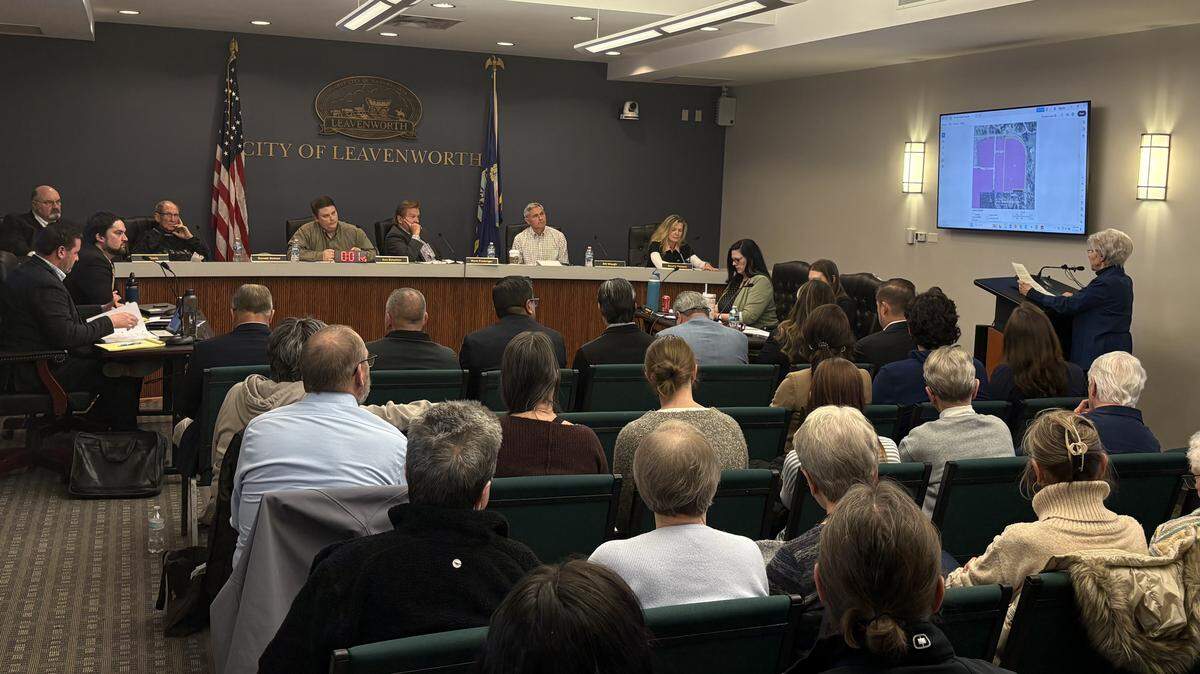
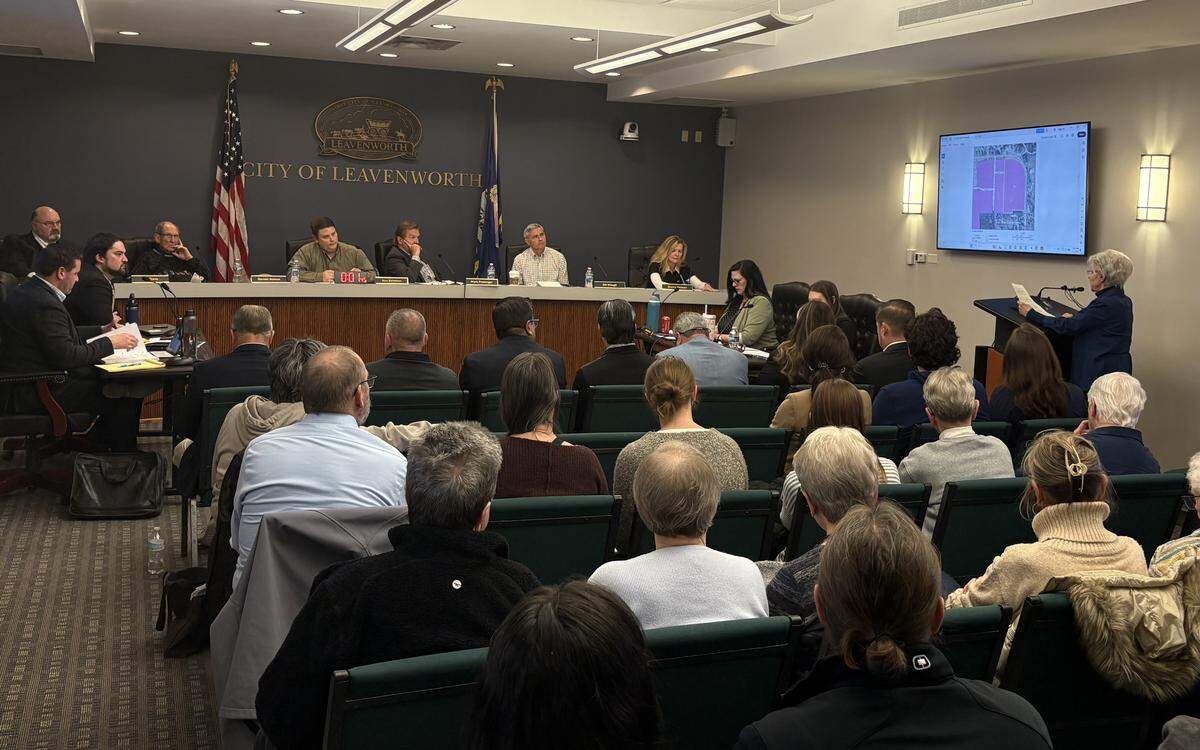
After sternly addressing the company executives who put the city through a year-long court battle, the Leavenworth Planning Commission on Monday evening voted 5-1 to recommend granting CoreCivic’s zoning application to operate for at least three years.
“I’m not here to lecture anyone, but I must say, CoreCivic, whatever goodwill you had with this city over the past year, I think you have squandered it. Hopefully you can regain that now,” said Mark Preisinger, a planning commission member and former Leavenworth mayor who voted in favor of granting the company its desired special use permit.
Several executives made the trip from the company headquarters in Brentwood, Tennessee, to plead their case. They promised there would be no repeat of the chronic violence and understaffing that plagued the facility before its closure in 2021. They vowed to work closely with local law enforcement rather than refusing them access to the prison, which city staff cited as a common occurrence during CoreCivic’s previous stint of operation.
The staff report noted that once in 2018, when the prison was being operated under contract with the U.S. Marshals Service, CoreCivic failed to report the death of an inmate to local law enforcement for six days.
“I totally recognize that we fell down, and certainly appreciate the frustration. We see this as an opportunity to kind of reset the relationship,” said John Molloy, CoreCivic’s vice president of federal partnership relations.
CoreCivic has agreed to pay the city a one-time impact fee of $1.5 million on top of $400,000 in annual payments to account for additional police resources and general administrative costs associated with the prison’s operation.
“The proposed use will contribute to the economic development and the public welfare by returning a currently vacant detention facility to active use,” the staff report read. “Given the specialized nature of the building, finding an alternative use would be challenging, and prolonged vacancy could lead to deterioration and blight.”
The facility can hold up to 1,033 detainees, according to CoreCivic, and the company plans to employ roughly 300 people. Under the terms of the agreement, CoreCivic would be required to maintain a staffing level of at least 0.29 full-time employees for every one detainee that it houses.
The agreement would prohibit immigrant detainees from being released into Leavenworth unless they were arrested there or if a court specifically ordered it. Otherwise, detainees being released or deported would be taken to Kansas City International Airport.
The City Commission is set to review the planning commission’s recommendation on Feb. 24 and make a final decision on March 10.
Before that can happen, though, attorneys for CoreCivic will argue at a Kansas Court of Appeals hearing in Topeka next Tuesday that the injunction blocking detentions at the facility without local officials’ approval should be lifted.
Tense public hearing
Despite refusing to do so for almost a year, CoreCivic’s decision to acquiesce and follow Leavenworth’s zoning process guaranteed the public at least three opportunities to weigh in on the proposed ICE prison.
During Monday’s meeting, which lasted for more than four hours, planning commission members heard from a series of CoreCivic executives and a handful of people who moved to Leavenworth to work at the rebranded Midwest Regional Reception Center.
Then, 24 people spoke against CoreCivic’s zoning application. After each opponent delivered testimony, they received a round of applause from the raucous crowd in the spillover room outside the City Commission chambers.
There was a heavy police presence at the meeting, and planning commission Chair Ken Bateman repeatedly warned public speakers against sharing their opinions on the Trump administration’s hardline immigration crackdown in U.S. cities.
“I would encourage you to stay on the limited scope that we have before us here — whether or not we are to approve a special use permit to operate a jail or a prison at this property,” Bateman interjected when one public speaker brought up the recent killings of Renee Good and Alex Pretti by federal authorities in Minneapolis.
“I don’t think anybody else is interested in hearing about whether or not you think it should be legal,” Bateman continued. “It doesn’t really matter to us whether it should be legal, both the law or your commentary on the administration’s overreach.”
That’s when Ken Church, a 74-year-old Leavenworth resident and retired teacher, spoke up to rebuke Bateman from his seat on the side of the crowded room.
“I taught speech for 34 years, and I didn’t do it to come here and watch you shut people down for free speech,” Church shouted. “You work for us.”
Church was then escorted from the room by a Leavenworth police officer, whom he identified as a former student.
Feedback on ICE prison
Sister Jean Anne Panisko of the Sisters of Charity of Leavenworth called CoreCivic “a drain on the city’s tax dollars.” She pointed to dire conditions in the company’s other ICE detention centers — including reports of medical negligence, extreme temperatures and understaffing — as evidence that CoreCivic can’t be trusted to reopen responsibly.
“The cruel conditions in California ICE detention centers, the remote facility in the Mojave Desert and in downtown Bakersfield demonstrate that human dignity is not their core value, but profit,” Panisko said.
Dylan Strick, another Leavenworth resident, characterized CoreCivic as “incompetent and unable to actually uphold what they say they will.”
“It takes two seconds of looking into the company to see what they are,” Strick said. “And what they are is a corporation that cares about the bottom dollar. They don’t care about the quality of life of inmates. They do not care about the quality of life of the people working under them.”
One former CoreCivic employee who addressed the planning commission was Marcia Levering, who worked as a prison guard at the Leavenworth facility in 2021, when she was stabbed four times by an inmate — once in the ear, once in the right arm and twice in the abdomen, she said. Since the brutal attack, Levering said she has had to undergo 16 surgeries.
But new CoreCivic employees said they were eager for the detention center to reopen.
Mike Sandejas said he moved to Leavenworth with his family last June, drawn by the promise of good wages. He said he completed a five-week training program and has worked three stints at CoreCivic prisons in other states while waiting for the Leavenworth facility to open.
“The continued delays have been discouraging for my family and I,” Sandejas said. “My wife and children work and attend school and church, and participate in sports here in town. We are committed to this community and believe strongly in contributing to its growth and civility.”
Judy Ancel of Kansas City, Kansas, said allowing CoreCivic to reopen as an ICE prison would do nothing to promote civility in Leavenworth and surrounding communities.
“It will open the spigot for ICE raids in this region,” Ancel said. “That in turn could turn the Kansas City metro into a replica of Chicago or even Minneapolis.
“If CoreCivic prison here in Leavenworth opens up as an ICE jail, it will become a target of frequent and large demonstrations,” Ancel continued. “I therefore want to urge you, the planning commission, to investigate what the city could be in for.”
This story was originally published February 3, 2026 at 11:46 AM.