Which Kansas Democrat has the best chance of winning the 2026 governor’s race?
AI-generated summary reviewed by our newsroom.
- Two Johnson County state senators dominate the Democratic primary; records align.
- Primary outcome will hinge on who persuades voters as electable alternative.
- Fundraising and name recognition will shape competitiveness in the general.
To casual observers of Kansas politics, distinguishing between the two Democratic frontrunners for governor might be tricky.
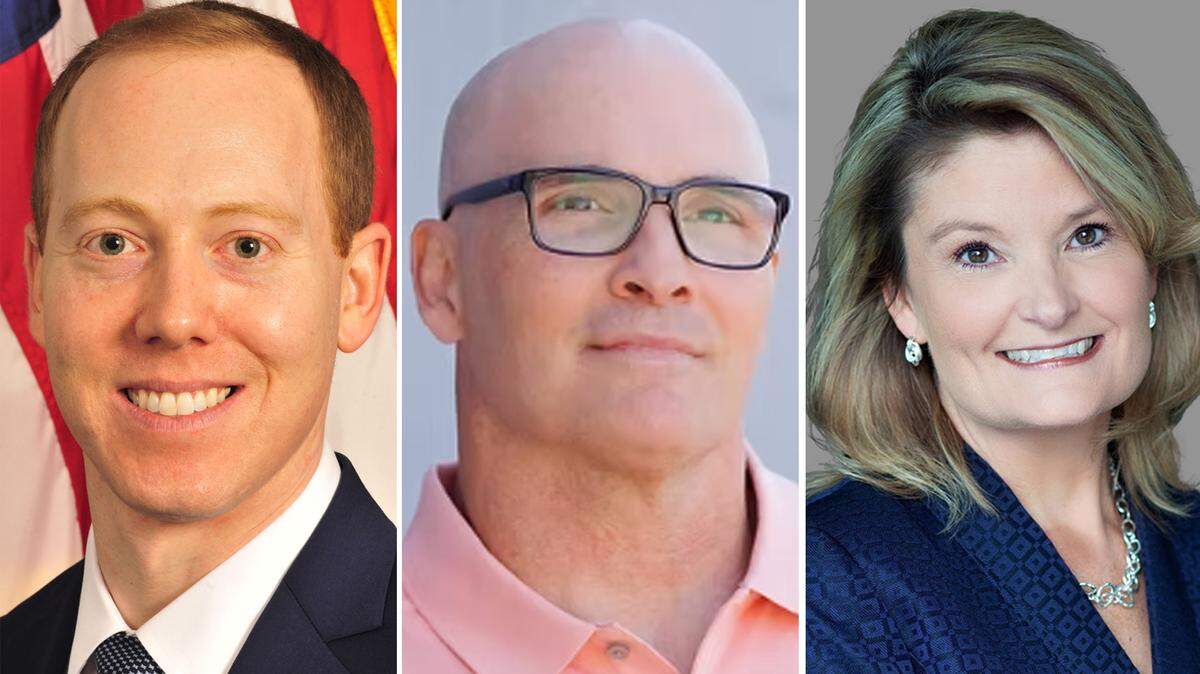
Ethan Corson and Cindy Holscher are both state senators. They represent Johnson County districts and have had remarkably similar voting records since joining the Senate in 2021.
Both candidates are passionate advocates for public education who say improving affordability for everyday Kansans will be their top issue if they’re chosen to succeed Gov. Laura Kelly, a Democrat who’s won twice and can’t run again.
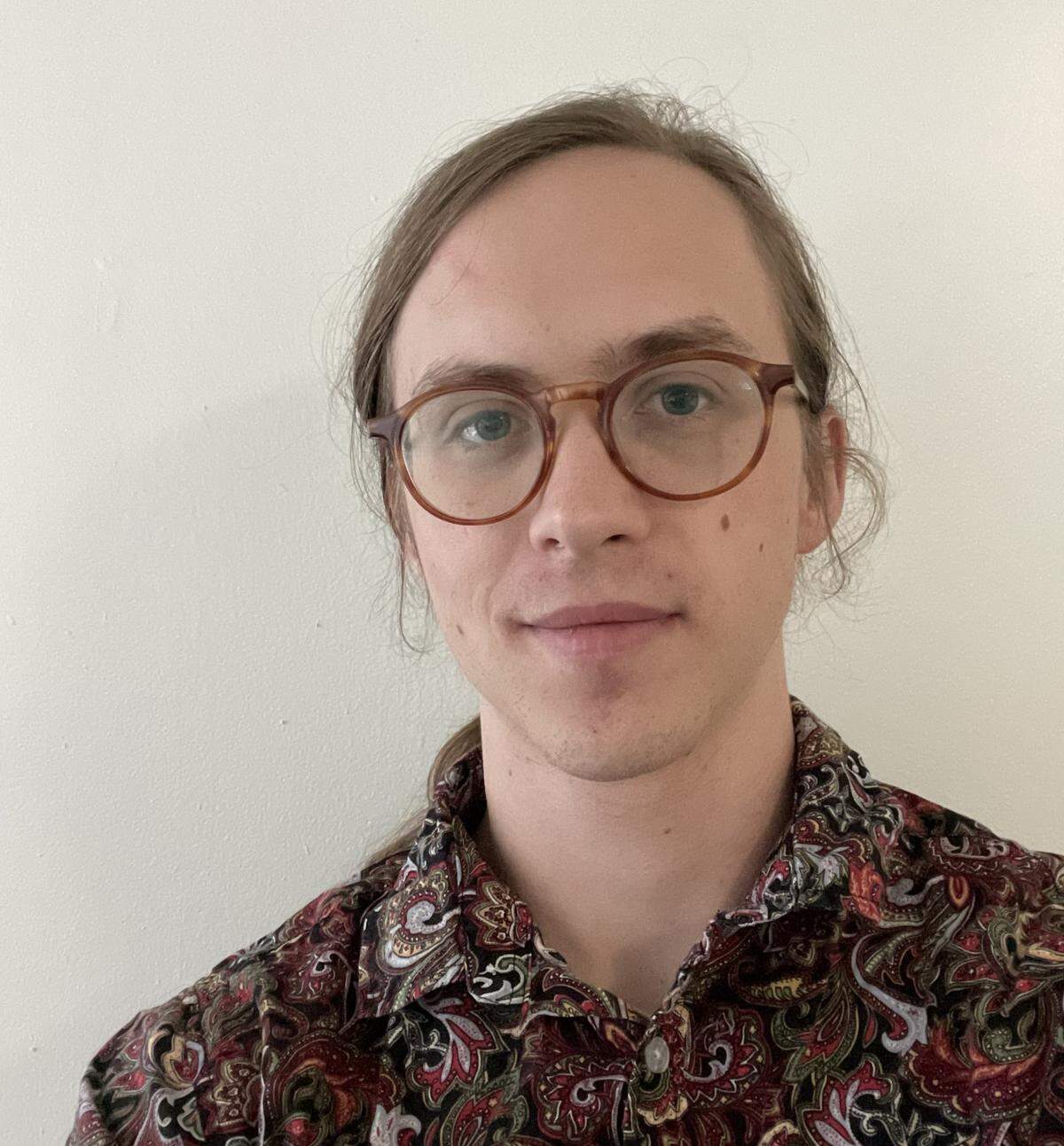
The only other candidate in the primary field is Marty Tuley, a Lawrence personal fitness trainer who says his lack of political experience is his biggest advantage.
The candidate best equipped to emerge victorious in the August primary is whoever can most effectively cast themself as a likeable and electable alternative to a GOP nominee expected to have high name recognition and powerful financial backing, said Bob Beatty, a political science professor at Washburn University who has long studied Kansas governors.
“In a primary, personality takes on a bigger dimension,” Beatty said.
“And I would argue campaigns matter a lot, quite a bit — especially in this primary where most voters are not going to know these candidates.”
Kansas has not consecutively elected different governors of the same party in decades, and Johnson County candidates have historically struggled in statewide elections.
On the Republican side of the race, high-profile candidates include former Gov. Jeff Colyer, Senate President Ty Masterson, Insurance Commissioner Vicki Schmidt and Secretary of State Scott Schwab.
In interviews with The Star, Corson, Holscher and Tuley each made the case for why their own lived experience and relational skills make them the most qualified candidate to overcome political barriers and win next November.
Candidate backgrounds
Corson, who lives in Fairway, was raised in Johnson County and played baseball at Garden City Community College before earning his law degree at Washington University in St. Louis.
He went on to serve in two senior advisor positions at the Obama-era Department of Commerce, where he said he focused on encouraging foreign companies to invest in America and helping farmers and businesses export to markets around the world.
“I think that’s a really important skill for a governor to have — especially in a time of tariffs and trade wars,” said Corson, who returned to Kansas in 2019 to become executive director of the state Democratic Party before running for Senate.
Holscher, an Overland Park resident, was raised on a farm near Slater, Missouri, and earned her degree in journalism with a political science emphasis from the University of Missouri.
She moved to Kansas more than 25 years ago and worked in several roles at Sprint Corp., where she led teams working in private development and innovation and “designed and implemented budgets for departments on the same scale as the Kansas budget,” she said.
“I’m the only candidate with that type of experience here in Kansas,” said Holscher, who served in the Kansas House from 2016-2020 before making the jump to the Senate.
Tuley grew up in Hays, a small city in north central Kansas. He double-majored in sociology and crime and delinquency at the University of Kansas and got into the gym business afterwards. He said his rural roots and small business experience make him the best candidate in the race.
“I’m frustrated by the fact that the Democratic Party has decided that two career politicians from Johnson County are the representation of the state of Kansas, which is just ludicrous,” Tuley said. “Because nobody west of Topeka is going to vote in the general for a Democratic candidate from Johnson County.”
Political strengths
In an endorsement video last month, Kelly threw her sizable political weight behind Corson, calling him “the most qualified and most suited to be our next Governor.” Corson said it’s difficult to overstate the importance of her support.
“Gov. Kelly has the best perspective on what it takes to win and what it takes to govern. And I think she understands that I will govern in a moderate, bipartisan, centrist way where we bring people of both parties together to move the state forward,” Corson said.
He said he hopes to “build on the work” of Kelly’s eight years in office while making the role of the state’s chief executive his own.
“Being a young dad with kids in public school is just a unique and different perspective from Gov. Kelly,” Corson said.
Holscher shrugged off Kelly’s endorsement, noting that she has the backing of more than 135 other local and state leaders.
“I’ve never been the pick of the establishment. I’ve been the pick of the people,” said Holscher, who pointed to her electoral track record as a major strength.
She unseated a Republican incumbent in her first ever race in 2016. In 2020, when she decided to run for the higher chamber against Senate Majority Leader Jim Denning, he opted not to seek re-election. According to Secretary of State data, Holscher’s Senate district contains more registered Republicans than Democrats.
Holscher said she’s proud of her legislative achievements, including her work as co-founder of the Women’s Bipartisan Caucus, which was instrumental in pounding out a plan to overturn former Gov. Sam Brownback’s ill-fated tax cuts.
Holscher, who serves in Democratic leadership as Senate minority whip, also championed a bill reforming the statute of limitations for victims of childhood sexual abuse and a bill requiring the state to compensate people who are wrongfully incarcerated.
Corson emphasized his work on the Senate tax committee, where he partnered with Republicans to help eliminate the state sales tax on groceries and the state income tax on Social Security. He has also traveled with Lt. Gov. and Commerce Secretary David Toland to speak with corporate executives considering moving their companies to Kansas.
Statewide appeal
Tuley said the other candidates’ Johnson County bases may serve them well in the primary. But he believes he’s the only Democrat who can win over moderate Republicans in rural areas.
“I’m a twelve-year member of the 4H. I threw hay on Saturdays all day when it was a hundred degrees,” Tuley said. “I’ve chased pheasants up and down hedge rows on January days. I’ve played underneath the Friday night lights.”
Holscher said she draws on her own upbringing to connect with many of those same voters who could prove crucial in the general election.
“I’m a girl who grew up on a farm, was able to rise up out of poverty due to public schools, public education. And that is what has brought me to this point,” Holscher said. “I very much can relate to struggling families. I mean, my own family struggled as I was a kid.”
Corson said he has a “deep connection and lived experience” in western Kansas from his college days as a left-handed middle reliever for the Broncobusters. On a recent trip back to Garden City, the community college displayed his photo on the baseball stadium scoreboard.
“There’s probably not a (Kansas) town large or small that I haven’t played baseball in,” Corson said. “That experience really helped me understand our state.”
Another major factor in determining candidates’ viability is fundraising — especially in a primary, said Beatty, the political science professor.
Fundraising numbers won’t become public until January, but the campaigns shared some cursory information about their financial support.
Corson said he has raised over $650,000 from more than 2,500 individual donors. Holscher didn’t have a topline dollar amount to share, but she said she has received contributions from more than 2,100 donors, 93% of whom live in Kansas.
Tuley said he’s not focused on fundraising because he believes the race will be won through face-to-face campaigning.
“I’ve told people all I need is gas money,” he said.
This story was originally published December 8, 2025 at 6:00 AM.