Court records unsealed in high-stakes Kansas abortion case after Star intervenes
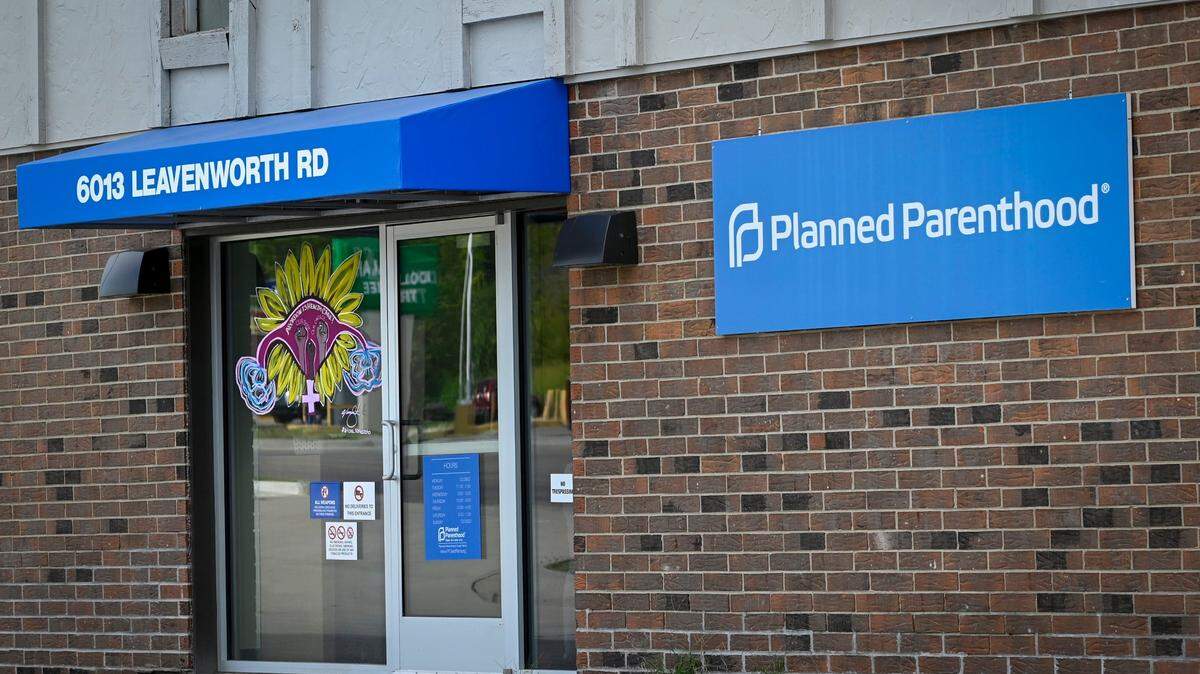
A cache of court records has been unsealed in the high-stakes legal battle between Kansas abortion providers and Attorney General Kris Kobach.
The declassification of roughly 30 exhibits previously closed to the public follows District Court Judge K. Christopher Jayaram’s May order in response to The Star’s calls for increased transparency.
The unsealed documents show examples of patient complaints against Planned Parenthood, educational materials patients must view before abortions and blank copies of the informed consent forms that state law requires patients to sign before terminating a pregnancy.
The outcome of the civil case could reshape access to reproductive health care in Kansas.
A Johnson County jury trial scheduled to begin June 23 will settle the two-year court fight over existing abortion restrictions and whether the state can enforce a slate of strict new requirements for providers that the Legislature adopted in 2023.
Among those changes, which the court has temporarily blocked from being implemented, are requirements that providers survey patients seeking an abortion, share medically inaccurate or unproven information with people considering the procedure, and require them to wait at least 24 hours before receiving an abortion.
Jayaram ruled against The Star’s motion to join the lawsuit as a party but ordered that the documents requested by The Star be made public.
Attorneys for Planned Parenthood Great Plains, Hodes and Nauser Women’s Health and the Center for Reproductive Rights argued that some records should remain sealed, citing privacy concerns for patients and staff.
Jayaram ordered that records be unsealed with appropriate redactions to protect sensitive and identifiable information.
Abortion patient complaints
Among the redacted exhibits are documents related to two Planned Parenthood patients’ complaints about their negative interactions with clinic staff and complications they experienced after receiving abortions.
In sworn testimony, Emily Wales, president and CEO of Planned Parenthood Great Plains, acknowledged the existence of 33 complaints lodged against her clinic between February 2024 and Jan. 23, 2025.
Only two of those complaints, Wales said, were responsive to the state’s request for “documents that you contend show medical or mental health complications, harms, or other adverse side effects experienced or reported by your patients…”
Wales said the other complaints involved patients who received services other than abortions or who had non-medical complaints related to staff, pricing or payment.
Unsealed exhibits redact patients’ names and contact information to preserve their identities, given the sensitive nature of the complications they experienced.
In one complaint, a patient said she felt clinic staff downplayed the severity of the cramping she might experience after taking abortion pills, and said Planned Parenthood failed to identify tissue left in her uterus during a follow-up appointment, causing her to develop a “serious infection.”
In another complaint, a patient reported losing consciousness several minutes after leaving the Overland Park clinic. After being rushed to the emergency room, doctors realized she was bleeding internally. The incident was traumatizing, she said, and she had contacted a medical malpractice lawyer.
Another unsealed record is an email exchange between Hodes and Nauser staff and a redacted vendor about an incident where a woman drove from Oklahoma to the clinic for a scheduled medical abortion but was told she could not undergo the procedure. According to staff, the state-mandated consent form that the patient brought in had been filled out improperly, so she was turned away.
Other exhibits include roughly 20 minutes of animated informational videos that Planned Parenthood shows patients about the steps involved in medical and pill abortions, what side effects they can expect and how to effectively manage pain related to either procedure.
In court filings arguing against the release of the educational materials, attorneys for Planned Parenthood said “patients can only watch the videos in the office.” Materials initially designated as confidential included trade secrets, they said.
Other exhibits made public include administrative information about scheduling and reservation fee policies, blank copies of patient paperwork, ID verification and informed consent form policies, and various appointment checklists used by clinic staff.
Restrictions on abortion providers
Plaintiffs are asking the court to permanently block Kansas’ enforcement of enhanced restrictions on providers, which would require physicians to listen to the fetus’ heartbeat 30 minutes before an abortion.
The law would also mandate abortion providers to survey women, asking them to choose the most important reason for getting an abortion. Included as options as part of the survey are the following potential reasons: financial stress, rape, fetal disabilities, or the health of the mother.
The abortion providers argue in court filings that the survey law “interferes with the personal decision-making of pregnant people seeking abortion,” inserts the state into the patient-provider relationship and forces providers to act as agents of Kansas to collect private, non-clinical data.
Plaintiffs are also challenging Kansas’ 24-hour abortion waiting period and the requirement that providers, without evidence, post information in their clinics and websites that abortions could increase patients’ risk of breast cancer and premature birth in future pregnancies.
The seven-day Johnson County jury trial is scheduled to conclude on July 1.
This story was originally published June 10, 2025 at 12:01 PM.