Documents in Kansas abortion suit will be made public after Star raises concerns
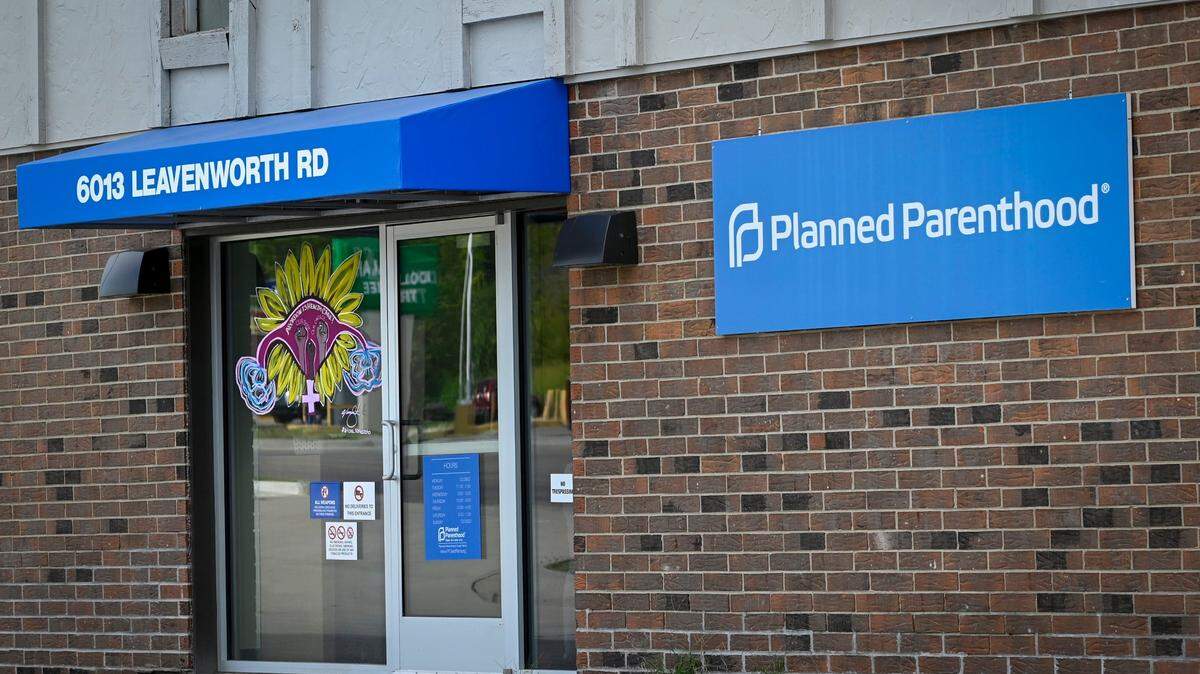
A Johnson County judge on Friday ordered the unsealing of documents in a lawsuit between abortion providers and the state of Kansas.
The action comes as a result of The Kansas City Star’s efforts to intervene in the high-profile suit challenging the constitutionality of strict new state requirements for abortion providers that could have major implications for reproductive health in Kansas.
District Court Judge K. Christopher Jayaram ruled against The Star’s April motion to intervene but ordered that the documents in question must be made public anyways.
“I do intend to address The Star’s concerns and provide relief to their actual concerns,” Jayaram said.
He went on to order attorneys for the state and the group of abortion providers that sued Attorney General Kris Kobach in 2023 to confer with The Star’s attorney about appropriate redactions before previously sealed documents enter the public court record.
Greg Farmer, The Star’s executive editor, said the outcome upholds the public’s right to transparency.
“Our goal here was to make sure the information contained in this case, which is of deep public importance, wasn’t allowed to be hidden,” Farmer said. “We’re thrilled that the judge ruled on the side of transparency, and we look forward to gaining access to more of the case file and informing our readers more fully about these proceedings.”
The court file for the lawsuit contains more than 8,400 pages of documents and exhibits. In advance of the hearing, the parties agreed to unseal some documents that were initially filed under a protective order approved by the judge.
But attorneys for Planned Parenthood Great Plains, Hodes and Nauser Women’s Health and the Center for Reproductive Rights argued that 22 documents should remain sealed, including email exchanges between an abortion patient and her provider about complications she experienced, as well as informed consent protocols that clinics follow before terminating a pregnancy.
Melissa Shube, an attorney for the abortion providers, said the informed consent protocols are trade secrets and expressed concern that some documents include information about building layout and the flow of patients and clinic employees that could compromise their safety.
She also objected to the notion that the follow-up correspondence between patients and clinic staff could be redacted in a manner that protects their identities.
“It’s the interest of the public that’s being asserted here,” Bernie Rhodes, The Star’s attorney, argued during the hearing, adding that, “Obviously, the last thing I want is the name of any patient.”
All parties agreed that patients’ names, email addresses and other contact information should not be made public.
When Jayaram pushed Schube on what other details could pose a safety or privacy risk, Shube cited information about patients’ work history, specific and rare complications they experienced and their distinctive writing styles.
“I’ve read it,” Jayaram said of a particular email exchange. “I’m struggling to understand how some members of the media or the public... would somehow be able to piece together” the patient’s identity.
“I don’t know that there’s a way around getting into some of the nitty-gritty,” he said, adding that the public deserves to know not only the court’s decision but also what information it used to arrive at that decision.
Increased transparency
The judge said moving forward, if either party wishes to file a document under seal, they must get his approval to do so.
“I think that addresses The Star’s concerns about future documents being filed under seal,” Jayaram said.
But he said making The Star a party in the lawsuit would “open the floodgate doors” for any news outlet, blogger or social media influencer that wants to be inserted into a case.
The Planned Parenthood suit challenges a slate of new restrictions approved by the Legislature in 2023, including a mandate that providers survey patients seeking an abortion, share medically inaccurate or unproven information with people considering the procedure, and require them to wait at least 24 hours before receiving an abortion.
“There is perhaps no greater issue to the public right now than abortion and the state’s ability to regulate it,” said Brad Johnson, an attorney representing the state.
Plaintiffs are asking the court to block the enforcement of the full policy, which also requires physicians to listen to the fetus’ heartbeat 30 minutes prior to an abortion. Additionally, it requires providers to, without evidence, post information in their clinics and websites that abortions could increase their risk of breast cancer and premature birth in future pregnancies.
Enforcement of the new restrictions adopted by the Legislature has been halted while the suit works its way through the courts.
On Friday, Jayaram also denied the parties’ dueling motions for summary judgment, saying there are genuine issues of material fact that must be settled at trial.
This story was originally published May 16, 2025 at 2:32 PM.