This is how Missouri Republicans plan to overturn abortion rights vote
Five months after Missouri voters legalized abortion by enshrining reproductive freedom in the state constitution, Republican lawmakers say they’ve landed on a plan to overturn the historic vote.
They’re going to try to force another one.
After weeks of behind-the-scenes wrangling and disagreements over which legislation to pursue, a House committee on Wednesday advanced what Republicans argue is their best shot at overhauling the recently approved abortion rights amendment, called Amendment 3.
The proposed constitutional amendment would effectively ban nearly all abortions with limited exceptions for medical emergencies, fetal anomaly and rape or incest prior to 12-weeks gestation.
The renewed energy among Republicans marks a critical moment for both abortion supporters and opponents in Missouri. Both are gearing up for what’s expected to be the first major retaliatory response from Republican lawmakers after 51.6% of voters overturned the state’s near-total abortion ban in November.
“The Republican majority is a pro-life majority,” said House Majority Leader Alex Riley, a Springfield Republican. “We wanted to work together with our House colleagues, with our Senate colleagues, to come up with another question to put in front of the voters.”
But the measure will face intense pushback from abortion rights advocates. Whether Republicans can successfully ban abortions again is far from a certainty.
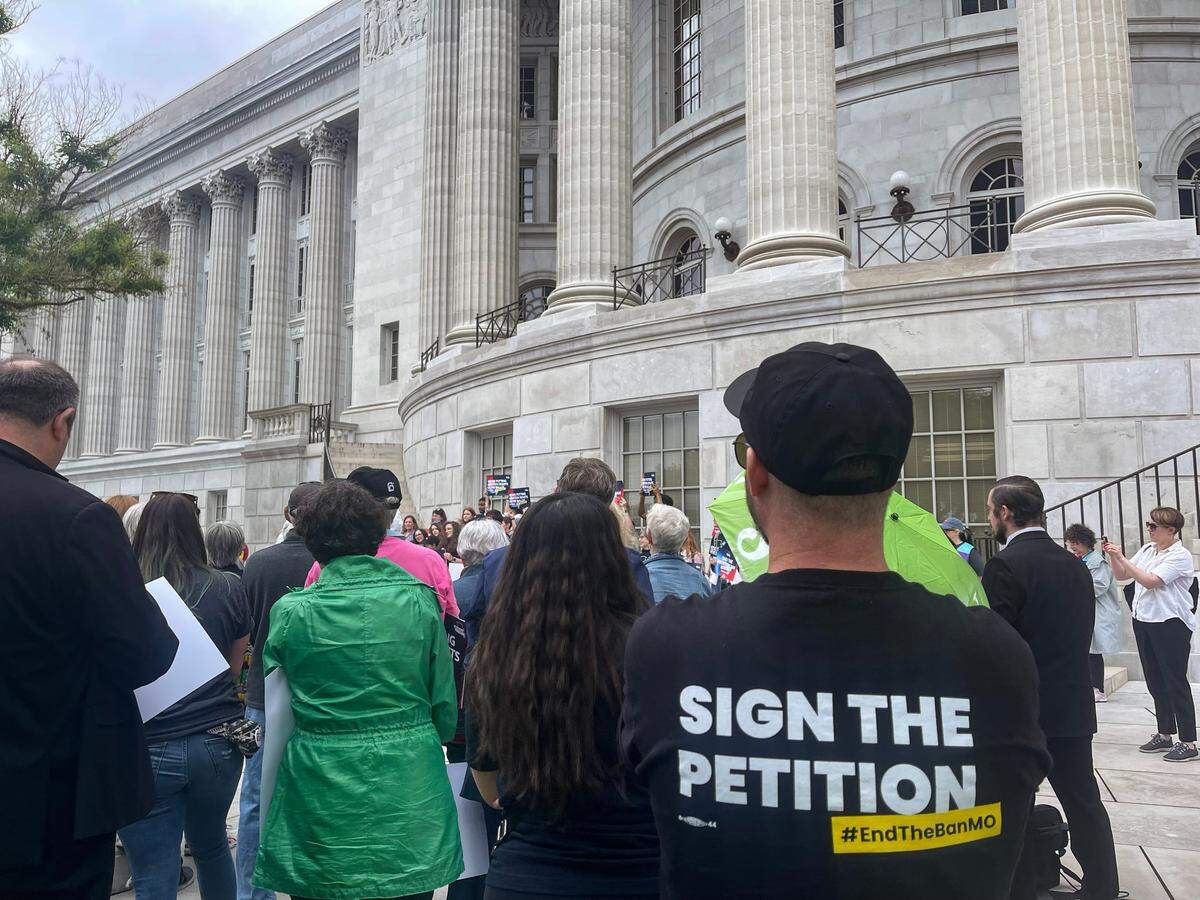
Despite little notice from lawmakers, more than 70 people traveled to the Missouri Capitol on Wednesday to protest the legislation. After the committee limited public comments and kicked supporters out of the hearing room, individuals shared roughly two hours of fiery testimony in the Capitol rotunda.
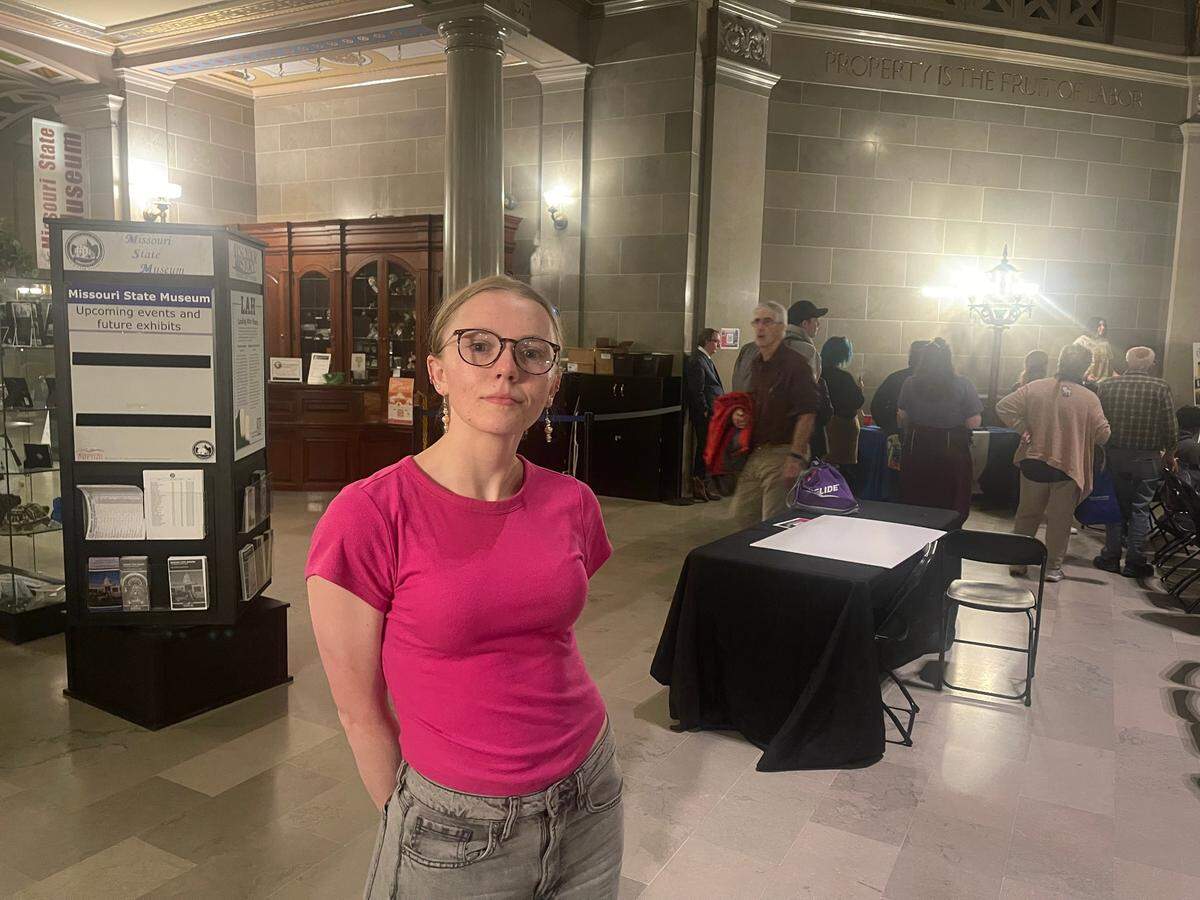
“We’re going to keep talking,” Jaeda Roth, a 20-year-old from Kansas City, told The Star at the Capitol. “It doesn’t matter if they don’t listen to us because we’re going to make it known who shut down our voices.”
The proposal still needs to win approval from the full House and Senate at a time when abortion opponents are at odds over how far they want to go to limit access. If the measure clears both chambers, it would go on the ballot in November 2026 or an earlier election called by Republican Gov. Mike Kehoe.
The effort marks a continuation of Republican attempts to curtail direct democracy in Missouri as voters have used the ballot box to pass several policies seen as progressive, such as a minimum wage increase, Medicaid expansion and marijuana legalization.
“They’re elected by Missourians to go and represent the people’s interests,” said Emily Wales, president and CEO of Planned Parenthood Great Plains. “And still, they blatantly refuse to implement or follow what the people have asked for.”
After Wednesday’s hearing, House Minority Leader Ashley Aune, a Kansas City Democrat, told reporters that the decision to kick out individuals who traveled to testify against the legislation was “unprecedented, unwarranted and, frankly, it was undemocratic.”
“I’ve never seen anything like that in my time here,” Aune said.
The committee approved the legislation without making a copy of it available online for the public to see. The full version of the bill was added online the next day.
Proposed GOP abortion ban
The explosive hearing this week was months in the making. In both the lead-up to and the months after the November election, abortion opponents repeatedly signaled that they would push for another competing ballot measure in the future.
However, Republicans have been split over strategy. Some pieces of legislation would reinstate a complete ban with no exceptions for rape and incest. Others seek to offer more modest gestures at abortion access. The priorities have changed by the day, confusing even the most dialed-in politicos in the state Capitol.
Kehoe, who highlighted his staunch opposition to abortion in his bid for governor, did not specify which version he would support in an interview with The Star, saying only that he would vote in favor of a measure that was “designed to protect innocent life.”
“Hopefully we can get something through that’s reasonable that Missourians would support, and they’ll put it on the ballot,” he said.
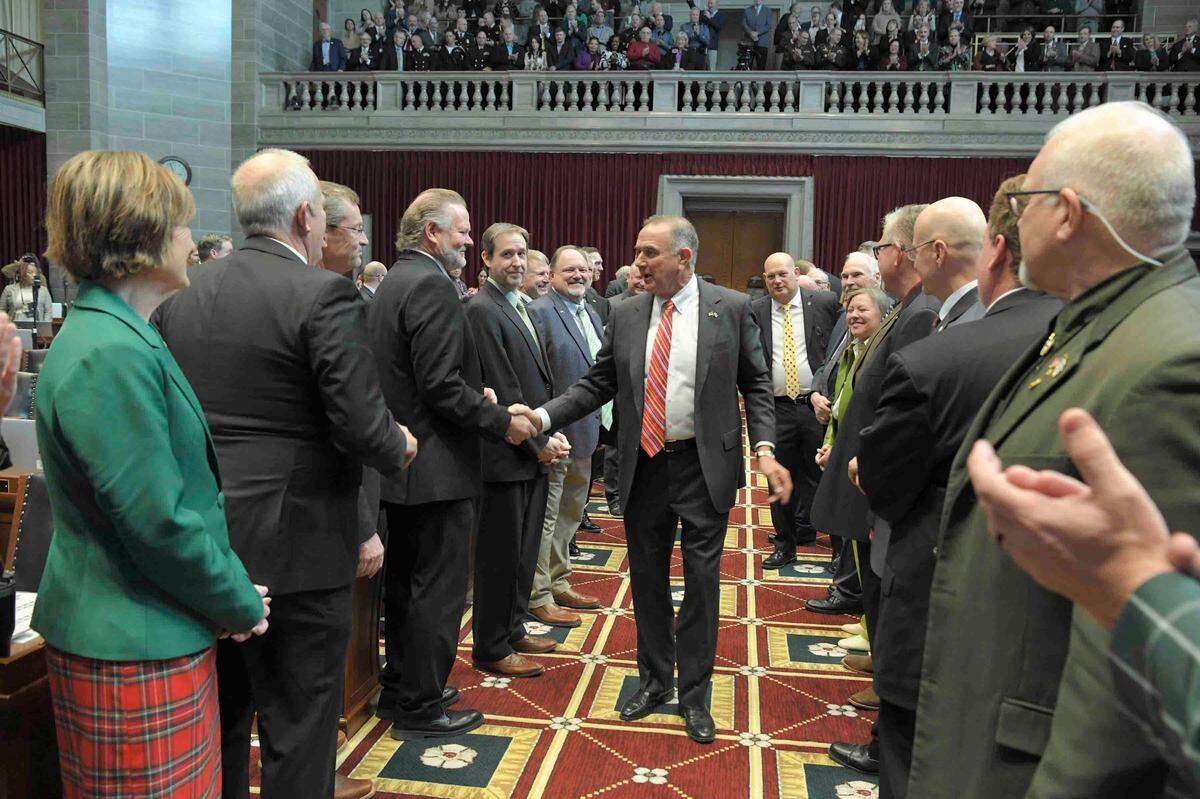
Both abortion rights supporters and opponents told The Star this week that legislation, which will be carried by Rep. Brian Seitz, a Branson Republican, is likely to be the vehicle through which Republicans try to ban the procedure.
“We put emphasis on protecting women,” Seitz told The Star. “It also allows for the rape and incest if the woman decides to do something about that up till 12 weeks. And I think that’s what most of the people voted for when they voted for Amendment 3.”
Seitz repeatedly deflected questions about at what point in a pregnancy his proposed amendment would ban abortion, saying, “we’re going to get this before the people.” Both Seitz and Riley rejected framing the legislation as an “abortion ban,” saying that it would allow for exceptions.
The proposal, if approved by both chambers, would ask Missourians to strike down Amendment 3, which legalized abortion in the state. The measure would allow abortions in medical emergencies and cases of fetal anomalies, such as birth defects. It would also allow the procedure in exceptionally rare cases of rape or incest within 12 weeks of gestational age.
While the language of the amendment is silent on when exactly abortion would be banned, it completely strikes down the language of Amendment 3. Therefore, it’s unclear whether the amendment is intended to allow the state’s previous abortion ban to take effect or give lawmakers the ability to pass legislation to restrict access.
In addition to the abortion ban, the constitutional amendment would ban gender-affirming care for transgender residents under the age of 18. Those procedures, which include hormone therapy, are already banned under state law but became a rallying cry among abortion opponents who falsely claimed that Amendment 3 opened the door to legalizing them.
While the wording of the measure is subject to change, abortion supporters have also sharply criticized the proposed ballot language that lawmakers want voters to see.
The question does not mention an abortion ban and instead says it would guarantee “access to care for medical emergencies, ectopic pregnancies, and miscarriages” among other lines. The language also purports to “ensure women’s safety during abortions.”
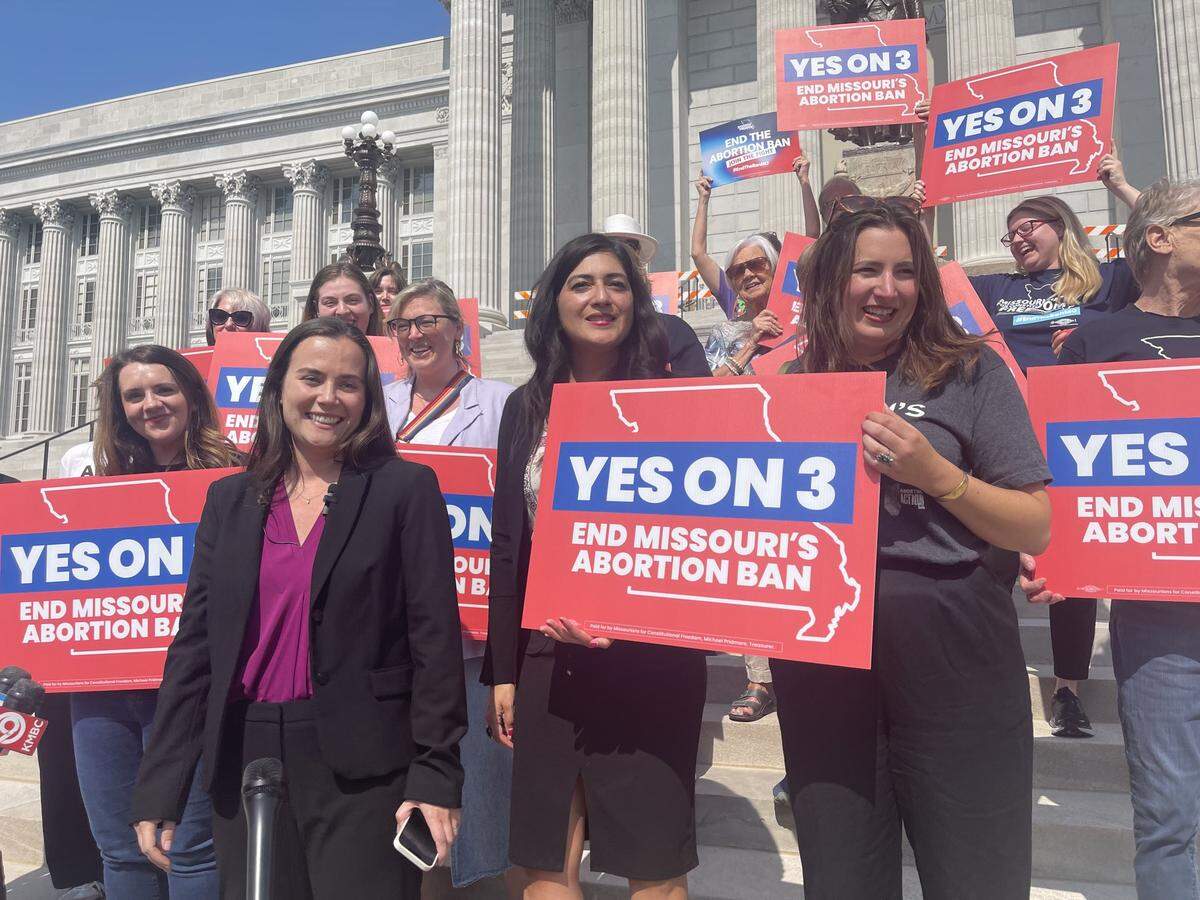
“The proposed ballot summary is incredibly deceptive,” said Maggie Olivia, the policy director for Abortion Action Missouri, an abortion rights advocacy group. “Because the politicians behind these bans know that if they tell the truth about their goal to ban abortion, that they won’t have the support.”
Status of abortion access
Roth, who traveled to Jefferson City from Kansas City before being kicked out of Wednesday’s hearing, said it’s a scary time to be a woman in Missouri.
She volunteered to help collect signatures to put Amendment 3 on the November ballot and make a difference in her community. Lawmakers, she said, are spending time trying to override what their constituents just approved.
“They don’t want to listen,” she said. “We voted on it, we made a choice. And they are going against that choice that their own constituents made. So it’s really just a slap in the face to democracy.”
The vote to legalize abortion in conservative Missouri was historic, offering a sharp rebuke of Republican lawmakers who had spent decades restricting access. The constitutional amendment overturned a near-total ban that was enacted in 2022 after the U.S. Supreme Court struck down Roe v. Wade.
In the wake of the vote, opponents have consistently argued that Missourians didn’t understand what they were voting on when they approved the measure. They have claimed Amendment 3 would lead to unrestricted and unregulated abortions.
But months after the vote, abortion providers are still fighting state officials in court to restore complete access. In February, the Planned Parenthood affiliate in Kansas City performed the first elective abortion in the state since the vote. It also marked the first abortion at its Kansas City clinic since 2018.
While access to procedural abortions is available in Planned Parenthood clinics in Kansas City, Columbia, and St. Louis, medication abortions are still inaccessible.
For Wales, with Planned Parenthood, the dueling efforts by state officials and lawmakers to fight restored abortion access through the courts and legislature have caused confusion among Missourians.
At this moment, Missourians don’t understand what care is available, she said.
“They don’t realize that procedural care has been restored in three different cities in the state,” she said. “And they definitely don’t understand why an issue that they thought was resolved last fall is already up for debate once again, because the legislature is not willing to listen to the people.”