Missouri, Kansas GOP officials prepare to help Trump with illegal immigration clampdown
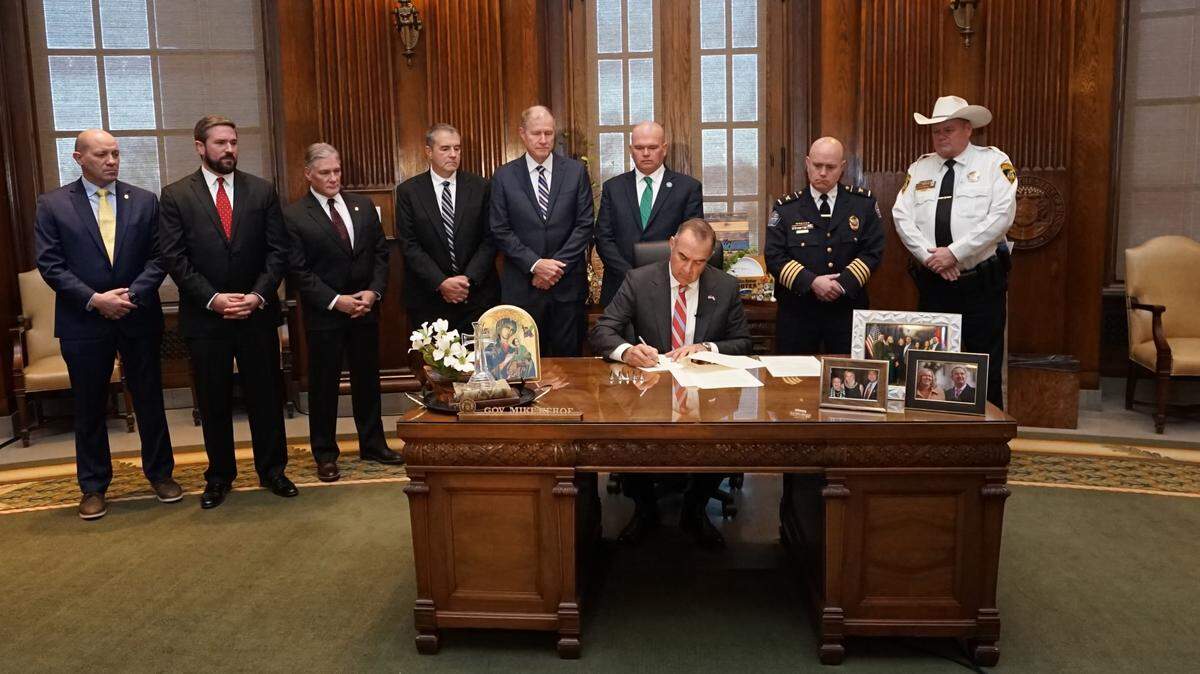
Minutes after Gov. Mike Kehoe took the oath of office on Monday, Missouri’s new chief executive signed a series of orders – including two intended to combat illegal immigration.
Some Missouri Highway Patrol troopers will receive training on aiding federal immigration authorities, under the orders. State officials will also track the immigration status of people arrested in Missouri.
Missouri and Kansas Republicans are moving to set the stage locally for President-elect Donald Trump’s promised crackdown on illegal immigration. Collectively, they want to empower state officials to play a larger role in tracking down and deporting migrants across the Kansas City region and in both states more broadly.
“The state of Missouri, under Gov. Kehoe’s leadership and executive order, will begin training our state law enforcement officers to assist with immigration enforcement when called upon by President Trump’s administration to help,” said Missouri Attorney General Andrew Bailey, who stood next to the Republican governor during a signing ceremony.
Kehoe didn’t take questions from reporters at the event. He said in a statement his administration “will be relentless in our pursuit to make Missouri a place where it’s easier to be a cop than a criminal” – echoing a similar line from his inaugural address.
In Kansas, Republican lawmakers are urging Democratic Gov. Laura Kelly to aid Trump’s deportation efforts. One GOP state senator said Kelly should follow Kehoe’s example.
Kehoe’s orders come as Congress is swiftly advancing legislation in Washington that would empower state attorneys general, including Bailey and Kansas Attorney General Kris Kobach, to bolster local enforcement of immigration laws.
The Laken Riley Act, named after a Georgia woman killed by an individual in the country illegally, gives state attorneys general the power to sue the federal government if their states are harmed because of immigration enforcement mistakes. The bill also requires Immigration and Customs Enforcement, or ICE, to detain individuals accused of theft-related crimes if they are in the country illegally.
The bill passed the U.S. House with some bipartisan support. Kansas City-area Republicans, along with Democratic U.S. Rep. Sharice Davids, voted in favor of the bill. The Senate is expected to pass the bill in the coming days so that Trump can quickly sign it once he takes office next week.
The Kansas City region has been a center of migrant arrivals in Missouri over the past decade, according to U.S. immigration court data analyzed this summer by The Washington Post. Some 8,300 migrants have settled in Jackson County since 2014, with 37% coming from Honduras. For comparison, 7,326 migrants who have settled in St. Louis and St. Louis County over that same period.
As Trump’s inauguration looms, top Kansas City leaders are not clamoring for more state involvement on illegal immigration.
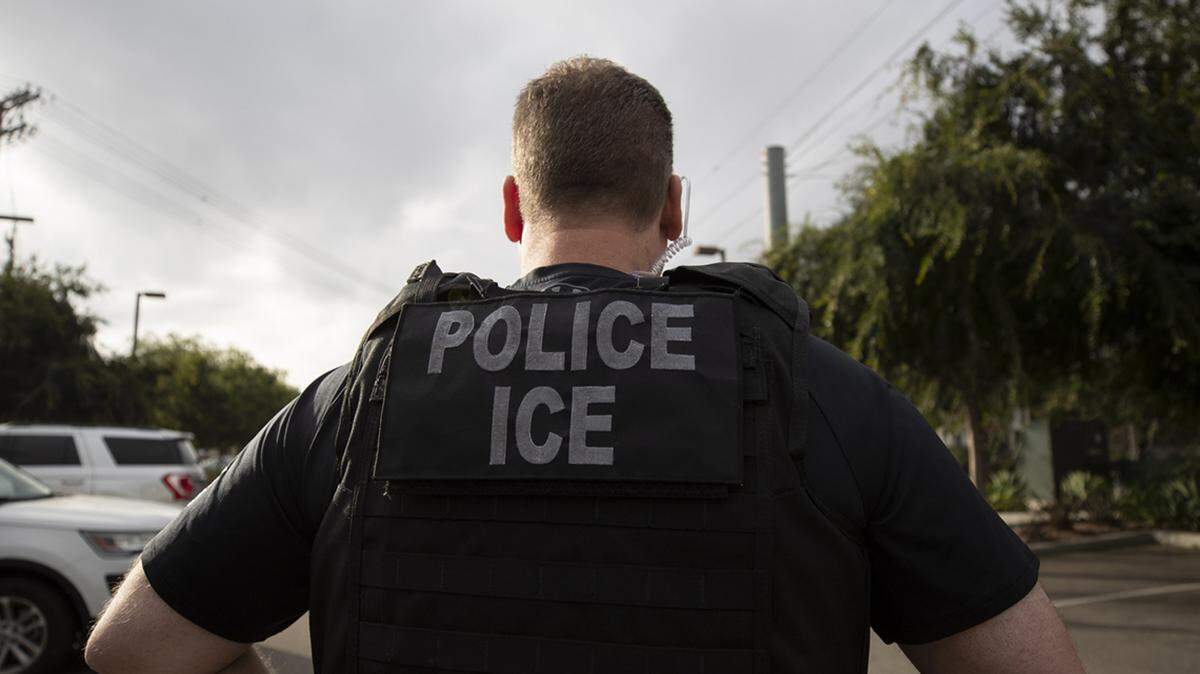
Mayor Quinton Lucas said in an interview on Monday after Kehoe’s inaugural address, which included a focus on crime and bipartisan cooperation, that his takeaway from the speech was the necessity of working together on public safety. Lucas said that in Kansas City, that means attention paid to restaurant break-ins, violent crime and traffic safety issues.
“What I am not hearing from the people of Kansas City is them clamoring for a solution on immigration policy fundamentally in Kansas City,” Lucas said.
“We have everyday, meaty issues in Kansas City, Missouri to deal with right now, and I hope these orders deal with that. To the extent they don’t, then I think that might be a missed opportunity here at the beginning.”
ICE training
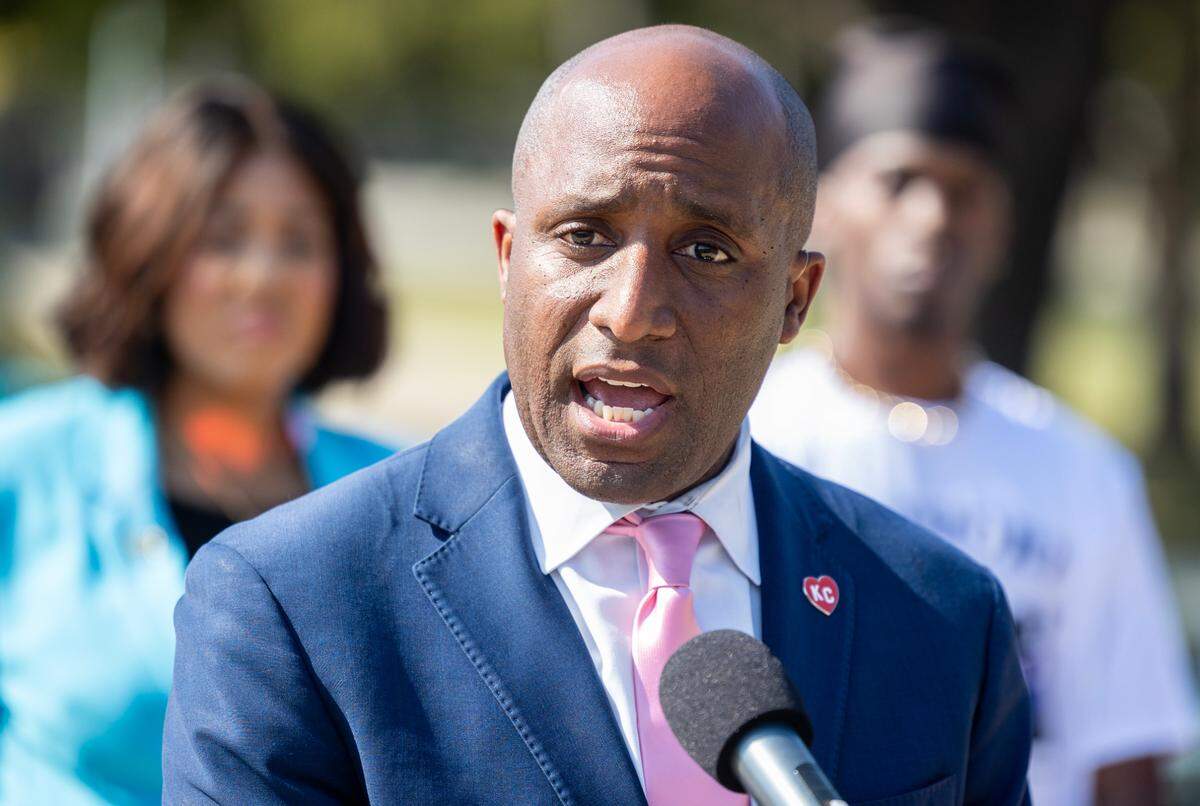
Kehoe signed six public-safety focused executive orders, including two related to illegal immigration. According to the governor’s office, one of the orders allows Missouri to participate in ICE’s 287(g) program – a reference to a federal law – that allows ICE to delegate some immigration enforcement functions to Missouri law enforcement officers.
Under the order, the Missouri Department of Public Safety will choose highway patrol troopers to receive immigration enforcement training “with an emphasis on preventing illegal immigration, apprehending criminal offenders, and interdicting drug trafficking activities as an integral part of their regular responsibilities within Missouri,” the governor’s office said in a statement.
Bailey, Kobach and other Republican state attorneys general signed a statement last week voicing support for Trump’s immigration policies, including the ICE program, saying “we are confident that many officials in our states are ready to collaborate with the Trump administration on these efforts.”
No Missouri law enforcement agencies currently participate in the program, according to ICE. Two Kansas agencies – the Finney County Sheriff’s Office and the Jackson County, Kansas, Sheriff’s Office – have agreements.
The Highway Patrol has participated in the program in the past. A 2008 agreement between ICE and Missouri was signed by Mark James, then the director of the Missouri Department of Public Safety. Kehoe has named James to again lead the agency.
Another order requires the Missouri Department of Public Safety and the Missouri Highway Patrol to include immigration status in the state’s uniform crime reporting system. The move means state officials will be able to more easily identify when individuals in the country have been accused of crimes.
“I think that the governor’s proposals are reasonable,” said Missouri state Rep. Lane Roberts, a Joplin Republican and a former director of the Missouri Department of Public Safety. “I think they address something that needs to be addressed, regardless of popularity, and I fully support him.”
Missouri House Minority Leader Ashley Aune, a Kansas City Democrat, said immigrants are often more likely to be the victims of crimes as opposed to the perpetrators. Executive orders like those signed by Kehoe drive the impression that immigrants are criminals, she said, effectively giving Missourians permission to be more wary of their neighbors.
‘We don’t need our leaders telling people who they should be attacking or demonizing or othering in our communities,” Aune said. “And I think that the message that immigrant communities hear when executive orders like this come out is that you’re not welcome in this state. And I just think that’s wrong.”
In Kansas, state Sen. Mike Thompson, a Shawnee Republican who chairs the Senate Federal and State Affairs Committee, introduced a resolution on Tuesday urging Kelly to work with the Trump administration to ensure that federal executive orders related to illegal immigration are enforced in Kansas.
“They need to come in the right way,” Thompson said. “The laws are the laws right now, and so it’s just encouraging Gov. Kelly to cooperate with the Trump administration on some of these issues that they’re trying to deal with.”
Thompson said he was impressed by what he called Kehoe’s proactive approach to helping the federal government. He said he’s open to ideas such as training Highway Patrol troopers on immigration enforcement.
“I think all those things need to happen. I think that’s a good idea, just to make sure that we’re doing it right here,” Thompson said.
Asked on Tuesday whether Kelly would cooperate with Trump on immigration enforcement, a spokesperson for the governor, Grace Hoge, said Kelly had been calling for years for immigration reforms, “which include securing the border and deporting dangerous criminals.”
“This is an issue that can only be solved at the federal level with careful consideration for those here lawfully,” Hoge said.
Kobach, Bailey could act
Even if Kelly doesn’t sign any orders, Kansas may still play a greater role in immigration enforcement.
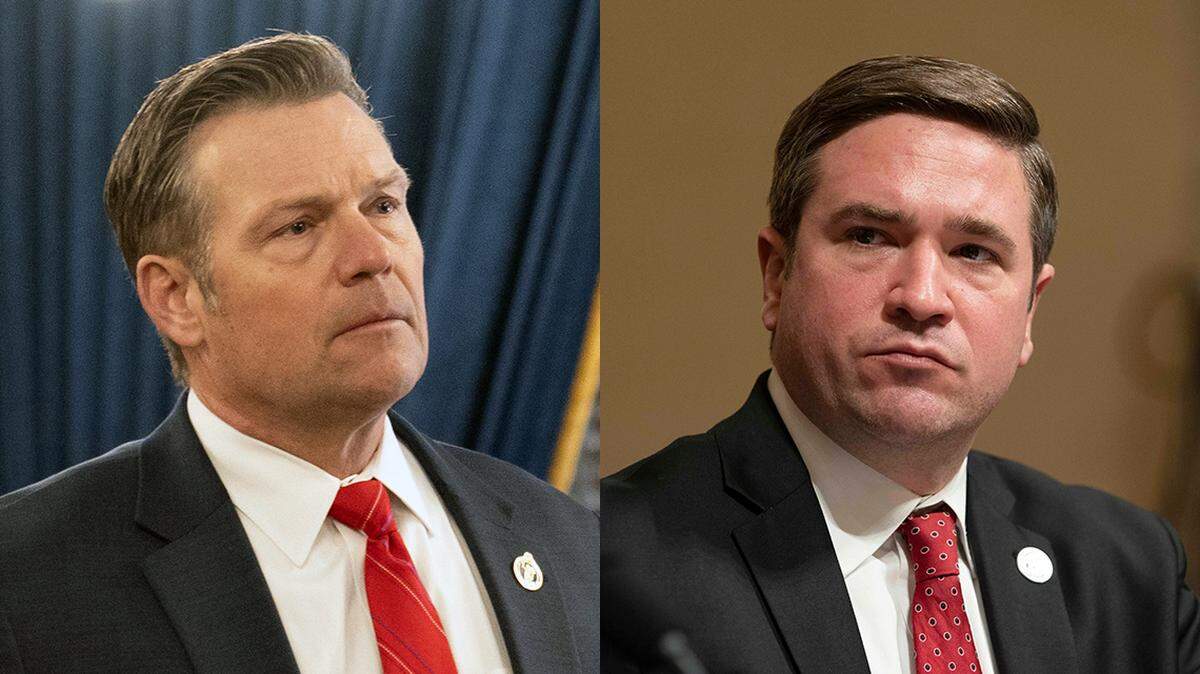
The current version of the Laken Riley Act in Congress would give Kobach and other state attorneys general the power to sue federal officials if they release or grant parole to “any alien” who harms the state or its residents. Federal courts would be required to move quickly on the cases, with judges allowed to order federal officials to take action.
The legislation says harm includes financial harm in excess of $100 but doesn’t define harm itself.
While Kobach and Bailey are unlikely to bring many lawsuits against the Trump administration, the legislation would effectively empower state attorneys general to fight any efforts by future administrations to relax immigration enforcement.
“I anticipate the Trump administration will fully enforce our immigration laws and fully comply with this act if it is passed. I do not anticipate that the state of Kansas would need to file suit,” Kobach said in a statement, adding that he supports the bill.
The provisions in the Laken Riley Act that empower state attorneys general have encountered some resistance in Congress. The Senate on Wednesday rejected amendments to the bill, that would have removed the language related to state attorneys general.
The bill itself passed the House with a large majority, 264-169. Every Kansas City-area representative voted in favor, except U.S. Rep. Emanuel Cleaver, a Kansas City Democrat.
Davids spokesperson Zac Donley said in a statement that the congresswoman had repeatedly called for bipartisan solutions to the nation’s broken immigration system. The legislation “represents a step in the right direction,” Donley said.
“While not perfect, she believes the bill, with careful oversight and future improvements, provides law enforcement with tools to enhance public safety,” Donely said, adding that Davids is pushing for the Senate version of the bill to include protections for individuals brought to the country illegally as children – a group often called Dreamers.
Cleaver said he was concerned with the provisions empowering state attorneys general. He also referenced warnings from federal officials that the cost of the legislation would be high. Lawmakers are “creating some controversy and some division that we don’t need to do.”
But U.S. Rep. Mark Alford, a Republican, cast the efforts as preparing for a post-Trump future.
“The Republicans are not going to be in power forever,” Alford said. “So we are trying to lay the groundwork so that when we are not in power perhaps, when and if that day comes, that attorneys general in states that are continuing to do the right thing have the power to make a difference.”
This story was originally published January 15, 2025 at 5:30 AM.