Josh Hawley doesn’t trust the FBI. Why that could kill a spy tool used to track fentanyl
READ MORE
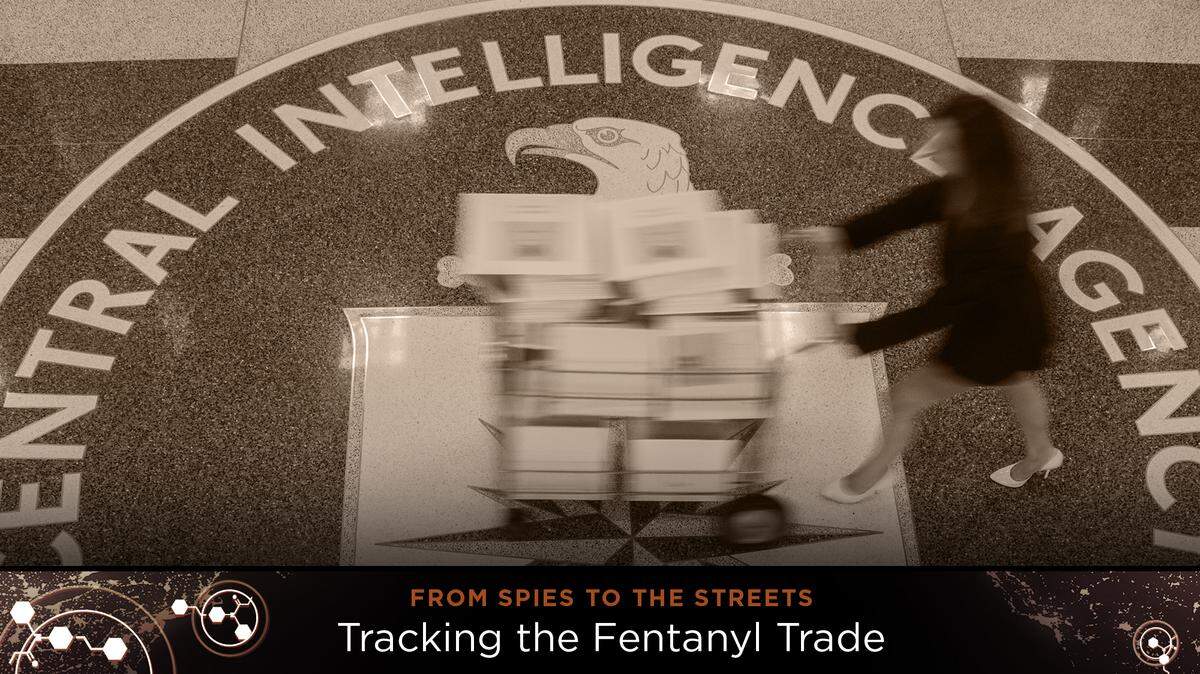
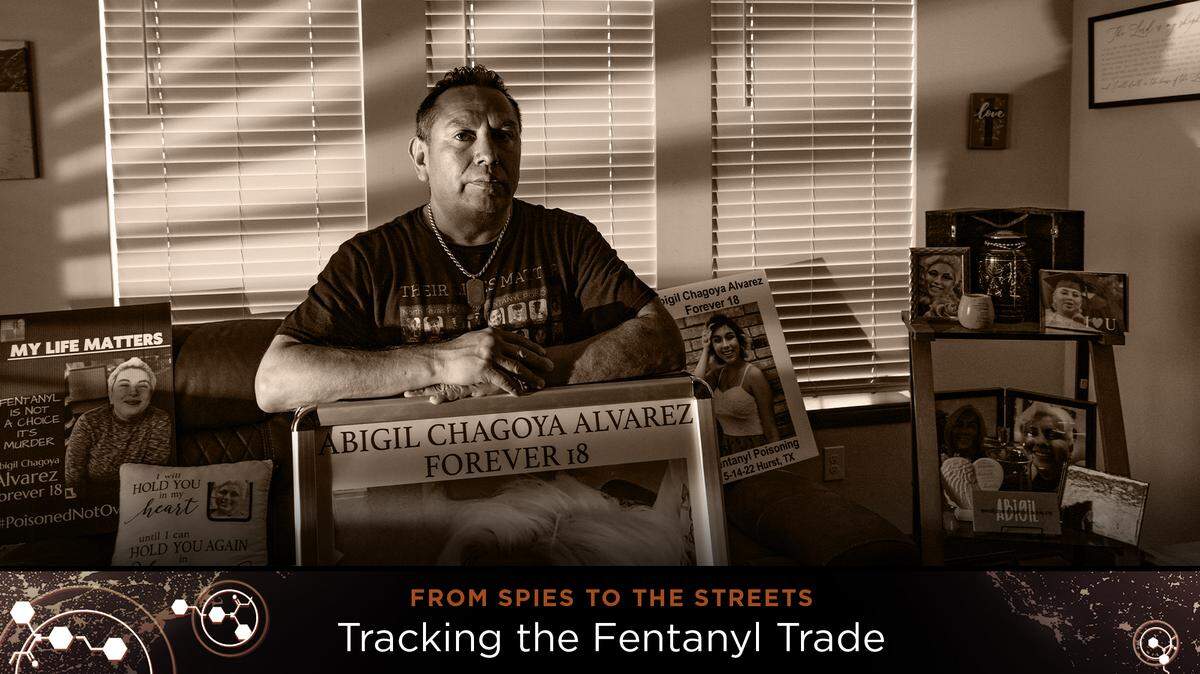
Tracking the Fentanyl Trade
As fentanyl devastates communities across the United States, Americans are fighting the epidemic on multiple fronts. This is the war against America’s deadliest drug.
Expand All
Top intelligence officials know they’re at risk of losing a 9/11-era provision that allows them to spy on foreigners without a warrant.
So, in testimony in front of the Senate Judiciary Committee in June, they leaned into one of the few bipartisan issues remaining in Congress to win support for the program — stopping the flow of fentanyl into the country.
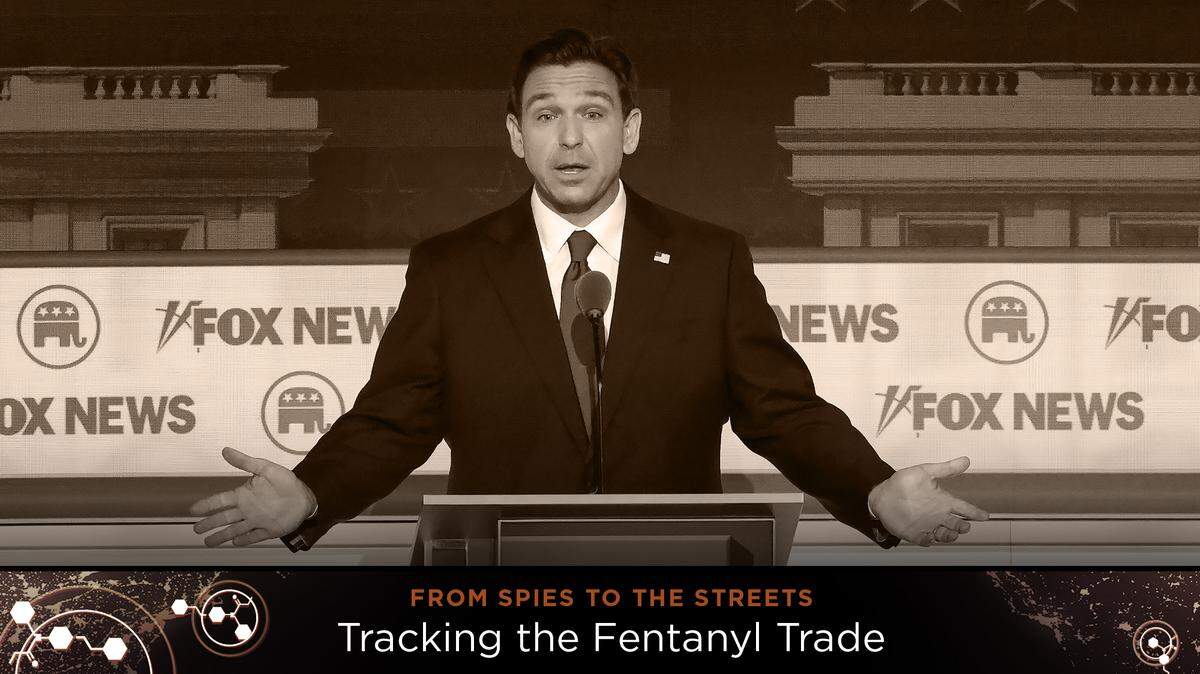
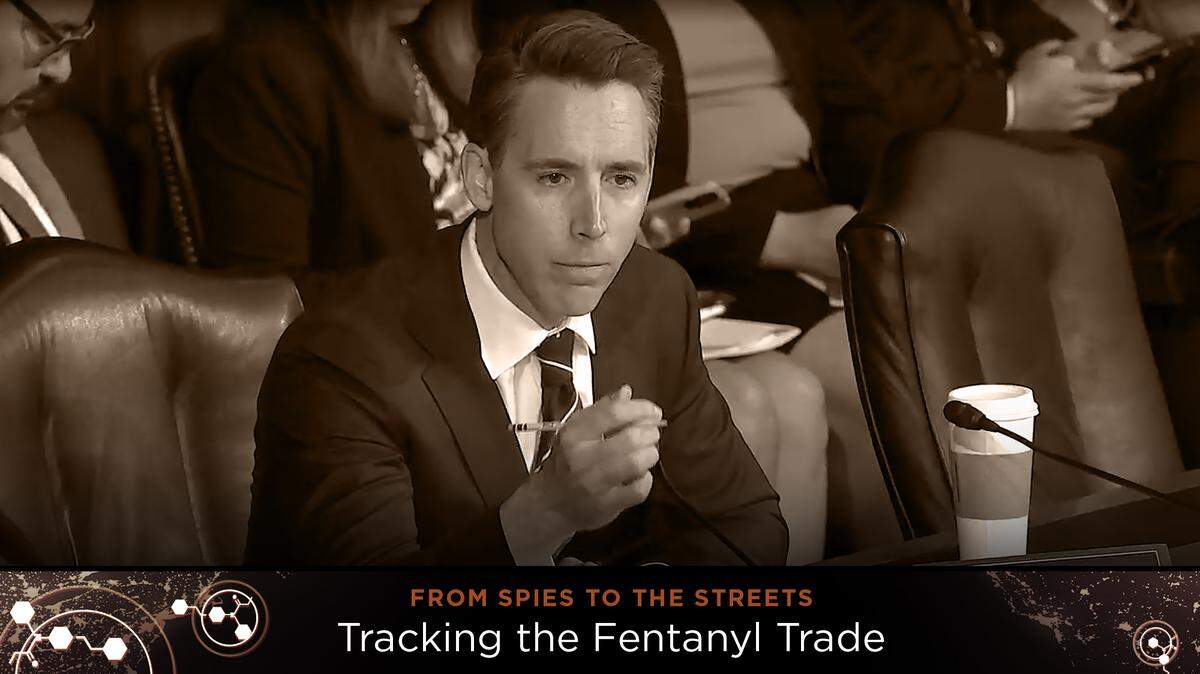
Sen. Josh Hawley, a Missouri Republican, had another target on his mind — the FBI.
“Why would we reauthorize it given your track record of abuse and illegal improper surveillance and political targeting,” Hawley said. “Why would we do that? Why would this body ever do that?”
Hawley is one the FBI’s most vocal critics in Congress. Over the past year, he’s claimed the agency has an anti-Catholic bias, that it is engaged in a politically motivated attempt to take down former President Donald Trump and has accused it of covering up information from a congressional investigation into Biden.
As U.S. intelligence agencies turn to Congress for permission to keep collecting the communications of foreigners who use U.S. communication systems — a provision called Section 702 in the Foreign Intelligence Surveillance Act — the souring relationship between Republicans and the FBI could be standing in the way.
Intelligence officials have long said that Section 702 is a vital tool to protect the homeland against a slew of national security threats, from drug traffickers and terrorist organizations to nation states threatening U.S. critical infrastructure.
A U.S. intelligence official told McClatchy and the Kansas City Star that 60% of the material in the president’s daily briefs rely on information collected using Section 702 — and that 70% of the country’s counterproliferation efforts, monitoring the movement and construction of weapons of mass destruction, rely on the tool.
“Our ability to identify new threats would be severely diminished,” the intelligence official said when asked what would happen if Congress were to fail to reauthorize 702. “Our ability to provide the same level of insight in our analytic products would be degraded significantly. Our ability to understand and track what our near peers are doing would be very much hampered. And our ability to reproduce this in some other way would never be matched — it is just not going to be possible. It will be the difference between preventing an attack and investigating it after the fact.”
But opponents of the legislation warn that 702 provides law enforcement with a backdoor to monitor the communications of American citizens — a concern that has been consistently raised by civil liberties advocates on the left ever since the provision was passed into law in 2008.
Republicans have become critics of the law, as well, objecting to its use during an investigation into whether foreign nationals were communicating with the Trump campaign during the 2016 election. While FISA tools were used in that investigation, Section 702 was not.
Last month, an independent intelligence advisory board found that “the sheer volume of Section 702 activity” led to inappropriate use of the tool by the FBI, identifying three occasions in which FBI officers intentionally misused the surveillance power. But the board “found no evidence of willful misuse of these authorities by FBI for political purposes.” A recently unsealed FISA court filing found that, in 2021, the FBI conducted roughly 278,000 queries of information on U.S. citizens that the bureau characterized as accidental, a number that has decreased in recent years.
Now, the Biden administration and a bipartisan group of lawmakers has agreed the tool requires reform before Congress votes for reauthorization. But it is unclear whether Hawley would be satisfied with reform, or whether he seeks to end the use of Section 702 outright. His office declined to comment for this article.
Finding 60 votes
When Hawley was campaigning against former Democratic Sen. Claire McCaskill in 2018, he said he had privacy concerns about the law.
“I support giving national security officials the tools they need to aggressively fight terrorism and keep Americans safe, but we have to be vigilant in reviewing this practice to avoid unintended consequences that impact the privacy of Americans,” Hawley said at the time.
McCaskill that year helped provide a deciding vote to help the legislation pass — giving her thumbs up while battling the flu.
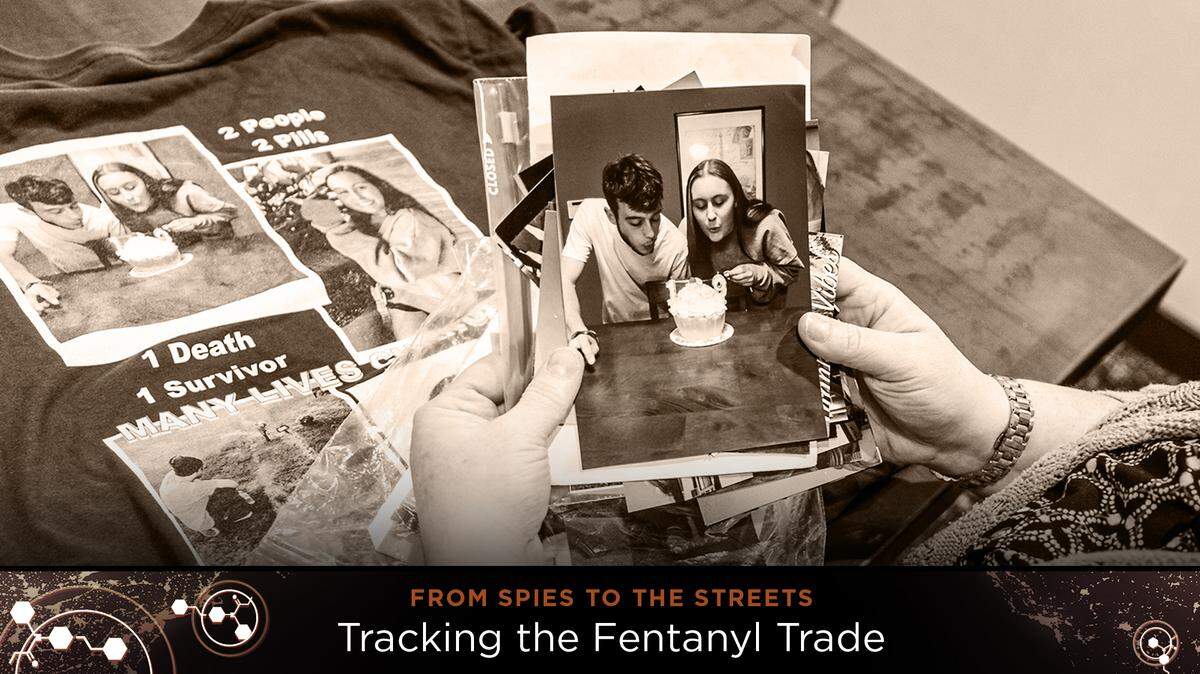
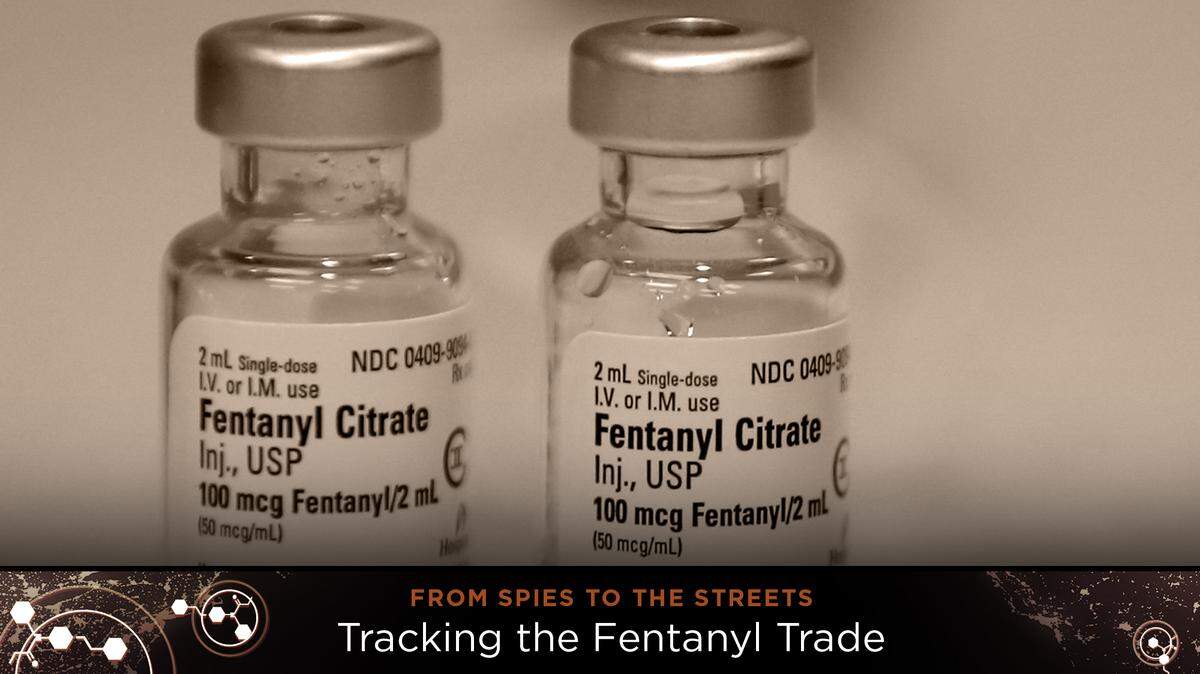
Intelligence officials say that the law allows them to collect information they would otherwise never find out, including how the materials used to make fentanyl get from China into the United States, leading to a record number of drug overdoses over the past five years.
According to the Missouri Department of Health and Senior Services, 70% of the overdose deaths in 2022 were caused by non-heroin opioids, the category that includes fentanyl. Overdose deaths have increased 60% from 2017, when non-heroin opioids made up 48% of overdose deaths.
While Hawley has raised concerns about the increase of fentanyl, his legislative efforts have mostly focused on how the drug comes over the southern border instead of its origins in China. Last year, he co-sponsored a bill that would increase the minimum prison sentence for people who were found guilty of trafficking fentanyl, and he wrote a letter to the DEA that focused on how the drug is coming across the southern border.
National security and intelligence officials told McClatchy that the main avenues for smuggling fentanyl into the country are indeed through the U.S. southern border. But Section 702 has allowed the intelligence community to understand and monitor the entire supply chain of the drug, from its precursor chemicals — largely produced in China — to their shipment and processing in Mexico, where cartels then smuggle them up north.
The ability to monitor that process from start to finish provides U.S. intelligence and law enforcement officials with more opportunities to disrupt the trade of a drug that, compared with other narcotics, is exceptionally easy to produce and to hide.
“702 is really the only source of information that allows us to stay dynamic in thwarting the threat,” the intelligence official said.
Other lawmakers, also concerned about how the FBI has abused the law, have put forward legislation that would require reform in order for the reauthorization of the bill.
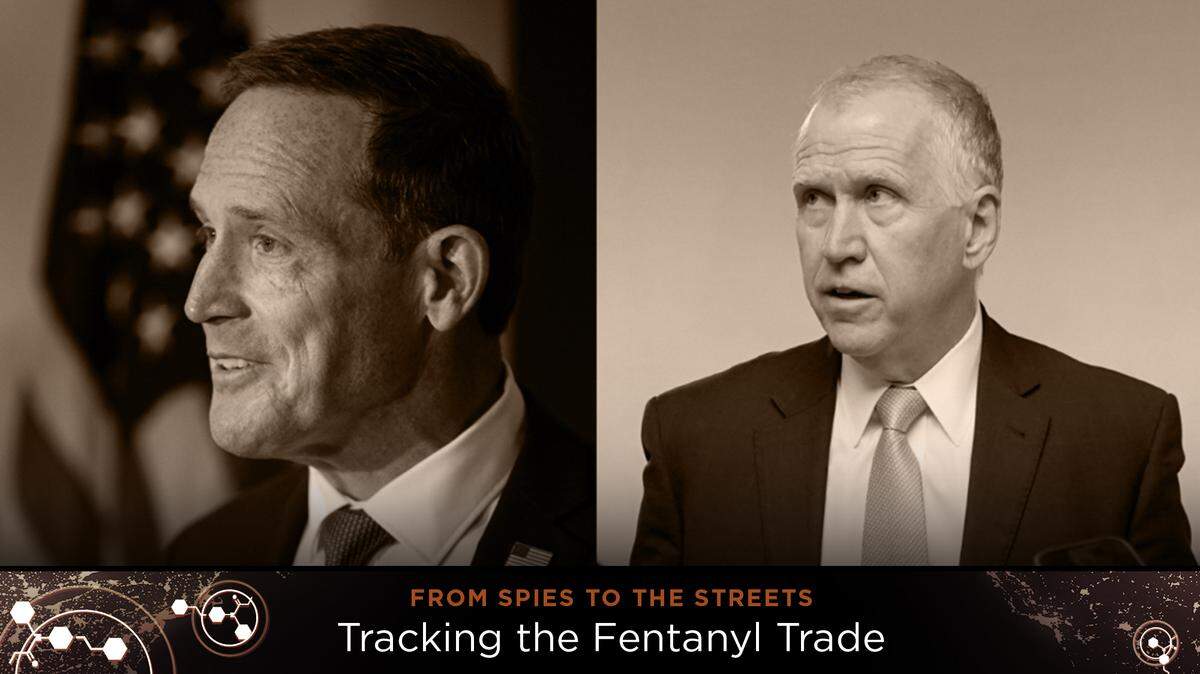
Sen. Jerry Moran, a Kansas Republican who is the ranking member of the Senate committee that determines how much money Congress gives to the Department of Justice, has filed legislation that would require the FBI to establish guardrails for their use of the law.
“As a member of the Senate Intelligence Committee, I recognize and value the importance of Section 702 as a tool to keep Americans safe and secure, and I use my position to ensure proper oversight,” Moran said in a written statement. “Sensible amendments to safeguard the civil liberties should be considered, and as the lead Republican appropriator for the FBI, I have used my position to make certain the Bureau is following its own standards to comply with FISA.”
Moran is among a group of bipartisan senators who appear to be aiming to reauthorize the legislation with significant reforms, to assuage the concerns of lawmakers angry at the FBI.
Sen. Eric Schmitt, a Missouri Republican, indicated that he wants reforms for the FBI before he supports reauthorization.
“It’s evident that the FBI has been weaponized, and it’s far past time for reforms after the FBI has repeatedly used their power to go after political opponents,” Schmitt said. “I’ll be watching this closely as it moves forward.”