Kansas Gov. Laura Kelly vetoes human smuggling bill, citing Legislature’s rushed process
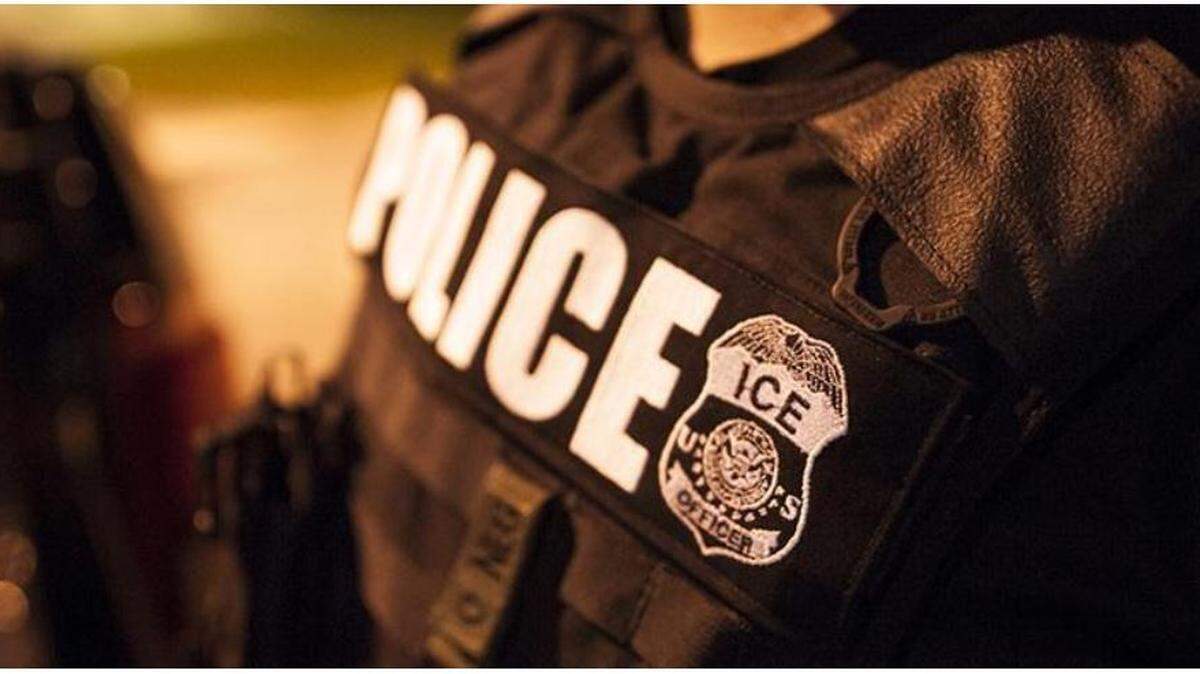
Kansas Gov. Laura Kelly vetoed a bill Monday creating a state-level human smuggling crime, which supporters said would help law enforcement prosecute those transporting undocumented immigrants.
But the Democratic governor said the legislation was the product of a “rushed process” that could lead to unintended problems. The veto puts her at odds with most of the Legislature: the measure passed with veto-proof majorities in both the House and Senate.
“I agree immigration issues need to be addressed, but this bill will have unintended consequences, from decimating our agriculture workforce to allowing the state to encroach into Kansans’ personal lives,” Kelly said in a statement.
Kansas has a human trafficking law, but supporters of the bill have said that law is intended to target individuals who traffic others against their will. A human smuggling law would allow prosecutors to bring cases against those who are moving individuals with their consent.
Defense attorneys voiced concerns the bill could trample due process rights for individuals who have been allegedly smuggled. In order to prosecute smugglers, Kansas courts will have to find that those who have been smuggled are in the country illegally – a decision typically made by federal immigration courts.
The bill doesn’t define what it means to be in the country illegally. It includes no instructions on how to determine whether someone is present illegally, such as consulting federal immigration court decisions or U.S. Immigrations and Customs Enforcement.
Kelly said the bill could have criminalized Good Samaritans who give someone a ride to work and receives gas money in exchange, or pandemics who transport individuals to the emergency room. The governor described the bill as “overcriminalization” and said lawmakers hadn’t considered the full impact of the legislation.
“Kansans deserve considered, comprehensive legislation when it comes to immigration – not bills with sweeping language that would hurt law-abiding Kansas citizens and open the state up to expensive lawsuits,” Kelly said.
House Speaker Dan Hawkins, a Wichita Republican, said Kelly had “sided against law and order and put radical politics above the safety and human rights of victims caught in the vicious world of human smuggling which often leads to forced labor and sexual exploitation.”
Senate President Ty Masterson, an Andover Republican, in a statement condemning the human smuggling veto and other vetoes by Kelly on Monday, said the governor is following in the footsteps of President Joe Biden “by doing whatever the radical left asks of her, rather than honoring her pledge to meet us in the middle.”
The bill sailed through the Senate on a 36-2 vote. In the Kansas House, lawmakers passed the measure 96-26, with some Democrats voicing concerns.
Even if Democrats who voted for the bill vote to uphold Kelly’s veto, enough Republican lawmakers support the bill that in theory supporters have enough votes to override the veto. In the Senate, 27 votes are needed; 84 in the House.
House Minority Leader Vic Miller, a Topeka Democrat who voted against the bill, called the veto good policymaking.
“The bill was overly broad, incredibly vague, and put a target on the backs of people of color,” Miller said. “It’s clear the intent of this bill wasn’t actually to curtail crime; human smuggling is already illegal and HB 2350 is entirely unnecessary.”
The veto comes after Kansas Attorney General Kris Kobach, a Republican with a long history of supporting hard-line immigration policy, had asked lawmakers to amend the bill to more closely reflect the wording of federal law. Kobach’s amendment said that the federal government would determine whether someone was illegally present, and would have prohibited state and local law enforcement from making their own determination.
The Senate adopted Kobach’s amendment but the House rejected it amid fears that it would give the state attorney general and law enforcement wider latitude to prosecute undocumented immigrants and anyone who aids them because it contained a broader definition of human smuggling. The amendment was removed from the final bill.