Kansas is a step closer to eliminating sales tax on food. Here’s what comes next
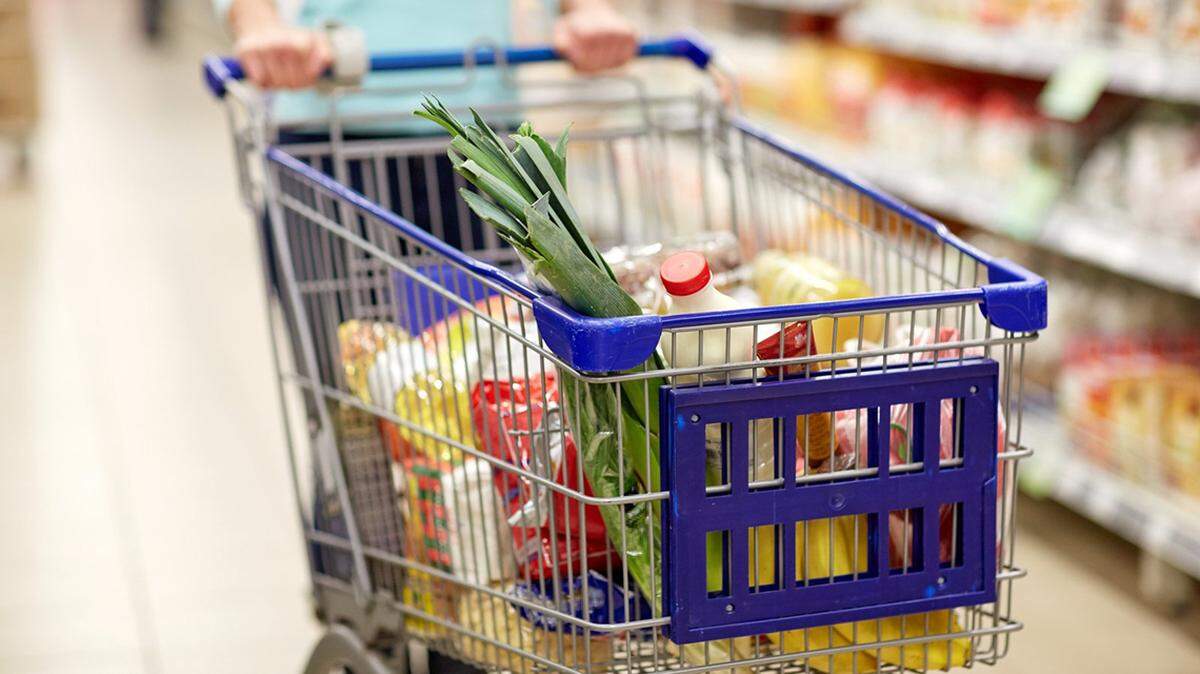
Kansas is a step closer to eliminating its sales tax on food, one of the highest in the nation at 6.5%.
On Wednesday, the Senate voted to lower the tax in stages, year by year until it is eliminated in 2025. The measure still needs approval from the House.
Despite bipartisan support for the tax’s elimination, neither GOP leaders in the Kansas House or Senate brought the issue for a vote during the Legislature’s regular session.
The issue was debated for the first time in the Senate on Wednesday after lawmakers rejected Democratic Sen. Tom Holland’s attempt to force a debate on Gov. Laura Kelly’s plan to eliminate the tax immediately. Instead the Senate approved a plan crafted by GOP lawmakers that lowers the tax over the next three years, with the first reduction coming on Jan. 1.
GOP lawmakers said the option was more fiscally responsible, but Democrats insisted Republican lawmakers just wanted to deny Kelly a win in an election year.
“(If it wasn’t an election year) we would have had this done probably in early February,” said Rep. Jim Gartner, a Topeka Democrat. “It’s all politics at this point.”
Senate President Ty Masterson, an Andover Republican, said it wasn’t politics, it was legislative process.
As for accusations of political games?
“That’s exactly what they’re doing. They like to play politics,” Masterson said.
The bill now heads to the House. If approved and signed by Gov. Laura Kelly, it would drop the sales tax on groceries incrementally, fully eliminating it by Jan 1, 2025.
It was approved 39-0, overwhelming bipartisan support, but Democrats insisted the bill didn’t eliminate the tax quickly enough.
“Many do have large purchases for food. In my area, they go to Missouri,” Sen. David Haley, a Kansas City Democrat, said.
Senate Minority Leader Dinah Sykes said she’d support the plan because “something is better than nothing.”
As the session wound to a close, Sen. Caryn Tyson, a Parker Republican, expressed frustration at several points that tax legislation — including the food sales tax — was left to the last minute.
“It was good legislation for all taxpayers,” Tyson said. “I think we need to keep the taxpayers in mind, especially with what they’re facing with inflation right now. … We need to do whatever we can to lower consumer costs at this point.”
She said she didn’t think waiting until January to begin lowering the tax was political. If the tax were lowered immediately, Tyson said, vendors wouldn’t have enough time to prepare.
Tyson called the bill a good first step.
“We are here now, we have this opportunity to lower state sales tax on groceries and eventually remove it. I think this is a win for Kansas,” she said.
Politics and the food tax
For years the sales tax issue has been mired in politics.
The Legislature voted to raise the tax in 2015 as the state sought to recover from budget shortfalls caused by Brownback era tax cuts. In 2019, Kelly vetoed a bill that would have eventually eliminated the food sales tax because it was tied to other cuts the Democrat saw as harmful to the state’s budget.
GOP lawmakers and activists have consistently criticized Kelly for the veto. In a press release last week, Attorney General Derek Schmidt, the presumptive GOP gubernatorial nominee, said he would have signed the bill.
Heading into the 2022 session, advocates were hopeful the time had finally come as Kelly and Schmidt were both campaigning on the issue.
But for weeks, bills that passed out of the House and Senate tax committees languished without formal floor action.
This week, House Democrats sought to force a decision on the governor’s proposal but failed to gain the votes needed for the procedural move. In caucus, Republican leaders urged their members to vote no and promised later action.
In early April, a tax conference committee agreed on the version that stepped the tax down over the next three years, but Kelly hasn’t said whether she’ll sign it if it comes to her desk.
“We can afford to do this now. There’s absolutely no reason we should delay it,” Kelly told reporters earlier this month.
Meanwhile, advocates are grateful for any relief but say action is needed sooner rather than later.
“We have another eight months or so where Kansas consumers won’t get any relief,” said Karen Siebert, public policy adviser at Harvesters food bank. “I think the gradual decrease will help in the long run, but people need help right now. Inflation is high, people are still challenged at meeting their food needs and there’s just no reason to extend it.”
Food insecurity will remain an issue in Kansas despite the elimination of the food sales tax, Siebert said, but dropping it in one go would ease some financial burden among Kansans who are sacrificing how much food they buy to pay for gas, rent and other bills.
“There’s always going to be hunger. This is not going to solve food insecurity in Kansas, but it will certainly help,” Siebert said. “Food insecurity isn’t just about food, it’s about family resources. When gas prices spiked when Russia invaded Ukraine, people felt that right away and they can’t cut back on that, they can’t cut back on rent payments. …You can’t cut back on your utilities.”
“Food is the one place where you have some wiggle room and that’s usually where people end up having to make those choices. If we could just give them a little bit of help at the checkout line, that would be very helpful.”
This story was originally published April 27, 2022 at 4:56 PM.