Will extra revenue and election-year politics cut your taxes in Kansas and Missouri?
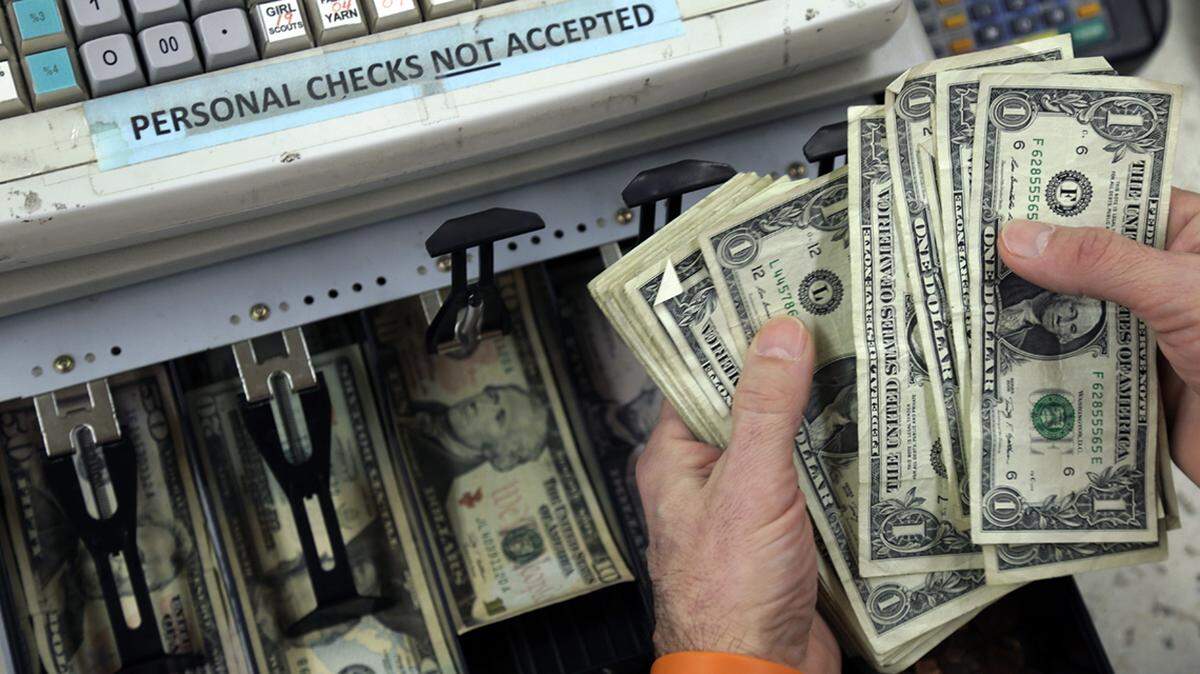
Kansas and Missouri lawmakers are kicking off their annual sessions this month with huge budget surpluses in an election year — a combination that could lead to tax cuts.
The massive amounts of cash are the result of federal COVID-19 aid and tax collections that beat projections despite the pandemic. Kansas and Missouri each expect to have more than $2.5 billion in unspent revenue this year.
Add upcoming elections — especially a hard-fought contest for Kansas governor — and you have the ingredients for a tax cut arms race, with parties and candidates fighting to please voters and, crucially, take credit for it.
But while lawmakers will be tempted to play tax season Santa, how far they go in delivering tax breaks could affect the long-term financial stability of both states. In Kansas especially, the scars of deep income tax reductions a decade ago that led to years of budget woes serve as a reminder of what can happen in the rush to cut.
Kansas Democratic Gov. Laura Kelly and Attorney General Derek Schmidt, her likely Republican opponent, are both calling for cutting the state sales tax rate on food, among the highest in the nation at 6.5%. Kelly is also calling for a one-time $250 rebate for many income taxpayers, but the top Senate Republican wants “permanent solutions.”
Kelly and Schmidt both support legislation to help farmers and ranchers affected by December wildfires by exempting fencing supplies from sales tax, with Kelly ordering aides to work with lawmakers to fast-track a bill once session begins next week. Schmidt also wants to change state law to allow similar exemptions in the future without legislative action.
Missouri legislators, including several running for higher office, have introduced measures to repeal a recent increase of the state’s gas tax, one of the lowest in the country. Some also want to speed up income tax rate reductions already in law by weakening rules that trigger cuts only when Missouri meets revenue growth benchmarks.
Others are offering a variety of tax credits and deductions, from providing tax breaks to law enforcement officers to eliminating sales tax on feminine hygiene products.
“I think it will make it more likely you see more bills filed,” Missouri Rep. J. Eggleston, a Maysville Republican, said of the election-year atmosphere. “I don’t know if it actually means that it will change what we pass.”
Kansas Republicans and Democrats face significant pressure to cut the food sales tax after both parties’ standard bearers staked out positions in favor of it. Democrats are already circulating their proposal — a so-called “clean” bill that only eliminates the tax. Republicans haven’t released language and it’s unclear whether they will back a simple bill or insist other tax changes are included.
Entirely eliminating the state sales tax on food would cost Kansas upwards of $400 million a year. Its political appeal is easy to grasp — a tax cut that would benefit every voter. Lawmakers have tried for years to curb the tax, but reductions have either died amid political maneuvering or failed when they were attached to larger bills that were vetoed.
Spend or pay down debt?
Whether the food tax cut finally becomes law this time depends on a complex interplay of factors. Who gets to claim credit? Will Republicans attach additional provisions, such as corporate tax breaks? And at what point do those extra proposals, if they emerge, become a poison pill that leads to Kelly’s veto?
“My key for us over in the House is if I’m not willing, or none of us are willing, to give further tax reductions to corporations, to the wealthy Kansans, and if the Republicans go that direction, we will counter with our own proposals,” Kansas Rep. Jim Gartner, a Topeka Democrat, said.
Officials have been careful to couch their proposals in the language of fiscal conservatism. Kelly, elected in 2018 in part as a reaction to budget problems under Gov. Sam Brownback, has repeatedly said Kansas can afford her plans, emphasizing that the rebate is a one-time occurrence. Schmidt has said Kansas should pay its “current bills,” cut the food sales tax, pay down state debt and save the rest of its extra revenue.
In Missouri, some lawmakers have signaled a greater interest in spending. The state hasn’t spent any of the $2.7 billion in pandemic relief aid under the American Rescue Plan signed by President Joe Biden. Gov. Mike Parson has spoken of “a great opportunity and responsibility to make smart, meaningful investments” in the state.
Missouri legislators have already approved income tax reductions in recent years. Lawmakers stair-stepped the cuts, making them dependent on increasing revenue. The idea was to avoid a Kansas-like plunge in revenue leading to budget shortfalls, but also to make it more difficult for state agencies and services to benefit from growing tax collections.
But bills have been offered that would lift limits on how many income tax rate reductions can occur in a year and eliminate the state’s lowest income tax brackets. Other proposals would make changes to property taxes, including slowing increases in the assessed valuation of homes.
Some of the legislation has been introduced previously, often by the Missouri Senate’s conservative caucus, a group of right-wing senators who sometimes deploy confrontational and aggressive tactics on the Senate floor to advance an agenda that includes lower taxes.
Brian Colby, vice president of public policy at the Missouri Budget Project, said he expects a lot of tax-oriented discussion. But he suggested the election year may actually make passing bills more difficult as lawmakers – some of whom will be running against each other – compete for credit.
“They want to definitely have something to talk about and something to show that they’re trying to reduce taxes in Missouri and go campaign on a tax cut,” Colby said.
The Star’s Katie Bernard contributed reporting
This story was originally published January 6, 2022 at 5:00 AM.