Kansas projected revenues increase $1.3 billion, raising prospects for cutting food tax
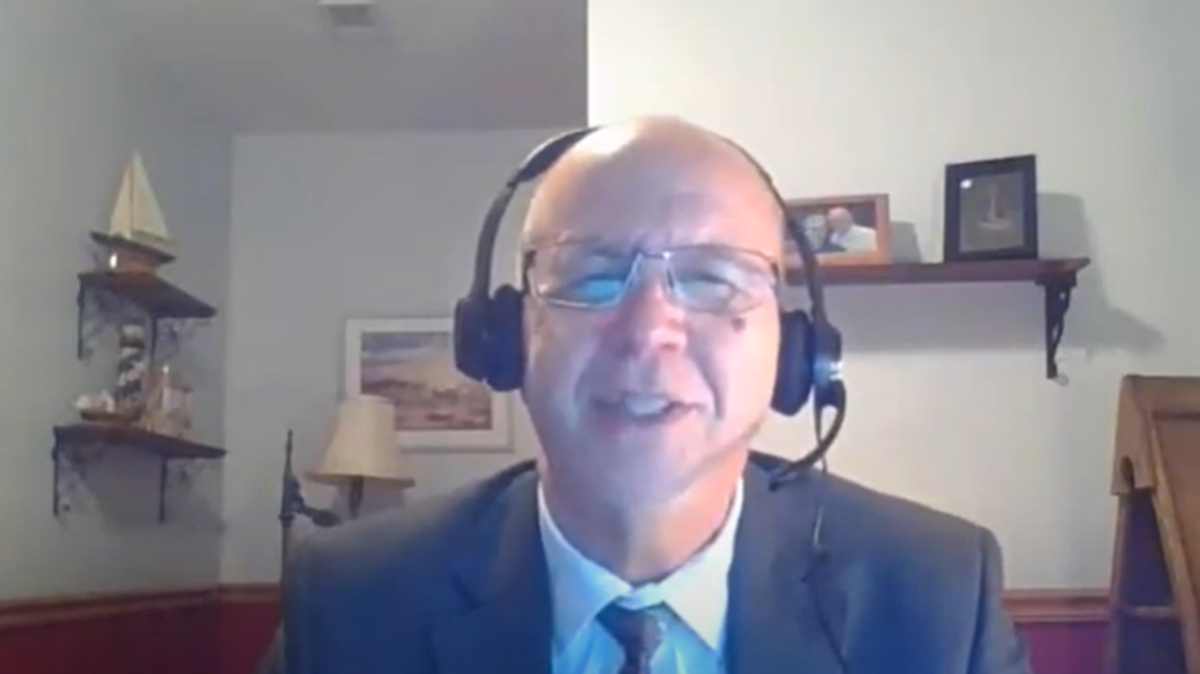
Kansas budget officials increased the state’s projected revenues for this fiscal year by $1.3 billion Wednesday, bolstering arguments by Gov. Laura Kelly and her likely 2022 election opponent, Attorney General Derek Schmidt, for elimination of the state’s food sales tax next year.
Despite a strained labor market and supply chain issues, J.G. Scott, the director of the state’s non-partisan Legislative Research Department said economic growth in the state grew beyond April estimates.
“When we were working through this we were looking at real economic growth and when we combined inflation with that it really increased our expected tax receipts substantially more than we were first anticipating,” Scott said.
The result is that Kansas is expected to finish the 2022 fiscal year with a $2.89 billion budget surplus. Increased revenues will likely continue into the 2023.
While Scott cautioned the pandemic, inflation and supply chain issues could still cause problems, the estimates mark continued improvement for the state’s economy since the 2016 budget crisis, as well as rapid recovery from the impacts of COVID-19.
“It continues the stability that we’ve been experiencing in the budget in the past couple years and ensuring things are on solid footing going forward,” said Adam Proffitt, Kelly’s budget director. “It gives us an opportunity to reset, look at what key priorities are. Understanding that percent growth in the out years may not near what the percent growth in this current year is.”
Republicans and Democrats took the estimates as a sign the state could afford the roughly $450 million annually needed to eliminate it’s 6.5% sales tax on food.
Gov. Laura Kelly announced Monday a plan to prioritize the elimination of the tax during the 2022 Legislative session. Her Republican challenger, Attorney General Derek Schmidt, sent a letter to Legislative leadership calling for action on the issue last week.
Kelly warned earlier this year that a $94 million tax cut largely aimed at multinational companies, passed by lawmakers over her veto, would spell budget woes. But Proffitt said Kansas’ budget is now more stable and able to handle the food tax cut.
House Minority Leader Tom Sawyer, a Wichita Democrat, credited Kelly for managing the state’s finances and called eliminating the food sales text the “clear” next step.
Speaker of the House Ron Ryckman, an Olathe Republican, cautioned on spending the money on new projects but advocated for the elimination of the food sales tax along with additional tax reductions on working Kansans, reducing debt, and stabilizing the state’s pension program.
“In times of growth, government is usually too quick to find new ways to spend,” Ryckman said in a statement. “We can’t let that happen.”
This story was originally published November 10, 2021 at 5:36 PM.