Kansas, Missouri fear problems clearing snow from highways this winter. Here’s why
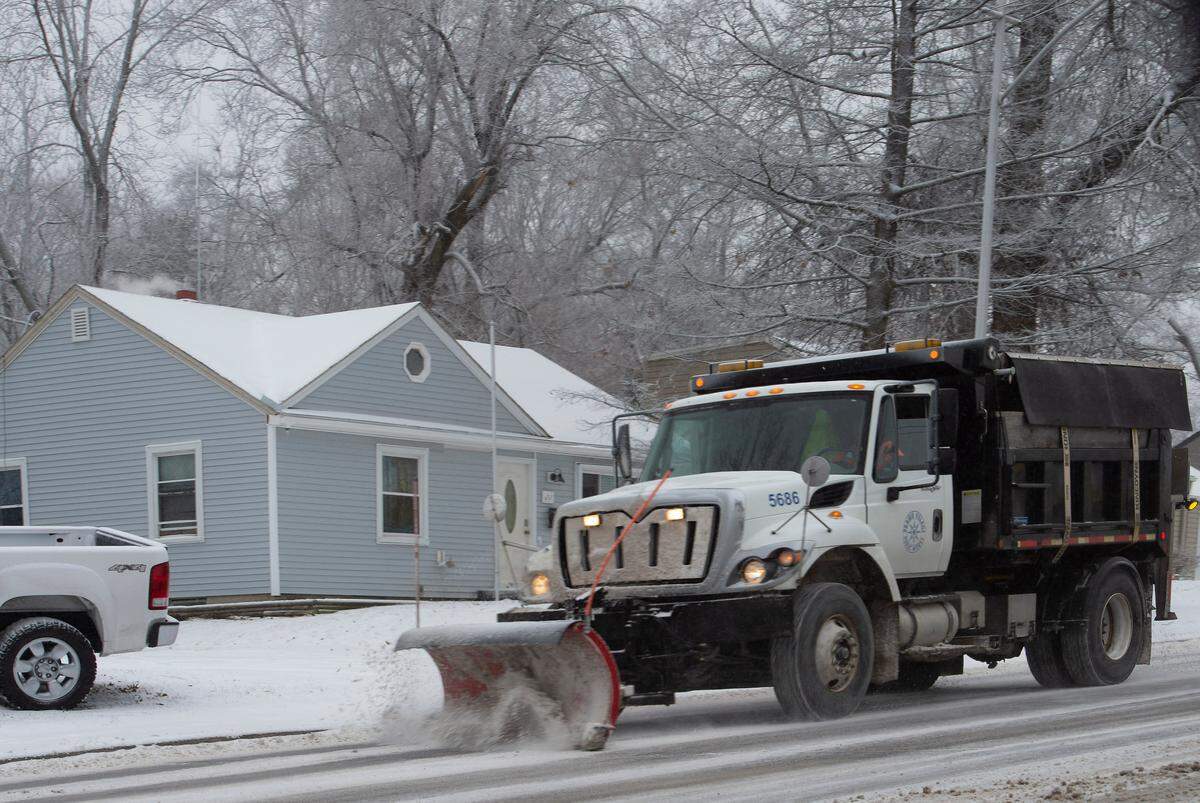
Snow may sit unplowed on Kansas and Missouri highways for longer than usual this winter, as both states struggle to recruit enough workers to keep routes clear.
Transportation officials are warning that labor shortages threaten their ability to quickly respond after winter storms. Without more employees to operate plows, large and widespread snowfalls will overwhelm their limited capacity, they say.
“We want motorists to understand why it could take longer this season to clear highways during storms,” Kansas Secretary of Transportation Julie Lorenz said in a blunt message this week. “Knowing this allows motorists to plan ahead, alter or even delay travel plans, which in turn helps them stay safe.”
The Kansas Department of Transportation has 30% fewer snowplow operators than it needs, the agency said. A full staff typically consists of 1,200 positions. Prior to the pandemic, the agency said it was often close to fully staffed for winter storms.
Missouri Department of Transportation Director Patrick McKenna said last month his agency is “several hundred employees” below what’s required to cover more than one shift in a statewide storm.
“If a widespread winter storm lasts more than one 12-hour shift, we will not have enough employees to fill all the trucks on the second shift and therefore it will take longer to clear the roads,” McKenna said.
Of course, exactly how much snow will fall in region this winter is unknown. But the National Oceanic and Atmospheric Administration projects warmer-than-average temperatures across Kansas and Missouri. Above normal precipitation is expected in Missouri, while forecasters anticipate normal levels of precipitation in Kansas.
MoDOT has lost about 700 employees so far in 2021, about 100 more than it usually loses in a full year, agency spokeswoman Lisa Horn said. The department has only been able to replace about 500 of the lost workers this year.
Underscoring the turnover, about 20% of Missouri plow operators have less than one year of experience, according to Becky Allmeroth, MoDOT chief safety and operations officer.
Employers across the country have had difficulty attracting and retaining workers in recent months and government agencies are no exception. Prisons, state-run hospitals and other departments have all experienced staffing shortages.
In Kansas and Missouri, highway snowplow operators, who by the very nature of their jobs work in cold and stormy conditions, earn starting pay between $15 and $17 an hour, depending on their qualifications. Those rates may struggle to attract applicants at a time when numerous businesses such as Amazon and Target have minimum wages of $15 or more.
“Across the board, state agencies are not providing wages for state employees that can compete with private sector or county and municipal jobs. Correcting this is the first step to ensure the safety and well-being of not just state employees, but of the state as a whole,” Sarah LaFrenz, president of the Kansas Organization of State Employees, said in a statement.
To lure applicants, Kansas is promising to train workers who don’t have commercial driver’s licenses. Once the employee earns their CDL, they receive a pay raise of $1.53 an hour.
Missouri also offers to train drivers to earn a CDL.
“That’s really it,” Horn said of recruitment efforts. “We can’t offer signing bonuses or other things like private companies.”
Cities more confident
Local governments in the metro expressed more confidence about clearing snow this winter. Still, officials acknowledged they aren’t exempt from recruitment challenges.
Kansas City is “feeling pretty good” heading into winter, city spokeswoman Maggie Green said, following two waves of improvements to snow strategy since January. At the beginning of the year, the city changed its plan to deploy 50 more trucks and use 100 additional drivers, as well as increasing the amount of salt used.
Staff continued to meet over the summer to prepare for this winter. This year, Kansas City will have at least 370 drivers with collaboration from six city departments, 31 new trucks, 40,000 tons of salt, 20,000 gallons of calcium chloride and 1,200 tons of Ice Ban pre-mixed salt for super cold temperatures.
The Public Works Department coordinates snow removal across the city, working alongside other departments including Parks and Recreation, Solid Waste and KC Water. Public Works director Michael Shaw said during a business session presentation to City Council last month that they saw an early indication of a 5% increase in citizen satisfaction with snow plows.
And while there are some open positions, Green said Kansas Citians shouldn’t have to worry. Multiple departments send people to the snow team during a big snow storm.
“We’re going to have every plow route filled,” Green said. “So looking at our vacancies doesn’t necessarily correlate to snow plan service.”
And snow crews also have other duties, Green said, such as patching potholes. She added that the city could always use additional backup drivers.
Lenexa city spokeswoman Denis Rendina said while there are a few openings, officials don’t expect them to affect snow removal. And in Shawnee, the public works department is fully staffed, spokeswoman Julie Breithaupt said.
In Overland Park, city officials recently increased starting pay from $16 to $18 an hour for maintenance workers, who are the primary drivers during snow operations. The raises will, hopefully, “sweeten the deal a bit,” city spokeswoman Meg Ralph said.
“Like our partners at KDOT, we are not immune to the labor shortage across the country,” Ralph said in an email. “Right now we are close to, but not quite at, the number of drivers we’d like to have during snow operations, which may affect snow operations.”
The Star’s Cortlynn Stark and Katie Bernard contributed reporting
This story was originally published November 11, 2021 at 5:00 AM.