What could lawmakers do about Rep. Aaron Coleman after his arrest? Here are the options
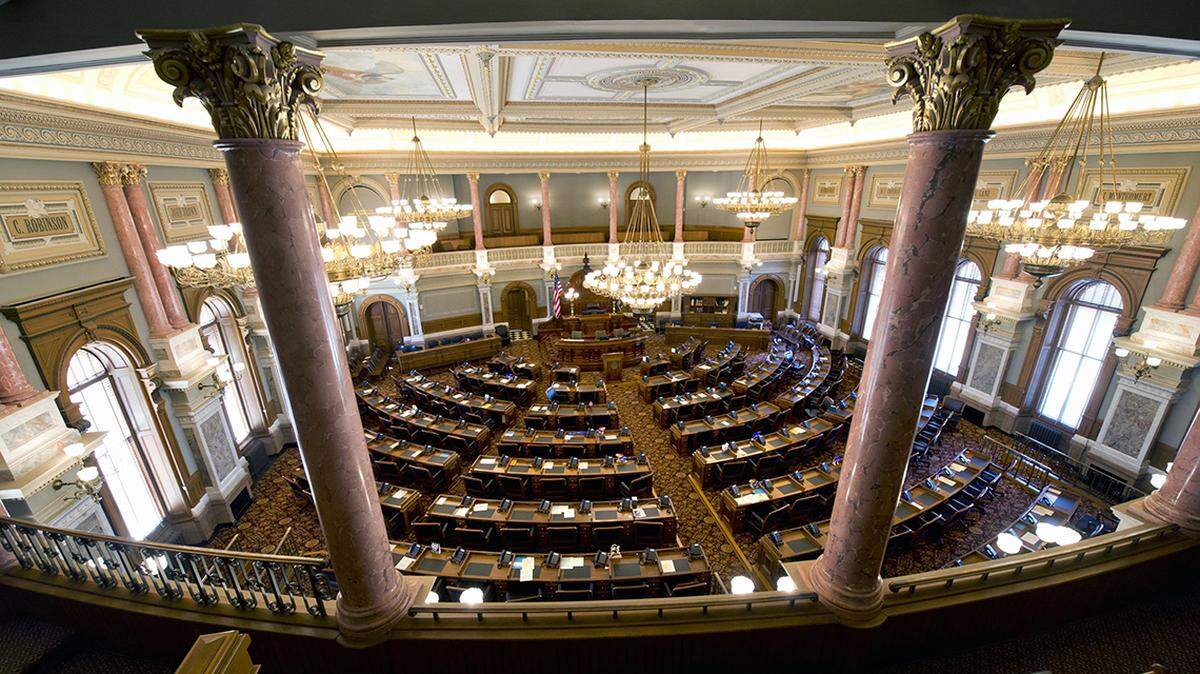
As Kansas Rep. Aaron Coleman faces a charge of misdemeanor domestic battery, recent history suggests that his colleagues in the legislature are unlikely to force him from office.
Since the Wyandotte County Democrat was arrested over the weekend by Overland Park police, legislators — including the top Democrat in the House — have called for his resignation. Those requests echo unheeded demands to leave office that followed previous disclosures of alleged abusive and inappropriate behavior.
The circumstances of Coleman’s arrest remain unclear. The 21-year-old is set to appear before a Johnson County judge Monday afternoon.
Some members of the public have called on legislators to expel him from the House using rarely-invoked rules. Summing up the case for expulsion, Matthew Calcara, who previously ran for the House as a Democrat, said on Twitter that Coleman is “a danger to other legislators, staffers, visitors and anyone else who gets within 20 feet of him.”
But absent a resignation, it will likely be up to Wyandotte County voters in House District 37 to decide whether to remove him from office in 2022.
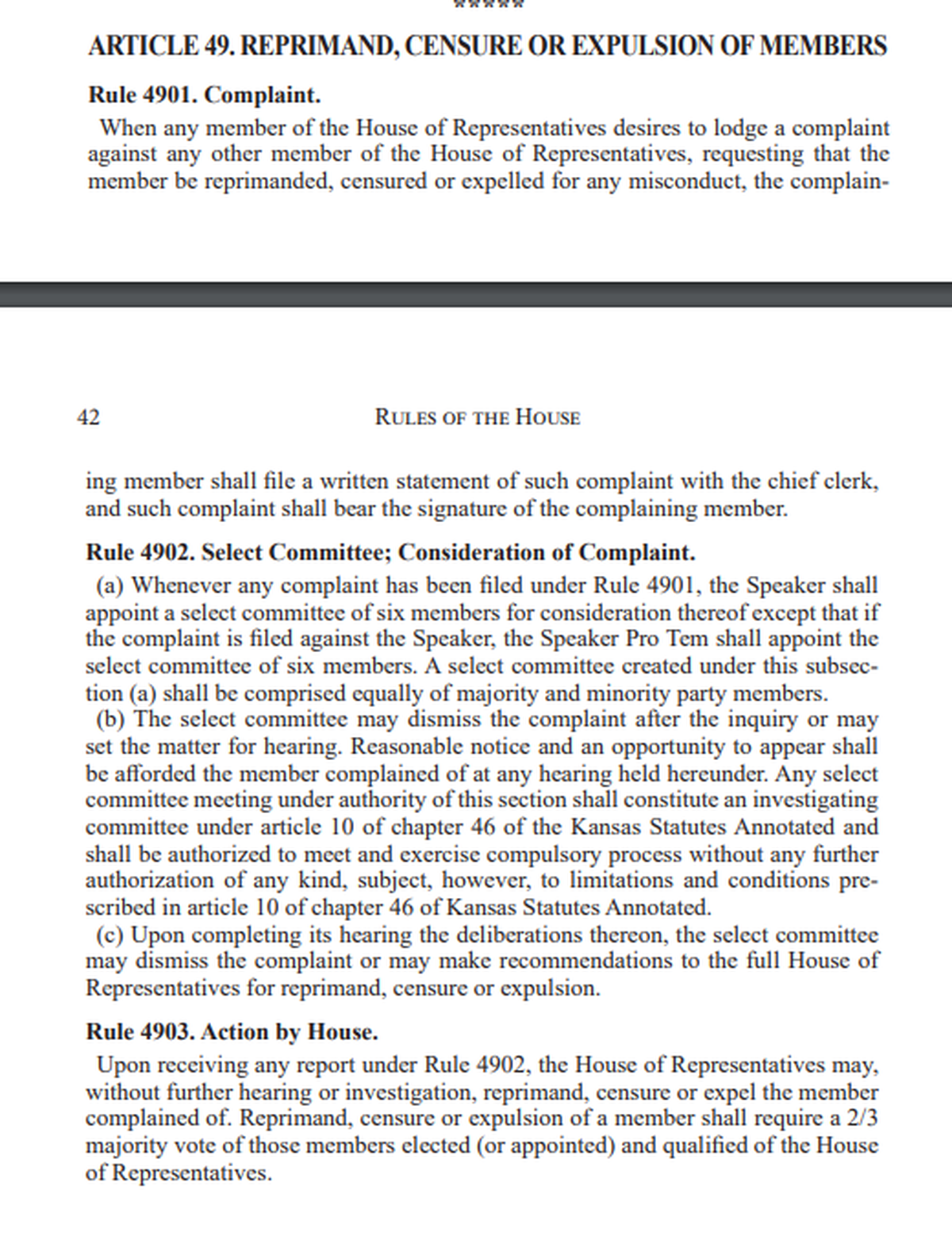
The bar for expulsion by the legislature is high. A legislator must first file a complaint to trigger an investigation by a special committee. The panel can recommend taking no action, or support discipline up to and including expulsion. To expel Coleman, two-thirds of his House colleagues would have to vote to remove him.
Other recent misdemeanor criminal cases involving lawmakers haven’t produced any formal effort to oust the officials.
Rep. Mark Samsel, a Wellsville Republican, pleaded guilty to disorderly conduct after he allegedly kicked a student in the groin while substitute teaching. Sen. Gene Suellentrop, a Wichita Republican, drove the wrong way down I-70 in Topeka while drunk.
Suellentrop pleaded guilty in October to driving under the influence and reckless driving. He originally faced a felony charge of fleeing and eluding law enforcement, but it was dismissed as part of a plea deal. Senate Republicans removed him as majority leader following his arrest, but no one has pursued a formal effort to eject him from office.
Those cases, together with other recent incidents, suggest the Legislature is extremely reluctant to remove colleagues from office, even after acknowledged wrongdoing.
“We’re really good about saying there’s extenuating circumstances but at the same time, we are elected to serve our populace and our constituents expect us to have a certain level of civility, a certain level of civic responsibility,” Rep. Stephanie Byers, a Wichita Democrat, said.
Last year, Byers was part of a group of incoming legislators — all Democratic women — who called on Coleman to resign before he took office.
“Part of that is really because it would give him the opportunity to seek the help and get the help that he needs,” Byers said.
The same group said Monday they would ensure a complaint is filed seeking Coleman’s expulsion if he doesn’t resign.
Lawmakers have options short of removal they could use to discipline Coleman as well. They could vote to reprimand him or censure him.
But, like expulsion, both actions require a two-thirds vote of the full House. In practice, none of the three options are used frequently.
Neither Samsel or Suellentrop have faced formal complaints that could lead to censure or reprimand. Nor was any complaint ever filed against Rep. Michael Capps, a Wichita Republican who was accused of emotionally abusing children. Capps served only one term and has now been indicted on federal charges alleging fraud related to COVID-19 relief dollars.
Coleman has already gone through the complaint process. In January, House Democrats filed a complaint against the freshman lawmaker, triggering an investigation.
The special committee assigned to the case held a single hearing where they received testimony from more than half a dozen individuals who described inappropriate and abusive behavior by Coleman.
The committee found Coleman had engaged in abusive behavior toward women and issued a letter of “warning and admonition” advising him to find a mentor. In a letter to the committee, Coleman said he hoped the sincerity of his words would give the panel confidence that he came to Topeka to work for his constituents.
He concluded: “I understand that if my words and my actions do not match my own ideals that I have publicly set forth today that this Committee will call me back to account.”
This story was originally published November 1, 2021 at 1:20 PM.