How Cerner’s sale of KCK office campus could put Sporting KC on the hook for millions
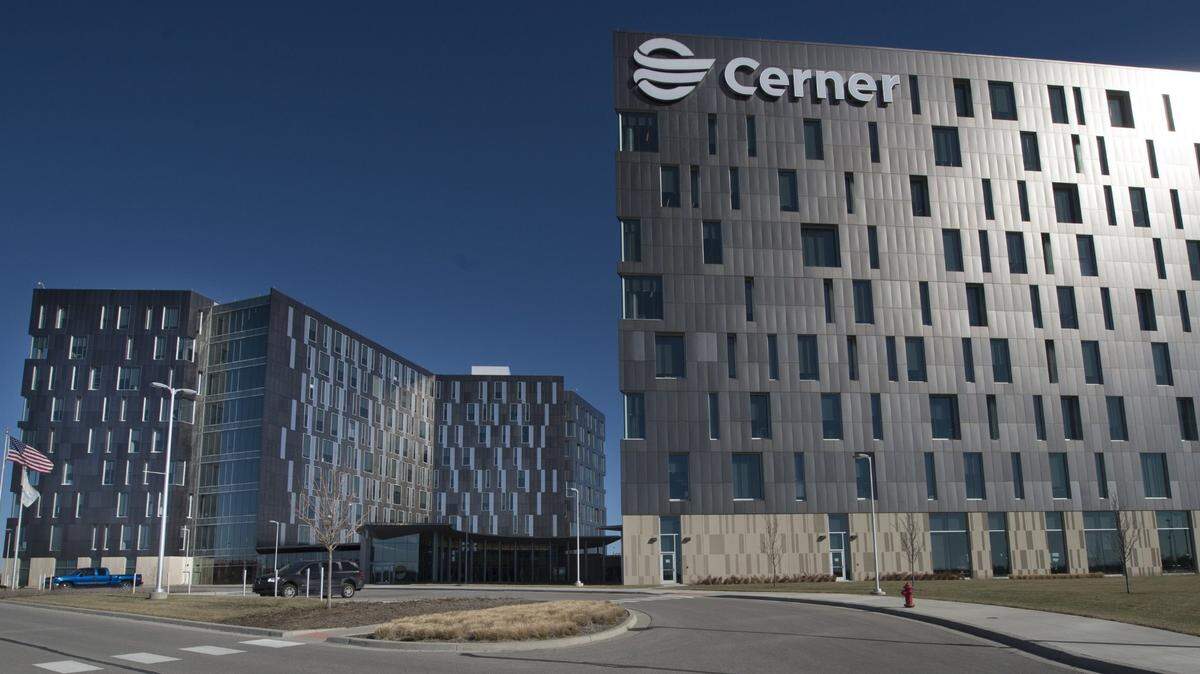
Kansas officials say they may be able to recoup millions of dollars in incentives now that Cerner Corp. plans to leave its Wyandotte County campus.
But the state won’t necessarily get its up-front investment of economic development incentives from Cerner itself. Rather, Sporting Kansas City may be on the hook for up to $15 million because of an unusual and complex arrangement that helped to build the franchise’s soccer stadium and the healthcare IT firm’s office towers near the Kansas Speedway in Kansas City, Kansas.
Though Cerner and Sporting KC entered into separate agreements with local and state governments on their respective projects, both were intertwined from the start.
During the planning process, a new entity, Kansas Unified Development LLC, was created to develop the stadium and Cerner’s office complex. But government officials pushed for some sort of backing from an established and well capitalized firm in the case of a default.
That’s how OnGoal LLC, the parent company of Sporting Kansas City, came into play: it served as a guarantor and is responsible if Cerner’s development does not meet certain payroll requirements, officials said.
Last week, Cerner announced that it would soon list for sale its Kansas City, Kansas, campus, which only opened in 2013. The development was showered with millions in tax dollars because of Cerner’s promise to bring thousands of new jobs to Kansas.
Now, with the company unlikely to meet ongoing payroll obligations, Kansas officials said they are ready to pursue repayment, or clawbacks, on the project.
“As I’ve said before, we uphold our end of agreements, and we expect them to uphold their end,” said Lt. Gov. and Commerce Secretary David Toland.
A Cerner spokeswoman said the company had met its obligations under its economic development incentives agreements with state and local governments. She said the company has no ongoing relationship with Sporting KC.
But ties between the two organizations run deep.
In 2006, OnGoal LLC purchased the Kansas City Wizards from the Hunt family and renamed the team Sporting KC. From the beginning, the organization was linked with Cerner, as top executives such as Neal Patterson and Cliff Illig invested in the soccer team. Though Patterson died in 2017, his family retains an ownership stake in the soccer team along with Illig, Cerner’s retired co-founder and vice chairman.
In a statement, Sporting’s ownership group said they planned to meet their financial responsibilities.
“OnGoal and its ownership group has met all of its obligations associated with the Stadium financing, construction and operation, and it will always continue to do so,” the company told The Star. “OnGoal’s success — regionally, nationally and internationally — remains integrally linked to its passion for a successful community partnership, one that will continue to grow soccer in Greater Kansas City for generations to come.”
But the team could owe a penalty of up to $3 million per year over the next five years because, with Cerner gone, the company will not meet its payroll obligations — and OnGoal is responsible for those obligations. The state won’t look at those calculations for 2021 until early next year, officials said.
In a 2010 agreement with the state, Cerner was awarded $48 million for creating 4,500 jobs at the new campus in Kansas City, Kansas. It was the single largest award ever made in the state’s now-defunct IMPACT program.
The original deal called for Cerner to maintain 4,500 jobs or face a clawback provision for its incentives.
But about a year later, under the administration of Gov. Sam Brownback, Kansas amended its agreement with Cerner. Rather than uphold a certain level of employment, the company only had to guarantee that its payroll tax collections could pay back the original incentive amount.
Toland sees that as yet another irresponsible move by the previous administration. The change removed teeth from the original agreement and no longer required that Cerner maintain a large employment base in Kansas.
Cerner remains in compliance with terms of the amended state agreement.
The company never met its original jobs goal and employed just over 3,000 people at its height, officials said. The largest private employer in the area, Cerner employs about 13,000 people locally and some 26,000 people across the globe.
The commerce secretary said the current Democratic administration has been working to “fix far-reaching problems” left behind by Brownback and his successor Jeff Colyer.
“This is yet another example,” Toland said. “The original incentive agreement with Cerner appropriately balanced public and private interests, and included meaningful safeguards to protect Kansas taxpayers. The dismantling of those protections shortly after Sam Brownback took office was unconscionable.”
In another unusual arrangement, the state won’t actually be responsible for collecting any clawbacks on the project. That responsibility will fall on the Unified Government of Wyandotte County, Kansas City, Kansas.
In 2010, the UG signed an agreement with the state that calls for county officials to use “reasonable efforts” to enforce the clawback provisions of the state agreements.
“As it stands now the UG would be required to enforce the clawbacks. However, all of the funds would actually go to the state,” said Katherine Carttar, economic development director for the unified government.
Local and state officials are disappointed in Cerner’s decision to walk away from their only location in Kansas. But Carttar said the campus still helped the development of the wider Village West area.
While the state gave Cerner nearly $50 million in incentives, the UG offered no local property tax incentives. The $144 million in STAR bonds awarded to help build the soccer stadium was not only fully repaid, but repaid years ahead of schedule as sales tax collections topped expectations in the Village West area.
And now that Cerner is leaving, Carttar sees a chance to bring a new firm or multiple employers to top tier office space in Western Wyandotte County.
“All of those projects, including these two office buildings, have been paying full property taxes since day one and will continue to do so,” she said. “So this has actually been a very successful project for the Unified Government.”