Crashes spike when Johnson County city removes stoplights: ‘A bad decision,’ some say
Car crashes were relatively rare at the intersection of 91st and Glenwood streets in Overland Park.
There were two in 2018. Three in 2019. But since the city began phasing out the traffic lights there six months ago, there have been eight — the most recent one was Monday, Overland Park police say.
“It’s a lot of crashes in a short time. But I don’t find it that surprising that there were that many crashes,” said Donna Palatas, who lives a couple of blocks from the intersection and has been fighting to have the lights restored.
City traffic engineers recommended removing the signals, saying traffic is light enough and the equipment was old. They also wanted to make way for a new bike and pedestrian trail along 91st Street. The City Council voted 10-2 in March to remove the signals at both the Glenwood intersection, as well as at 91st and Lamar Avenue.
Now the intersection is a two-way stop, with stop signs for north and southbound traffic on Glenwood Street. East and westbound traffic on 91st Street does not stop.
But Palatas argued that the jump in crashes shows that removing the lights was a dangerous decision. Her Change.org petition fighting for the traffic signals to stay has gained more than 300 signatures.
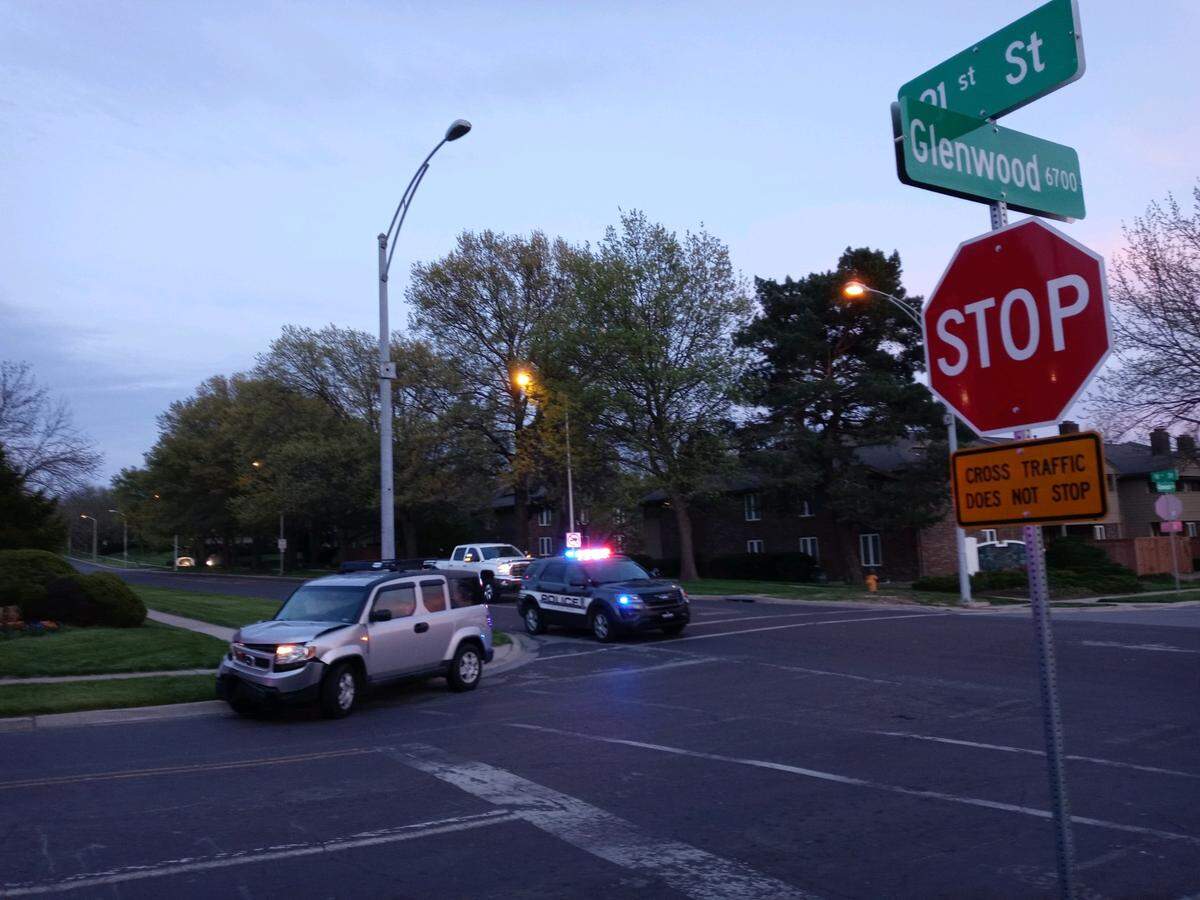
“Glenwood is considered a secondary street, but it’s a main thoroughfare for residents to get to retail establishments, the Walmart Neighborhood Market and other stores on Metcalf,” Palatas said. “The traffic signals being removed has been a huge change to my quality of life. I immediately knew it was going to cause problems.”
Out of the eight crashes there since October, three resulted in injuries and two were reported to have resulted in possible injuries, according to police.
“Since they implemented this, there have been several crashes there. How much do you insist on a bad decision?” said Councilman Faris Farassati, who voted against removing the lights. Councilman Scott Hamblin was the second “no” vote.
The city has been monitoring the traffic volume at the intersection for years, staff said, knowing that the lights were at least 30 years old and were reaching the end of their lifespan. In October, staff began studying whether it would be safe to remove them.
First, the signals were changed to have flashing lights, and three crashes were reported shortly after in November. City officials felt that the wrecks were mostly caused by confusion over the flashing lights and drivers not knowing when to pass through the intersection.
After that, the lights were turned off.
“This is not uncommon during the initial phases of removal and time has shown that this may have been a cause of drivers who had a previous expectation that cross street traffic would stop,” a city report stated.
Three more crashes occurred before the City Council voted to permanently remove the lights in March. One of those was the result of a driver losing control of their vehicle after hitting ice, officials said.
“There are a lot of different things at play here,” said Councilman Jim Kite, chair of the public works committee. “I don’t think you can necessarily draw the conclusion that the absence of the traffic light is causing this.”
“If this was a brand new intersection, such as on a road with a new development in southern Overland Park, we wouldn’t put a light there. There isn’t enough traffic volume to warrant a light.”
Some city officials have defended the decision to remove the lights, chalking up the spike in crashes to a learning curve.
But Palatas and other neighbors argue that the intersection needs better traffic control. She also worries about pedestrians, including children walking from Bethany Lutheran School off Lamar Avenue.
“I think the reason for the crashes was because it’s too difficult for drivers to find a break in traffic. Glenwood drivers would try to get onto 91st Street, but it’s too difficult to find a break, so they take a risk. And that risk sometimes doesn’t work out,” she said.
At the intersection of 91st and Lamar, where traffic signals were removed and a four-way stop replaced it, no crashes have been reported. That intersection has a higher traffic volume than the one at Glenwood.
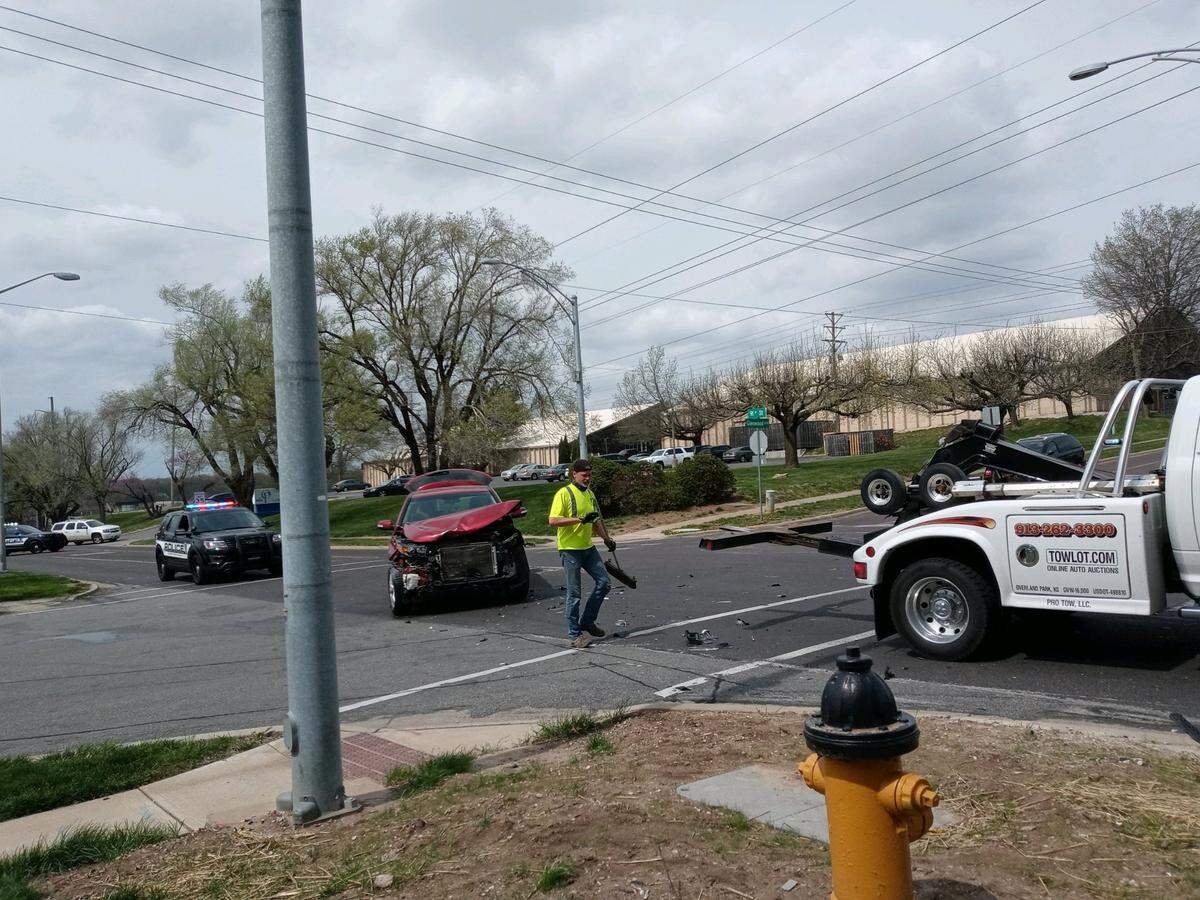
Palatas argued that too many vehicles cut through the intersection, to get to and from major retailers on Metcalf Avenue, for it to be safe to go without a stoplight. City staff determined that 9,000 vehicles travel on 91st Street through that intersection each day, and 2,700 pass through on Glenwood.
Neighbors expect the traffic count to continue increasing when COVID-19 ebbs, especially as the area continues to be redeveloped. Some expect the Promontory Apartments and new development on Metcalf to continue adding traffic to the area.
Earlier this month, a developer revealed plans for an entertainment complex at 91st and Metcalf, including pickleball, food and bars.
But Bruce Wacker, traffic engineer, said that the intersection has failed to meet several criteria the city uses to determine whether traffic lights are needed.
“We’ve looked at (that traffic volume) prior to the pandemic years and during this pandemic, and we still believe there needs to be significant growth of traffic volume on Glenwood to be able to warrant traffic signals there,” he told the City Council last month.
Palatas has accused city officials of prioritizing the desire to make way for a new 1.5-mile bike-pedestrian trail, running along 91st Street from Nall to Lowell avenues.
In light of the recent crashes, City Councilman Chris Newlin said he would support the public works committee revisiting the issue.
“I think it would be incumbent upon the committee to maybe have a discussion about what’s going on,” Newlin said. “I think the frequency of the crashes has gone down recently, so that’s good. But it would still be good to have that conversation.”
Kite said he plans to ask staff to provide an update on the intersection to the committee as early as next month.
This story was originally published April 28, 2021 at 5:00 AM.