‘Thousands of homes in a place like Kansas City.’ Biden plan goes big on housing
Kansas City leaders say President Joe Biden’s proposal to spend more than $200 billion on affordable housing could mean thousands of new homes in Missouri’s largest city.
Biden unveiled Wednesday a nearly $2.3 trillion, eight-year infrastructure proposal, his next major priority after passing the COVID-19 relief plan last month.
Roughly $213 billion would go toward affordable housing as part of Biden’s goal “to produce, preserve, and retrofit more than two million affordable and sustainable places to live,” according to the White House fact sheet.
That’s nearly double the $115 billion proposed to modernize roads and bridges, which is likely to rankle Republicans who have raised concerns about the cost and scope of the package.
But Missouri Democratic Rep. Emanuel Cleaver, who spent his childhood in public housing, said the treatment of housing as infrastructure is long overdue.
“I am just ecstatic over the fact that housing, affordable housing, is finally being recognized as part of the American infrastructure. It is now getting the attention that frankly it should’ve gotten decades ago,” said Cleaver, a former Kansas City mayor who chairs the House subcommittee that oversees housing policy.
“It’s going to change the whole complexion of the urban core. If you come to Kansas City, I can take you through 1,000 vacant lots,” Cleaver said. “I think you’re going to see houses go up on those vacant lots.”
He credited California Democratic Rep. Maxine Waters for raising the issue with the White House and Democratic leadership.
The Biden plan proposes $40 billion to improve the public housing system and $20 billion in tax credits for construction and rehabilitation of 500,000 homes for low and middle income buyers. It also calls for the production or preservation of more than a million energy-efficient homes through a combination of grants and tax credits.
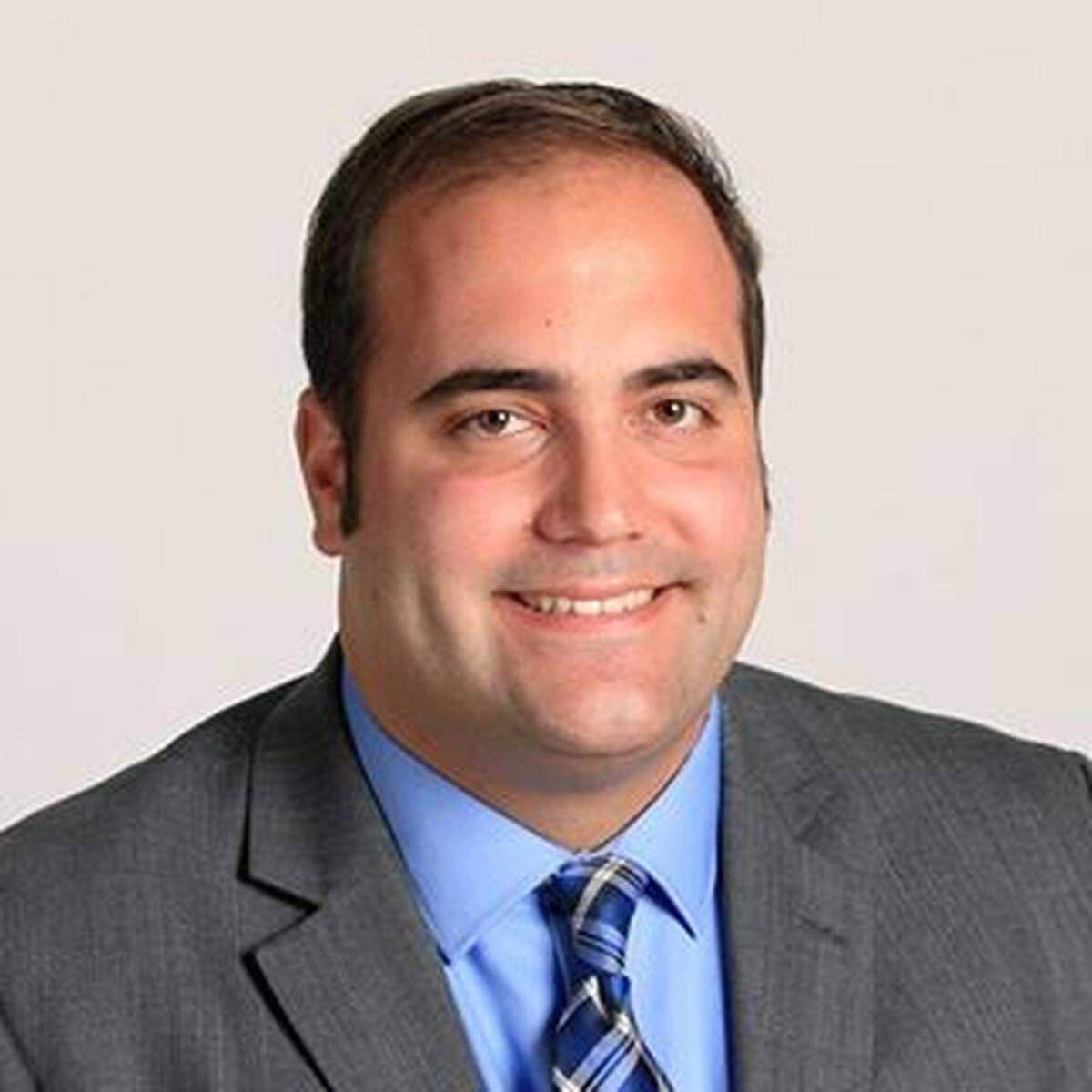
Kansas City Mayor Quinton Lucas said these proposals mean “thousands of homes in a place like Kansas City.”
Dueling definitions of infrastructure
KC Tenants director Tara Raghuveer, whose organization met with Cleaver earlier this week, said the proposed funding is a good start. But, she said, it isn’t enough to be transformative.
“There needs to be a fundamental shift in this country away from the treatment of housing as a commodity to treating housing as a public good,” Raghuveer said.
In addition to the money for affordable housing, Biden’s plan steers $111 billion toward ensuring clean drinking water in homes and schools, in part by eliminating lead pipes, and another $100 billion on upgrading the electric grid.
Democrats say these proposals are crucial infrastructure spending, but Republicans have panned the amount of non-transportation spending in the plan.
“With ONLY 6% of this package going towards roads and bridges, this is hardly an infrastructure package. The Democrats should call this the ‘Grab your Wallet Bill’ or the ‘Raise your Taxes Bill,’” Kansas Republican Sen. Roger Marshall said in a statement Wednesday.
Marshall’s office did not respond to a more specific question about affordable housing Thursday.
Missouri Republican Gov. Mike Parson also questioned the scope of the plan. “I don’t think it’s just about roads and bridges. I wish it was,” Parson told reporters Thursday.
South Dakota Gov. Kristi Noem, who will headline the Kansas Republican Party convention in Manhattan later this month, explicitly attacked the housing spending during an appearance on Fox News Wednesday evening.
“I was on a call with the White House today with all of the governors talking about the specifics of this package and I was shocked by how much doesn’t go into infrastructure,” Noem told host Sean Hannity.
“It goes into research and development. It goes into housing and pipes and different initiatives, green energy.”
Cleaver rejected this criticism and pushed back on Republicans’ narrow definition of infrastructure.
“Thinking about roads and bridges alone is like thinking about a human being by dealing with their fingernails and the hair and ignoring all of the intricacies of the human body that make us who we are,” Cleaver said.
“Now what parent in their country does not love their children enough to say I don’t want lead paint or pipes in the schools?”
Kansas City’s plans
But Biden’s plan still faces an uncertain future unless he can win over GOP support in the 50-50 Senate, which requires 60 votes for passage of most legislation.
On the House side, two Kansas City area lawmakers could be heavily involved in the negotiations over the package. Missouri Republican Rep. Sam Graves and Kansas Democratic Rep. Sharice Davids are both high-ranking members of the House Transportation and Infrastructure Committee who met with Biden on the proposal last month.
Cleaver predicted that he and Graves would be closely aligned on the proposals for roads and bridges, but at odds when it comes to housing.
Graves’ spokesman pointed to the comments the Republican made during a recent hearing with Transportation Secretary Pete Buttigieg when asked about Biden’s proposal.
“I hope that as this committee works on our next major bill, we remember to prioritize transportation infrastructure, and that we don’t reduce our core programs — roads, bridges, ports, airports, and rails — to an afterthought. There are ways we can work together to reduce transportation emissions and protect our environment, but this Committee’s focus should be transportation,” Graves said last week.
Davids put out a general statement calling Biden’s proposal “a strong starting point,” but did not immediately comment on the housing provisions Thursday.
Lucas said one focus for Kansas City if the proposal becomes law will be to ensure affordable housing along the Streetcar and other public transit lines.
“Buses, trains are incredibly important. But they become much, much more important if we’re linking job opportunities to them… and housing opportunities,” Lucas said. “What we don’t want to see in Kansas City is every Streetcar stop to be wholly unaffordable.”
He said the proposed transportation spending, including a combined $165 billion on public transit and railways, would potentially allow Kansas City to pursue a regional commuter rail system—similar to the ones found in other major cities like Boston and Chicago, whose mayors he joined on a White House call Wednesday.
“Rail from downtown Kansas City to Lawrence, downtown Kansas City to Olathe,” Lucas said.
The Star’s Cortlynn Stark and Jeanne Kuang contributed to this report.
This story was originally published April 1, 2021 at 4:17 PM.