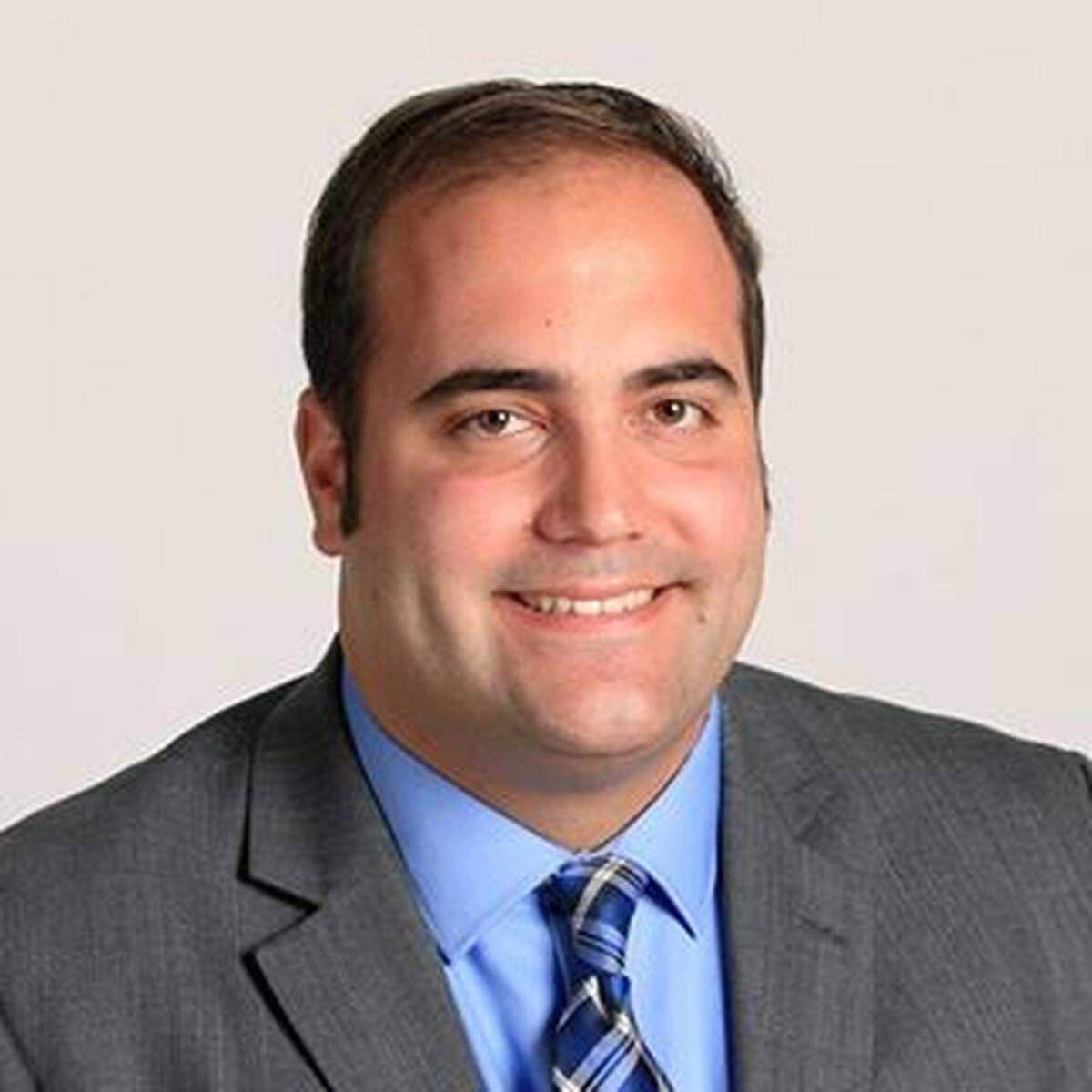
Roger Marshall seeks battle on transgender student-athletes in COVID-19 vote-a-rama
Kansas Republican Sen. Roger Marshall wants to amend President Joe Biden’s COVID-19 bill to prohibit funds from going to schools that allow transgender student-athletes to participate in women’s sports.
He also wants to include language that bars paycheck protection money from going to abortion providers and to prohibit higher education institutions from using relief funds for students who entered the country illegally.
Marshall has proposed 20 amendments to the $1.9 trillion stimulus package. Some focus on steering more money to Kansas and to rural communities. Others wade into the cultural battles that have defined Marshall’s first few months in the Senate and are likely meant more as messaging tools.
It is unclear how many of Marshall’s 20 amendments will receive a vote as the Senate prepares for a marathon Friday debate on amendments to the bill. The “vote-a-rama” will likely last into Saturday.
The 50-50 makeup of the Senate means that Marshall would need at least one Democrat to join to pass one of his amendments if it won the support of every Republican. GOP leadership will control which Republican amendments are voted on early in the process, but Marshall could theoretically try to force votes on each of his 20 proposals.
By comparison, Kansas Republican Sen. Jerry Moran has five amendments. Missouri Republican Sen. Roy Blunt has one, while Missouri Republican Sen. Josh Hawley currently has none.
All four senators from the region are likely to oppose the final bill regardless of how it is amended.
Other Republicans have proposed even more amendments than Marshall. Wisconsin GOP Sen. Ron Johnson, who Thursday demanded the entirety of the bill be read aloud on the Senate floor, has offered more than 100.
The most significant of Marshall’s amendments regarding COVID relief would revise the formula for state aid so that it is based solely on population. This would address the concerns raised by Kansas Gov. Laura Kelly and Missouri Gov. Parson about the fairness of the bill’s current formula, which pegs funding to a state’s share of the total unemployed workforce.
Kansas would receive $1.6 billion under the current formula, while Missouri would receive $2.8 billion. Marshall’s proposed change would boost those figures for both states.
Marshall said the population-based formula, used in last year’s relief bill, would lead to an additional $400 million for Kansas on top of the current estimates. Otherwise, that money would go toward other states as part of the $350 billion the bill steers to state and local governments.
“Radical Democrats still want to bail out mismanaged states at the expense of taxpayers with dollars distributed in an unfair manner,” Marshall said.
Another Marshall proposal would establish a $1 billion pool to help small businesses in rural areas.
But the Marshall amendments likely to cause the most controversy target cultural debates, including his proposal to “prohibit the Secretary of Education from providing funds to institutions that allow for the participation of transgender athletes in female sports.”
The idea is similar to one offered by Marshall’s 2020 GOP primary rival, former Kansas Secretary of State Kris Kobach, during their heated Senate contest.
Marshall has repeatedly railed against transgender students’ participation in school athletics during his first weeks in the Senate and cited it as his reason for opposing Secretary of Education Miguel Cardona’s confirmation earlier this week.
“As an OBGYN, who has raised a daughter and coached countless girls in various sports, I have always stepped up for women and always fought to make sure they get an equal opportunity,” said Marshall in a Fox News column this week. “I find it unfair and quite frankly un-American that this new administration is allowing biological boys to compete against biological girls in sports.”
LGBTQ advocates in Marshall’s home state say his amendment is part of a pattern of Republicans bullying transgender youth.
“This is an attack on transgender children. Almost all of these anti-trans measures we’ve seen since (same-sex) marriage became legal have been attacks on kids,” said Tom Witt, the executive director of Equality Kansas, the state’s leading LGBTQ rights organization.
“The only target they have left is little kids and frankly they just need to start picking on people their own size. This bullying needs to stop.”
State Rep. Stephanie Byers, the first transgender person to serve in the Kansas Legislature, said transgender teens are five times more likely to attempt suicide than their peers and that Marshal’s legislation would only serve to increase feelings of alienation among transgender youth.
“I’m embarrassed that Roger Marshall is my senator,” said Byers, a Democrat from Wichita, who contended that her own election in November makes a statement that Kansans are more supportive of transgender rights than Marshall realizes.
Byers said Marshall should instead focus his legislative energy on steering aid to laid off aviation workers in Wichita.
Human Rights Campaign president Alphonso David said Marshall’s amendment seeks to throw “a wrench into the works of a broadly popular bill that would provide $1,400 to everyday Kansans who need it, economic relief to struggling small businesses and farmers and public health assistance in the midst of a global pandemic.”
Marshall’s office defended the amendment as relevant to the overall bill. With $170 billion in the bill steered toward education, Marshall “wants to ensure public schools that receive this money are not being rewarded for implementing the radical social policies that allow biological boys to compete in girls’ high school and college sports. Senator Marshall’s amendment protects equal opportunity for female high school and college athletes,” his spokeswoman said.
Another education funding amendment from Marshall would bar relief funds to higher education institutions that partner with the Confucius Institute, a controversial cultural program at universities that has ties to the Chinese government.
Both the University of Kansas and Kansas State University terminated their relationships with the program in 2019, but more than 50 Confucius Institute programs remain in operation at universities throughout the nation, according to Marshall’s office.
Marshall’s spokeswoman said that the program puts the U.S. at risk for espionage and exposure to propaganda and therefore “we should not be giving funding in a COVID relief bill to universities who partner with Confucius Institutes.”
This story was originally published March 5, 2021 at 3:32 PM.