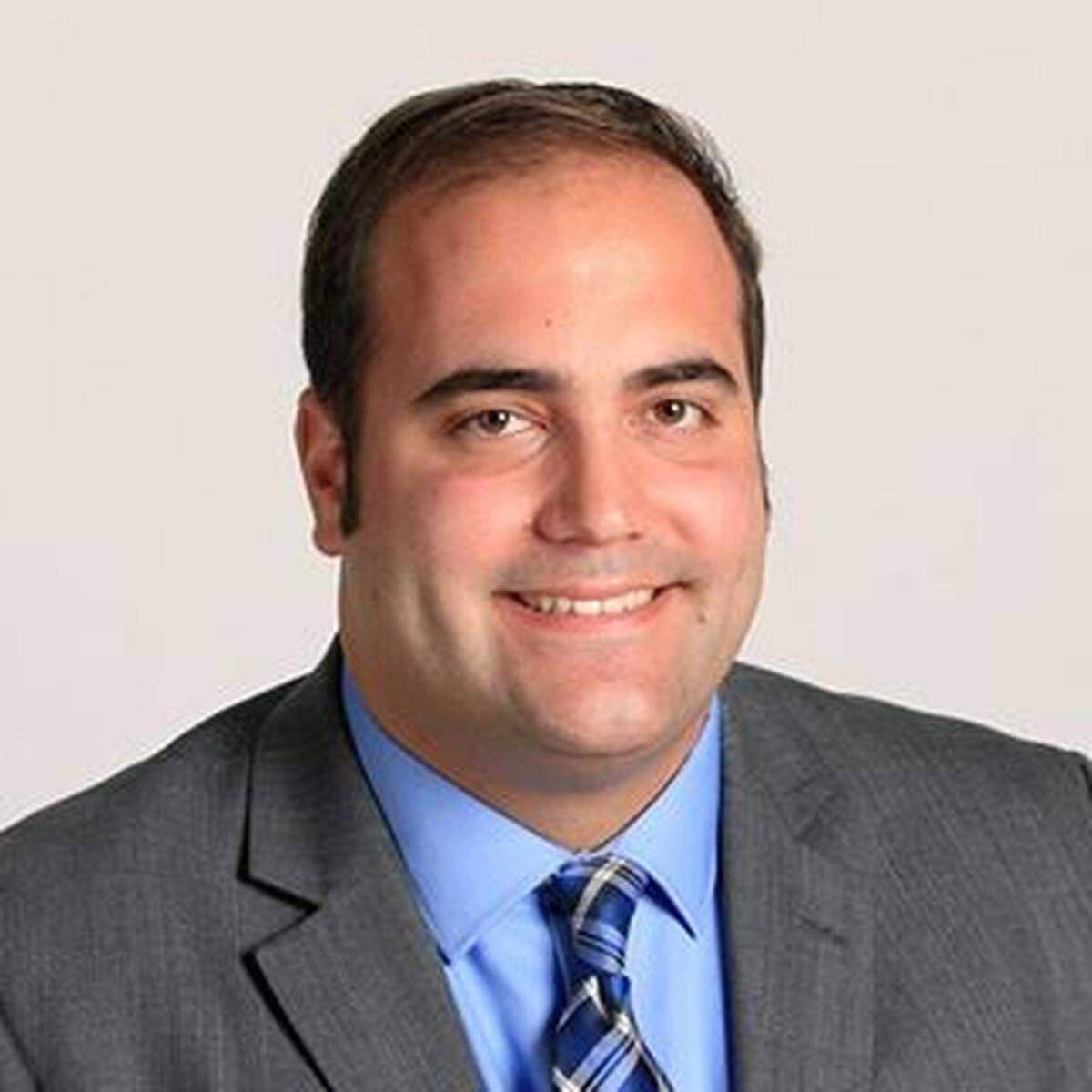
Roger Marshall beats Bollier in U.S. Senate race on strength of rural vote
Kansas Republican Rep. Roger Marshall triumphed over Democrat Barbara Bollier in the hotly contested race to succeed retiring Sen. Pat Roberts.
Marshall, a Great Bend OB-GYN and two-term congressman, led Bollier 53 % to 42 % with 96% of precincts reporting and was declared the winner by the Associated Press around 10 p.m. Libertarian Jason Buckley drew 5 % of the vote.
The race during a global pandemic pitted two doctors against each other. The candidates adopted strikingly different tones about COVID-19 and approaches to campaigning in the face of the virus.
Speaking to supporters at the Cyrus Hotel in Topeka Tuesday night, Marshall became emotional when talking about the challenges facing the nation. He said on the way from his final campaign events in Wichita Monday he asked his children how 2020 would be written about in history books.
“Is it going to be remembered as the year of sickness and chaos, and riots? Will it be remembered as a year of a lost trust? Is this the year that our youth lost trust in us, elders. Will it be remembered as a year of hopelessness and confusion? Will it be remembered as the year that a virus struck and caused the sun to set on the great American Republic?” Marshall asked. “That answer’s no.”
Marshall said 2020 would be remembered “as America’s greatest moment... that this is the year we all pitched in and we did our part to help our neighbors, to love our neighbors even in the time of a crisis, in the time of a pandemic.”
Marshall briefly suspended in-person events in March, but since May he most ran a traditional barnstorming campaign with an aggressive schedule of public events across the state.
Bollier, a retired anesthesiologist and state senator from Mission Hills, relied mostly on virtual events for most of the campaign before proceeding with a tour of “lawn chair chats” in September with strict mask and social distancing rules.
Images of Marshall without a mask at some these events generated criticism, but Republicans say Marshall’s decision to pursue a normal campaign in an abnormal year was key to his victory.
“She was holed up in home,” said Kelly Arnold, the former chairman of the Kansas Republican Party who first floated Marshall as likely successor to Roberts in 2018.
“You kind of have to adapt to times, but you can’t get away from pressing the flesh and shaking the hands with voters, especially in the rural parts of Kansas.”
Marshall’s team said the rally and door-knocking approach enabled them to overcome their severe cash disadvantage in the race.
Bollier raised a record $24.5 million as of mid-October, more than four times Marshall’s $5.9 million, enabling her to spend heavily on TV ads, especially in the Kansas City market.
“She’s outspending us 250 % on TV… where are we going to make it up? We were going to make it up because we were actually at people’s doors,” said Brent Robertson, Marshall’s chief of staff.
“I think in the age of COVID and the year that we’ve had, having respectful door knockers who wear masks at the door, stand 10 feet back… That’s a really impactful thing,” Robertson said, contending that Kansans isolated in their homes appreciated the personal contact with the campaign.
But Bollier also faced a barrage of attacks from Republican groups.
The historically expensive contest to replace retiring GOP Sen. Pat Roberts saw outside groups cumulatively spend more than $50 million this cycle with the bulk of the post-primary spending coming from GOP groups targeting Bollier.
Republican ads in the final weeks focused on Bollier’s comments in praise of Australian gun restrictions at an Olathe event and her rocky performance in an Oct. 22 debate in Wichita.
State Rep. William Sutton, a Gardner Republican, said these attacks were effective in driving GOP turnout.
“I know in my area, when they used Barbara Bollier’s voice in her direct speech talking about Australia, holy cow. I mean that was extremely motivating for a lot of people,” Sutton said.
Bollier, a former Republican who switched parties in 2018, had spent a decade in the Kansas Legislature before her run for Senate. In a concession statement, she reflected on the crises
“My time in public service was bookended by national crisis, beginning with the Great Recession in 2010 and ending with a pandemic that still rages on. For all the challenges, there were so many proud moments of statesmanship and pure joy in working on behalf of a state we all love. It was the honor of a lifetime to serve you,” Bollier said.
The results highlight divisions between the Kansas City metro, which has been trending toward Democrats in recent years, and the rest of the state, which still leans heavily Republican.
Bollier led early in the evening after winning Johnson County, where she resides, by 7 percentage points.
But an early warning sign that Bollier would falter statewide was that she received fewer votes in the county than former Vice President and Democratic Rep. Sharice Davids.
Bollier was unable to withstand Marshall’s strength in rural Kansas.
Marshall’s campaign had engaged in a “hold the fort” strategy, focusing its resources on turning out voters in rural Kansas and the Wichita area.
“I can tell you as a kid from Beloit, probably the No. 1 voting issue for people from Beloit is has this person been to Beloit,” said Marshall’s campaign manager Eric Pahls, a native of central Kansas. “It really matters that you show up.”
Kansas Republicans have won every Senate race in the state from 1936 through 2020, the longest winning streak of any state party in the nation.
Marshall, the co-founder of Great Bend Regional Hospital, survived a fierce primary against former Kansas Secretary of State Kris Kobach, the party’s 2018 nominee for governor. Republican strategists argued at the time that Marshall’s primary victory would ensure success in November, a theory proven correct on Tuesday night.
Marshall is the fourth congressman from the sprawling 1st Congressional District to make the jump to the U.S. Senate since it was reorganized as the western Kansas seat following the 1960 Census.
His predecessors— Roberts, former Senate Majority Leader Bob Dole and Sen. Jerry Moran— all served as key campaign surrogates during the race.
“This was a tough and historic campaign, both primary and general election,” Roberts said Tuesday. “Roger proved he has grit. He’s a fighter, and I expect him to continue the fight in the Senate for agriculture, aviation, our armed services and affordable healthcare. I wish Roger all the best as he becomes Kansas’ next United States Senator.”
The Star’s Jonathan Shorman and Lisa Gutierrez contributed to this report.
This story was originally published November 3, 2020 at 7:07 PM.