Overland Park City Council has shifted. Will development deals be harder to approve?
There’s a clear divide on the Overland Park City Council — one that will likely grow deeper now that three new council members were sworn in Monday.
Before, when the City Council considered tax incentives for private developments, discussions often ended the same way — with palpable tension and an 11-1 or 10-2 vote, approving the deal. But many argue the status quo is about to be shaken up.
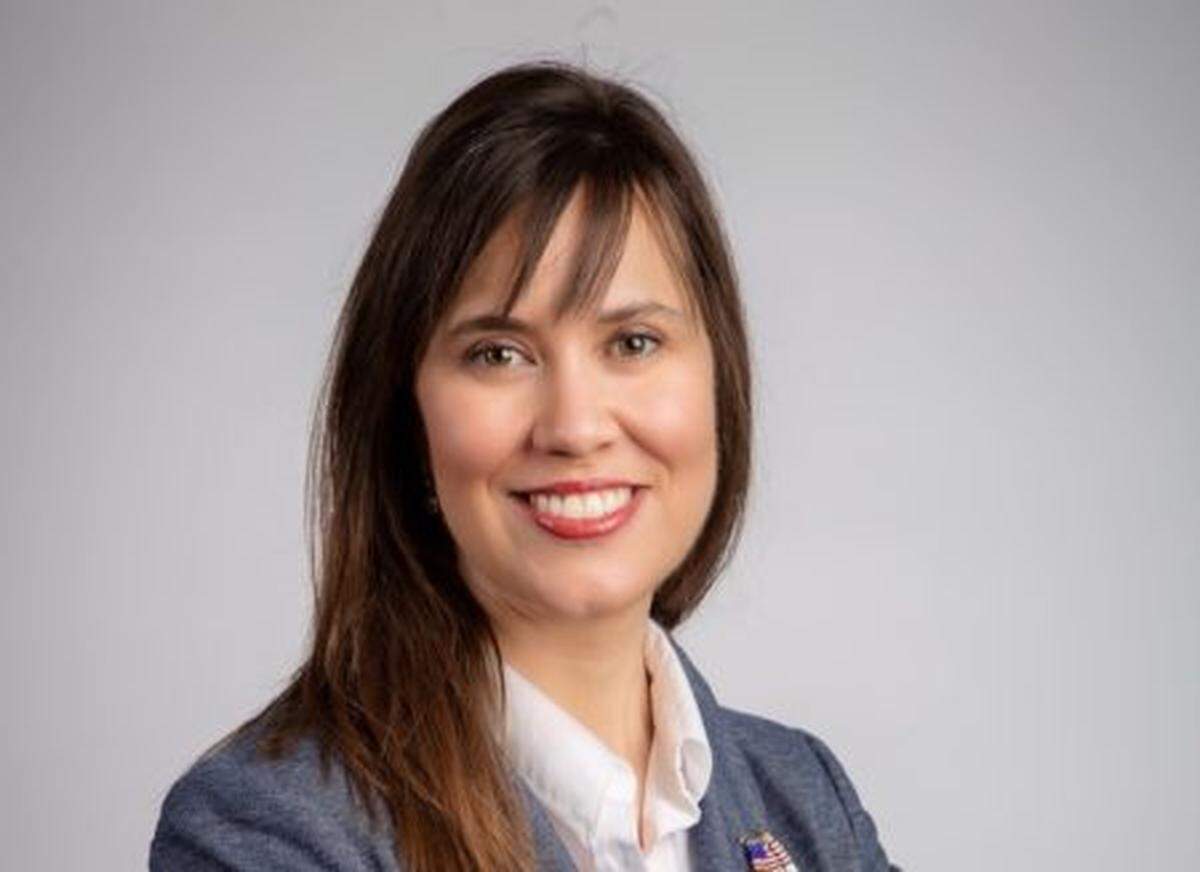
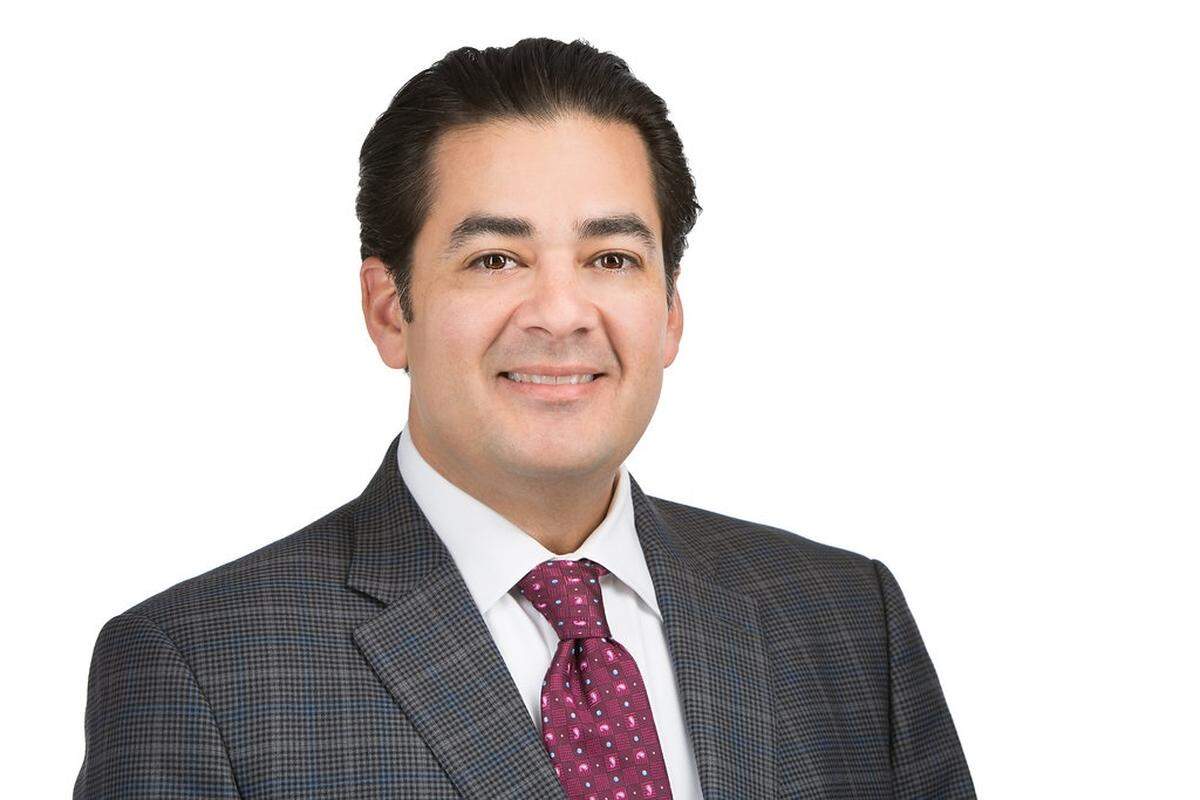
Scott Hamblin, Holly Grummert and Tom Carignan were sworn in Monday night, replacing, respectively, Rick Collins and Terry Happer Scheier, who lost their seats, and Dave White, who retired.
“I think you’re going to have more people on the Council that’ll be opposed to it, and that’ll make it more difficult to get those incentives through,” said 2nd Ward Councilman Paul Lyons, who serves northern Overland Park and won reelection in November.
Mayor Carl Gerlach and a majority of council members argue the city has used tax breaks responsibly, to redevelop stagnant areas and spur economic development by bringing in new jobs and businesses. But a growing number of elected officials and residents are critical of that view.
As citizens call for greater oversight of incentives provided by the state of Kansas, more Overland Park residents have demanded stricter policies for local subsidies, arguing the tax dollars would be better spent on schools, libraries and roads — rather than luxury apartments and shops.
The division in Overland Park mirrors other cities in the area, including Kansas City, where Mayor Quinton Lucas campaigned on limiting tax incentives for several development deals. Other Johnson County suburbs, including Olathe and Shawnee, have faced greater opposition to tax breaks as well, especially as they work to redevelop their downtowns and attract more private investment.
And the issue has become amplified as the Kansas City suburbs continue to grow, compete with one another for new business and grapple with shrinking sales tax revenue.
Overland Park’s shift in perspective
Since winning election in 2017, both Councilman Faris Farassati — who is now running for mayor — and Councilwoman Gina Burke have brought more skepticism to tax break discussions.
They argue projects should only receive incentives if the goal is to rid an area of blight. Many agree it’s hard to find any part of Overland Park that is truly blighted.
Grummert, who now serves in the 1st Ward covering the northern part of the city, said she shares this view.
“It’s important to keep Overland Park growing and keep our businesses vital. But we have to be careful in how we’re moving forward,” she said. “We have to make sure we’re using incentives for situations of blight and following the rules of what incentives are for.”
Carignan agrees each deal should be considered on a case-by-case basis. But he is slightly more supportive of the City Council’s use of tax breaks. He pointed to the $23 million redevelopment of the Cherokee South Shopping Center, at the southwest corner of 95th and Antioch Road, as an incentive-fueled project that is now contributing more to the city’s tax rolls.
While Farassati does not always vote against incentives, he has often been the lone dissenting vote, at times sparring with developers and fellow council members. Hamblin, who now serves in the 6th Ward in southern Overland Park plans to be similarly hard-nosed.
“My opinion on incentives is they need to be used for what they were designed for. And I think we’ve gotten off track on what incentives were designed for,” Hamblin said. “I’m not in support of picking winners and losers by incentivizing specific companies in this border war race to the bottom.”
Before taking office, Hamblin criticized the City Council for approving a 10-year property tax abatement for Dimensional Innovations to expand its headquarters, at 3421 Merriam Drive. The deal passed, with the majority of council members applauding the business for adding jobs and expanding in a slow-to-develop area of Overland Park.
At the December meeting, business leaders said the tax abatement would allow the company to eventually close its facility in Lenexa and move all of its staff to Overland Park. Otherwise, the business might have considered leaving the city.
Farassati was the only official to vote no. He warned against cities fighting for the same business within Johnson County borders. And Hamblin mostly agreed, arguing that an existing, growing company is not worthy of government subsidies.
While deals like this one could be more controversial than they have in the past, tax breaks requiring a majority vote could still go through City Hall with ease. But there could be a shift with approval of bigger development deals, which require a supermajority of nine votes, officials said.
If the council had waited to vote on a $200 million incentive package to redevelop the Brookridge Golf Course until after the new council members took office, for example, it’s likely the deal would have been axed.
In December, Council members approved the $2 billion project aimed at turning the golf course, northeast of Interstate 435 and Antioch Road, into luxury apartments, retail and offices. The deal passed with an 8-4 vote. But then the mayor cast the deciding ninth vote.
“Brookridge is not in a blighted area, and it was by a private developer for private purposes. So I don’t think there are qualifications for incentives there that made sense,” Grummert said. “It’s a great location with great access, so I probably wouldn’t have voted for incentives for that. It doesn’t fit the criteria.”
The City Council approved the first part of the massive project, but the new City Council could be tasked with voting on the next phases of the development.
While incentive packages as large the one for Brookridge are rare for Overland Park, Lyons said larger development deals will likely force officials to be more willing to compromise.
“It might be that incentives have to be defined and include stricter requirements so that they will get their support,” Lyons said. “Or the mayor might be in more of a position to have more of a vote.”
Farassati argued that November’s election results show there is “a move toward independent thought” on the Overland Park City Council.
“The new council is going to shift toward being more immune to the pressure from lobbyists and less sensitive to the special interest groups running the agenda,” said Farassati, who decided to run for mayor after the Brookridge vote. “I do not predict that it will be difficult to develop real estate in Overland Park. But I do predict it’s going to be more difficult if these developments are dependent on tax giveaways.”

Rethinking the housing stock
The City Council has approved several development deals including tax incentives for luxury apartment buildings. Meanwhile, Overland Park faces an affordable housing shortage as more workers struggle to pay rent and mortgages in the booming suburb.
With nearly one in four Johnson County households burdened by the cost of housing, new council members said it’s time for the city to change its focus.
“The public has spoken and it’s pretty clear that they’ve had enough of overpopulating areas with all of these luxury apartments that are all built off of incentives,” Hamblin said.
Council members agree that one of the biggest issues they will tackle in the coming months is how to attract more affordable housing to the city. A consultant, Matthew Petty with the Incremental Development Alliance, has been studying the city’s housing stock and laws to determine the barriers for developers.
He previously said outdated city codes make it difficult for developers to build duplexes, four-plexes and smaller apartment buildings with cheaper rental rates. And with the high cost of construction materials, land and fees, even large apartment complexes often require subsidies to be profitable.
Petty’s final report will be released later this month, city officials said. Then, the City Council will decide whether to move forward with recommendations, which could include changing city codes.
City Council members interviewed said certain types of housing will only be appropriate in certain areas, with some cautious about keeping the characters of both north and south Overland Park intact. But all of the new council members said they are in favor of updating city laws to usher in more affordable housing.
“All of those items are going to be controversial from a resident standpoint. But that’s another area where we have to work through,” Lyons said. “It’s something we’ll have to be careful with and bring people along so they understand what we’re proposing to do.”
Improving transparency
New council members all highlighted the need to improve communication and transparency with the public, especially when it comes to notifying neighbors of new development.
Some officials pointed to last week’s City Council meeting, where after a four-hour discussion council members approved a plan to expand the Overland Park Arboretum and Botanical Gardens. Many neighbors and council members emphasized a lack of communication, arguing the lengthy meeting would have been less arduous if the community received more information in advance.
Several arboretum neighbors said they never received any information about the project because of the city’s limited requirements for notification.
Last fall, the City Council approved a new ordinance, which went into effect this month. It expands the area in which property owners are notified of development from within 200 feet of a project to within 500 feet. Some City Council members said that was a start but did not go far enough.
Carignan said the city could be doing a better job of notifying neighbors about development proposals and explaining how incentives work. Other council members said they plan to hold meetings in their wards and engage with residents more.
And all of the new and reelected City Council members support creating a public comment period at meetings, where residents can bring up city issues that are not listed on the agenda. Overland Park is the only city in Johnson County that does not allow such a period at meetings.
City staff is drafting an ordinance that would set out guidelines, including a potential 30-minute time limit.