‘Giant’ worm seen eating invasive species in Chile in first-of-its-kind sighting
While visiting a forest trail in southern Chile, hikers noticed a “giant” worm in the process of preying on and eating an invasive species. The interaction offered a glimpse into the worm’s “little-known” behavior — and turned out to be a first-of-its-kind sighting.
Researchers visited “two different naturalist trails” around Valdivia in March and May to observe local wildlife, according to a study published Aug. 29 in the peer-reviewed journal Neotropical Biology and Conservation.
During the hikes, researchers had two “opportunistic” encounters: They saw native “giant” planarians Polycladus gayi eating an invasive species of leopard slug, Limax maximus, the study said.
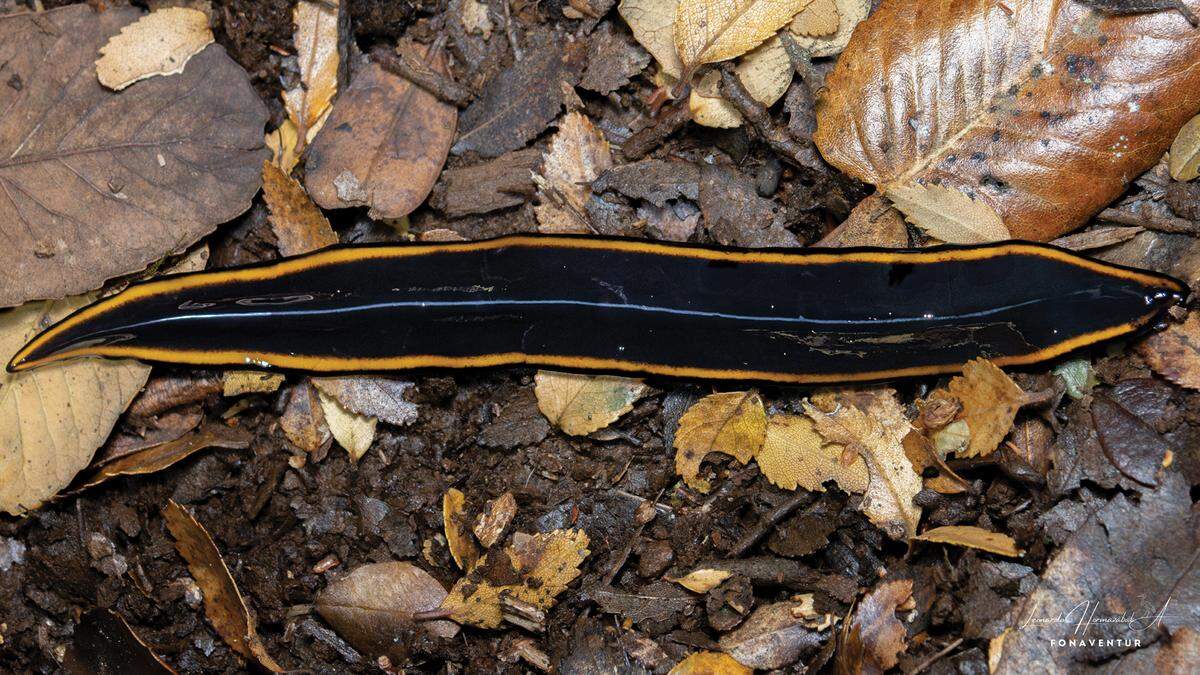
Polycladus gayi is a species of flatworm referred to in Spanish as “lengua de vaca,” roughly meaning ox’s tongue, or “planaria gigante valdiviana,” meaning Valdivian giant planarian, researchers said. These “striking” worms can reach over 6 inches long. They have “black shiny” bodies “decorated with two golden-yellow” bands.
Much about the lifestyle and behavior of Polycladus gayi remains unknown so researchers were excited by the chance sightings.
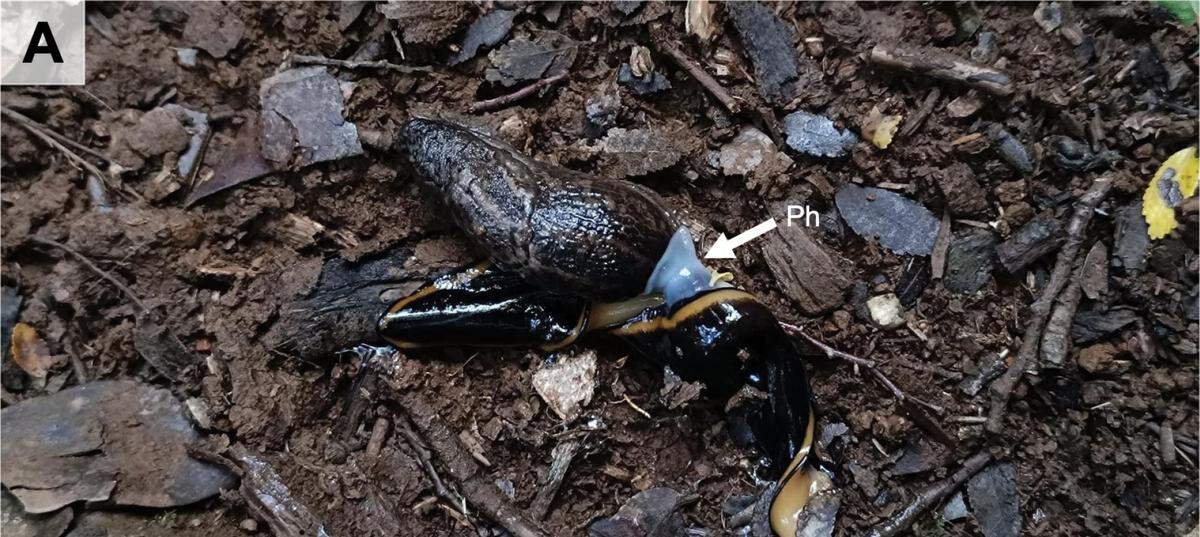
At the Llancahue Nature Sanctuary, researchers watched the giant planarian for “approximately five minutes” and saw it immobilize the slug by wrapping its body around its prey, roughly forming a helix-like tube, the study said. At one point, the planarian “everted” its mouth, or pharynx, located in the middle of its body, to begin consuming the slug.
A photo shows this “predatory behaviour.” The giant planarian’s mouth is white and looks like a suction cup.
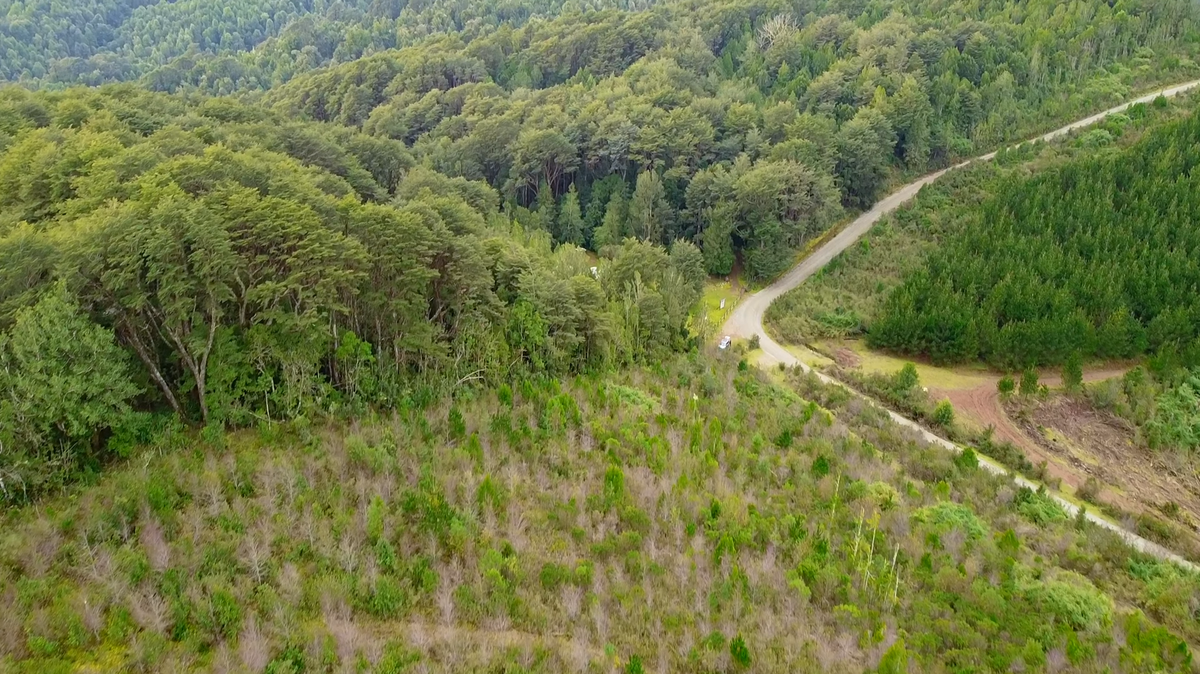
A YouTube video from Walk the South shows the surrounding Llancahue Nature Sanctuary.
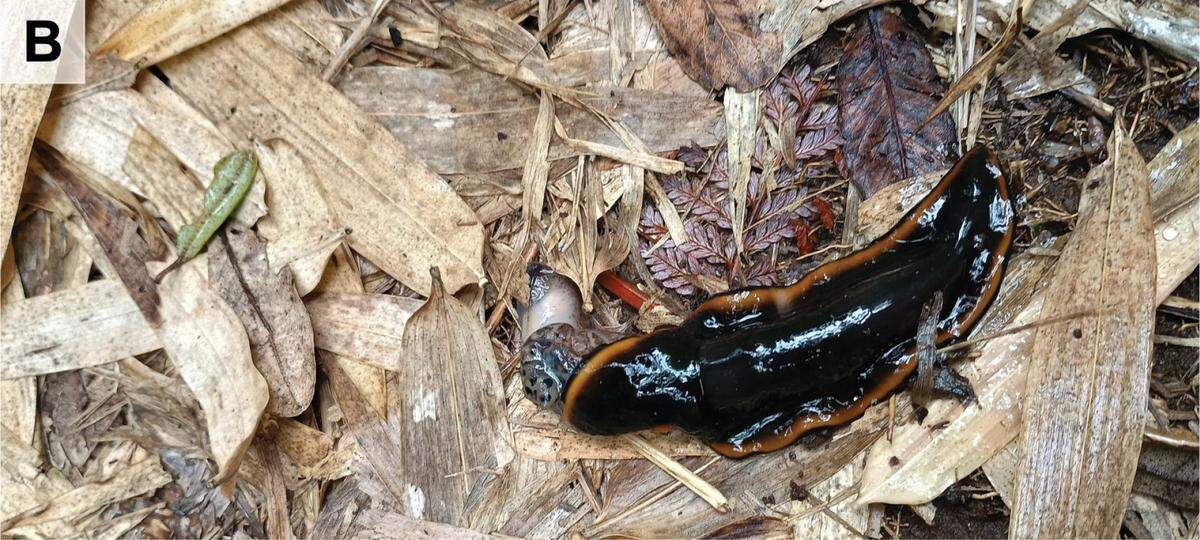
At Los Muermos trail, researchers watched the giant planarian for about two minutes and saw it position itself “over the head of the slug” to immobilize its prey, the study said. A photo shows this style of predation, referred to as “surrounding immobilisation.”
Scientists had long known that Polycladus gayi planarians and the invasive leopard slug had “overlapping habitats” and suspected a predator-prey dynamic might exist between them, the study said. The recent records were the first confirmed examples of this behavior.
Researchers concluded that Polycladus gayi had the “potential” to be a “biological control” on the spread of the invasive leopard slug, especially if these predator-prey interactions are “frequent.”
“These findings broaden our understanding of one of the most remarkable giant soil invertebrates in the native forests of southern Chile, raising new ecological and conservation questions,” the study said.
Valdivia is in southern Chile and a roughly 530-mile drive southwest from the capital city of Santiago.
The research team included Rodrigo Barahona-Segovia, Eduardo Quintanilla Iturra, Camila Meneses Rubio, Pablo Silva-Reyes and Leonardo Hormazábal.
This story was originally published September 3, 2025 at 8:20 AM with the headline "‘Giant’ worm seen eating invasive species in Chile in first-of-its-kind sighting."