Hikers follow map of 1893 expedition — and rediscover a creature not seen since then
A Frenchman with a fascination for bugs. The “controversial” writings of a 93-year-old scientist. A map reconstructed from an 1893 expedition.
The rediscovery of “one of the rarest and most elusive amphibians” in Chile is quite a tale.
Philibert Germain, a scientist studying insects, visited a large estate in southern Chile in December 1893. He arrived at the landowner’s house then hiked along the river, collecting wildlife specimens as he went.
Among Germain’s collections were three frogs, which he sent to Rudolph Philippi, “one of the most important naturalists of Chile during the 19th century,” according to a study published March 6 in the peer-reviewed journal ZooKeys.
Philippi spent over 50 years studying countless aspects of Chile’s environment before his death in 1904. Near the end of his very long life, he finished a paper classifying “an excessively high number” of snake and amphibian species.
Germain’s frog collections were included in the paper and identified as Alsodes vittatus, or the Malleco spiny-chest frog. But here the trail goes cold.
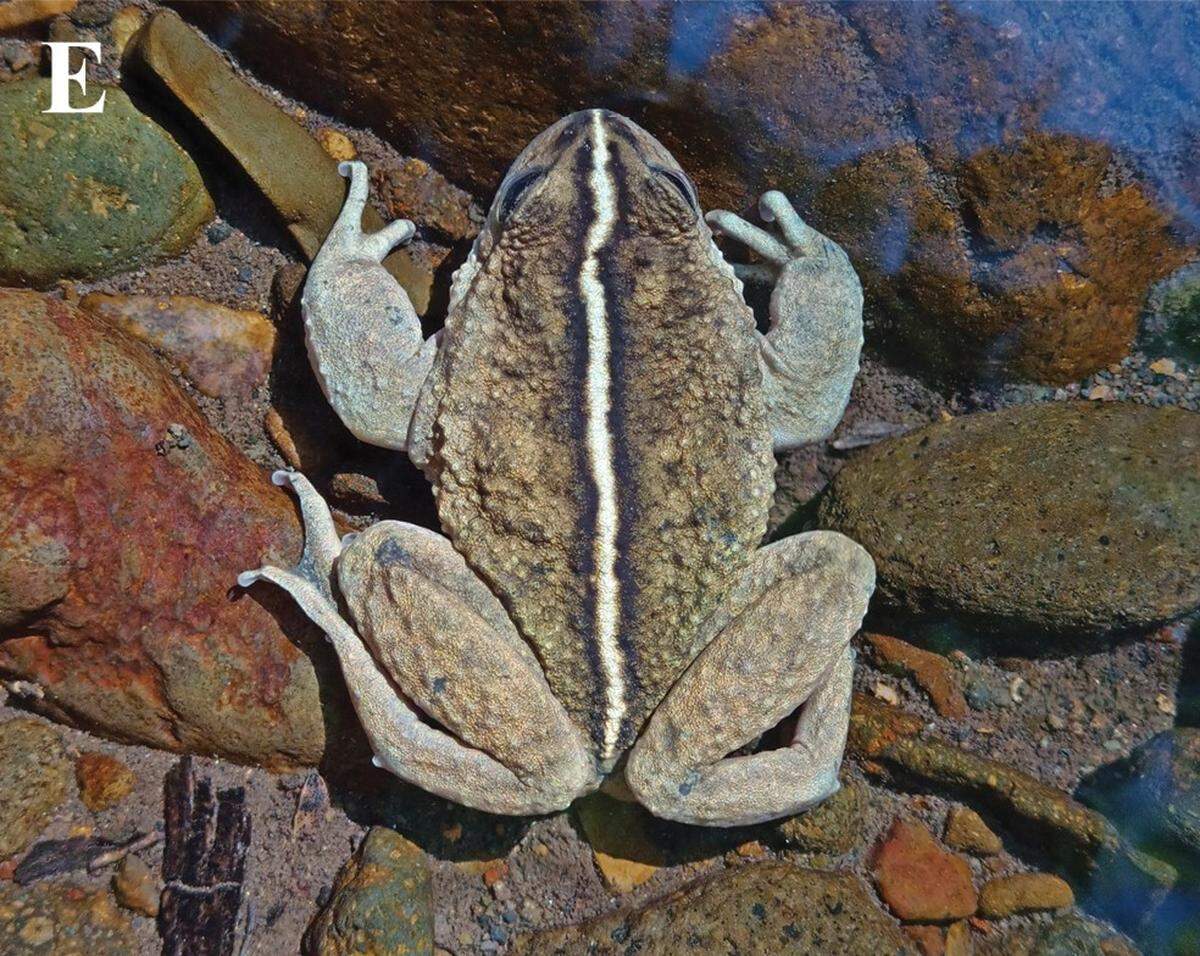
Follow-up surveys in the 1990s and early 2000s searched for the Malleco spiny-chest frog but couldn’t find it, the study said. The Chilean government eventually classified the species as critically endangered but many considered the species “lost,” giving it the distinction of being one of the country’s “rarest and most elusive” amphibians.
None of this deterred Claudio Correa, an amphibian researcher at the University of Concepción. Correa painstakingly reconstructed the route of Germain’s 1893 expedition and realized that past surveys had been starting on the wrong side of the estate, according to a 2024 news release from the university.
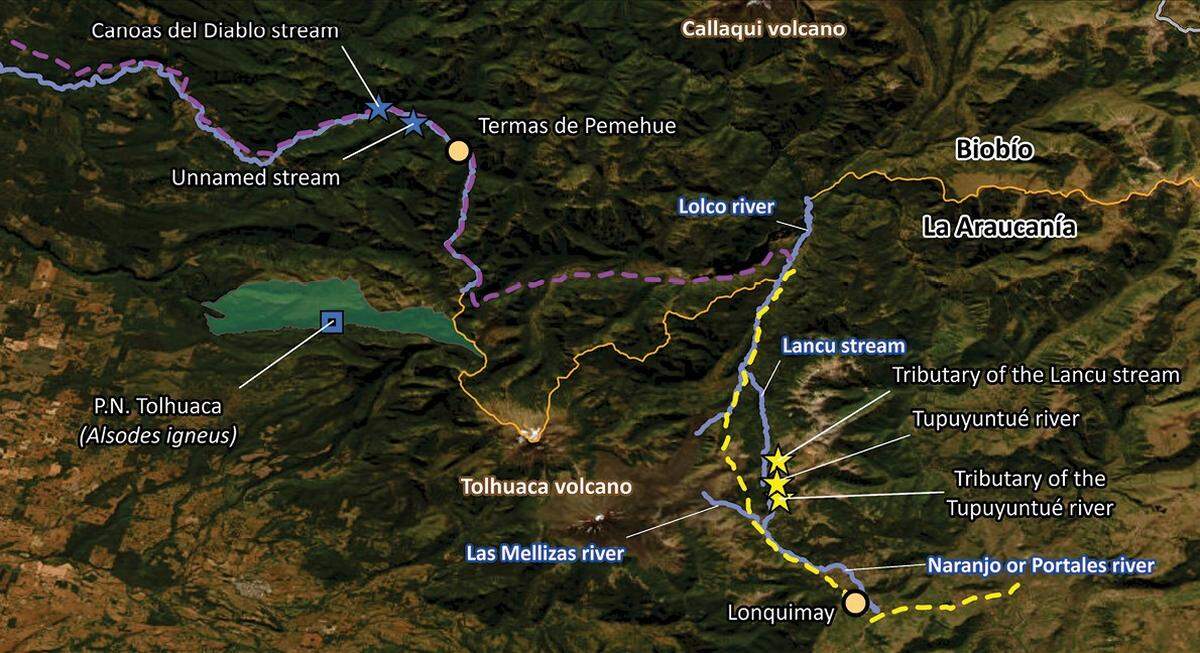
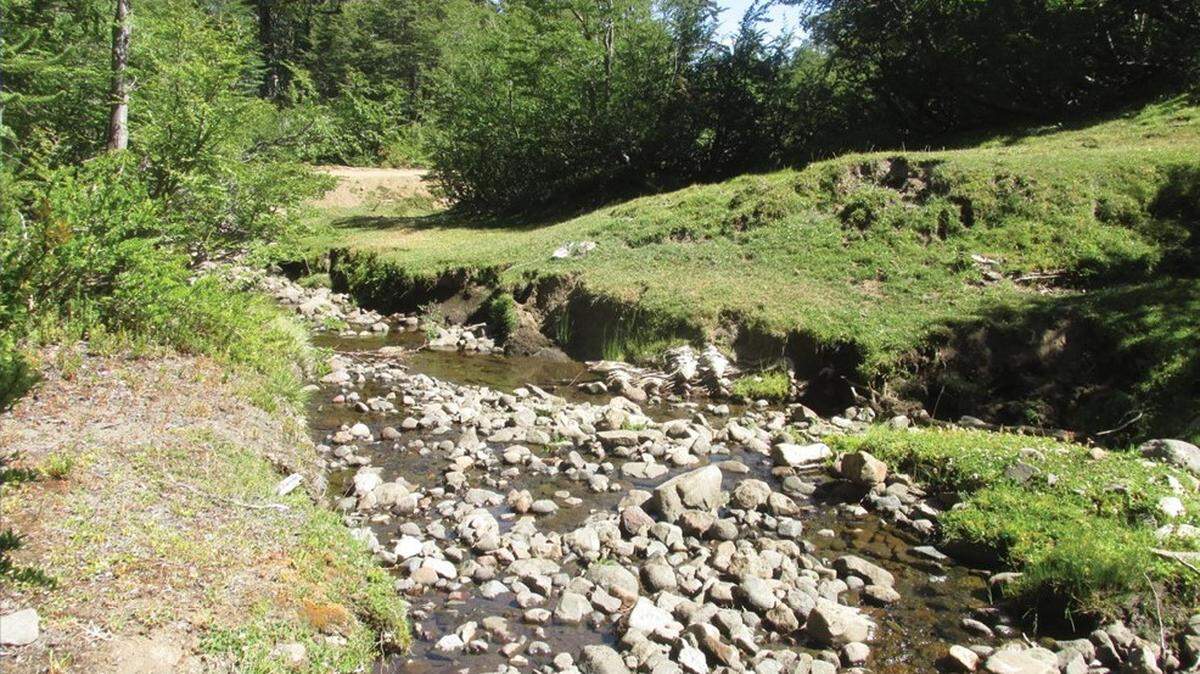
A team of researchers set out to follow Germain’s original route, the study said. During their hikes in 2023 and 2024, they found what they were looking for: several populations of Malleco spiny-chest frogs.
Photos show the rediscovered species. Some of the olive-green and brown frogs have a stripe running straight down their backs, while others have a faded stripe or no clear stripe at all.
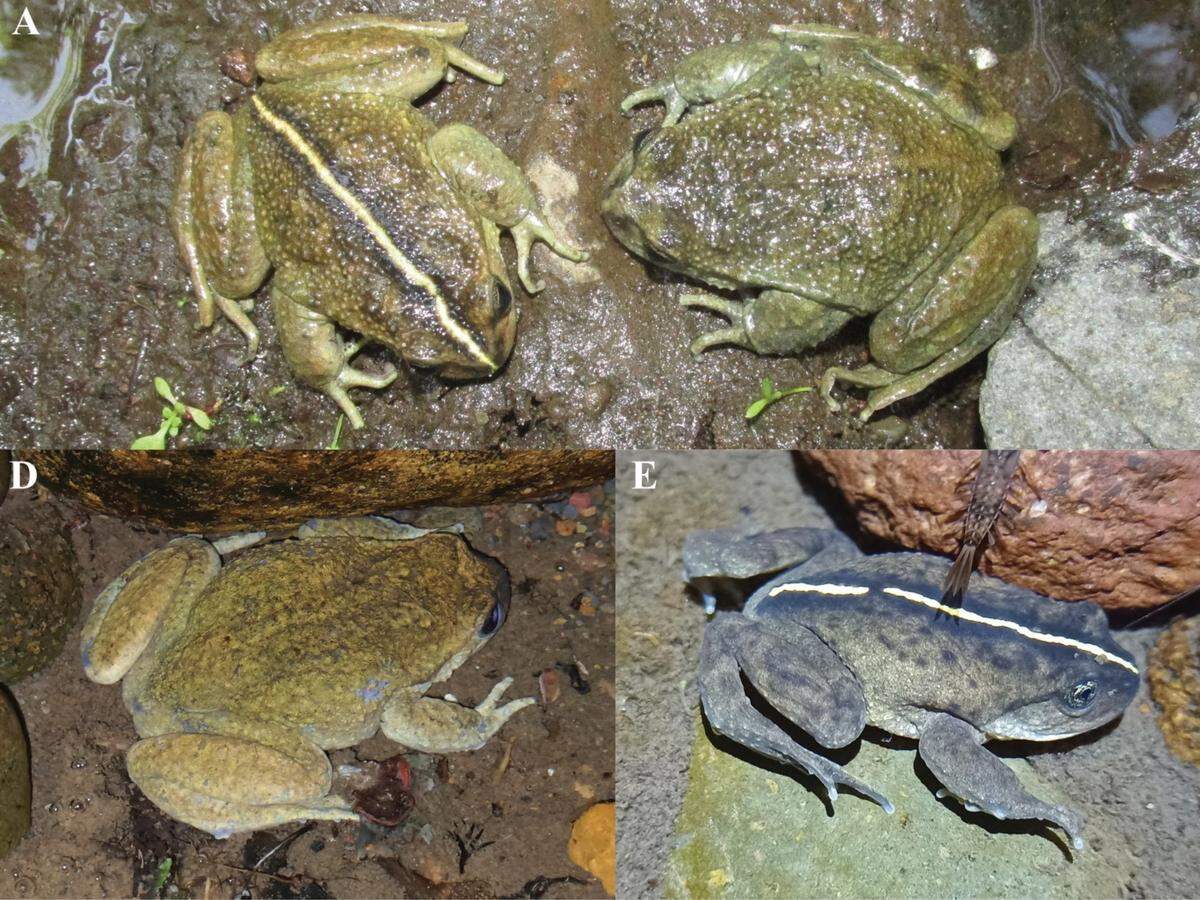
Researchers quickly realized that the rediscovery of the Malleco spiny-chest frog created more questions than answers: How come Philippi describes the frogs as “intense black”? Why do the frogs vary so drastically in color and pattern? Are these frogs even a distinct species?
More data, DNA analyses and research will be needed to answer these questions, the study said. But if anything is certain it’s that the tale of the Malleco spiny-chest frog is far from over.
The research team included Correa, Edvin Riveros-Riffo and Juan Donoso. The team first announced their findings in April 2024 but only recently published a study on the topic.
Google Translate was used to translate the news release from the University of Concepción.
This story was originally published March 6, 2025 at 2:10 PM with the headline "Hikers follow map of 1893 expedition — and rediscover a creature not seen since then."