Hikers follow map of 1912 expedition and rediscover creature not seen since then
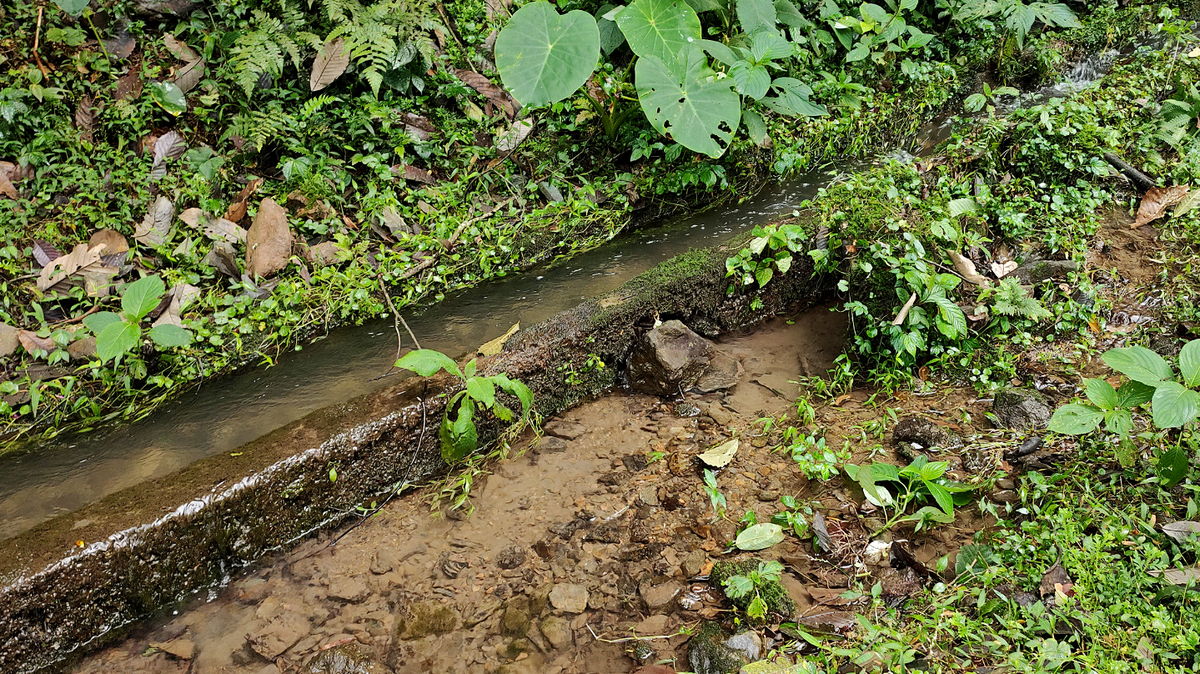
A researcher stood by a mud patch in northeastern India and started digging. He wasn’t quite sure what he was searching for, but he’d been told this spot was home to “a worm-like animal that was not a worm.”
When he finally caught the mysterious creature several hours later, he knew he was looking at a species not seen since 1912.
The British military set out in late 1911 for revenge — and scientific specimens — in what became known as the Abor Expedition. The contingent of soldiers and scientists covered a roughly 80-mile route through modern-day Arunachal Pradesh, punishing local villages for the murder of a British officer while also collecting thousands of plant and animal samples.
Among these samples were six eels. They were mottled brown with tiny eyes and described as a new species in 1913, dubbed, rather questionably, Moringua hodgarti.
The story almost ended there. And, for over a century, it did — because no other scientists encountered the “long lost” and “forgotten” eel species, according to a study published May 19 in the peer-reviewed journal Zootaxa.

Nilanjan Mukherjee, one of the study’s co-authors, heard about Moringua hodgarti while preparing to join a research team following the mapped route of the old Abor Expedition. Something about these poorly known eels intrigued him.
“It was on my list of fish to find,” he told McClatchy News.
During the 2022 trek through “very difficult to traverse” terrain, Mukherjee’s field assistant, Decem, told him about the “‘Yuveh,” “a worm-like animal that was not a worm,” and took him to the muddy area where it lived.
Catching these mysterious creatures proved difficult, as “they are fast and slippery and can dig and bury themselves in loose mud incredibly fast,” Mukherjee said via email.
“We spent a few hours digging through the mud and rocks until we found the first one,” Mukherjee said. “The moment we caught it and transferred it to a container, I knew we had found the eel.”
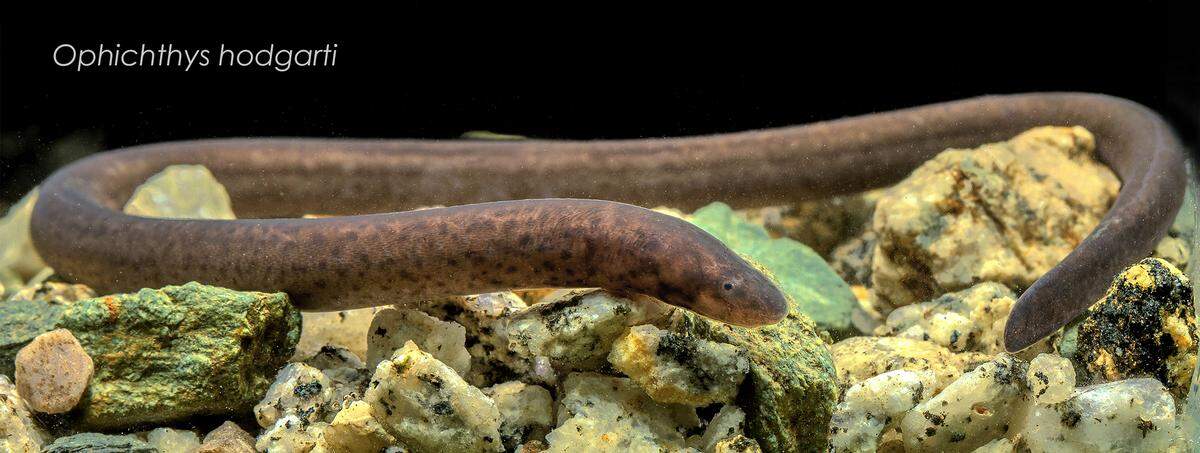
Photos show the rediscovered swamp eel, now reclassified as Ophichthys hodgarti. The eels have a “slender” body, reaching almost 10 inches in length, the study said. Their eyes are “covered by skin,” and the lining of their mouths and throats functions like “a primitive lung” for breathing air.
Ophichthys hodgarti eels were found at night in mud and gravel near waterways but “were never seen in the main channel,” the study said. When caught, a few eels “regurgitated unidentified insect larvae and worms.”
“I was surprised as to how much time these fish spent out of water voluntarily,” Mukherjee said. One eel was even found “quite happily moving around on the wet road quite a distance away from the stream.”
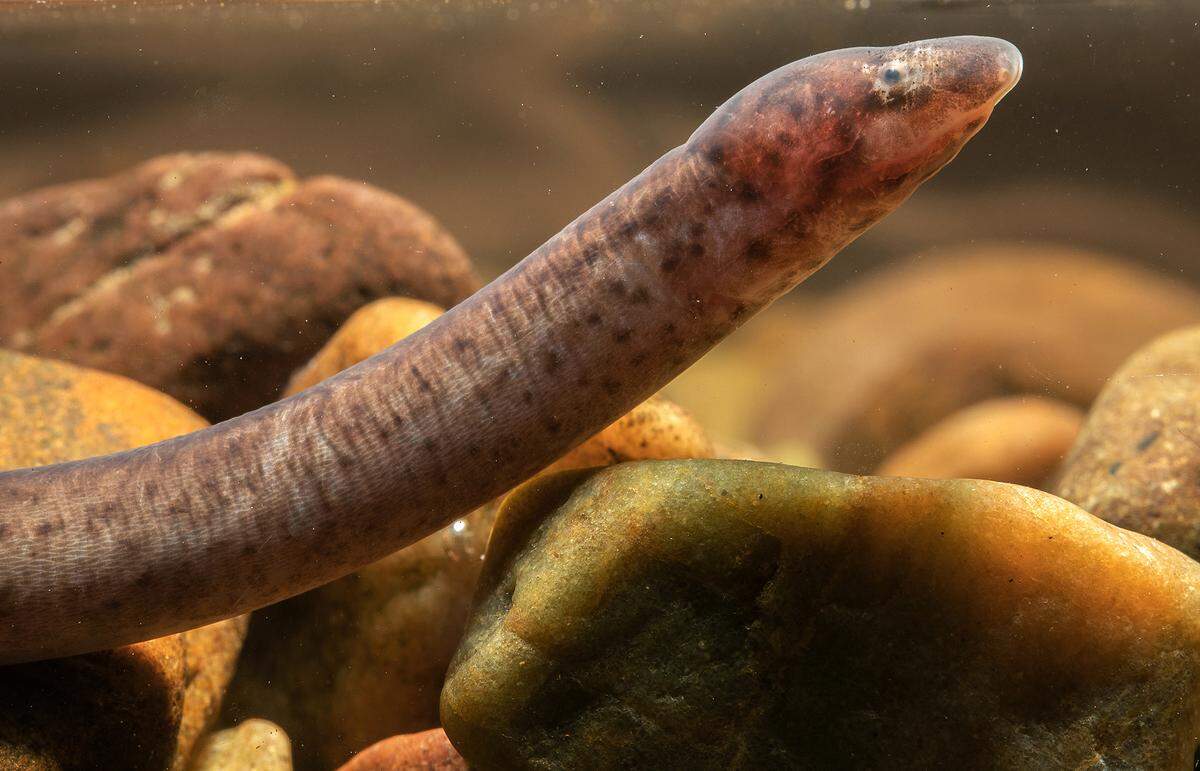
Researchers said the rediscovery of Ophichthys hodgarti shows “gaps in our knowledge” and the importance of “further exploration” to understand and conserve ecosystems.
“We are more likely to conserve species if we know what we stand to lose and (to conserve) landscapes if we know what inhabits them, and this information can only be gained through exploration and research,” Mukherjee said.
The research team included Mukherjee, Rahul Kumar, Surya Narayanan and Aravind N.A.
This story was originally published May 21, 2025 at 8:48 AM with the headline "Hikers follow map of 1912 expedition and rediscover creature not seen since then."