
Ancient settlement found in Morocco proves ‘empty land’ was occupied after all. See it
.jpg "A few miles from the Mediterranean coast of Morocco, a land once thought “empty” was revealed to be occupied thousands of years ago.")
Much of what we know about the Bronze Age, a period between 2200 B.C and 800 B.C., is thanks to evidence left behind by ancient people in Europe.
The era was distinguished by the development of more complex social and political groups, and the increase in short- and long-distance interactions between peoples.
Outside of Europe, Egypt was known for its complex societies in the same time period, but the western coast of the Mediterranean Sea was long thought of as an “empty land,” void of permanent settlements.
Now, archaeologists are challenging what they are calling “historical biases” after the discovery of a Bronze Age settlement in Morocco, according to a March 3 news release from the University of Barcelona and a study published Feb. 17 in the peer-reviewed journal Antiquity.
“Most Bronze Age settlements have been documented in European territory. Despite geographical proximity, the Maghreb (a region of northern Africa that includes Algeria, Libya, Mauritania, Morocco and Tunisia) has always been absent from these historical narratives, erroneously characterized as an ‘empty land’ until the arrival of the Phoenicians around 800 B.C.,” researchers said in the release.
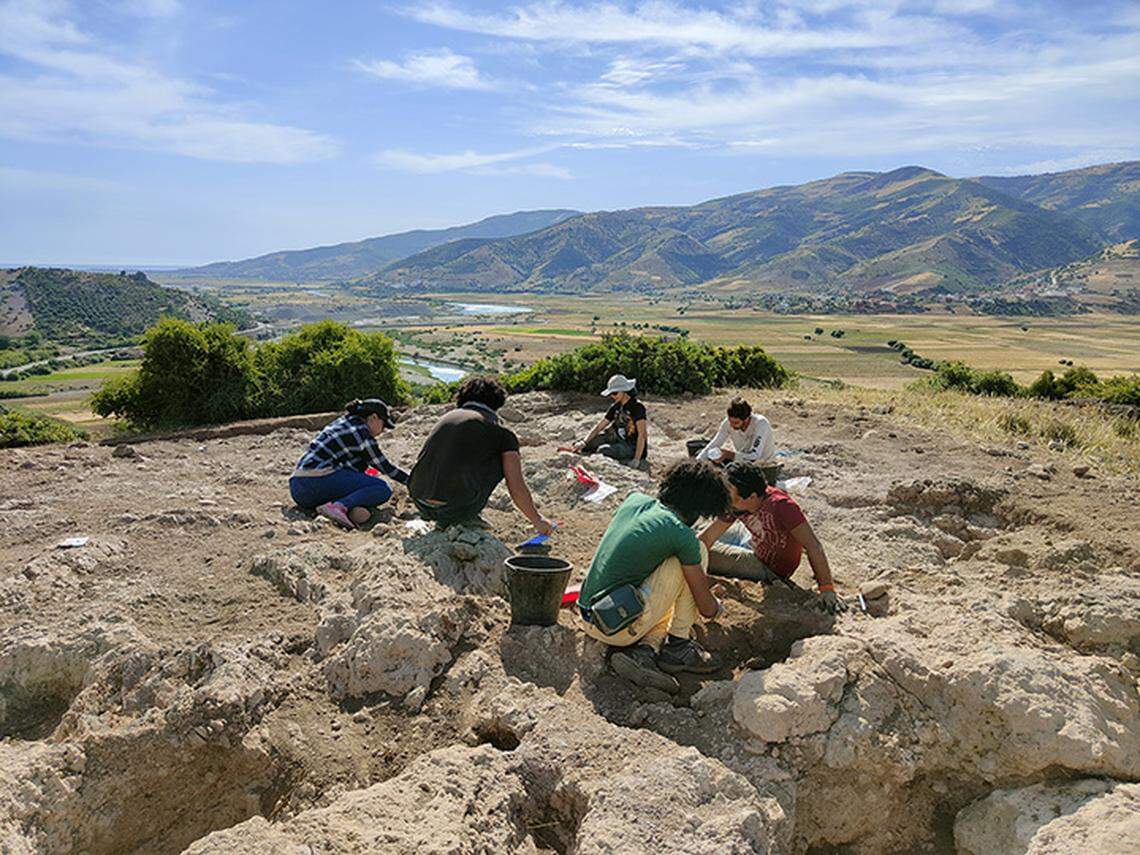
The site, called Kach Kouch, was discovered in 1988 and underwent an initial excavation until 1992, according to the study. Research at the time dated part of the site to the eighth and sixth centuries B.C., and identified homes and pits from the period.
Excavations continued in 2021, with research teams primarily made up of early-career scientists, and new findings show the site was occupied much earlier, and for an extended period of time.
“Excavations have revealed different phases of occupation. The first, from 2200-2000 B.C., is poorly represented but significant,” researchers said. “The evidence suggests an initial contemporary occupation in the transition from the Bronze Age to neighboring Iberia.”
Finds from this first phase included three undecorated pottery shards, a chipped stone and the bone from a Bos taurus, or domesticated cow, according to the study.
More evidence from the earliest period may have been damaged during later building, researcher said, but the cattle bone suggests some form of occupation at least at the end of the third millennium B.C.
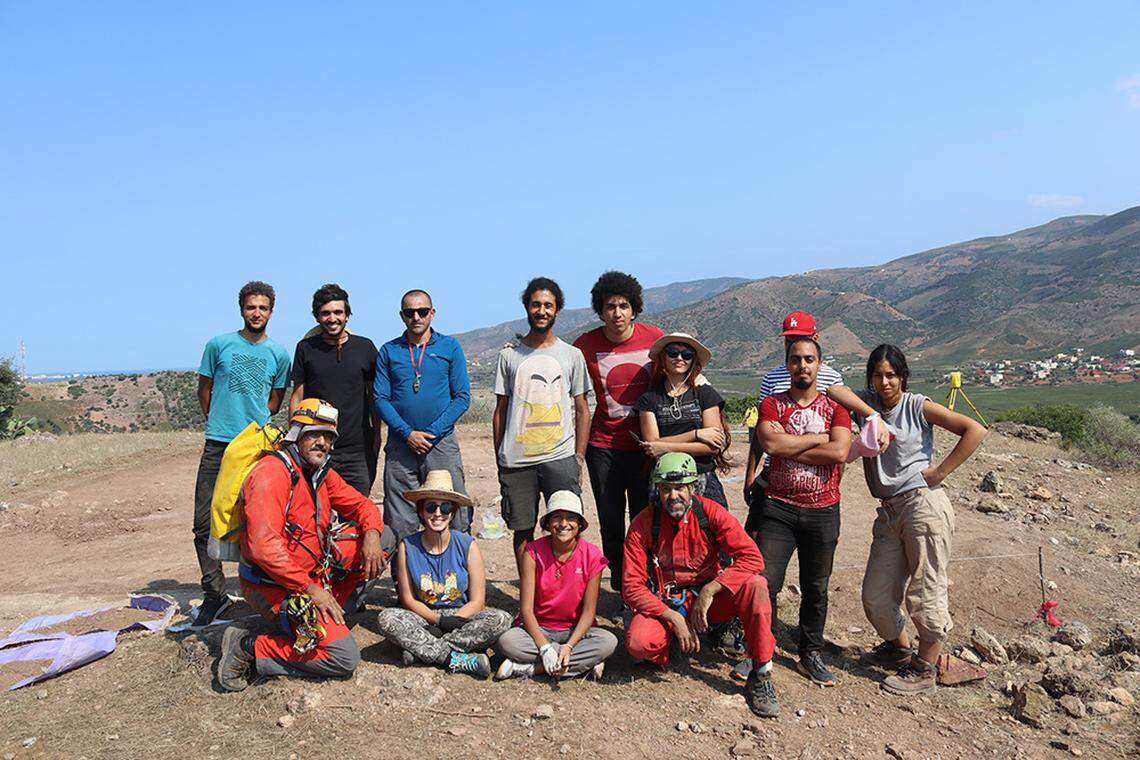
A second phase, from 1300 B.C. to 900 B.C., is “extensively documented” and makes Kach Kouch “the earliest definite evidence of settled life along the Mediterranean coast of the Maghreb,” researchers said, centuries before the first people were thought to have occupied the land.
Researchers found evidence of a “vibrant period” and “stable agricultural community,” according to the university.
“Wooden mud-brick buildings, rock-cut silos and grinding stones reveal a thriving agricultural economy based on crops such as barley and wheat, supplemented by sheep, goats and cattle,” researchers said.
The third and youngest phase of occupation dates to between 800 B.C. and 600 B.C.; archaeologists found wheel-thrown pottery, iron tools and stone constructions, according to the release.
This phase “demonstrates the flexibility and adaptability of the inhabitants of Kach Kouch,” researchers said. “This mix of local and foreign practices illustrates how the community actively participated in Mediterranean exchange networks.”
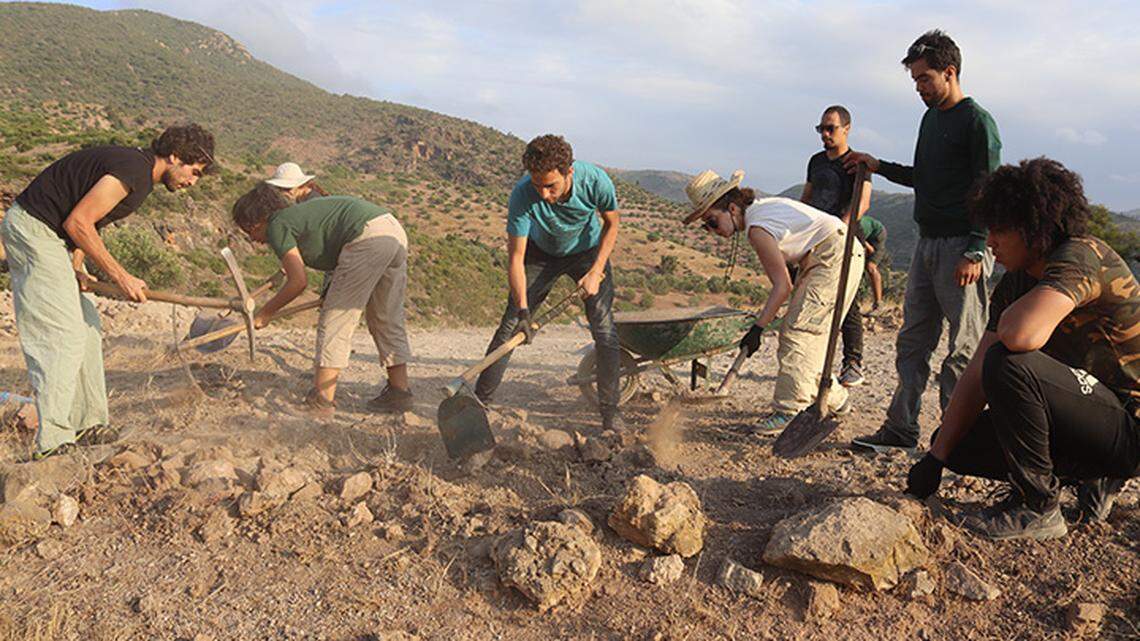
“Kach Kouch is one of the first well-documented examples of continuous settlement in the Maghreb and tells a very different story from the one that has existed for a long time: it shows the history of dynamic local communities that were far from isolated,” Hamza Benattia Melgarejo, leader of the research team, said in the release. “The excavations at this site are another step towards correcting these historical biases and reveal that the Maghreb was an active participant in the social, cultural and economic networks of the Mediterranean.”
The Kach Kouch site is just over 6 miles from the Mediterranean Sea coast, near the Strait of Gibraltar and about 20 miles southeast of Tétouan, Morocco.
This story was originally published March 5, 2025 at 10:55 AM with the headline "Ancient settlement found in Morocco proves ‘empty land’ was occupied after all. See it."
