
Thousands of war artifacts — and body of Red Army soldier — unearthed on Poland coast
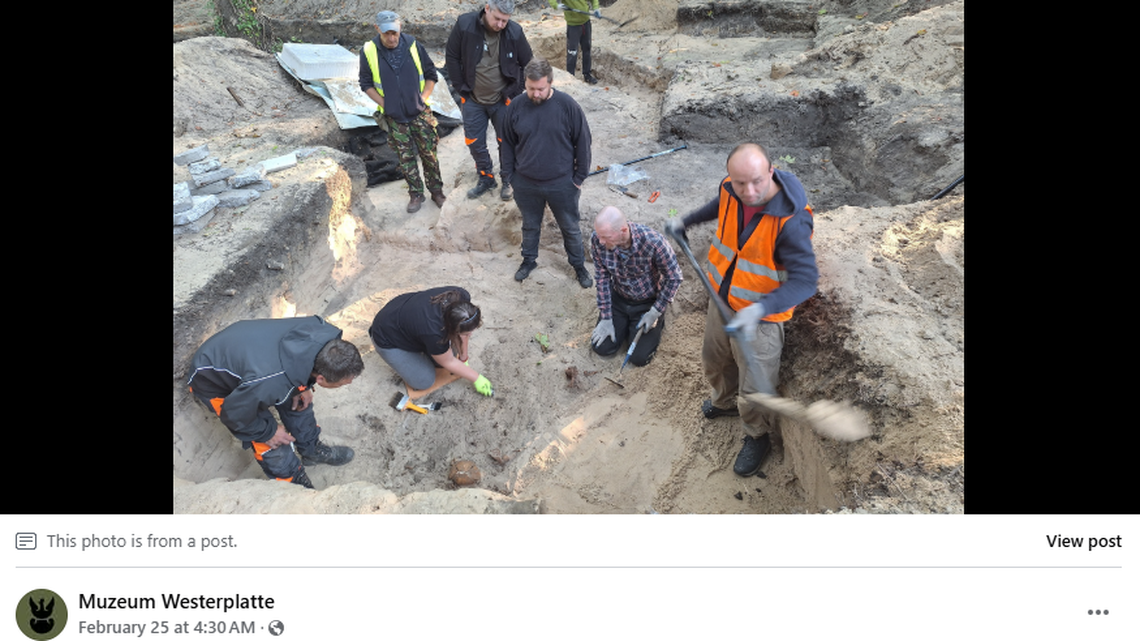
In regions like northern Poland, centuries of conflict are buried just below the surface. From the Napoleonic Wars in the early 1800s to World War II, the land of north-central Europe has seen battles large and small.
Evidence of these conflicts is bountiful in Gdańsk, Poland, home to Westerplatte, a small peninsula that juts out into the Baltic Sea.
Today, the site is home to the Museum of the Second World War and Westerplatte Museum and archaeologists recently wrapped up their eleventh excavation season on the peninsula.
Officials said this archaeological season revealed unexpected discoveries, according to a Feb. 25 news release from the Museum of the Second World War and a Feb. 25 Facebook post from the Westerplatte Museum.
A total of more than 14,000 artifacts were unearthed, of which 6,300 were considered to be historically significant, officials said.
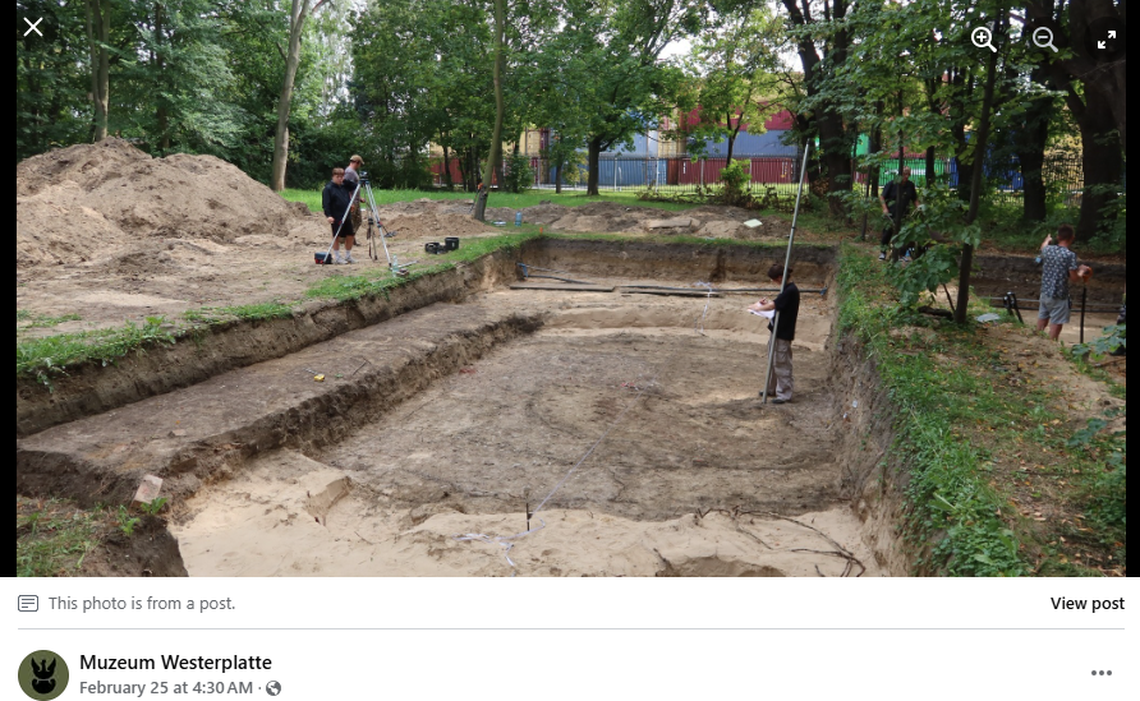
Archaeologists deemed the most important discovery to be a military bunker with evidence of German war crimes against civilian Polish prisoners, according to the release.
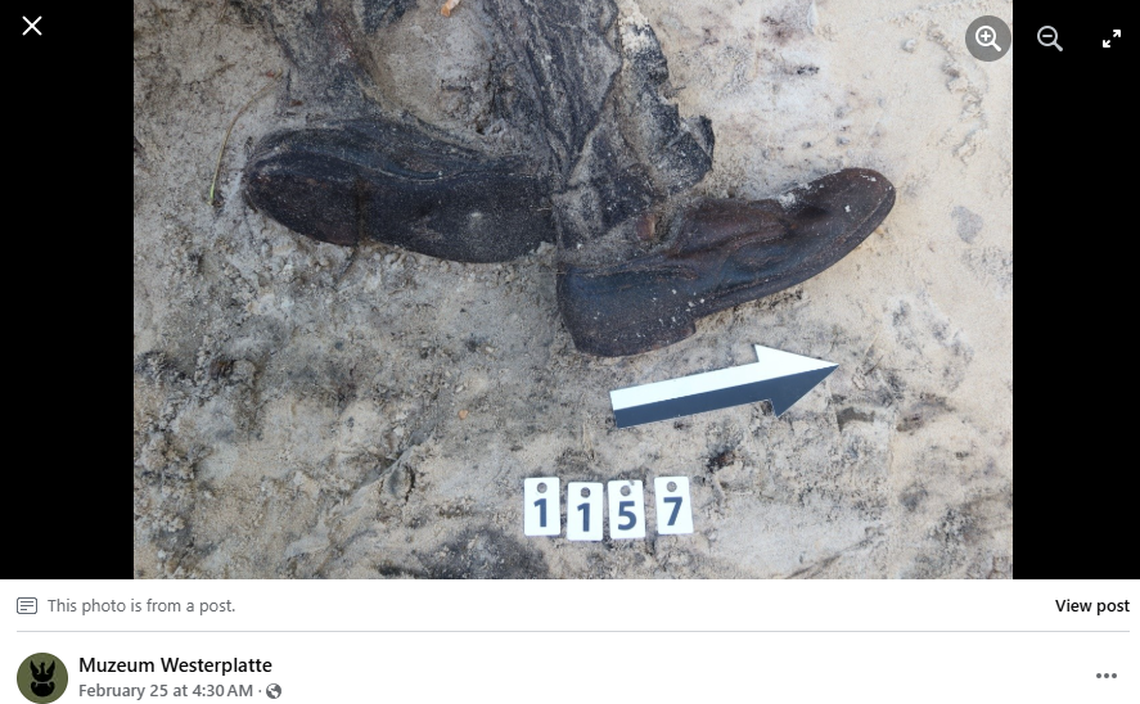
The remains of four people were found at the bottom with items that identified them as Polish, archaeologists said, while shell casings and bullets used to execute them identified the perpetrators as German.
The bunker was in a field gun position, as were other bunkers that were excavated, according to the release.
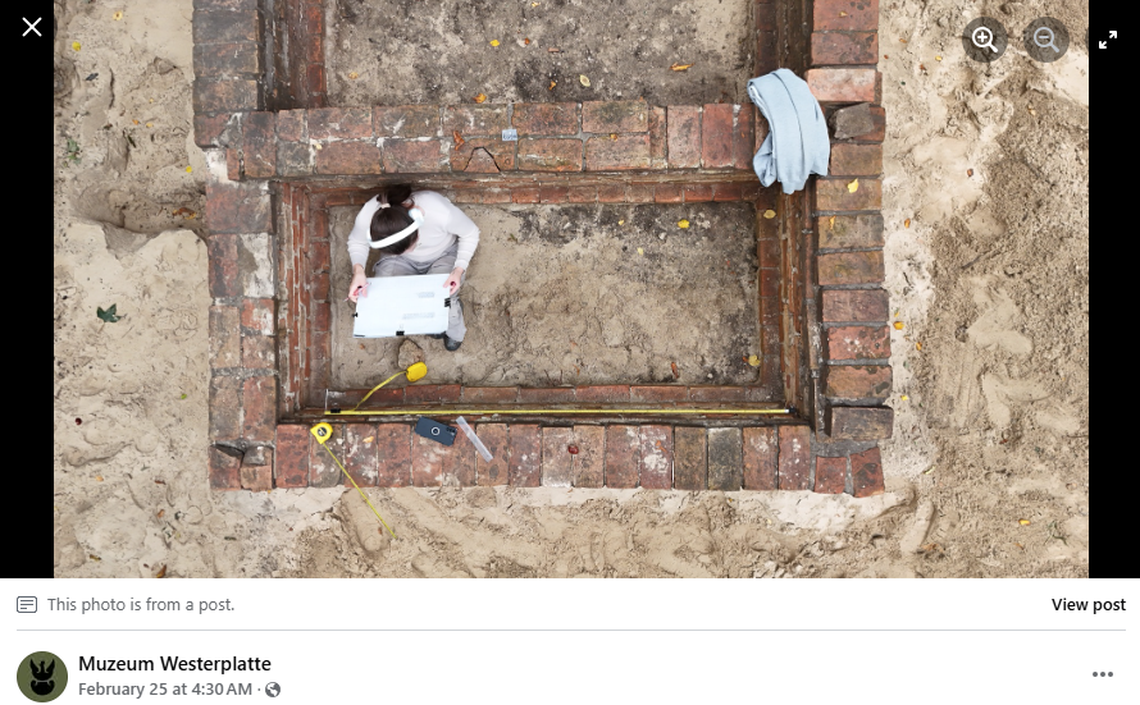
Archaeologists also excavated a crater caused by the explosion of an aircraft bomb dropped Sept. 2, 1939, officials said. Backfill into the crater was full of artifacts, many of which are still being examined.
While searching the dunes built along a road originally heading toward a power plant, archaeologists also found the remains of a Red Army soldier who was killed in March 1945, according to the release.
There was also evidence along a railway zone that shows Polish defenders exploded a flammable benzol tanker in order to stop a German plot to set the entire depot on fire, officials said.
In total, the excavation season covered about 18,300 feet of land, according to the release.
Cannonballs and musket shells from the Prussian and Napoleonic periods, ceramics from later periods and objects from the World Wars were among the finds, archaeologists said. Researchers also found a wooden rattle that was used as a gas alarm in the crater of a bomb explosion.
Nearly 400 military explosives were also found throughout the excavations, ranging from artillery shells and rocket projectiles to hand and mortar grenades and ammunition, according to the release.
Excavations for the site’s twelfth season will begin later in the spring, officials said.
Gdańsk is in north-central Poland along the Baltic Sea.
Google Translate and Facebook Translate were used to translate the news release and Facebook post from the Museum of the Second World War and the Westerplatte Museum, respectively.
This story was originally published March 4, 2025 at 9:41 AM with the headline "Thousands of war artifacts — and body of Red Army soldier — unearthed on Poland coast."
