‘Elusive’ mountain creatures given video collars in Peru. See life from their view
Before Paddington put on a blue coat and red hat and stood at a train station in England, his Peruvian cousins maintained a low profile.
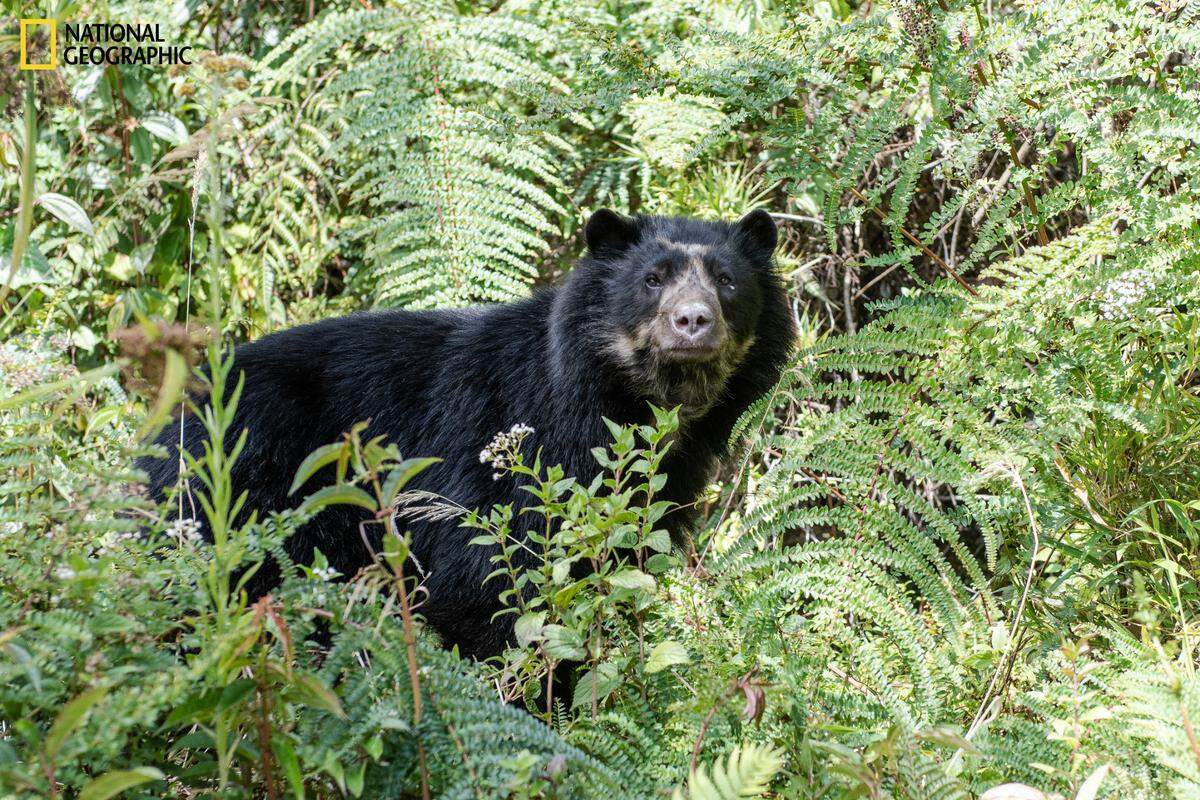
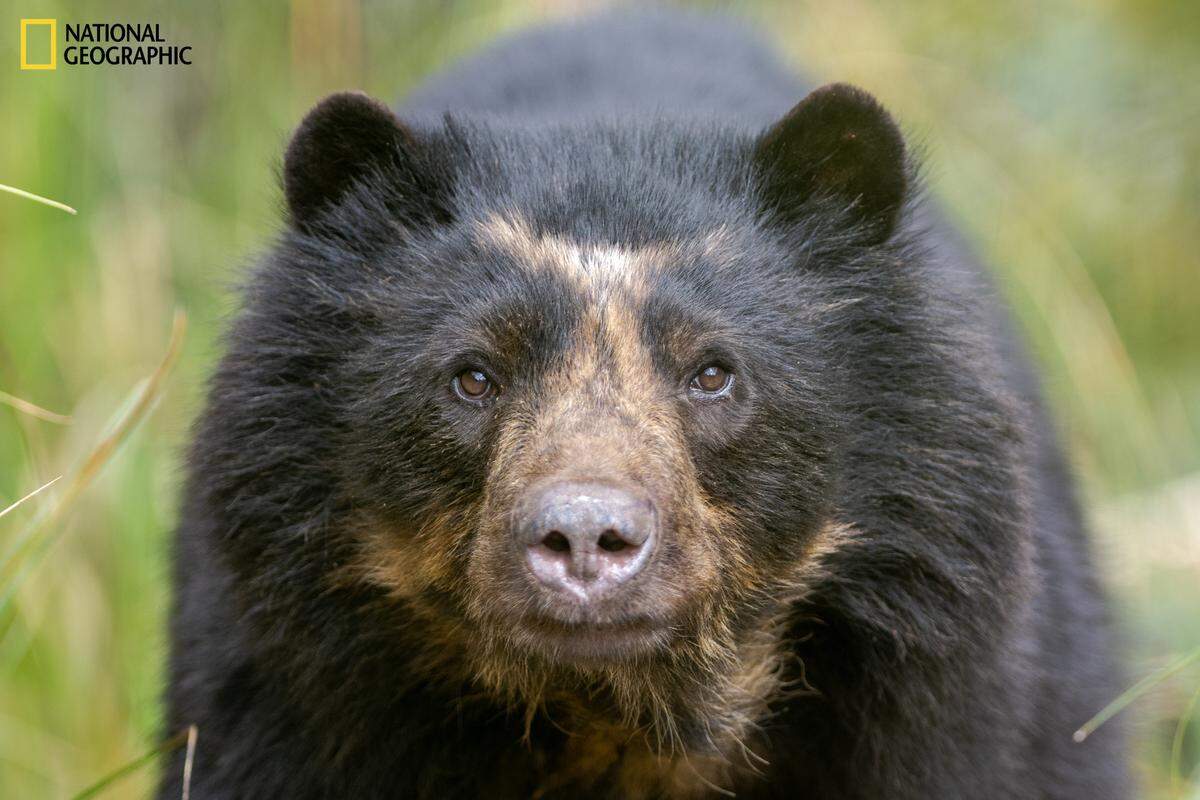
Andean bears, Tremarctos ornatus, are considered a “rare” and “elusive” species, keeping to the high peaks of the Andes mountains, according to a Dec. 4 news release from National Geographic.
Now, a new research project employing the use of video collars has given scientists a “bear’s-eye view” into their hidden lifestyle — and revealed new behaviors.
“Due to their propensity to inhabit challenging environments and terrain, such as montane cloud forests and high Andean grasslands, studying Andean bears has proven particularly difficult, especially in understanding their diet patterns and social interactions,” researchers said in a study published Dec. 4 in the peer-reviewed journal Ecology and Evolution.
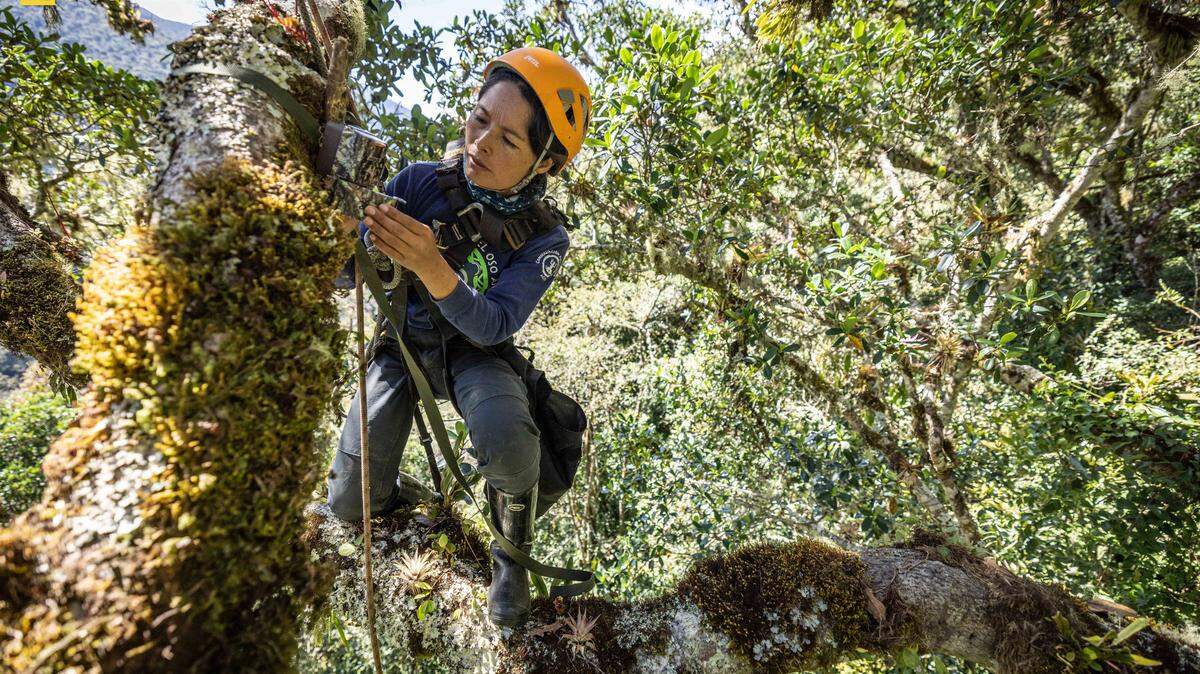
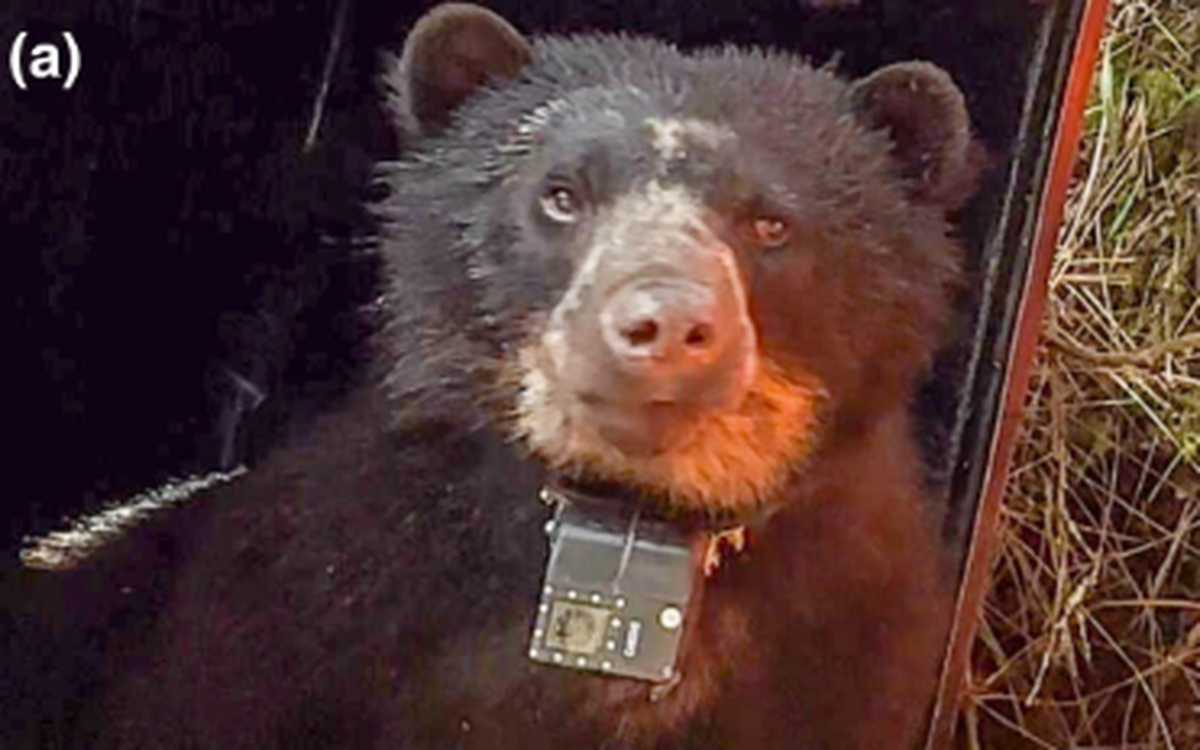
Two National Geographic Explorers and a group of researchers captured three male Andean bears and fitted them with GPS collars, complete with small cameras that could fill in the gaps between trail cameras and in-person observations, according to the study.
A long-term collar and camera were fitted onto one bear, and the camera captured 1,505 individual clips over the course of a four-month period between November 2023 and March 2024, researchers said.
“Despite the longer term data coming from a single individual, this unique perspective footage uncovered a variety of rarely, or previously undocumented, natural history-related events,” researchers said. “These include courtship and mating, social interactions with other bears, diet discoveries in terms of novel fruit consumption, cannibalism, potential infanticide and the only documented case of feeding on a sympatric primate, and finally, evidence of geophagy (eating clay and dirt) in Andean bears.”
Researchers found the bears were consuming more than 21 different plant species, which varied based on their elevation in the mountains. They also saw that some of the bears were mating in the canopy, a new behavior.
Ruthmery Pillco Huarcaya and Andrew Whitworth, National Geographic explorers, have spent years studying Andean bears in Manu National Park at elevations between 650 and 13,000 feet, and despite their small numbers and size, Andean bears play a “crucial role in maintaining the health of the Amazon’s cloud forest” by eating seeds and dispersing them through the forest.
“What we’ve been able to learn through the use of the collar cameras completely changes the way we study Andean bears,” Pillco Huarcaya said in the release. “In a relatively short period of time, it has opened up an exciting window into the world of this enigmatic and iconic species.”
The project is part of the National Geographic and Rolex Perpetual Planet Amazon Expedition, and the research is expected to be used to help navigate protections for the vulnerable species.
“These new insights into Andean bears provide us with a chance to better understand one of the ecosystem engineers shaping the cloud forest and use that knowledge to more effectively protect this keystone species and their habitat,” Ian Miller, chief science and innovation officer at the National Geographic Society, said in the release.
Manu National Park is in southeastern Peru, about 80 miles north from Cusco.
The research team includes Pillco Huarcaya, Whitworth, Norma Mamani, Mark Thomas and Elias Condori.
This story was originally published December 4, 2024 at 12:20 PM with the headline "‘Elusive’ mountain creatures given video collars in Peru. See life from their view."