Bird — the rarest of its kind — seen on New Zealand trail camera. See the ‘milestone’

Just as the bald eagle represents freedom in the United States, the Kiwi bird is a symbol of national pride for the island nation of Aotearoa, or New Zealand.
The name “kiwi” encompasses five distinct species, the rarest of which is called a rowi kiwi. The species is endangered, with just several hundred birds remaining, according to the New Zealand Department of Conservation.
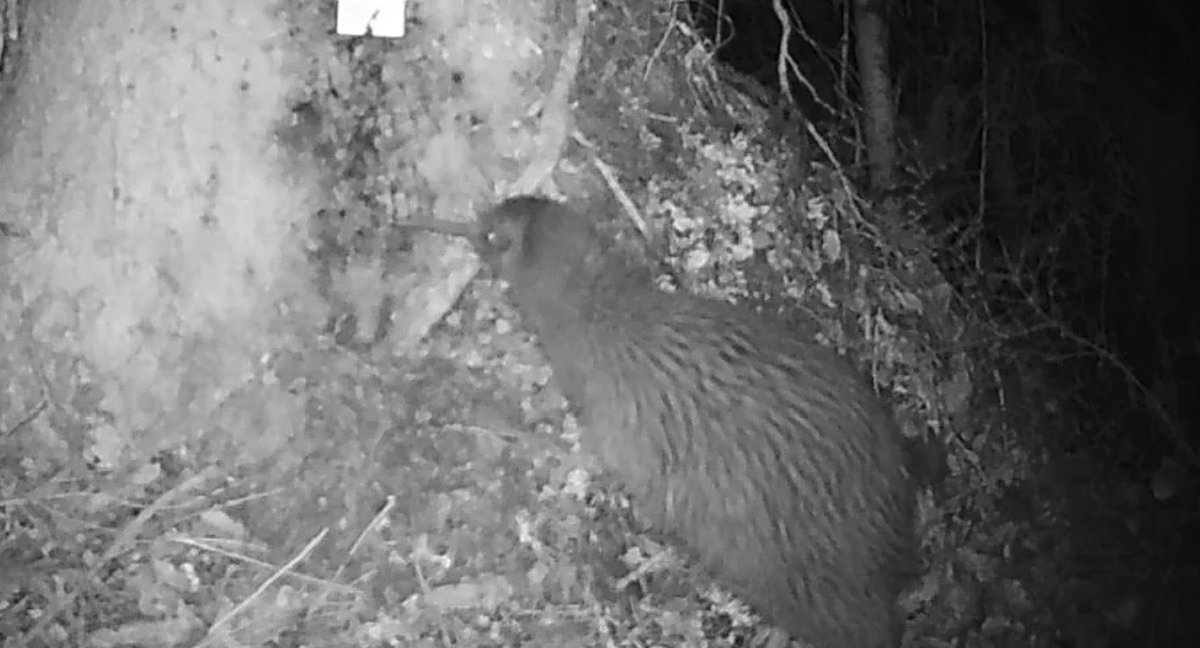
Now, rangers have spotted one of the fluffy birds on a trail camera more than 9 miles away from where they predominantly live, suggesting their species may be headed in the right direction.
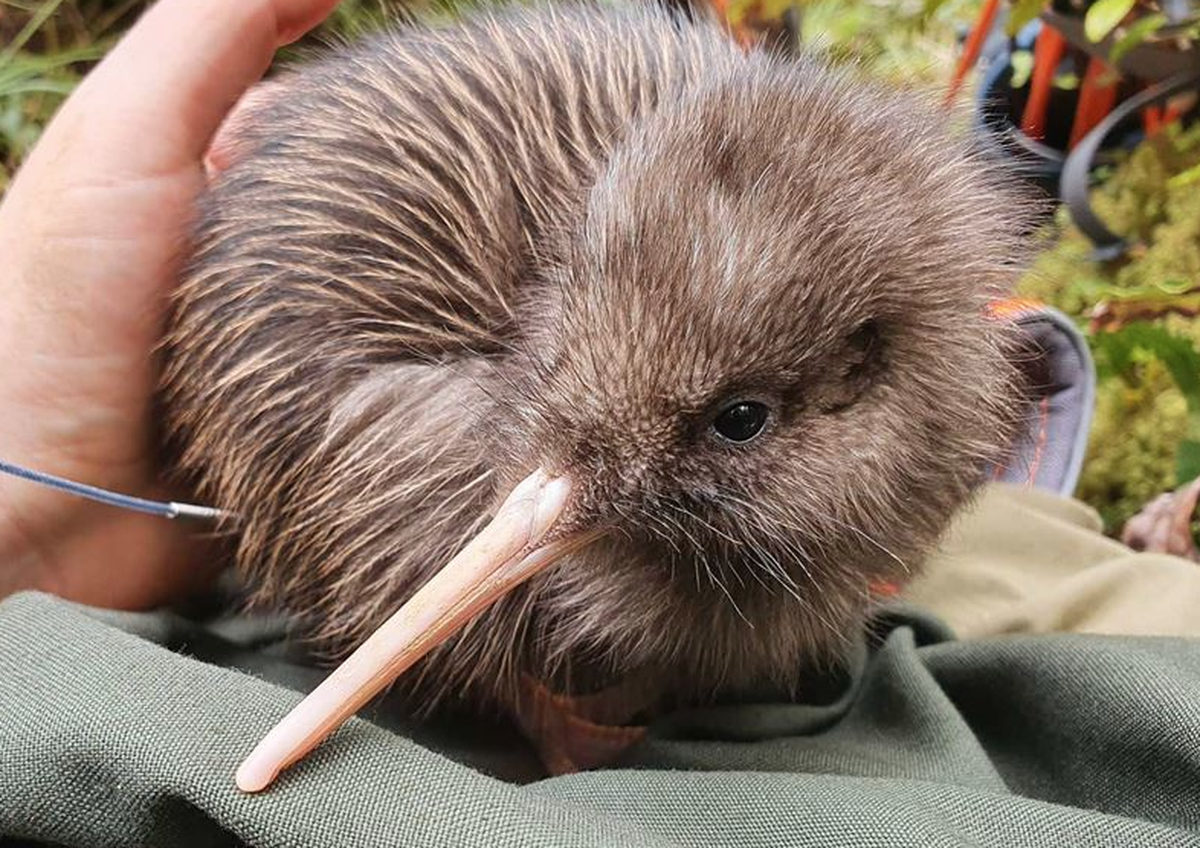
Most rowi kiwi live in the Ōkārito forest, a kiwi sanctuary area, wildlife officials said.
“In the past, management of the kiwi population focused on efforts to grow the population by removing eggs from the forest for safe hatching and rearing,” wildlife officials said. “But now that Ōkārito forest is part of the Predator Free South Westland project, kiwi are able to raise their own chicks into adulthood. This has resulted in population growth, and the expansion of kiwi habitat.”
Rowi were down to just 160 birds in the 1990s, according to a Nov. 11 news release from the Department of Conservation, but through the efforts of Operation Nest Egg, their population has grown to more than 600.
Operation Nest Egg “involves removing eggs from the risk of predation, hatching them in captivity, and placing the chicks in a predator free environment until they are big enough to fend for themselves,” officials said. “They are then returned to the wild.”
The next step is expanding their range.
When rangers were analyzing trail camera footage captured in the Whataroa River area, more than 9 miles from Ōkārito forest, a round rowi bird with tucked wings and a long skinny beak appeared in the images.
Officials called the sighting “an important milestone” following years of conservation efforts.
Hugh Robertson, the Department of Conservation’s principal science advisor, believes the rowi ventured so far from home because the sanctuary forest is becoming increasingly “busy” with birds.
“With the population pressure building in Ōkārito, they are now spreading their tiny wings and wandering further afield in search of their own territory,” Robertson said.
The population growth has put additional pressure on the curated “predator-free” environment.
“Fortunately, the area the kiwi has moved into is also part of the Predator Free South Westland project area, which is managed to stop re-incursion of stoats, rats and possums, making it better habitat for kiwi,” officials said.
About 210,000 acres of land is designated safe for kiwis, the result of a yearslong effort.
“This is the predator-free dream becoming a reality — seeing birds like rowi not just surviving, but spreading out and being comfortable in the landscape that is their natural home,” Duncan Kay, operations director of the Zero Invasive Predators, said.
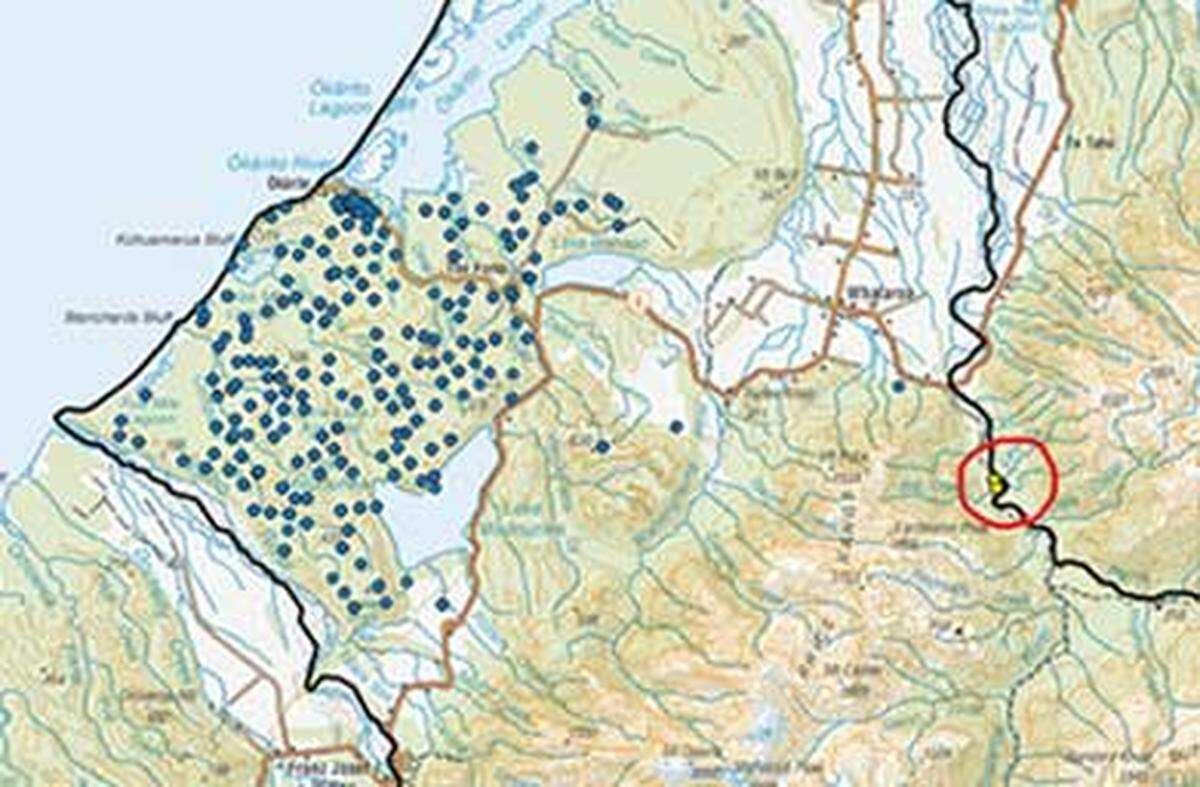
Residents of New Zealand were warned that as the rowi expand their territory, it may become more common to interact with the birds, and it is important to train pets, particularly dogs, to stay away from kiwi areas, wildlife officials said.
The Ōkārito forest is on the west-central coast of New Zealand’s south island.
This story was originally published November 18, 2024 at 12:00 PM with the headline "Bird — the rarest of its kind — seen on New Zealand trail camera. See the ‘milestone’."