
Angler scoops up ‘weakly electric’ creature from riverbed — and discovers new species
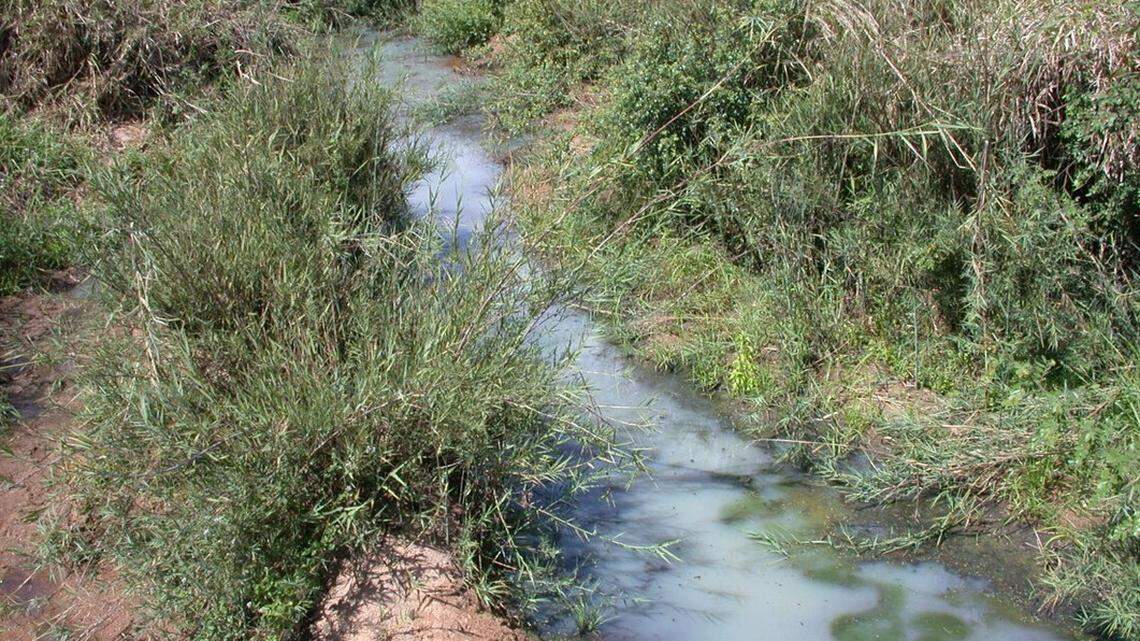
Anglers in Mozambique spread a net across a murky stream and scraped it along the streambed. When they checked their catch, they found a “weakly electric” creature with a “thick” tail.
It turned out to be a new species.
Scientists in central and eastern Africa undertook a large project: comprehensively analyze a group of “understudied” fish known as Pollimyrus, or elephantfish, according to a study published Nov. 24 in the peer-reviewed Journal of Fish Biology. Researchers suspected some of these “weakly electric” fish were being misidentified.
To investigate, the team tracked down 140 Pollimyrus fish specimens in archives and compared the animals’ appearances.
Slowly, patterns began to emerge.
A pair of elephantfish caught in northern Mozambique in 2003 looked quite distinct, the study said. Researchers realized they’d discovered a new species: Pollimyrus krameri, or Kramer’s elephantfish.
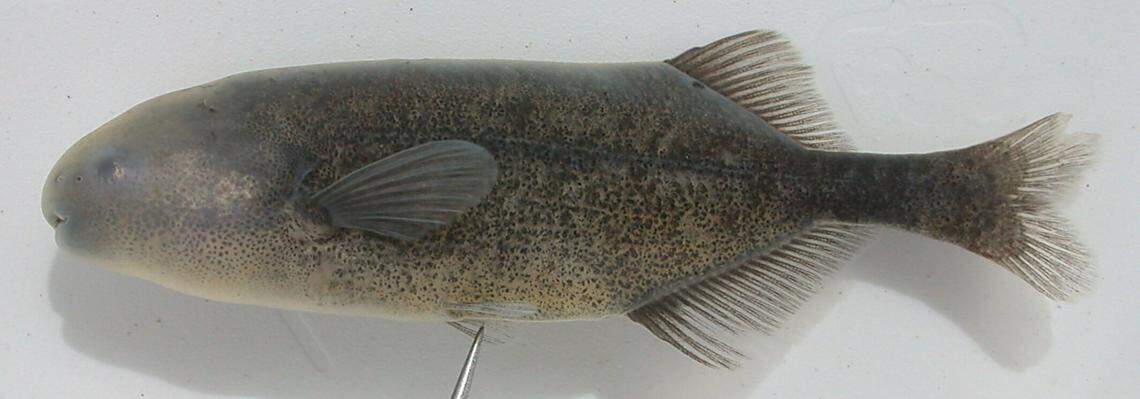
Kramer’s elephantfishes are considered “relatively small,” reaching about 2 inches in length, the study said. They have an “oblong” body with a short, “thick” tail and no top fin along their spine. Their “round” heads have a “slight” chin, “small” mouth with several teeth and “protruding” snout.
A photo shows the “dark brown or gray” coloring of the new species. Its underside has a “light yellowish” hue, and its fins fade from brown-gray to slightly transparent.
Kramer’s elephantfishes live in streams and rivers with a “sandy and rocky” bottom, the study said. The fish were found hiding in “plant root stocks” along the riverbed.
Researchers said they named the new species after scientist Bernd Kramer “for his contributions to ichthyology and study of weakly electric fish, southern African Mormyridae (elephantfishes) in particular.”
So far, Kramer’s elephantfish have only been found at one site in northern Mozambique, the study said. Mozambique is a coastal southeastern African country bordering Eswatini, Malawi, South Africa, Tanzania, Zambia and Zimbabwe.
The new species was identified by its body shape, tail, head shape and other subtle physical features, the study said. Researchers did not provide a DNA analysis of the new species.
The research team included Katrien Dierickx, Soleil Wamuini Lunkayilakio, Roger Bills and Emmanuel Vreven.
Researchers also discovered three more new species of elephantfish: one in the Democratic Republic of the Congo, one in the Republic of the Congo and another one in Mozambique.
This story was originally published December 4, 2024 at 8:21 AM with the headline "Angler scoops up ‘weakly electric’ creature from riverbed — and discovers new species."
