Construction workers stumble on unopened 2,300-year-old tomb in Malta. See inside
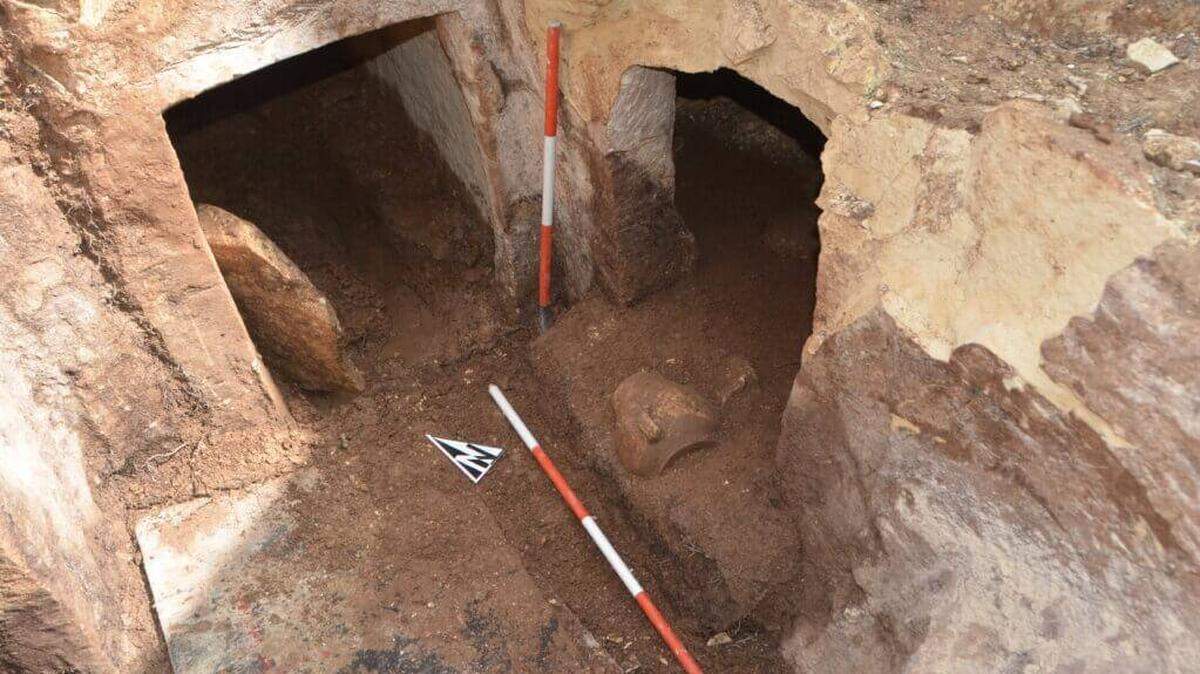
Buried in the rocky tan dirt of Malta sat an ancient tomb. Its “remarkable” burial chambers had gone unopened for millennia — until some construction workers came along.
The workers began digging near a hospital in Birkirkara in September to install new water lines. As they dug, the team “unexpectedly” hit a chamber cut into the rock, Malta’s Superintendence of Cultural Heritage said in an Oct. 22 news release.
Archaeologists identified the underground structure as a 2,300-year-old Punic tomb.
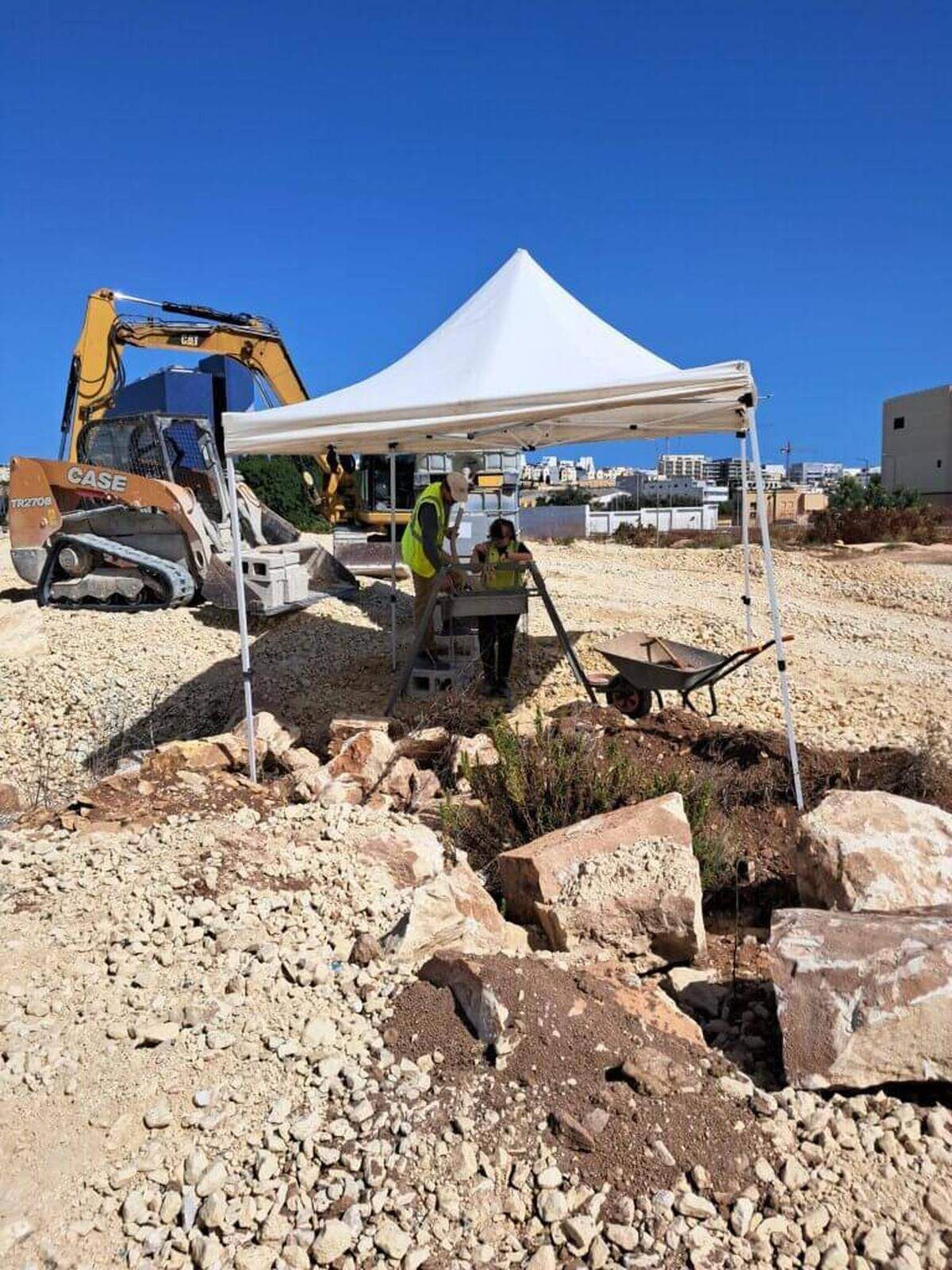
Follow-up excavations uncovered the tomb’s central shaft and three burial chambers.
“The entrances to these chambers were still sealed with their original stone slabs,” officials said.
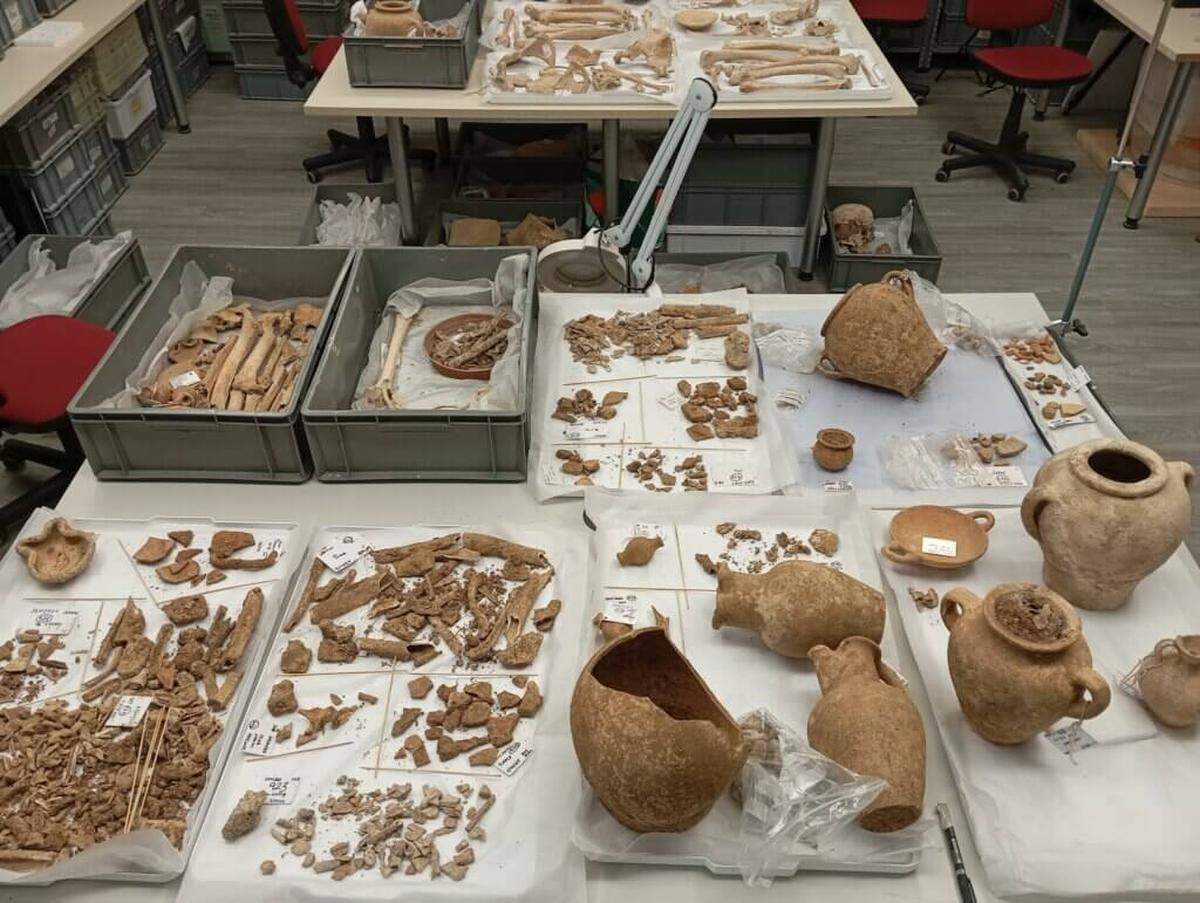
Archaeologists peeked through the “narrow gaps in the slabs” and saw some skeletons and artifacts inside. When they opened the chamber doors, they found some “systematically arranged” bones and some cremation urns.
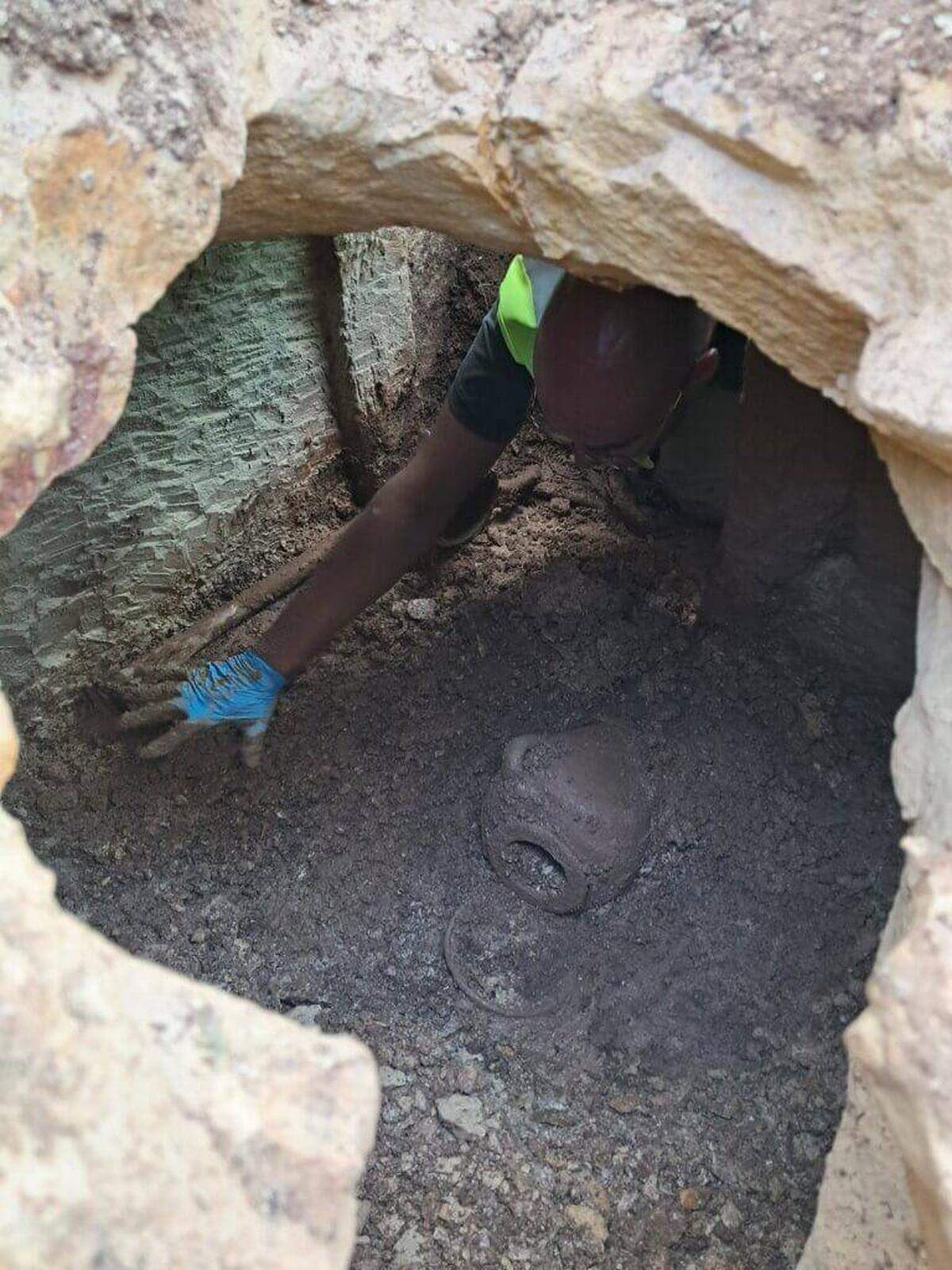
The bones were likely earlier burials “reorganized” to make space for later burials. Photos show the inside of the “remarkable” ancient tomb.
In total, the three chambers contained at least 14 burials, officials said. The remains were moved to a lab for further analysis.
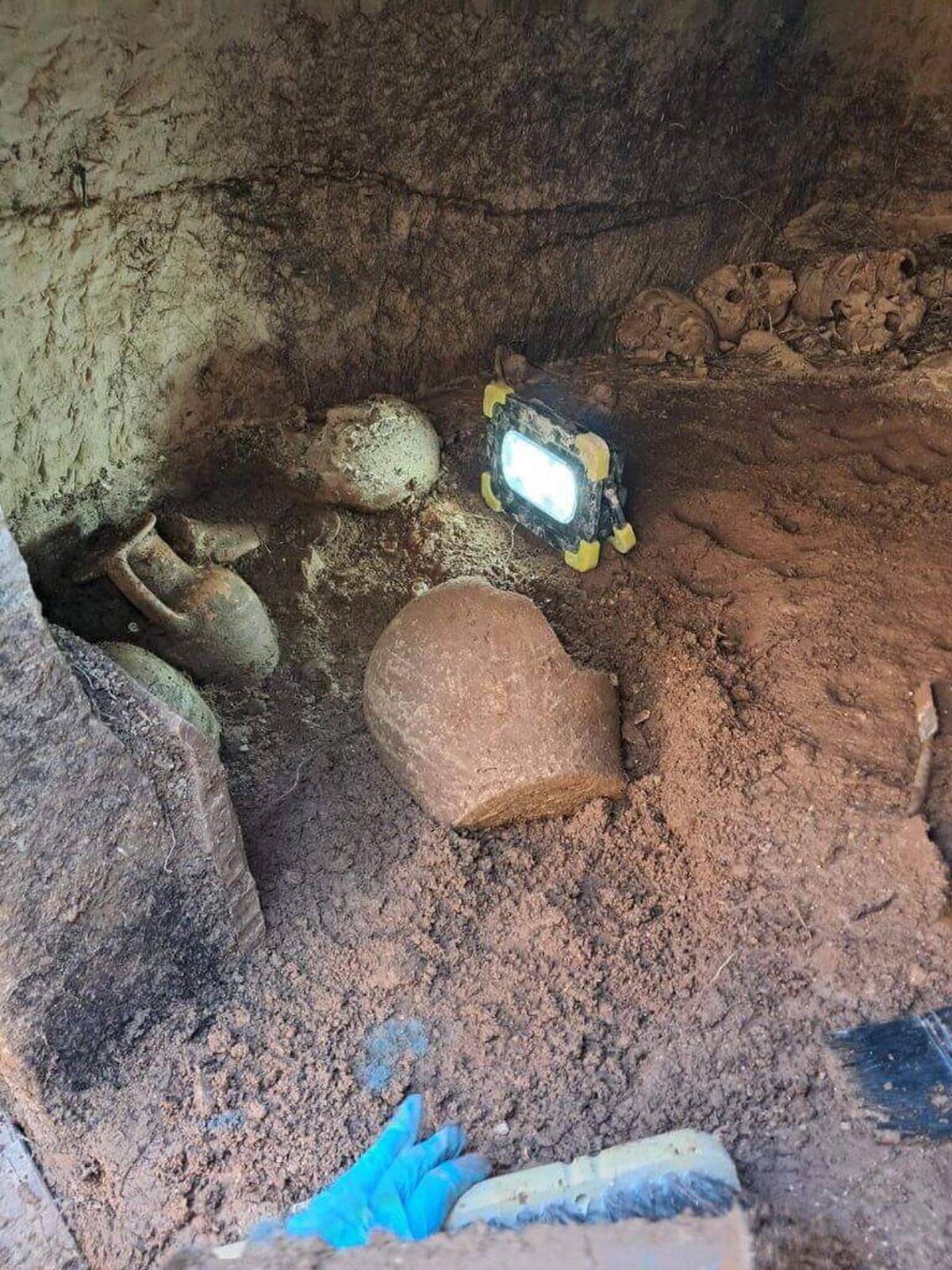
Archaeologists hope to eventually use radiocarbon dating and ancient DNA analysis to learn more about the ancient Punic community who built and used the tomb.
The Punic Republic, also known as the Carthage Republic, was an ancient empire that ruled portions of North Africa, Italy and Spain from Carthage, a city located in modern-day Tunisia, according to the World History Encyclopedia. The empire was “the largest, most affluent, and powerful political entity in the Mediterranean” until the Romans conquered it around 150 B.C.
Officials plan to continue construction near the hospital in Birkirkara while keeping the tomb “preserved in its entirety.”
Birkirkara is a city in eastern Malta, an island country in the Mediterranean Sea.
This story was originally published October 30, 2024 at 2:48 PM with the headline "Construction workers stumble on unopened 2,300-year-old tomb in Malta. See inside."