Ancient gold gift for a mysterious deity found at Roman fort. See the rare treasure
Sifting through the rocky dirt of a fortress in the eastern European country of Georgia, archaeologists probably thought they knew what to expect. After all, they’d been working at this ancient Roman site for over a decade.
But more surprises waited in the buried ruins.
A joint team of Polish and Georgian archaeologists returned to the Gonio-Apsaros fortress in May for a two-month excavation, the Polish Centre of Mediterranean Archaeology at the University of Warsaw said in an Oct. 11 news release.
During the dig, the team uncovered a “unique” gold plaque with a Greek inscription dedicated to Jupiter Dolichenus, a mysterious ancient deity popular among Roman soldiers, the center said. A photo shows the “thin,” leaf-shaped plaque.
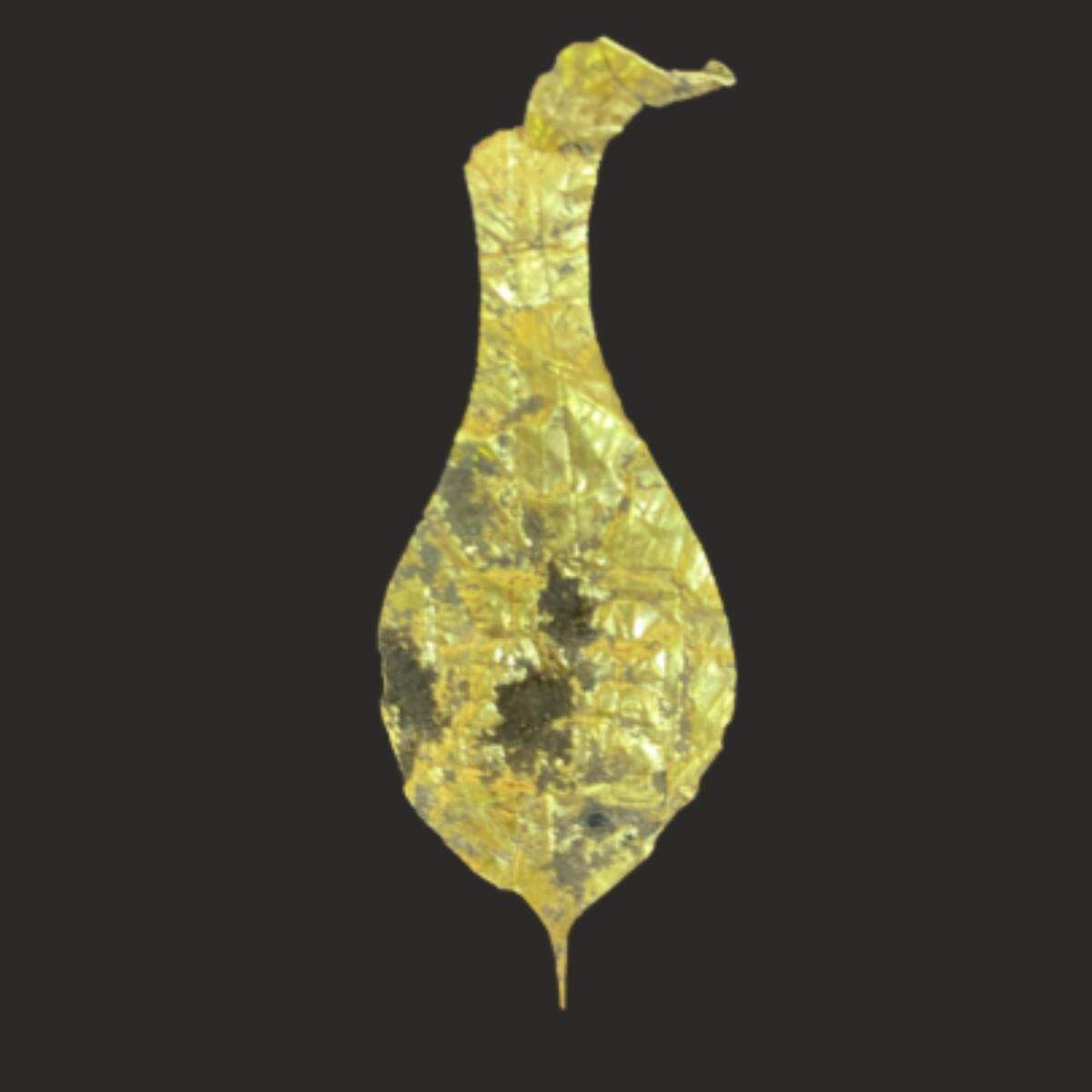
Archaeologist Radosław Karasiewicz-Szczypiorski, a co-leader of the excavation, described the gold artifact as rare and a first-of-its-kind find for the site, according to an Oct. 23 news release from Science in Poland.
The delicate gold plaque was likely left as an offering to Jupiter Dolichenus, possibly near a place of worship, Karasiewicz-Szczypiorski said.
Researchers long suspected “a sanctuary dedicated to Dolichenus existed in the vicinity of the Apsaros fort,” the center said. The recent gold find confirms this and will serve as a starting point to find it.
“The search for this sanctuary will be a focus of future excavation seasons,” the center said.
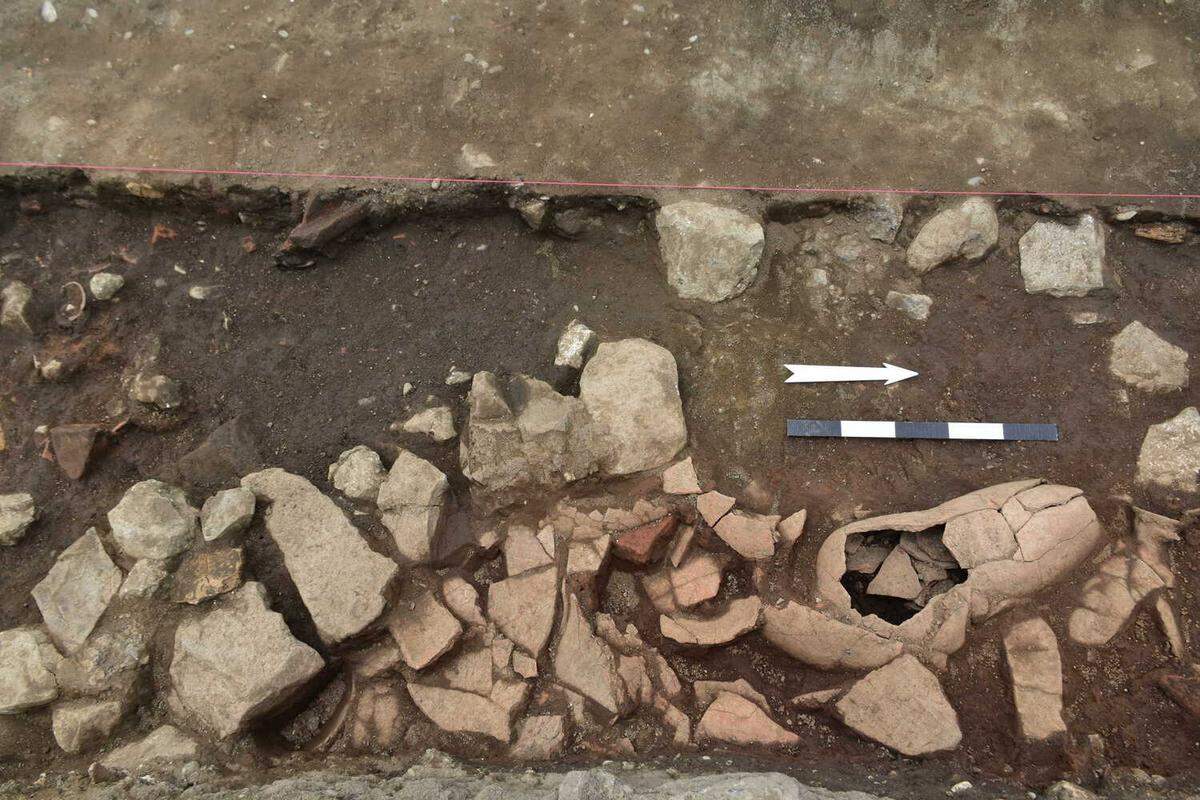
Archaeologists also unearthed a set of ancient Roman pottery kilns “used for firing amphorae, vessels typically used to store wine.” A photo shows one “particularly intriguing” oven with jars still inside.
Near the kilns, the team found a wine press, “suggesting that local wine may have been exported in these amphorae, likely for use by the Roman military,” the center said.
Based on these finds, Karasiewicz-Szczypiorski said the team believes large-scale pottery manufacturing and wine production took place at the ancient Roman fort, something atypical for the military. The craftsmen likely worked at the fort when soldiers were not around and were removed when the military returned.
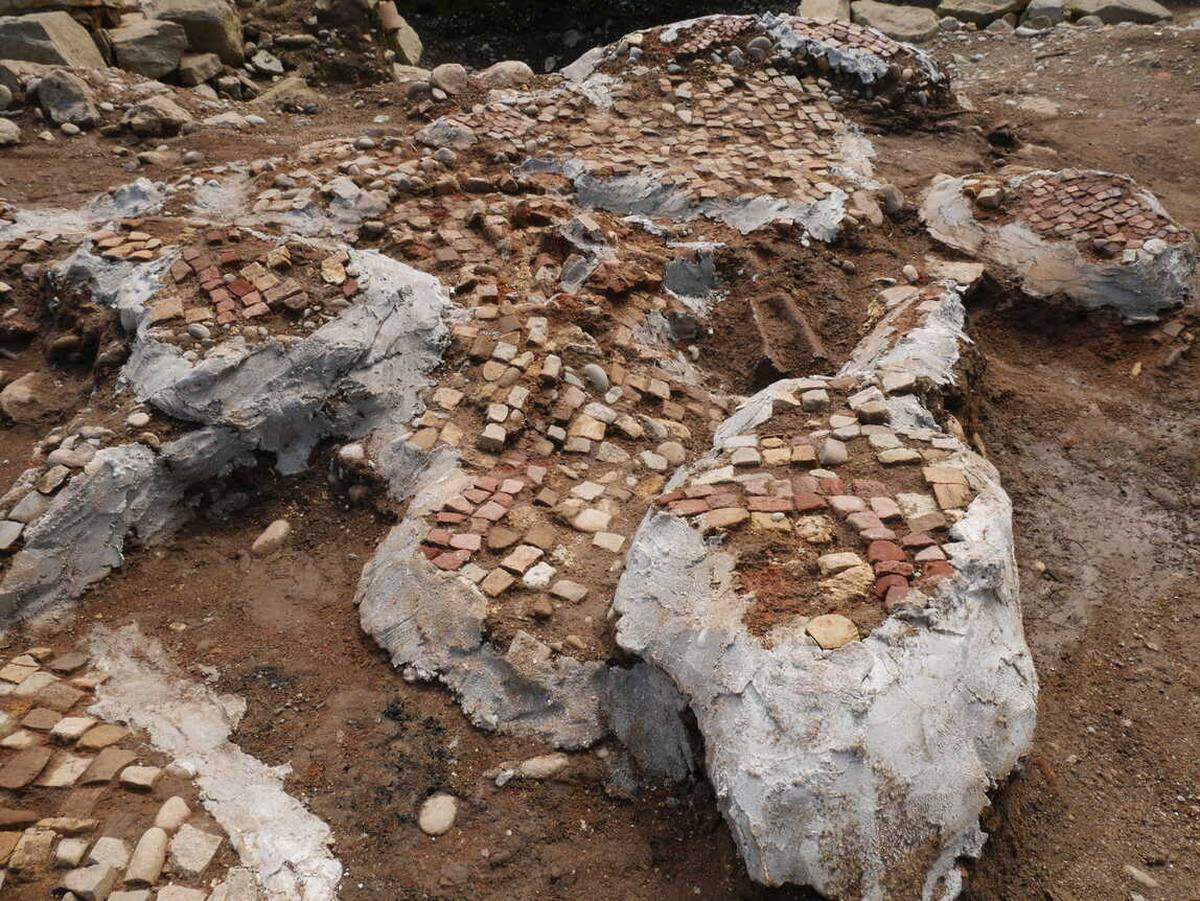
Archaeologists also worked on preserving some ancient Roman mosaics found in the ruins of the commander’s house.
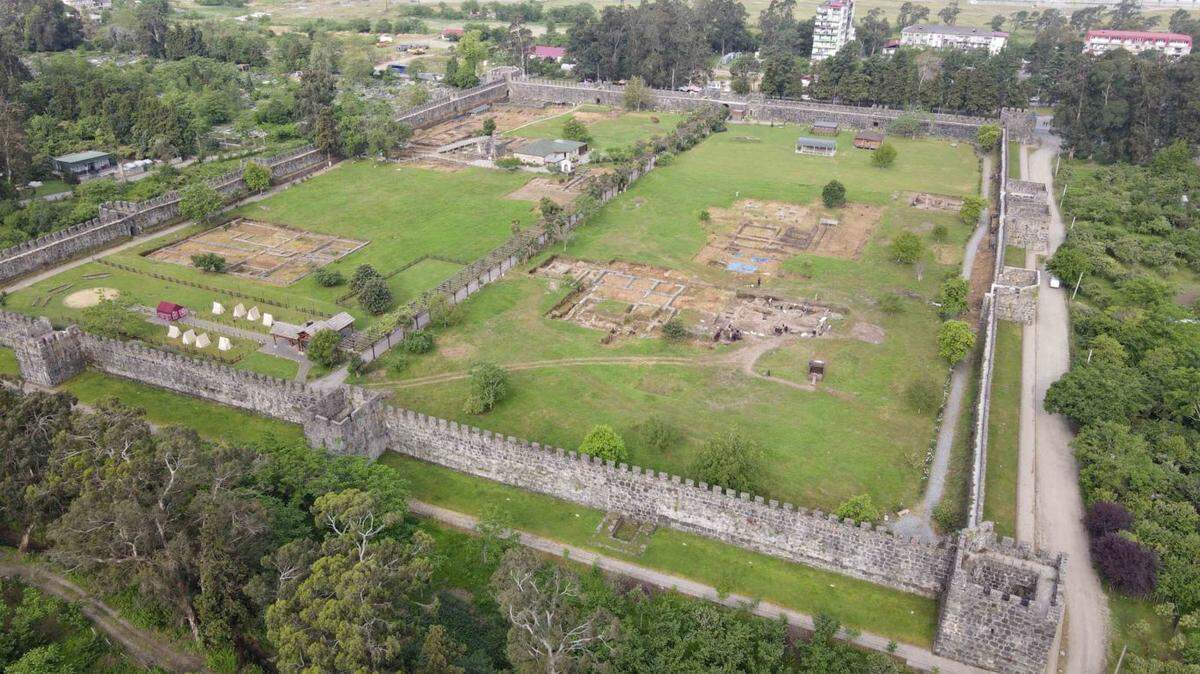
Gonio-Apsaros fortress is about 2,000 years old and was originally built by the Romans, according to an article from the center. The site was later used as a Byzantine and Turkish fortress.
A 2023 news release from the center shows an aerial view of the fort, located along the Black Sea and near the Georgia-Turkey border.
Google Translate was used to translate the news release from Science in Poland.
This story was originally published October 24, 2024 at 11:15 AM with the headline "Ancient gold gift for a mysterious deity found at Roman fort. See the rare treasure."