Photographer unknowingly carries moth from Guyana to UK — and discovers new species
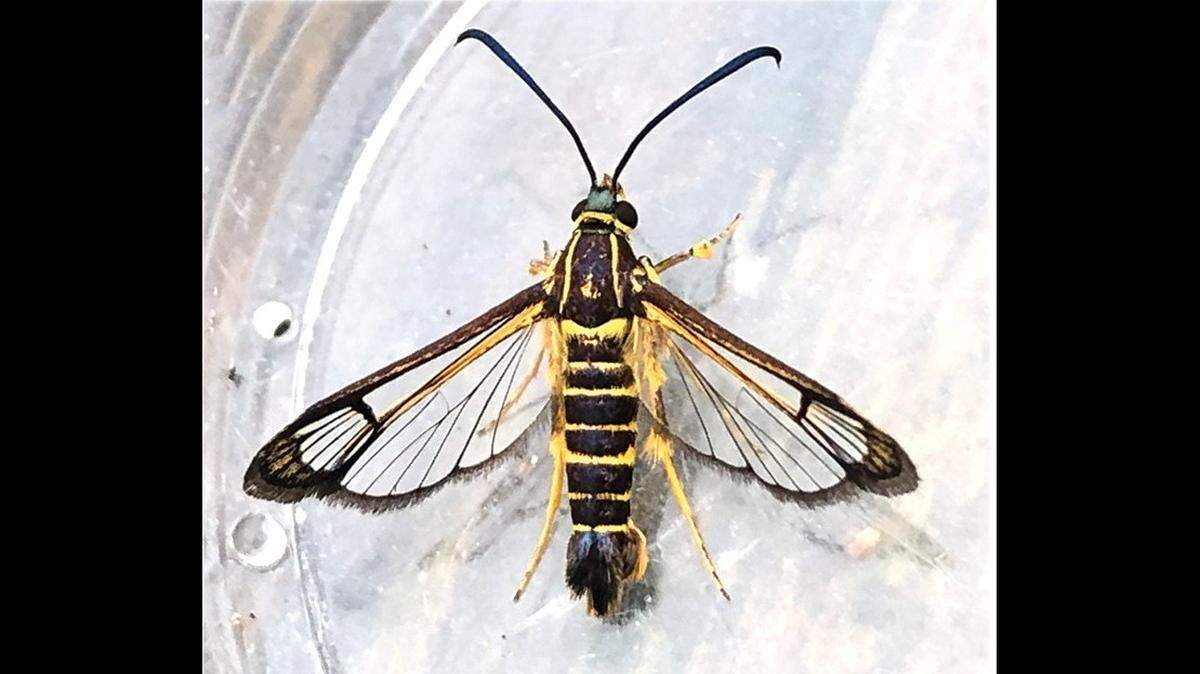
A photographer visited Guyana and unknowingly carried two stowaways home with her to Wales. Several months later, her daughter noticed a colorful moth near a window.
It turned out to be a new species from halfway across the world.
In February, ecologist Daisy Cadet spotted a yellow moth flying near a window at the south Wales home she shares with her mother, Ashleigh Cadet. Daisy Cadet also found a second similar moth dead on the windowsill. Intrigued, she shared a photo of the insects on social media, according to a study published Oct. 2 in the peer-reviewed journal Nota Lepidopterologica.
“When I first saw them, I knew they were clearwings and assumed it was a U.K. species,” Daisy Cadet told the BBC. “For me, finding a new moth was exciting enough but at this point, I had no idea it was so unusual.”
Daisy Cadet’s photos — and the dead moths themselves — eventually reached scientists with the Natural History Museum.
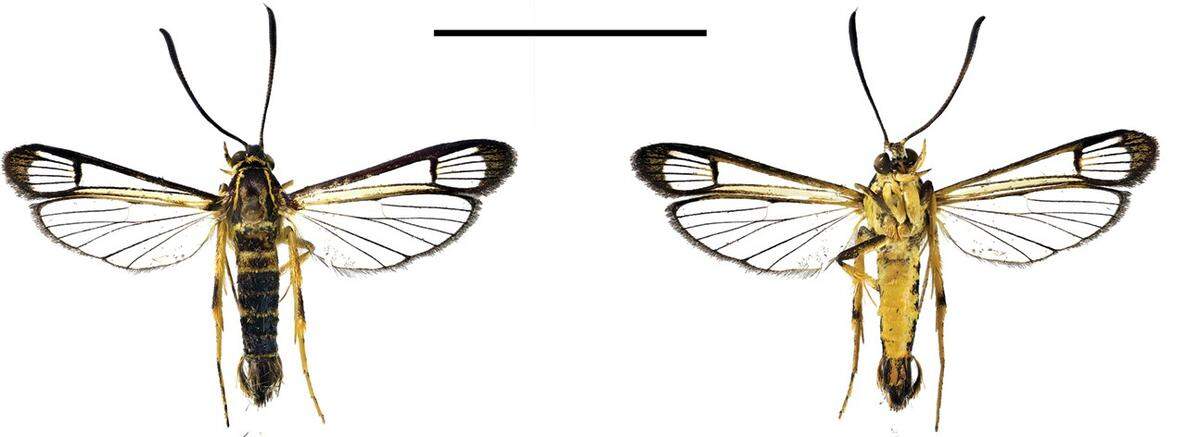
After analyzing the insect’s DNA, scrutinizing its appearance and finding more evidence at the Cadets’ home, researchers realized they’d discovered a new species from Guyana: Carmenta brachyclados, or the short-branched clearwing moth.
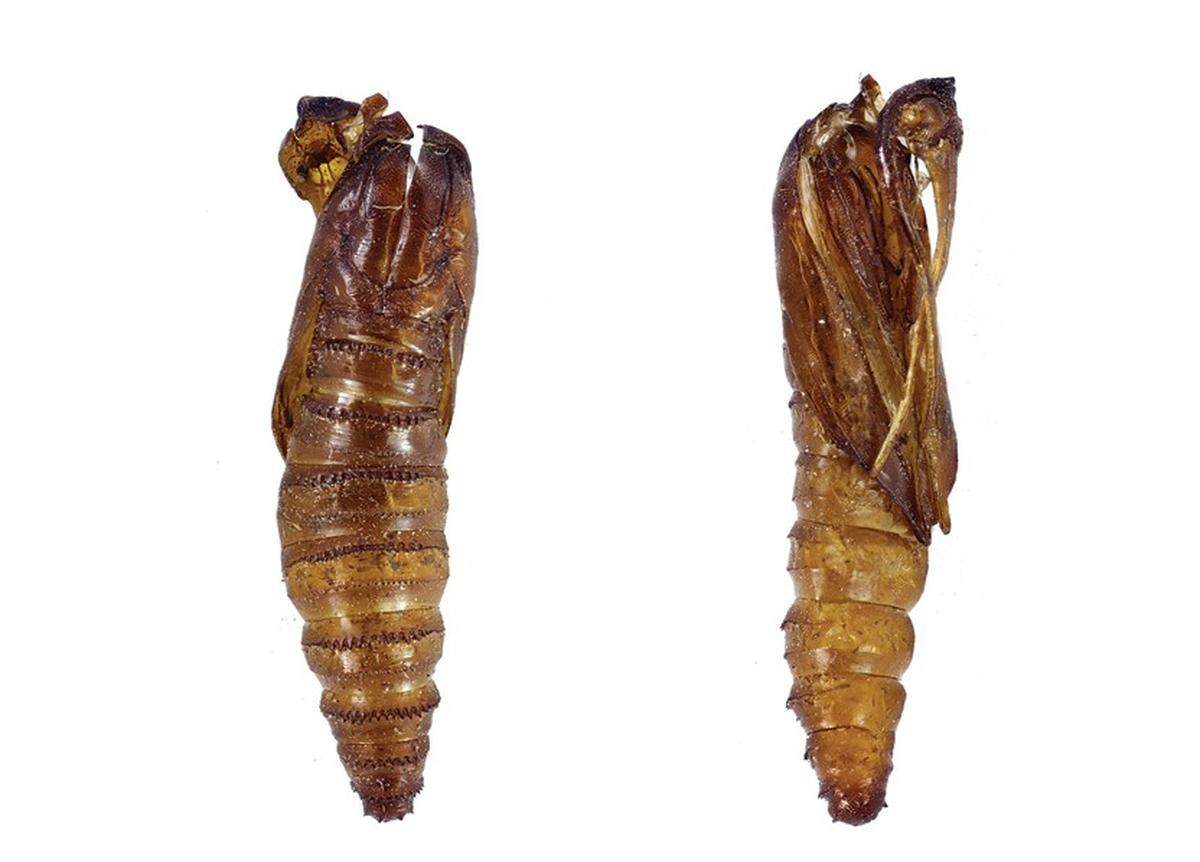
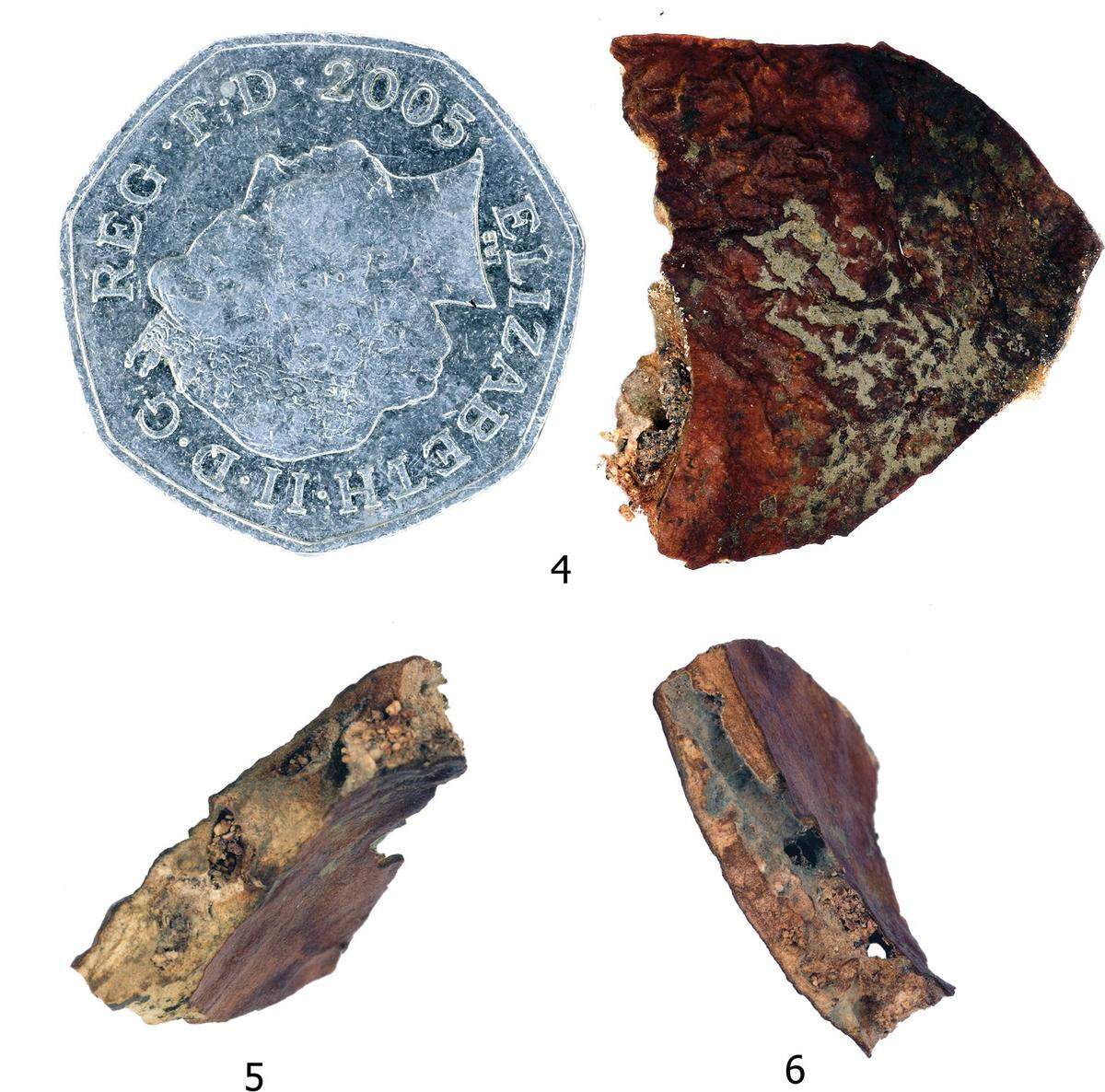
Ashleigh Cadet had visited the South American country in October 2023 on a photography assignment and accidentally brought back two immature moths plus their food source after they “stuck” to her boots, the study said. The moths matured in the “cold Welsh winter” before being found by Daisy Cadet in February.
“Clearwing moths are notoriously difficult to find, even by professional entomologists,” co-author Mark Sterling said in a news release from the Natural History Museum. “They are even more difficult to rear from larvae or pupae, which usually dry out or go moldy within a few days of collection.”
“The chances of two clearwing moths from the Neotropics successfully emerging in South Wales, over three months after they arrived, in cold Welsh winter, and being preserved in good condition, is extraordinary,” he said. “The improbability of this event defies rational explanation.”
Short-branched clearwing moths measure less than an inch across. They have a hairy yellow and black body, transparent wings, and black and yellow veins.
Researchers said they named the new species “brachyclados” after the Greek words “brachys,” or “short,” and “klados,” or “branch,” because of the short branching veins in its hindwing.
Photos show the new species, its food source and the exoskeletons it left over after it matured.
“We are privileged to be able to make discoveries like this,” Daisy Cadet told the BBC. “Awareness is no longer enough, and we need urgent, meaningful action to protect what remains.”
The research team included Mark Sterling, Daisy Cadet, Jordan Beasley and David Lees.
This story was originally published October 8, 2024 at 9:29 AM with the headline "Photographer unknowingly carries moth from Guyana to UK — and discovers new species."