‘Robust’ desert creature with porthole-like blotches discovered as new species
Under the cover of darkness, a “robust” creature with a unique spot pattern took up its rocky perch in a desert of Australia. Its “large” eyes scanned the sparse landscape.
Passing scientists noticed the pale animal — and discovered a new species.
Researchers ventured into several remote desert areas of central Australia to search for lizards, according to a study published Oct. 3 in the peer-reviewed journal Vertebrate Zoology. They suspected a known geckos species with three “isolated populations” was really several species lumped together.
To investigate, researchers tracked down multiple geckos from each population, analyzed their DNA and scrutinized their appearances, the study said. A pattern began to emerge. The lizards from the Stony Plains region were subtly yet distinctly different.
Researchers soon realized they’d discovered a new species: Diplodactylus fyfei, or Fyfe’s mesa gecko.
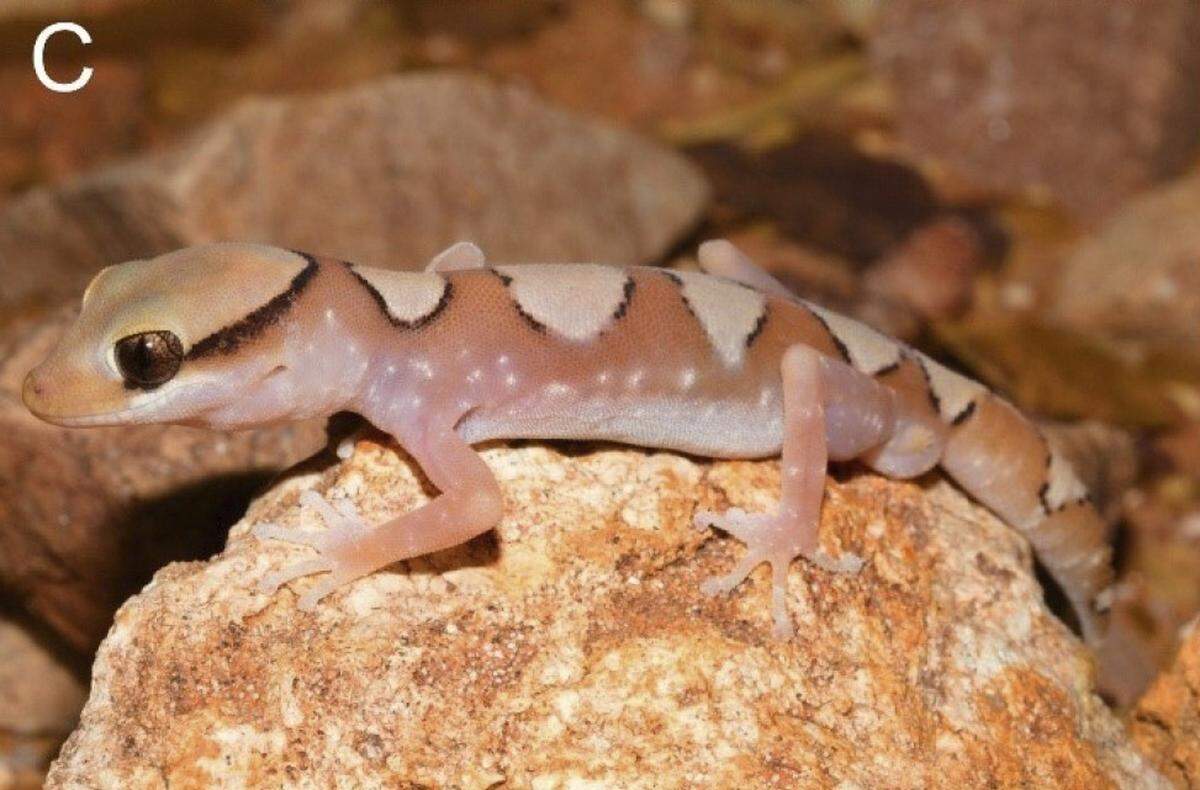
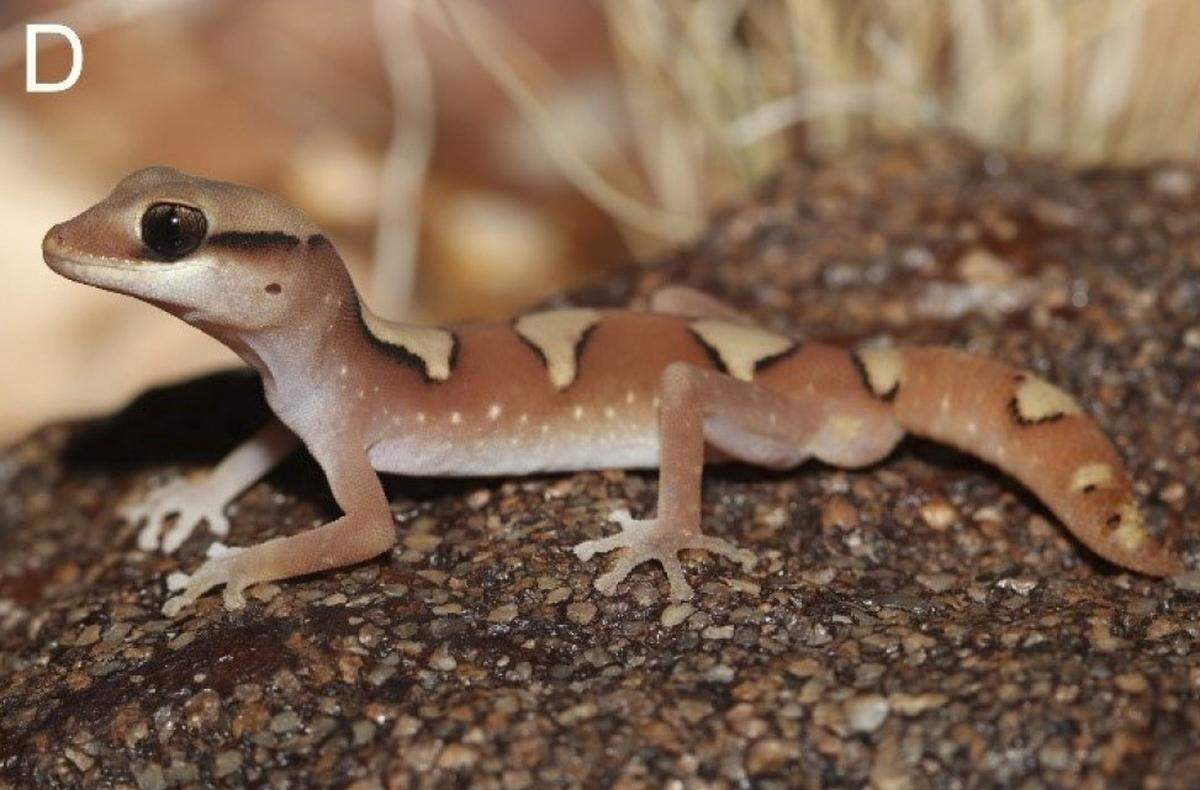
Fyfe’s mesa geckos are considered “medium-sized,” reaching about 3 inches in length, the study said. They have “robust” bodies with “wide” heads, “large” eyes and “short,” “thick” tails.
Photos show the pale pinkish-brown coloring of the new species. Tan patches run down its spine, and several white spots — described by researchers as a “row of ‘portholes’” — dot its sides.
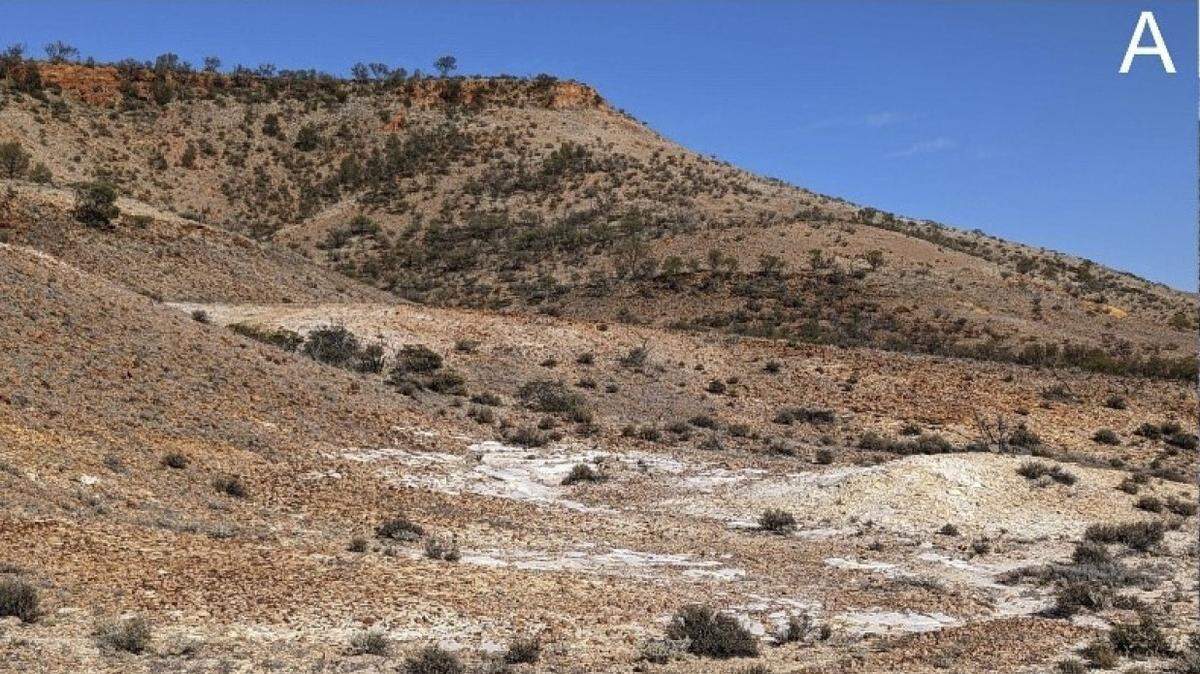
Fyfe’s mesa geckos live in the desert around flat-topped mountains with sparse vegetation. They were usually found at night and “perched atop rocks.”
Researchers said they named the new species after Greg Fyfe, a “pioneering herpetologist… in recognition of his substantial contribution to the knowledge and conservation of central Australia’s reptile fauna.”
So far, Fyfe’s mesa geckos have only been found in the Stony Plains region, a mountain range in the center of Australia straddling the border of the Northern Territory and Southern Australia, researchers said.
The new species was identified by its DNA, color pattern, scale size and other subtle physical features, the study said.
The research team included Peter McDonald, Aaron Fenner, Janne Torkkola and Paul Oliver.
The team also discovered a second new species: the Tjoritja gecko.
This story was originally published October 4, 2024 at 12:04 PM with the headline "‘Robust’ desert creature with porthole-like blotches discovered as new species."