‘Big’-eyed creature with ‘elongated limbs’ seen clinging to cliff. It’s a new species
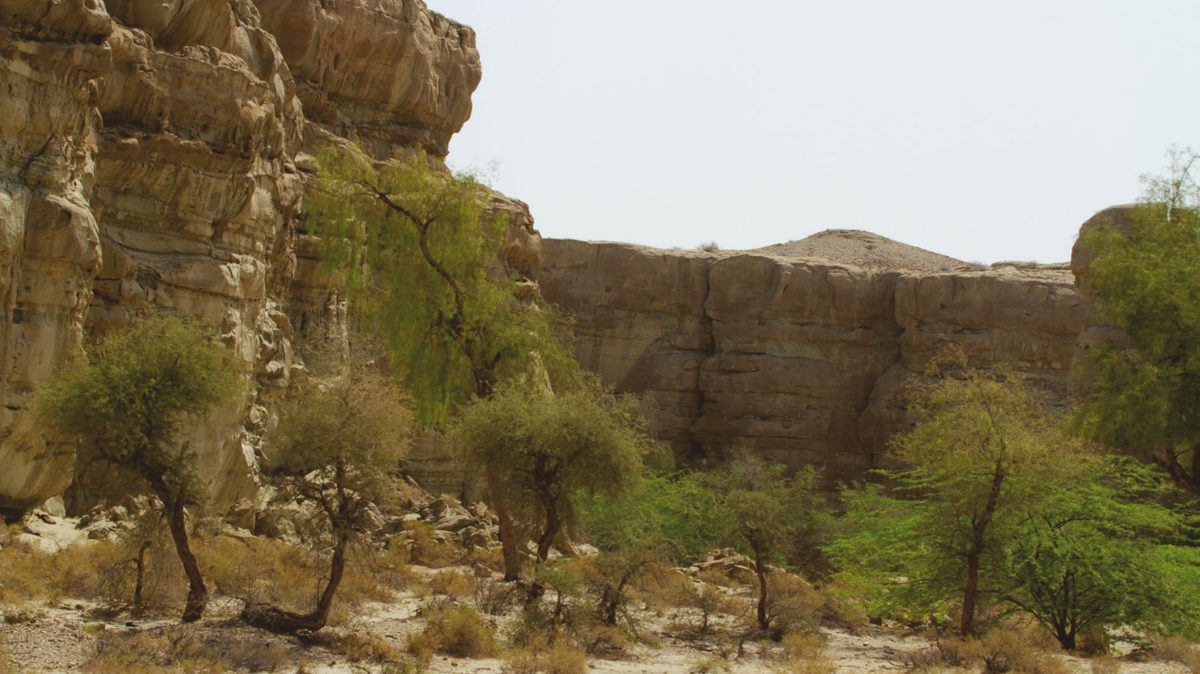
Obscured by the darkness, a pale creature with “elongated limbs” climbed along a cliff in Iran. Its “big” eyes searched the landscape — but it wasn’t the only one looking around.
Passing scientists spotted the scaly creature and discovered a new species.
Researchers visited a dry canyon near Bandar-e Jask in 2018 to survey its wildlife, according to a study published Sept. 26 in the peer-reviewed journal Zootaxa.
During the nighttime surveys, researchers encountered several spiky lizards clinging to the walls of the canyon. They captured a few of the unfamiliar-looking animals and, after taking a closer look, realized they’d discovered a new species: Asaccus authenticus, or the Bandar-e Jask leaf-toed gecko.
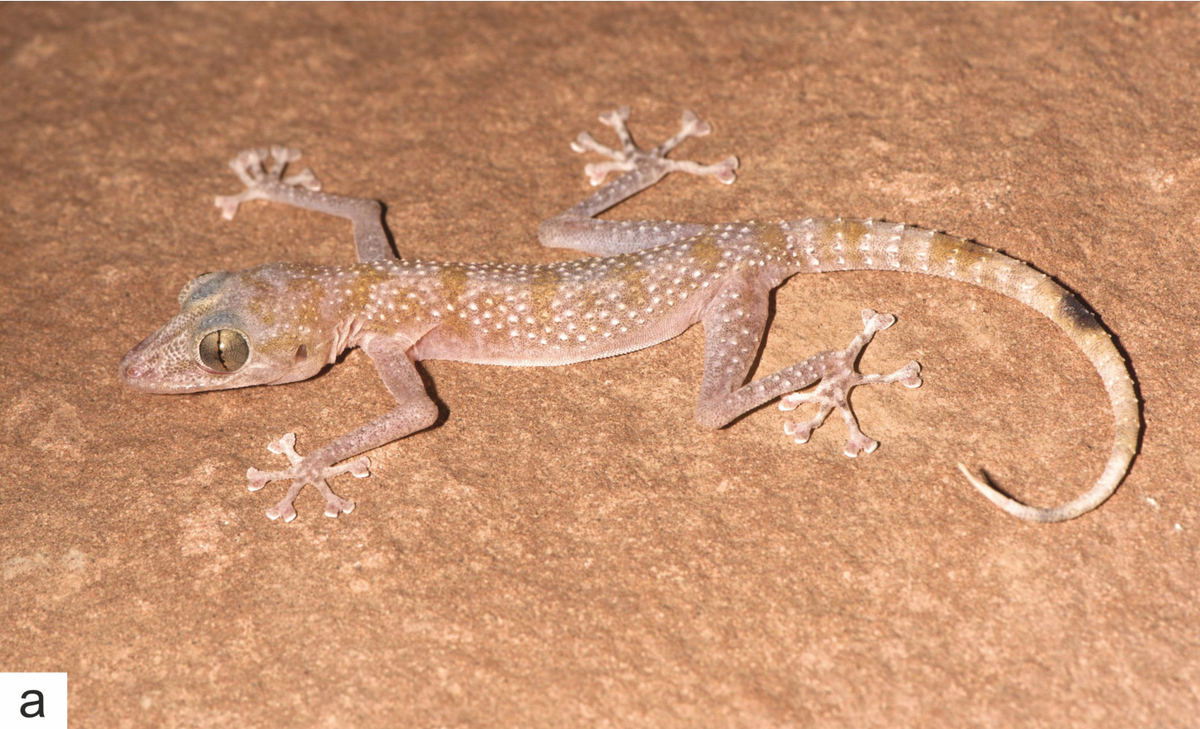
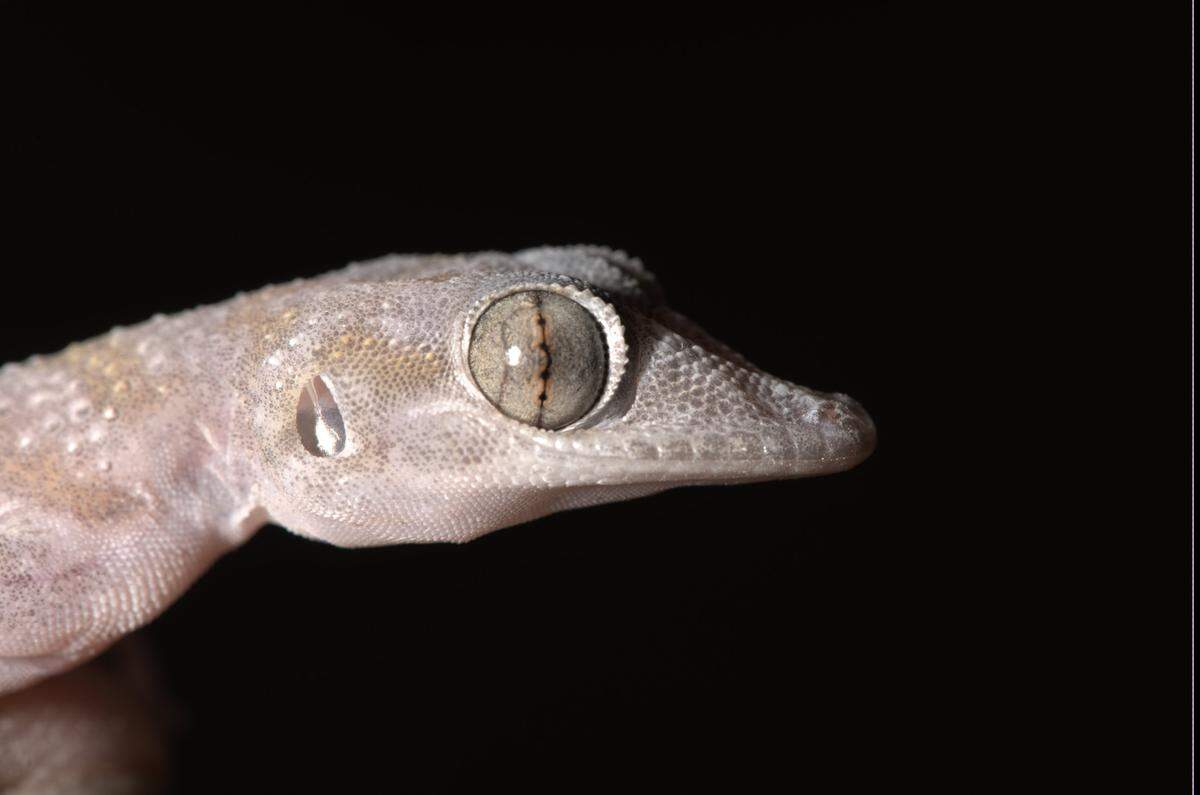
Bandar-e Jask leaf-toed geckos are considered “medium”-sized, reaching about 4.5 inches in length, the study said. They have “big” eyes, “slender” bodies covered in white spikes and “elongated limbs” with claws.
Photos show the pale coloring of the new species. Overall, it has a pinkish cream hue, a heavy scattering of white spots and some light brown bands running across its back. Its eyes are a metallic gold or gray.
Bandar-e Jask leaf-toed geckos were found at night “on sandstone cliffs within (a) dry river canyon,” researchers said. The geckos were relatively abundant and seen perched “on the vertical surfaces of sandstone outcrops” as well as “on the ground under the Acacia trees and bushes.”
Researchers said they named the new species after the Latin word “authenticus,” meaning “‘genuine’ or ‘original,’” because of its distant genetic relationship to other Iranian leaf-toed geckos.
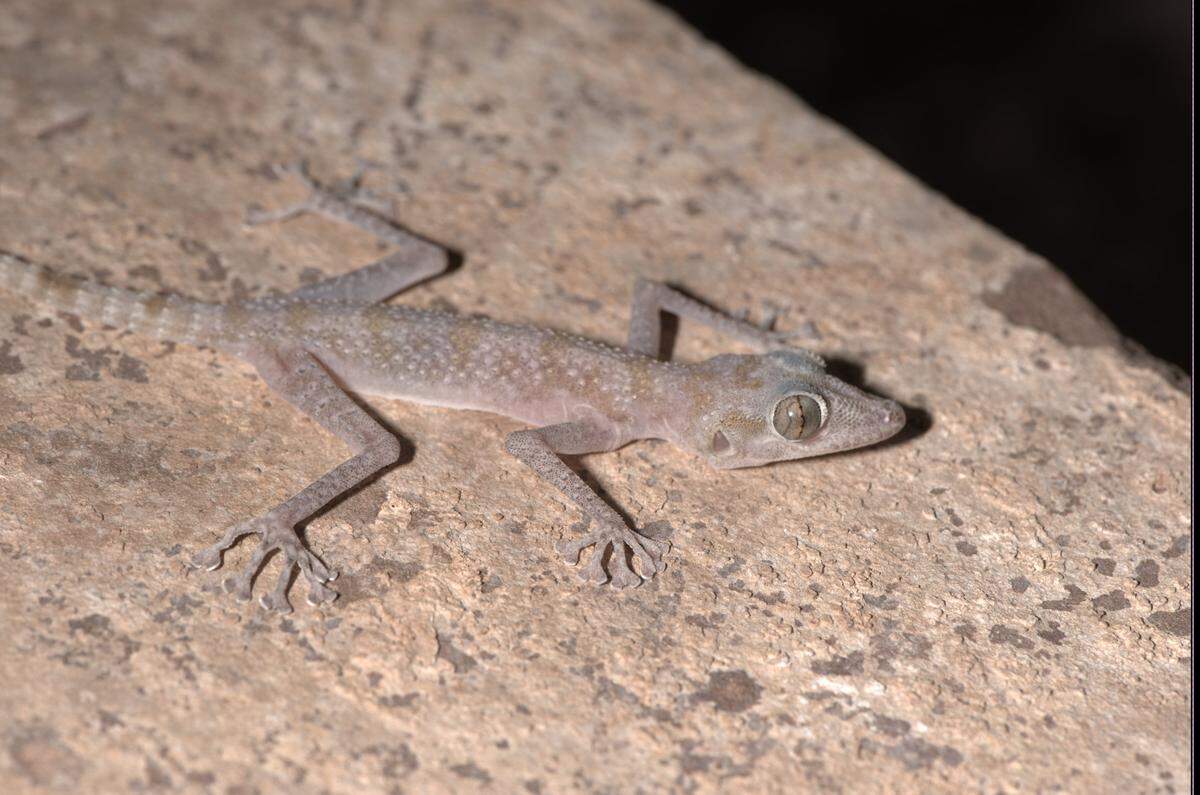
The new species’ common name refers to the Bandar-e Jask area where it was first discovered and, so far, the only area where it’s been found. Bandar-e Jask is a city along Iran’s southern coast and a roughly 1,000-mile drive southwest of Tehran.
The new species was identified by its habitat, size, body shape, scale pattern, coloring, spikes and other subtle physical features, the study said. DNA analysis found the new species had at least 23% genetic divergence from other related geckos.
The research team included Roman Nazarov, Hossein Nabizadeh, Mehdi Rajabizadeh, Daniel Melnikov, Valentina Volkova, Nikolay Poyarkov and Eskandar Rastegar-Pouyani.
This story was originally published October 1, 2024 at 12:11 PM with the headline "‘Big’-eyed creature with ‘elongated limbs’ seen clinging to cliff. It’s a new species."