Student working on project catches creature on campus — and discovers new species

When a college student set out on a campus in Thailand under the cover of darkness, they were hoping to find some stick insects.
The nocturnal creatures were the subject of the Mahidol University student’s bachelor’s project and needed to be surveyed and identified for the final piece, according to a study published Aug. 15 in the journal Taiwania.
The student scoured the Kanchanaburi campus, according to the study, and picked stick insects off the leaves and bushes they clung to, taking a closer look to determine their identity.
Then, one of the stick insects didn’t match any record the student could find.
They had discovered a new species.
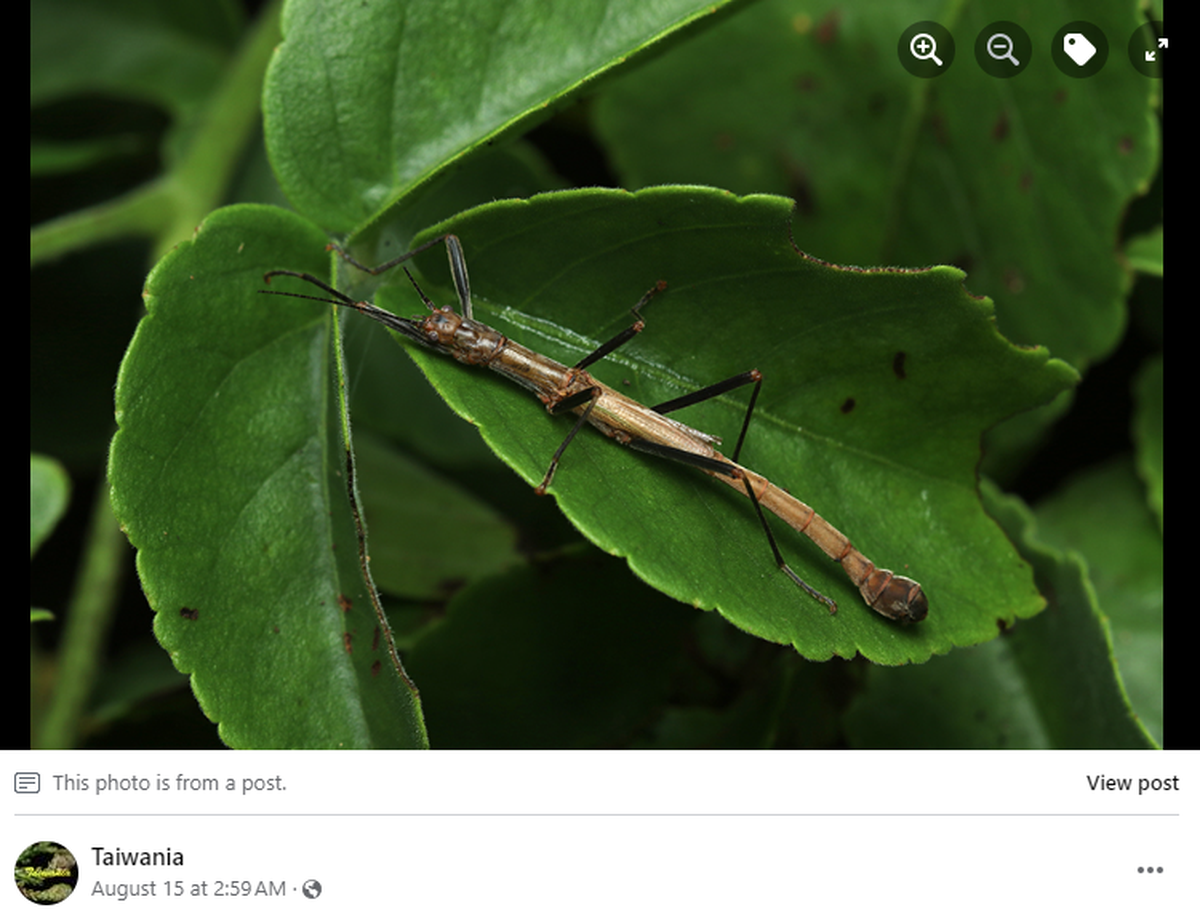
The camouflaged insects were found feeding on bushes in the forested habitat of the university campus, according to the study, during the months of August and September.
The new species’ bodies were an orange-brown color with black legs and a black marking between the eyes, researchers said, setting it apart from other known species.
The eyes themselves were “strongly protruding” and accompanied by antennae that reached “about halfway (to) the abdomen,” according to the study.
Other unique features were the “very small, almost indiscernible with the naked eye” wings, with an “elongate-triangular” shape, researchers said.
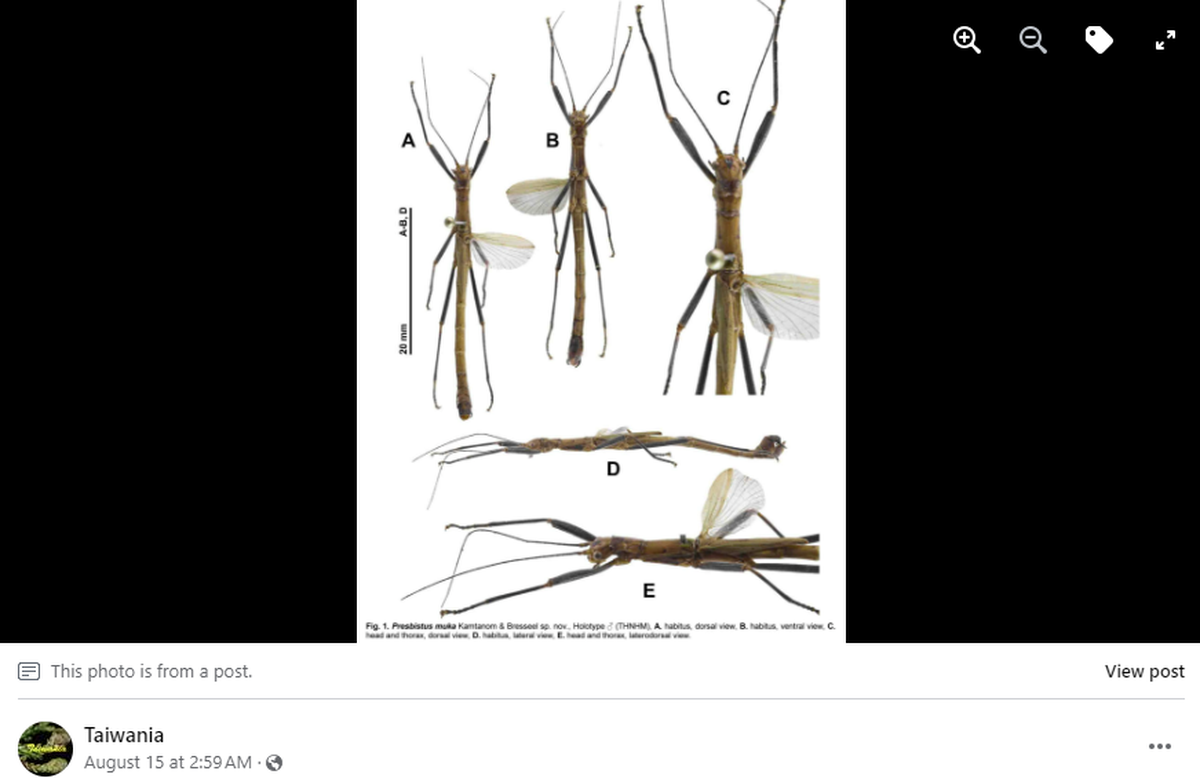
The new species was named Presbistus muka, honoring the acronym of the university campus where it was found. So far, this is the only place it is known to live.
Stick insects, sometimes called walking sticks, “are found on every continent except Antarctica,” according to the National Wildlife Federation.
They can grow anywhere from 1 to 12 inches long, and females are typically bigger than males, the federation says.
The insects are known for their incredible disguise as an inanimate stick, blending into bushes and plants, sometimes swaying back and forth to match the plant in the wind, according to the organization.
The Kanchanaburi campus of Mahidol University is in southern Thailand, just north of the southern peninsula.
This story was originally published August 21, 2024 at 9:21 AM with the headline "Student working on project catches creature on campus — and discovers new species."