‘Lost’ species rediscovered after 100 years when Florida university gets donation
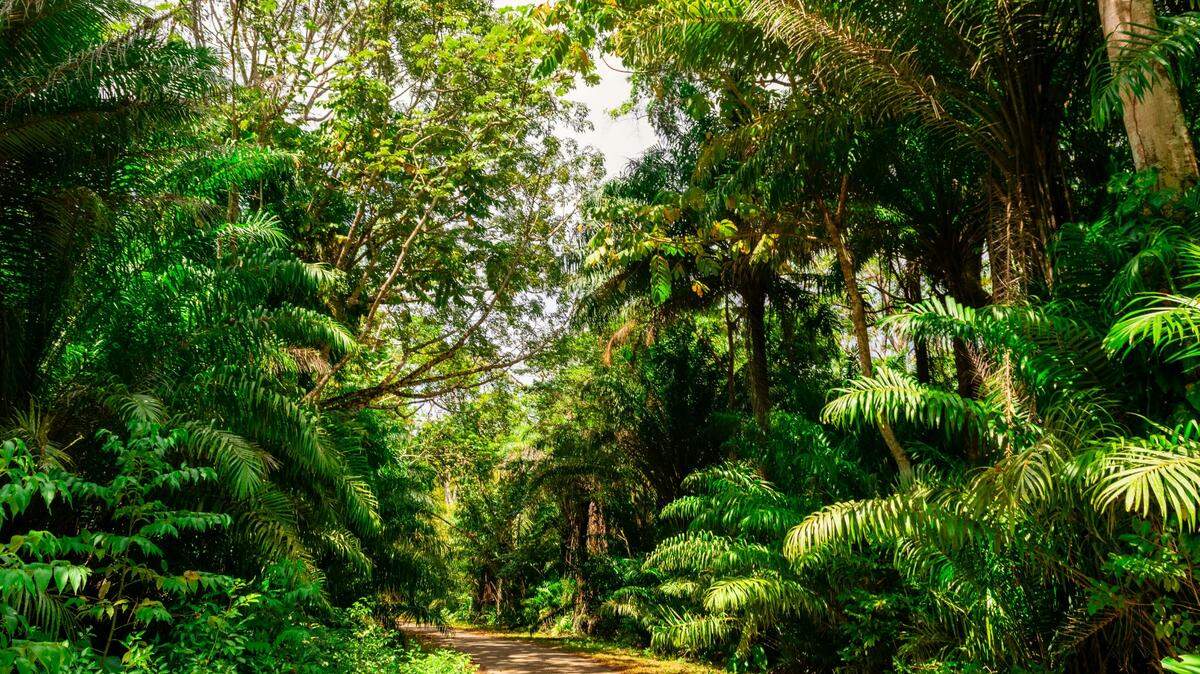
In the rainforest of northern South America, an entomologist by the name of Alfred E. Emerson spent five years on the hunt for new species.
Emerson conducted three species surveys from 1919 to 1924 in what was then British Guiana, known today as Guyana, eventually publishing his work in “The Termites of Kartabo” in 1925.
He described 76 unique species of Amazonian fauna, according to a study published April 11 in the journal Zootaxa, among them a single soldier termite he found on the stem of a dead plant.
“His first assumption was that the soldier was associated with separately collected alates of another new species … but then suspected that they were indeed authentic separate species,” according to the study.
He named the soldier Cryptotermes cubicoceps and added it to his collection.
The collection was part of the American Museum of Natural History when it was loaned in 1987 to another researcher who wanted to make a revision to the genus of termites, the study said.
When he came to C. cubicoceps, there was nothing there. “Soldier missing,” the researcher wrote.
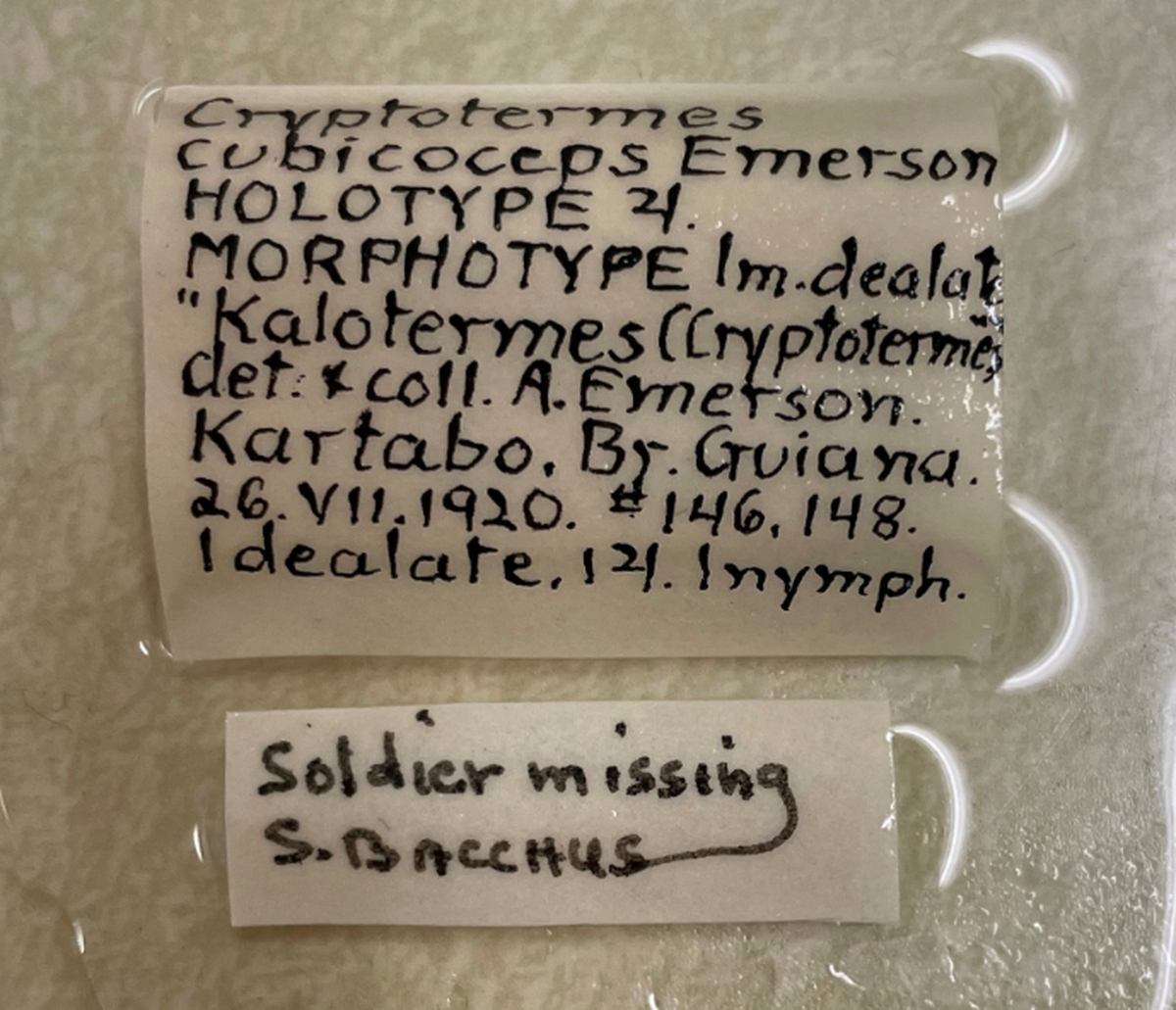
The “lost” species collected by Emerson was never found. Then, another entomologist made a donation to the University of Florida.
“Johanna (Darlington) is a retired colleague of mine from the UK. She spent several months in the West Indies in the 1980s collecting termites, including in Trinidad,” Rudolf Scheffrahn, entomologist and termite taxonomist at the University of Florida, and author of the study, told McClatchy News in an email.
In 2000, Darlington donated 155 termite samples from her collection to the UF Fort Lauderdale Research and Education Center, and Scheffrahn began looking through the samples and taking photos of each specimen in 2022.
One sample included two winged termites and one soldier termite, and Scheffrahn paused.
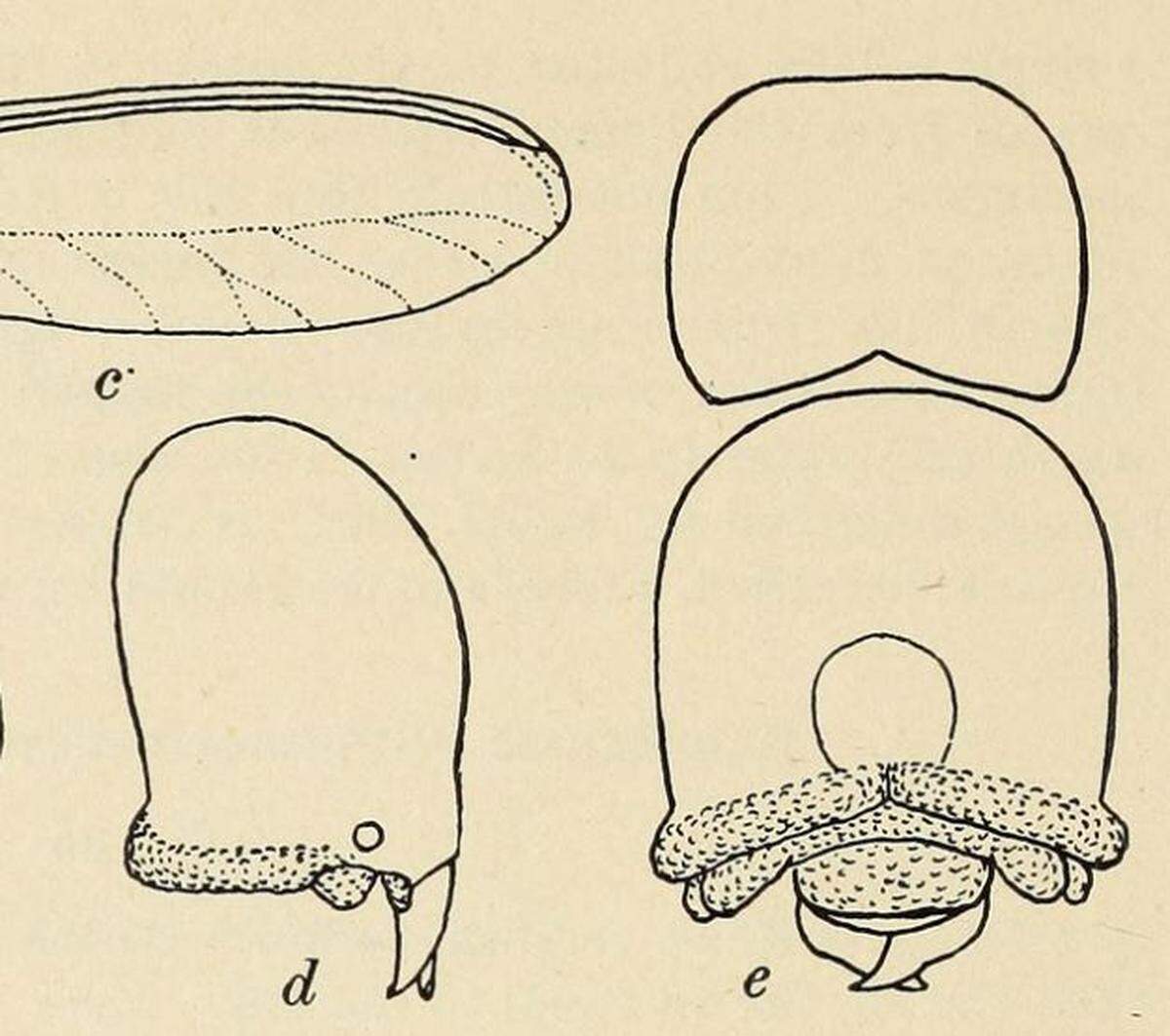
“When I saw the (soldier), it was identical to the drawing I remembered from Emerson’s 1925 paper on the termites of British Guiana (now Guyana),” Scheffrahn said. “Termites are not very colorful but the soldier termite of cubicoceps has a very hard and rough head used to prevent ants from entering the colony’s galleries in wood.”
The species had been rediscovered.
“I am the only termite taxonomist in North America, which seems amazing considering how economically and ecologically important termites are,” Scheffrahn said. “It is as exciting for me to redescribe a lost termite as describing a new genus or species as I have done hundreds of times.”
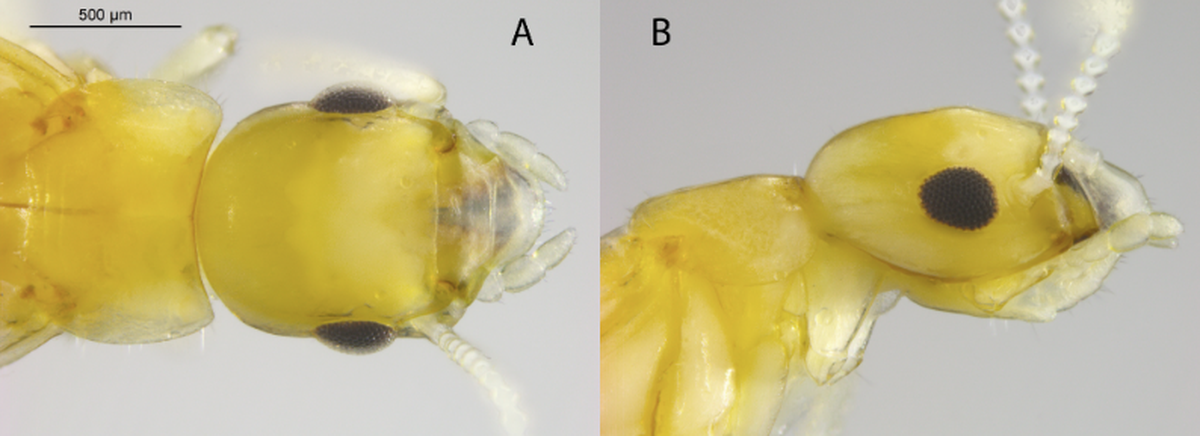
The termite is 7 millimeters long, has a yellow-ish brown color and a thick head, according to the study.
“Before she retired, Dr. Darlington sent me all her samples from the West Indies because I have the largest termite collection from the New World which I have amassed over a quarter century. She wanted her material to be curated with me,” Scheffrahn said. “The collection is housed in a special room here at the (Fort) Lauderdale Research and Education Center in Davie, (Florida). She also sent me hundreds of samples from Antigua, Grenada, Guadeloupe, Jamaica and Montserrat.”
Scheffrahn documents the collection through photographs, which he posts to an online database tracking termite species around the world.
“It is a resurrection of lost termite history,” Scheffrahn said.
The rediscovered species was collected in Trinidad and Tobago, an island nation off the northern coast of Venezuela in the Caribbean Sea.
This story was originally published April 17, 2024 at 11:45 AM with the headline "‘Lost’ species rediscovered after 100 years when Florida university gets donation."