Metal detectorists search WWI battleground in Poland — then find something much older
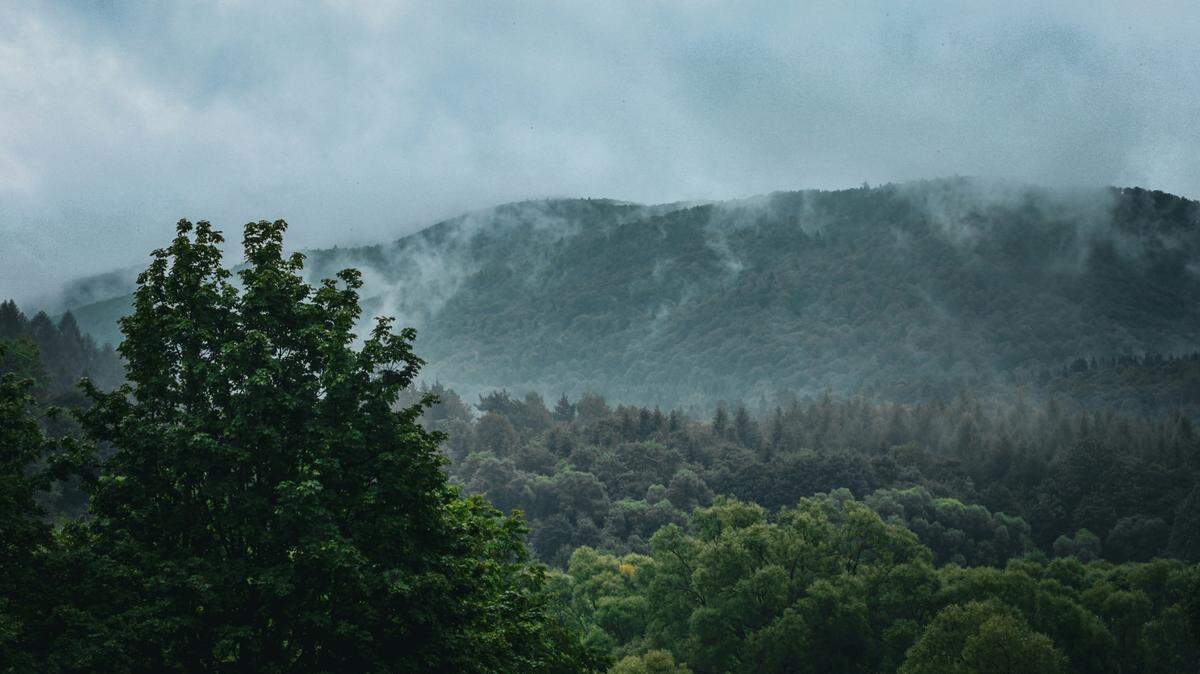
At the beginning of the 20th century, the forested mountains of Poland were the backdrop for battles of the Great War.
The Bieszczady Mountains are part of the Baligród Forest District, and evidence of World War I is now obscured by the soil, roots and trees that have grown in the past century.
That was until curious explorers armed with metal detectors began scouring the ground, waiting for the beep of their machines that indicates something buried below.
The Historical and Exploration Association “Galicja,” a non-profit organization based in Rzeszów, started working in the area a few years ago, according to a July 11 news release from the Ministerstwo Nauki i Szkolnictwa Wyższego, the Ministry of Science and Higher Education.
The organization’s work uncovered remains of soldiers from a winter battle in 1915, according to the release, leading to the creation of a soldier cemetery on Manyłowa Mountain.
Then, in May and June, the organization found there were things much older hidden in the forest.
Two ancient daggers and a 19th-century ring were discovered, the organization said in a July 9 Facebook post.
A bronze dagger was found in a stream flowing through the forest, the organization said, and researchers are working to determine its age.
A second dagger, from the Middle Ages, was also discovered, the organization said. At first, archaeologists believed it could have military origins, but under closer inspections, researchers said it was more likely from medieval times.
A spear and ax from the same time period have previously been found in the forest, the organization said.
Another detectorist then found a large, ornate brass ring, according to the post. The ring is much younger than the daggers, likely from the 19th century, the organization said.
All of the artifacts were transferred to the Historical Museum in Sanok for further inspection and analysis, according to the Ministry of Science.
Edward Marszałek, from the Regional Directorate of State Forests, said these finds prove the Bieszczady Mountains supported life hundreds and thousands of years ago, a history of which is still widely unknown.
The Bieszczady Mountains begin in southeastern Poland and run through Slovakia and into western Ukraine.
Rzeszów is in southeastern Poland, about a 100-mile drive east from Kraków.
This story was originally published July 11, 2024 at 4:44 PM with the headline "Metal detectorists search WWI battleground in Poland — then find something much older."