Deep-sea mud-dwelling creature — with 5 arms — found in Pacific. See the new species
Sitting in the National Museum of Natural History in Paris, samples of sea stars that once littered the ocean floor remain untouched for decades, becoming brittle and hard.
Some labeled, others left unidentified, the sea stars represent a mountain of information and knowledge waiting to be learned.
A few of those stars arrived at the museum in 1994, but it wasn’t until a researcher from the National Museum of Natural History at the Smithsonian took a closer look did anything stand out.
They belonged to a new species.
“They had remained unidentified or misidentified in the collections for almost 30 years,” researcher Marine Fau told McClatchy News in an email. “I like this part of the study because it highlights that taxonomy takes time.”
Fau’s discovery was published in the journal Zoosystema on May 14.
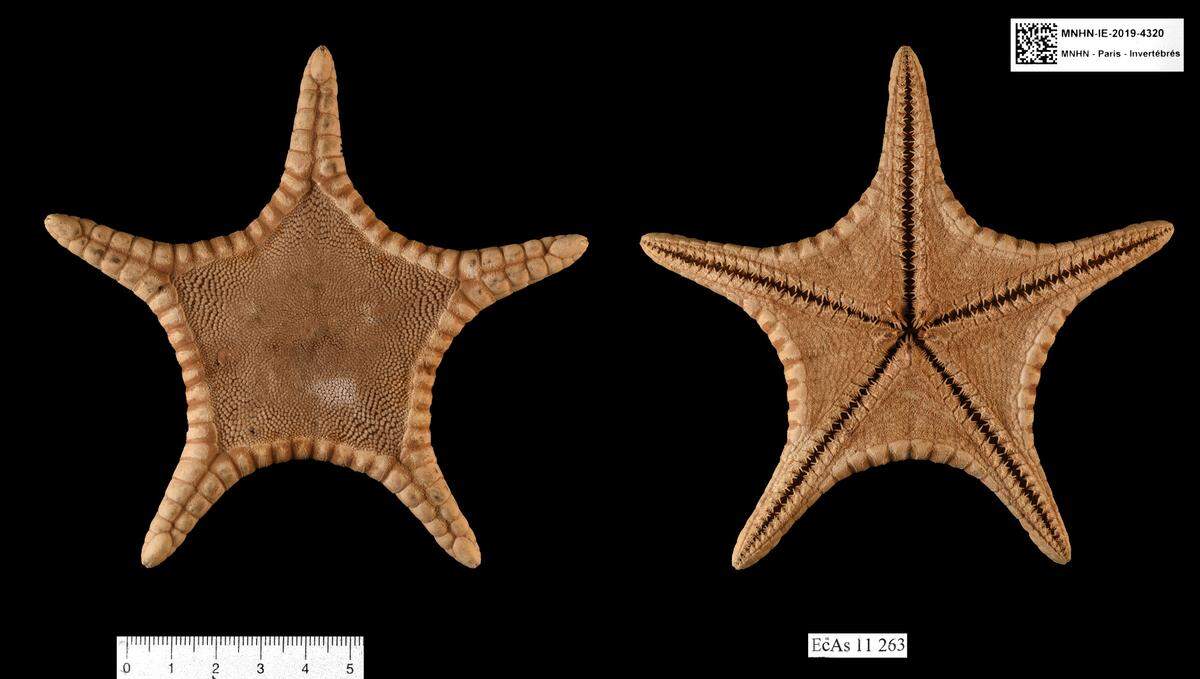
“The new species, Benthogenia mahi, belongs to the Porcellanasteridae family, commonly referred to as mud stars,” Fau said. “They are called mud stars because, although little is known about their living habitats, it is believed they live buried in sediments.”
Fau said most of the specimens collected from the ocean in this animal family have “stomachs filled with mud.”
Unlike other known related species that live in relatively shallow water, the Bethogenia mahi live anywhere from 3,280 to 22,300 feet deep, making them a deep-sea species, Fau said.
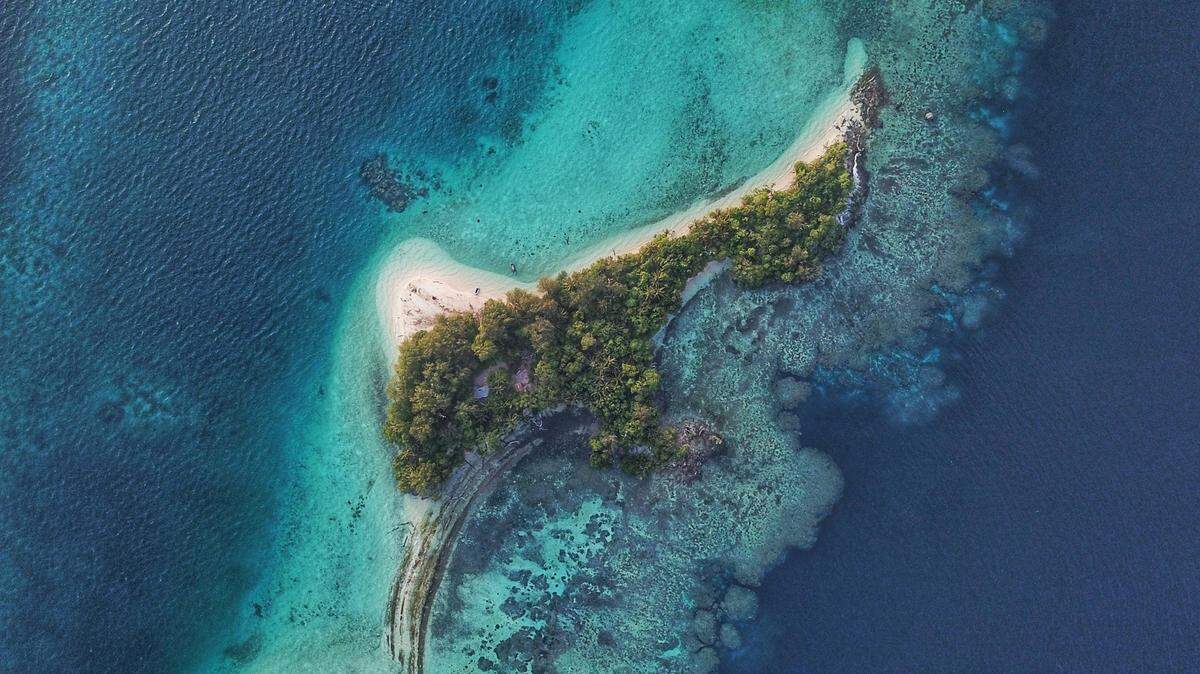
The species was first collected off the Solomon Islands in the South Pacific, according to the study.
“The new species Benthogenia mahi is named in honor of Dr. Chris Mah, a research associate at the National Museum of Natural History (NMNH). Over the past 20+ years, Dr. Mah has described more than 150 species of starfish, making significant contributions to our understanding of starfish biodiversity,” Fau said. “His dedication to the study of starfish taxonomy has been instrumental in advancing the field and understanding these fascinating creatures.”
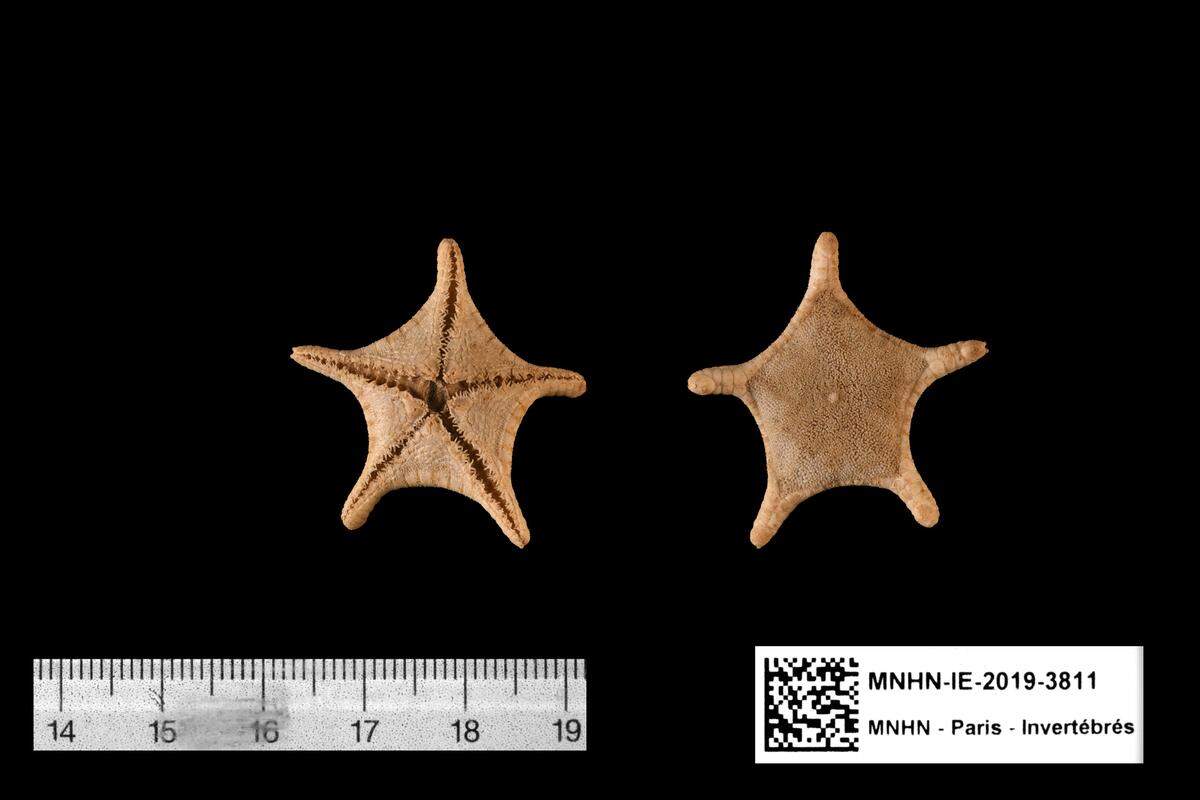
The Mah mud star has a “pentagonal” body with tapered arms, according to the study, and is “partially covered in spinelets” and “deep ridges.”
The keel of the sea star, similar to a centerline keel of a boat, was “relatively shallow and less developed” than others in the family, according to the study.
The Mah mud star also has “bare patches” on parts of its body, “more robust arms” and a “greater number of spinelets,” according to the study.
Its structure stood out from others in the genus, Fau said.
“I was able to describe this new species because I was able to study several specimens that consistently differed from Benthogenia cribellosa, the previously known species,” Fau said. “To show that B. mahi is a different species from B. cribellosa I studied the holotype of B. cribellosa, which was collected more than a hundred years ago in 1909. ... This highlights the critical role of museum collections in scientific research.”
The Solomon Islands are an archipelago nation about 2,000 miles northeast of Australia.
This story was originally published May 17, 2024 at 4:51 PM with the headline "Deep-sea mud-dwelling creature — with 5 arms — found in Pacific. See the new species."