‘Bloodthirsty’ predator found buried with ancient dogs in Hungary, baffling experts
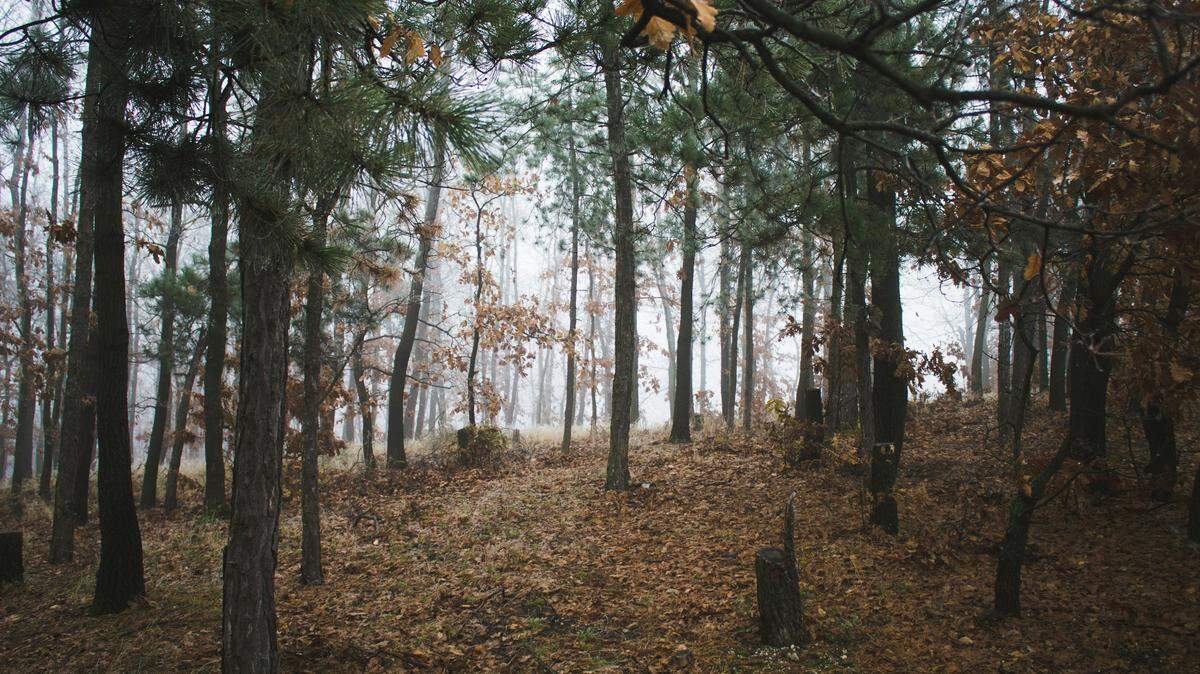
As archaeologists dug into what they believed to be an ancient storage pit, they were surprised to instead find the remains of dogs.
Then something even more shocking was unearthed.
The team was working in Zamárdi, a community in west-central Hungary on the south shore of Lake Balaton, according to a March 21 study published in the International Journal of Osteoarchaeology.
Once the frontier of two Roman-era provinces, the settlement was occupied by multiple communities and groups during the “Migration Period,” the researchers said. This period began roughly around the fifth century A.D., according to Britannica.
There the researchers found what appeared to be a granary, a beehive or globular-shaped hole in the ground typically built to store grain or corn.
They dug into the soil, and about 25 centimeters down the team struck bone, according to the study. It was the complete skeleton of an ancient dog.
They kept digging, and at 65 centimeters deep they found another, and then two more at 85 centimeters deep and 100 centimeters below the surface.
They kept digging and found one more complete skeleton, but it looked much different than the others.
Unlike the two male and two female canines that lay above it, this skeleton belonged to a feline, the researchers said.
“The lynx remains were completely unexpected,” study author Laszlo Bartosiewicz told McClatchy News in an email. “Dog skeletons are found more commonly as they are rarely eaten, i.e. dismembered like meat-purpose livestock.”
Lynx are species of medium-sized wild cats that live in northern climates across the globe, the researchers said, and their bones are almost completely absent from the archaeological record.
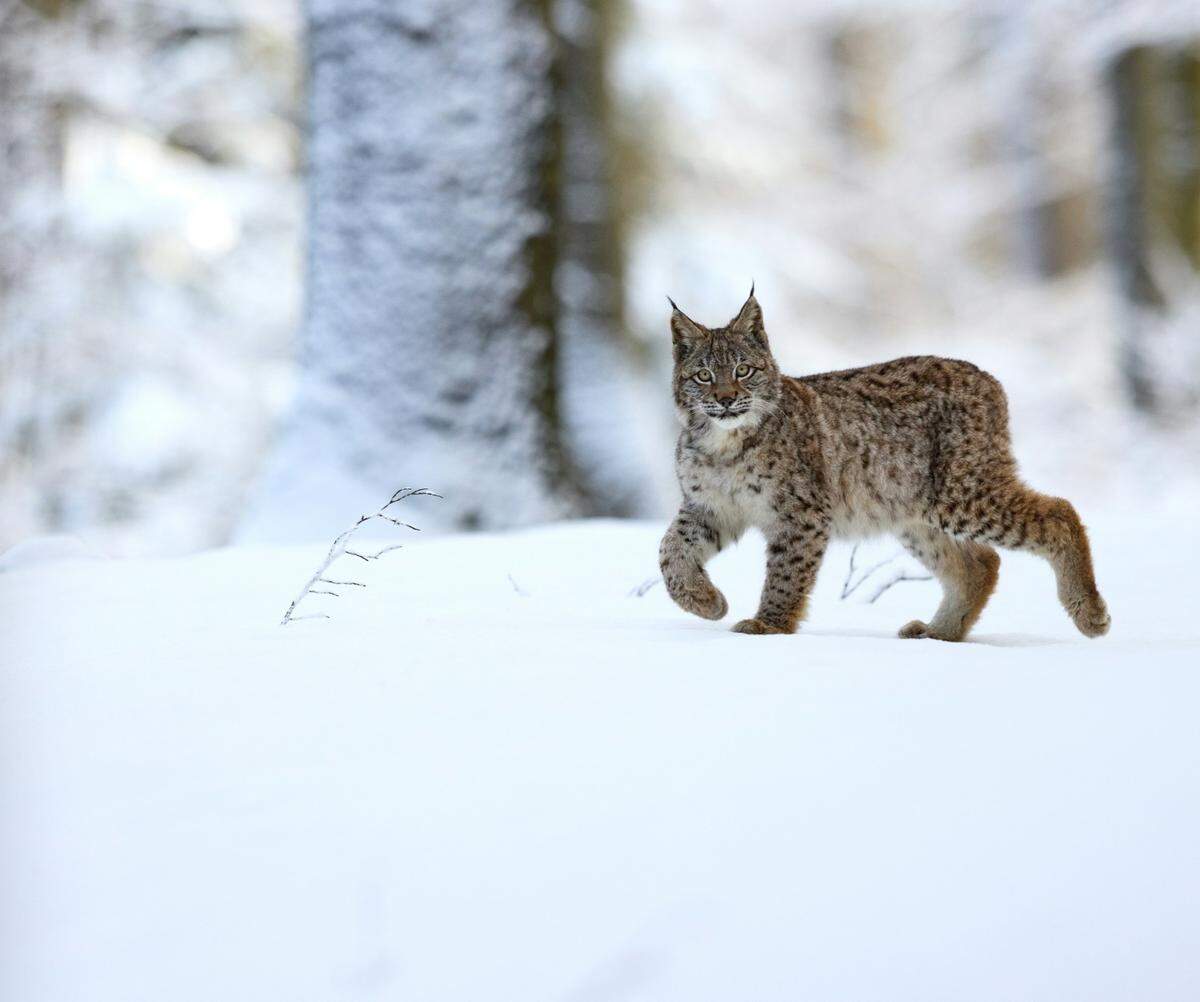
In fact, the researchers believe this ancient skeleton is the only one that’s been found in Europe, according to the study.
By using the bone structure of the animals, the researchers were able to confirm the feline belonged to the elusive cat family, and the dogs were similar to what we know as pointers or German Shepherds today, according to the study.
The pit dates to the fifth or sixth century, according to the study, but the purpose of the animal burial remains a mystery.
“Even if the lynx looks central to this deposit, its interpretation remains inevitably speculative,” the researchers said. The hole was dug intentionally, according to the study, and the animals were placed inside but without significant care.
The feet of lynx have been found with human remains before, according to the study, likely attached to furs worn by the deceased, but none of the bones found in Zamárdi had marks suggesting the animal was skinned.
One possibility is the animals died as a result of a hunting accident or confrontation, the researchers said. If the cat had been cornered by hunting dogs, it could have put up a “formidable opposition,” according to the study.
“Should it have been mauled by dogs, its valuable pelt would have become useless, a possible explanation for the lack of skinning,” the researchers said.
The community could have also killed the lynx on purpose, as it held a bad reputation as a “bloodthirsty” nocturnal predator by medieval sources, according to the study.
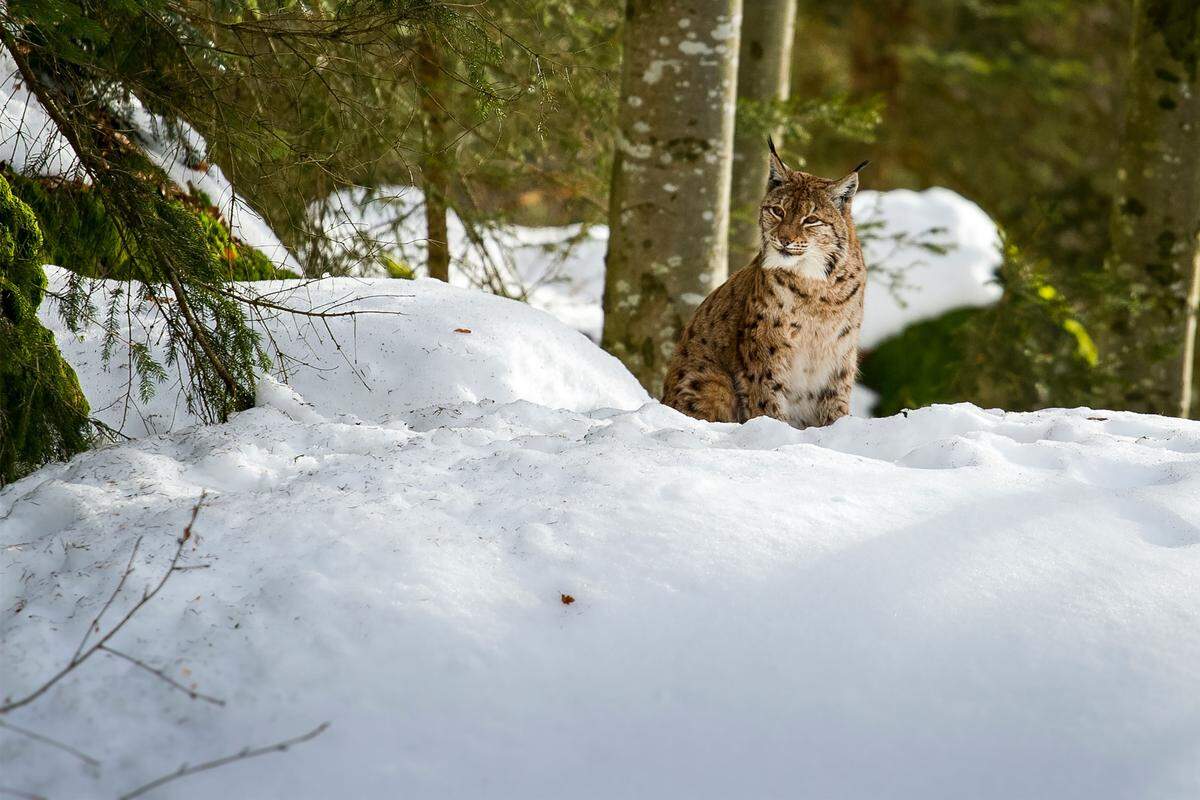
“Lynx may kill more animals than they actually eat. This has to do with elevated levels of adrenaline during the hunt, much like when cats are ‘playing’ with their live prey,” Bartosiewicz said. “Lynx ‘binge killing’ would not occur much in nature, however, it may take place when preying upon herds. Thus, they have a negative perception among pastoralists, much like wolves.”
The people at the time may also have had a supernatural relationship with the cats.
“There are historical references to the glowing eyes of lynx that look spooky in the dark,” Bartosiewicz said.
The researchers say even a “lynx cult” is possible, where the dogs may have been sacrificed, either all at once or one at a time, buried on top of one another.
The burial’s origins are likely to remain a mystery, Bartosiewicz said, because the discovery is so unique.
“We could wait for another such archaeological find, but chances are close to 0,” he said. “The additional study of historical and ethnographic sources could help, as well as considering further details of lynx behavior. However, all these are feeble proxies to the unique phenomenon observed in this pit.”
Zamárdi is about a 70-mile drive southwest of Budapest.
This story was originally published April 9, 2024 at 8:35 AM with the headline "‘Bloodthirsty’ predator found buried with ancient dogs in Hungary, baffling experts."