Deep-sea creature with ‘whiplike’ antennae discovered off Iceland. See the new species

Deep below the freezing waves of the Atlantic Ocean surrounding Iceland, small white sponges stand out in sharp contrast from the dark sea floor.
The white glass sponges dot the “vast abyssal plains” northwest of the island nation — and provide a home for an undiscovered species.
Shockingly bright against the black and white landscape under the sea, small pink creatures crawl in and out of the sponges and represent a new species of shrimp.
The discovery was published in the European Journal of Taxonomy on March 28.
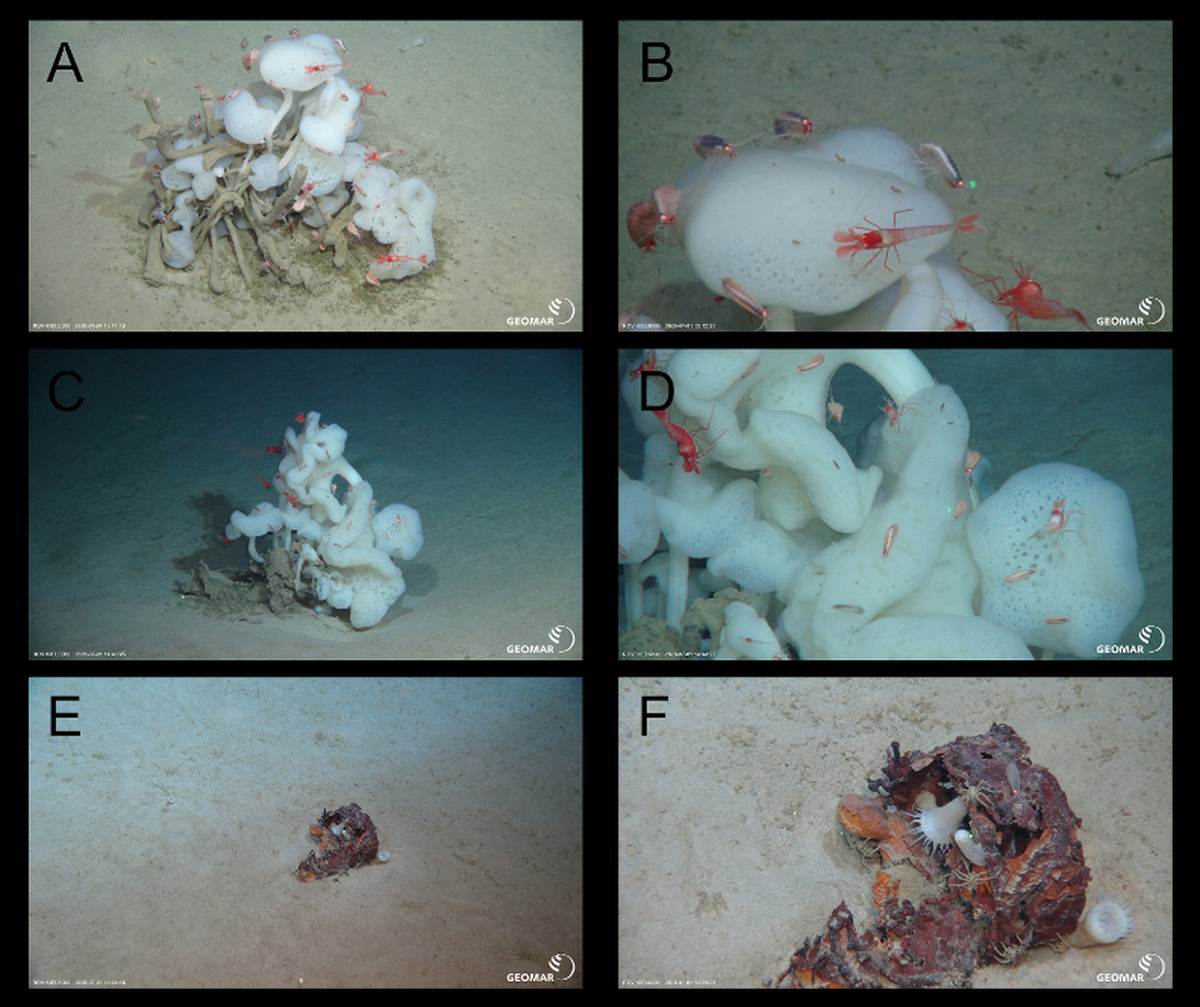
Researchers on the scientific voyage IceAGE 3 cruise were scouring the minus 1 degree Celsius waters with an underwater robot when they came across the sponges, according to the study.
Equipped with a “slurp-gun” at a depth of about 12,000 feet, the robot moved towards the sponges and sucked in a few of the shrimp scuttling around, the researchers said.
They were sorted and photographed, then compared to known species.
The shrimp belong to the Calliopiidae family, one of more than 100 species worldwide, according to the study. They are “key players” in the North Atlantic deep sea, the researchers said.
“They are bottom-dependent animals that have strong swimming capacity, with some species migrating vertically, daily, or seasonally with varying regularity,” according to the study.
The shrimp are carnivores, the researchers said, that feed on small animals that are suspended in the water at great depths.
While sponges are the preferred habitat, the researchers said they could be found on anything that sits on the bottom of an ocean.
“Since Halirages are predators not feeding on the sponge but using it as elevation to be higher in the current to catch prey, most likely any hard substrate sticking out of the softer surrounding sediment can be used, including a tin can,” the researchers said, as seen in some of the images from the deep-sea robot.
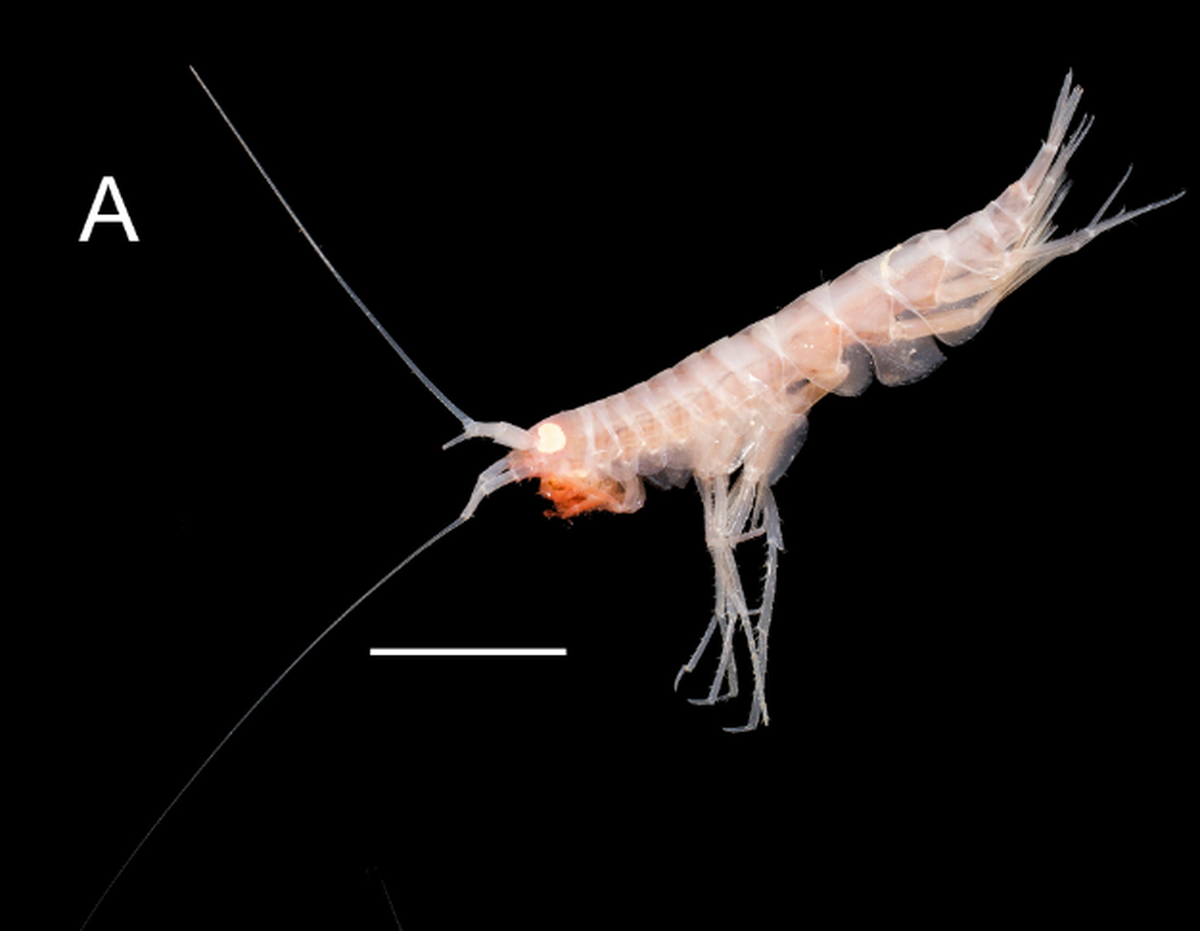
A few features on the shrimp suggested to researchers they were looking at something not described by science.
They are described as “large animals up to 4.5 centimeters with whiplike antennae as long as (its body),” according to the study.
The shrimp are “uniformly light pink,” with “reddish” mouths and white eyes, the researchers said, which is similar to other known shrimp species.
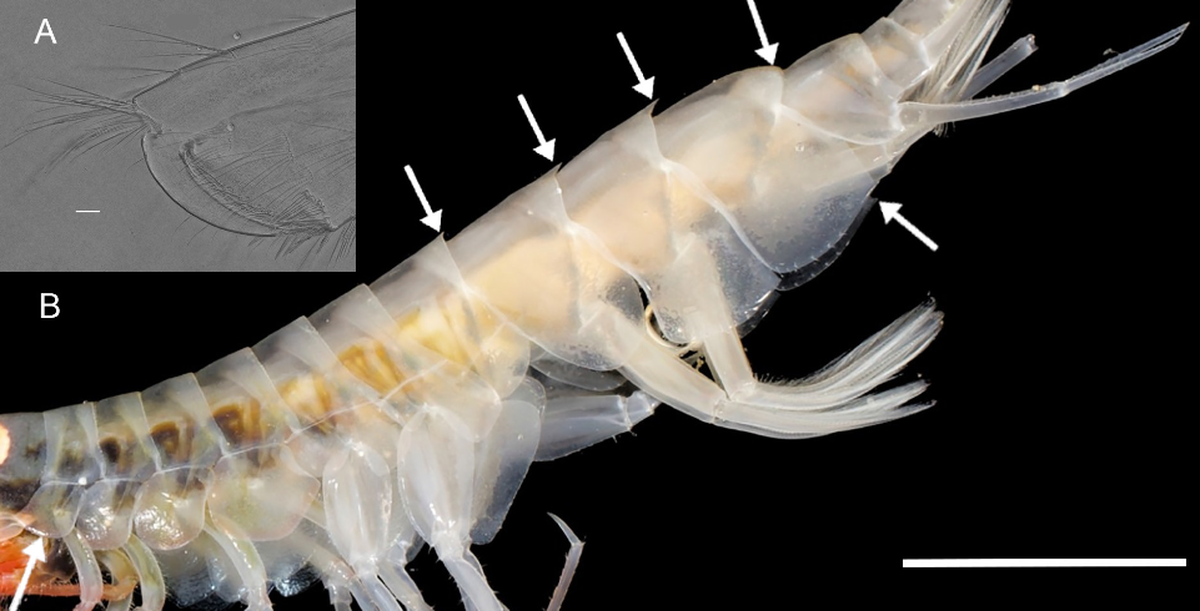
But, they differ in their “dorsal ornamentation,” or the ridges along the back between each section of its body.
The new species has additional “teeth” at the edge of the sections that stick out from the body, according to the study.
The species was named Halirages spongiae, the white glass sponge shrimp, for the place it calls home, the researchers said.
The researchers confirmed the shrimp was a new species using DNA collected from its leg, according to the study.
“Our analyses focusing on Icelandic waters include only one of the nine previously recognised species of Halirages with certainty,” the researchers said. “With this limited dataset, a large number of likely new species could be recognised, raising the number of observed (but not formally taxonomically described) species by about 70%.”
Iceland is an island nation off the east coast of Greenland and north of the United Kingdom and Ireland in the Atlantic Ocean.
This story was originally published March 28, 2024 at 2:53 PM with the headline "Deep-sea creature with ‘whiplike’ antennae discovered off Iceland. See the new species."