‘Large’-eyed creature lurking near a cave in China turns out to be a new species
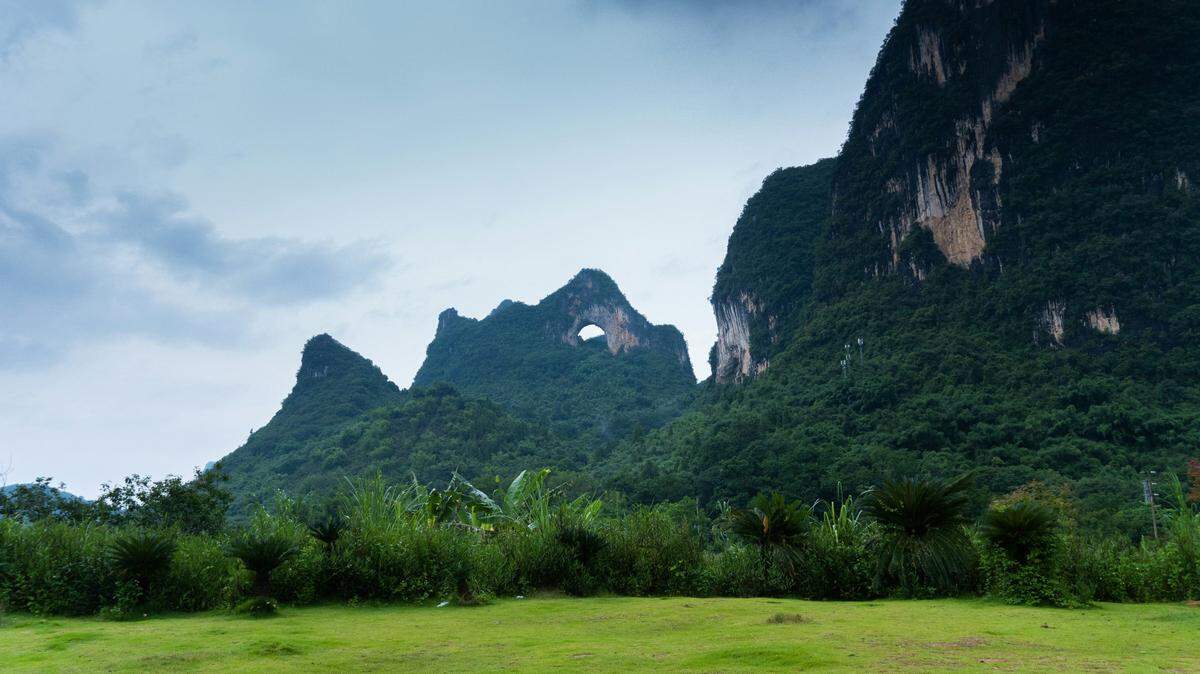
Under the cover of darkness, a “large”-eyed creature lurked near a cave in southern China. The “slender” animal was perched on a rock and blended in quite well — but not well enough.
Scientists spotted the animal — and discovered a new species.
Researchers ventured into a rocky karst forest in the Guangxi region in 2023 as part of a wildlife survey, according to a study published Jan. 23 in the journal Vertebrate Zoology.
While searching near a cave, researchers found a pair of geckos that didn’t match any known lizards, the study said. They took a closer look at the geckos and realized they’d discovered a new species: Gekko paucituberculatus, or the Baise gecko.
Baise geckos are considered “moderate” in size, reaching about 6.7 inches in length, the study said. They have “slender” and “elongate” bodies with “flattened” bumps along their sides. The geckos have “large” eyes, claws and slightly webbed fingers.
Photos show a male and female Baise gecko. The male has a brownish-gray coloring with “dirty-white bands” running across its back. A pale line runs down the center of its back and looks almost like a spine. The female has a similar pattern but a much lighter, almost pinkish-white, coloring, a photo shows.
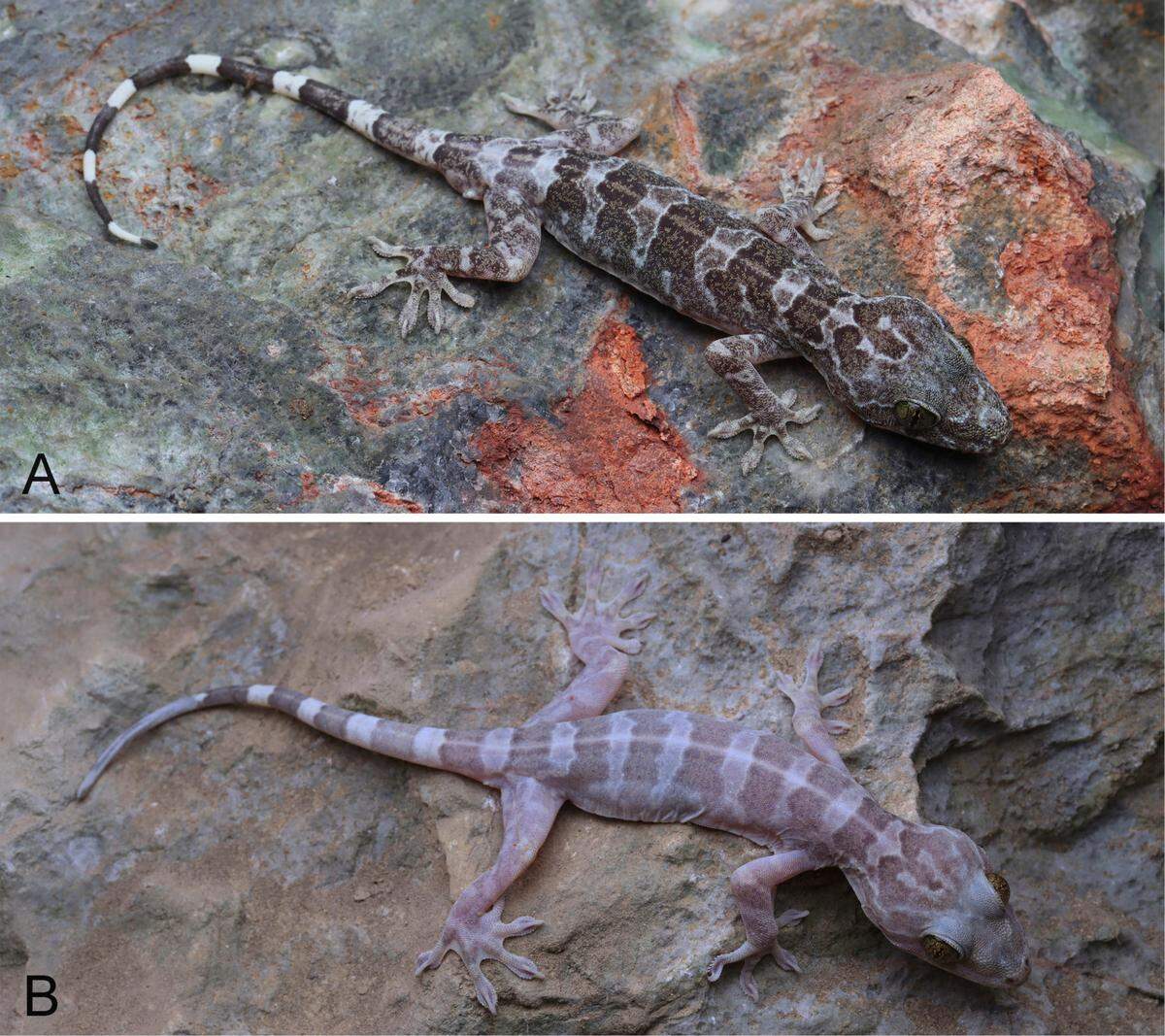
Baise geckos were found on karst rocks at night, indicating they are nocturnal, rock-dwelling lizards, the study said.
Researchers said they named the new species “paucituberculatus,” a Latin phrase meaning “few tubercles,” because it had fewer spikes than other geckos.
The common name refers to the Baise City area where the new species was discovered and, so far, the only area where it has been found. Baise City is in the Guangxi region, about 1,300 miles southwest of Beijing and near the China-Vietnam border.
The new species was identified by its size, bumps, scale pattern and coloring, the study said. DNA analysis found the new species had between about 9% and 14% genetic divergence from other related geckos.
The research team included Hao-Tian Wang, Shuo Qi, Dan-Yang Zhou and Ying-Yong Wang.
This story was originally published January 24, 2024 at 10:40 AM with the headline "‘Large’-eyed creature lurking near a cave in China turns out to be a new species."