‘Pumpkin’-colored creatures found mating in Brazil forest turn out to be new species
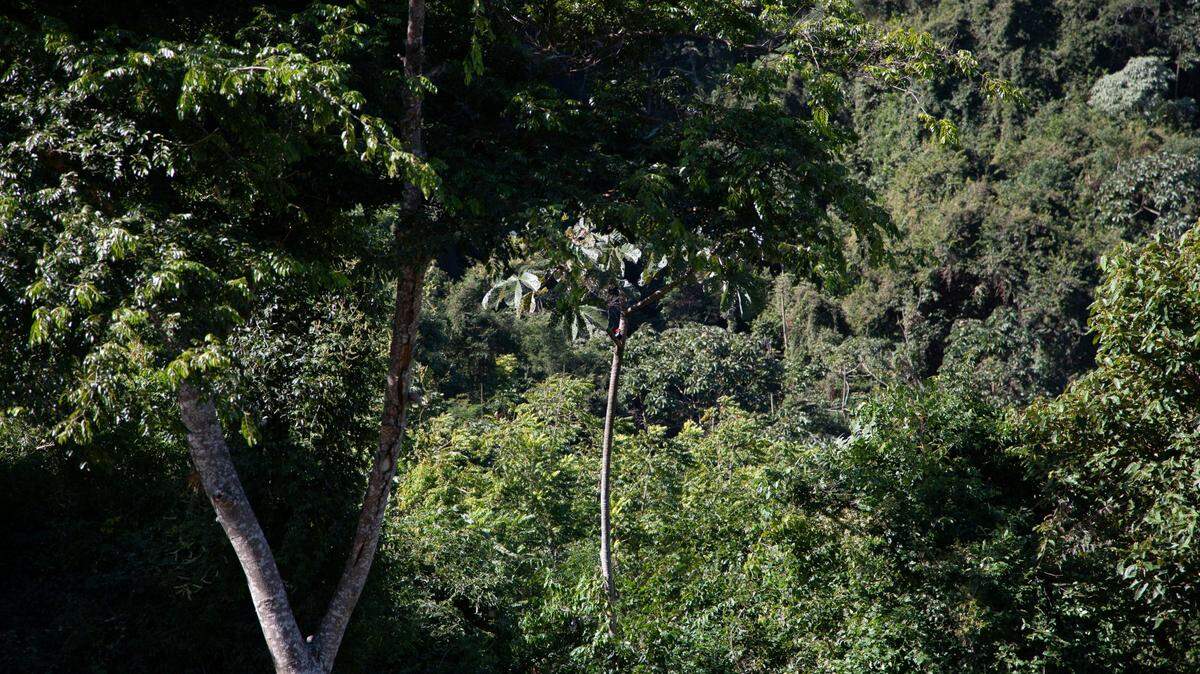
In a forest of southern Brazil, a pair of “pumpkin”-colored creatures hid in the leaves, locked in a mating embrace. But the moment wouldn’t last.
Visiting scientists exposed the wart-covered animals — and discovered a new species.
Researchers visited a forest in the state of Rio de Janeiro on several wildlife surveys between 2006 and 2011, according to a study published Jan. 16 in the journal Vertebrate Zoology.
During their surveys, researchers found 17 “pumpkin”-colored frogs, the study said. Other scientists had encountered these frogs before but no one had studied them in depth.
Researchers took a closer look at the animals and realized they’d discovered a new species: Brachycephalus herculeus, or the Hercules pumpkin toadlet.
Hercules pumpkin toadlets are considered “medium” in size, reaching just over half an inch in length, the study said. They have “short” snouts, “bright yellow” stomachs and yellow warts all over their bodies.
Photos show several Hercules pumpkin toadlets. The amphibians have bright orange bodies with green patches on their backs and eyelids. This coloring appears to blend in with the surrounding dead leaves and moss.
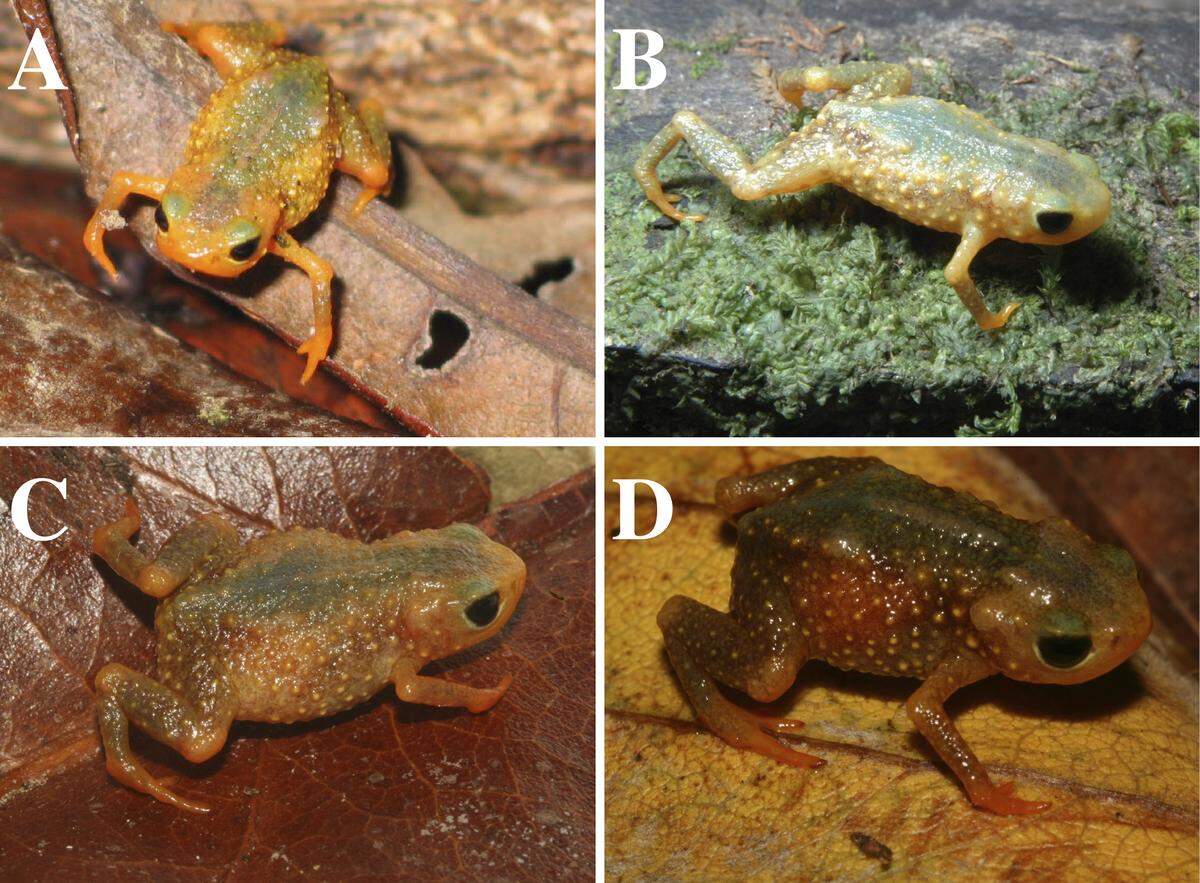
Hercules pumpkin toadlets were found in leaves, under logs and among roots on the forest floor, the study said. One frog was found about a foot off the ground in a flowering plant. Another pair was found mating — only to scramble away when scientists disturbed their leafy hiding place.
Researchers named the new species after a Latin word referring to “the strength or courage of Hercules” because the “small species” faces “the ‘herculean’ task” of surviving “in one of the most threatened forest environments in the world.”
Despite their nickname, pumpkin toadlets are actually frogs, according to a 2022 news release from the Florida Museum. These frogs are sometimes called flea-toads because of their miniature size but are known scientifically as Brachycephalus frogs.
Brachycephalus frogs are known for their clumsy jumps, the release said. When prodded to leap, four species lost “control of their trajectory mid-leap, ungracefully pirouetting through the air before coming in for a crash-landing.” A video shows some Brachycephalus frogs attempting to jump.
“They’re not great jumpers, and they’re not particularly good walkers either,” Edward Stanley, one of the researchers who studied Brachycephalus frog jumps, said. “They sort of stomp around in a stilted, peg-like version of walking.”
So, instead of attempting to leap away from predators, Brachycephalus frogs stay “in one place” and try to be “as unappetizing or as inconspicuous as possible,” the release said.
McClatchy News asked researchers if the Hercules pumpkin toadlets were seen jumping but did not get a response from researchers.
Hercules pumpkin toadlets have only been found in the Parque Estadual do Desengano, a park about 100 miles northeast of Rio de Janeiro.
The new species was identified by its physical features, coloring, bone structure and call, the study said. DNA analysis found the new species had between 0.5% and about 5% genetic divergence from other Brachycephalus frog species.
The research team included Manuella Folly, Thais Condez, Davor Vrcibradic, Carlos Rocha, Alessandra Machado, Ricardo Lopes and José Pombal Jr.
This story was originally published January 22, 2024 at 3:32 PM with the headline "‘Pumpkin’-colored creatures found mating in Brazil forest turn out to be new species."