2,600-year-old temple filled with ‘exotic offerings’ found in Greece. See its treasure
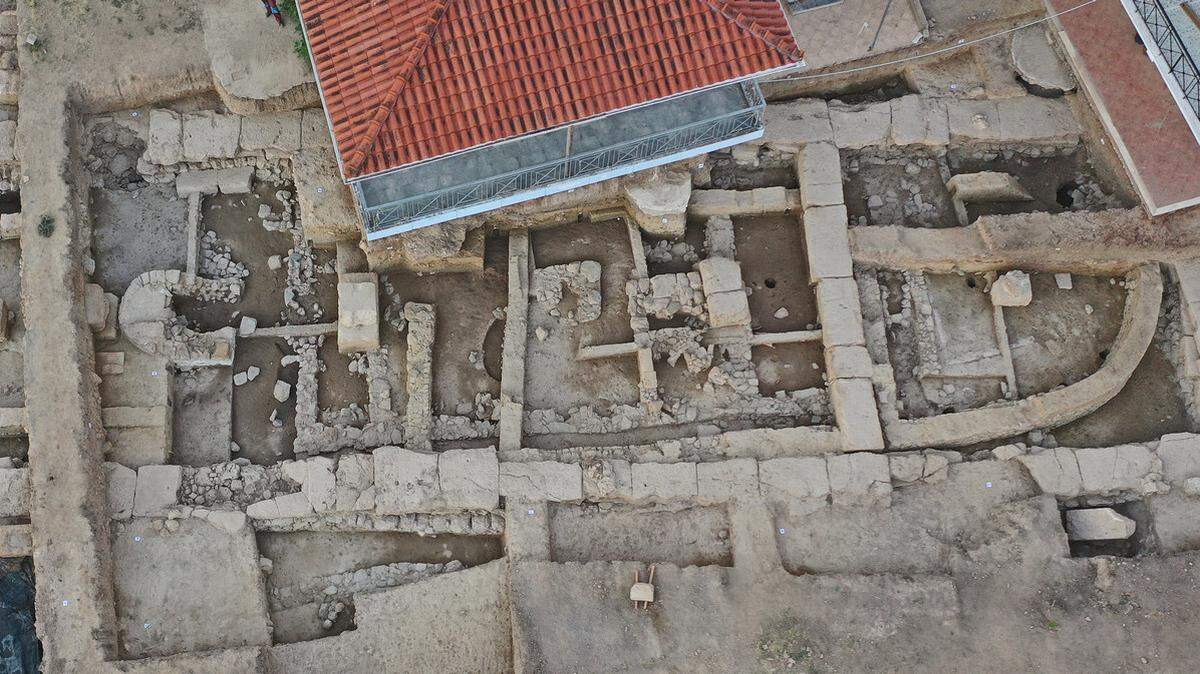
In 2017, while exploring a sanctuary devoted to a goddess in Greece, archaeologists discovered the first traces of a monumental structure at the heart of the sanctuary.
Now, after years of excavations, the team has unearthed what has been identified as a temple filled with treasures, altars and “exotic offerings,” according to a Jan. 8 news release from the Swiss School of Archaeology in Greece, which oversaw the excavation with the help of the Ephorate of Antiquities in Euboea.
The temple was discovered “at the heart of the sanctuary of Artemis Amarysia,” researchers said. Artemis was the Greek goddess of wild animals as well as chastity and childbirth.
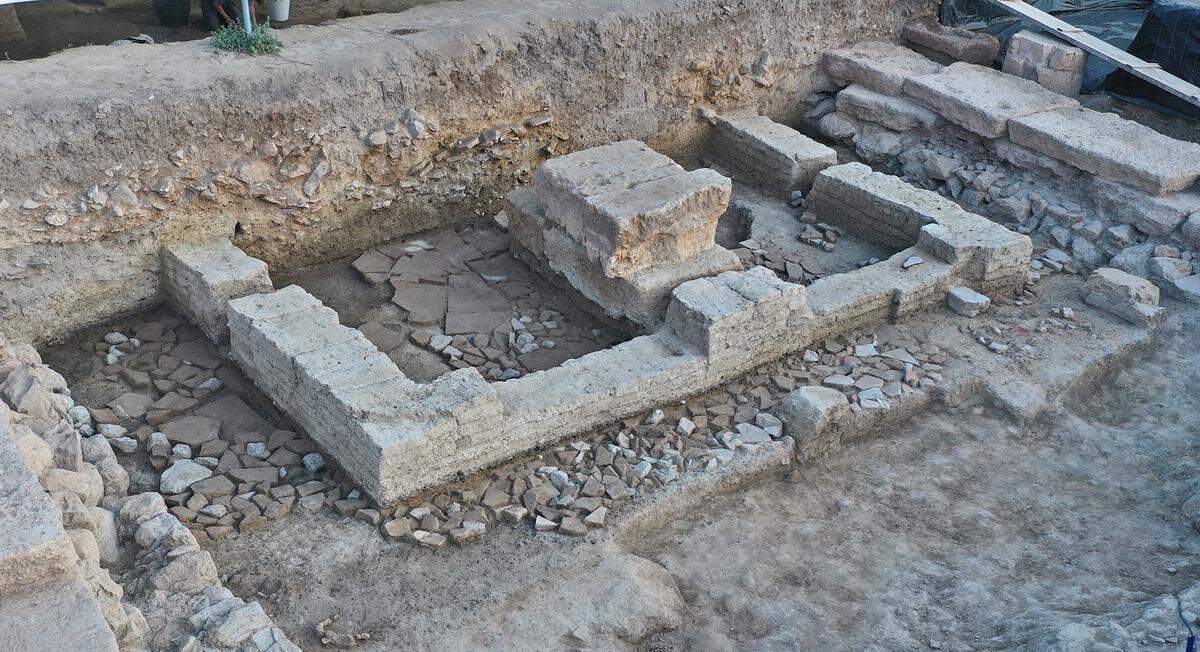
Archaeologists said the temple — which was built sometime toward the end of the seventh century B.C. — “held a number of surprises,” starting with is floor plan. The building was apsidal, meaning it had a semi-circular dome-like structure at one end.
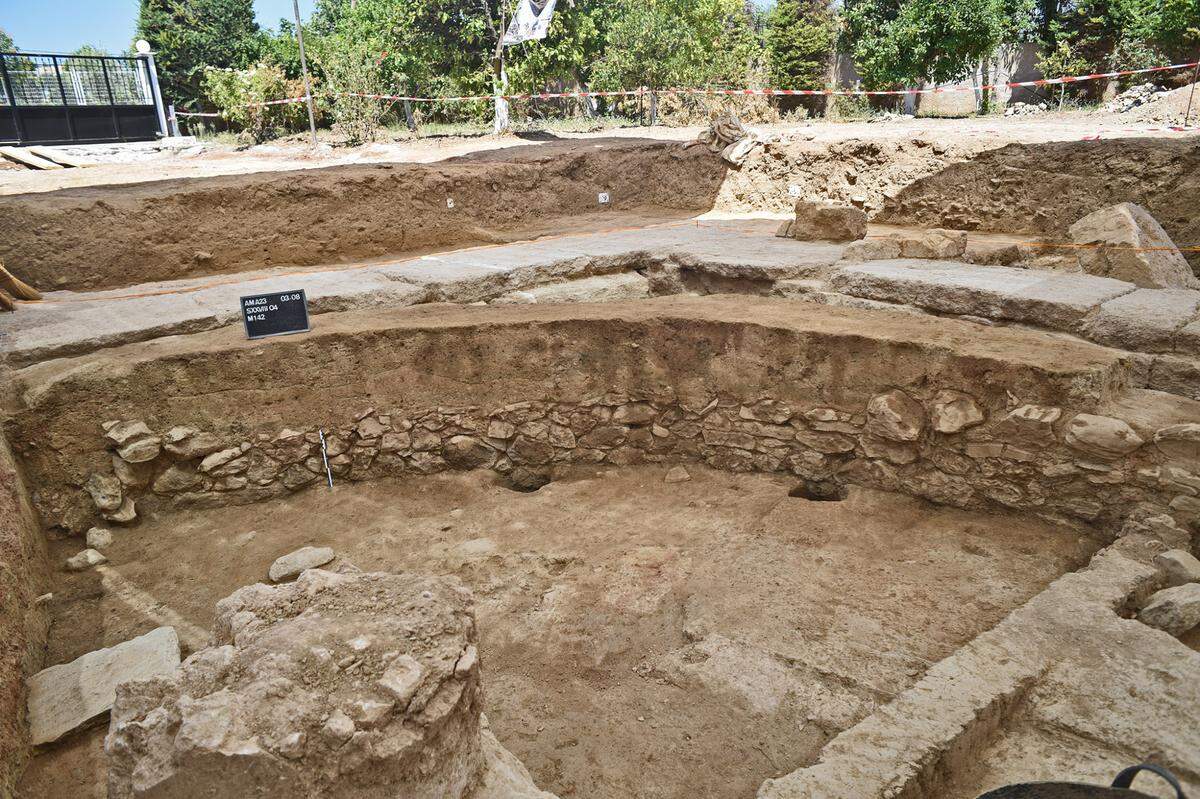
This kind of floor plan, popularized during the Early Christian era between the fourth and eighth centuries A.D., was “quite unusual” for the time the temple was built, the team said.
The temple was “larger than originally anticipated,” measuring about 100 feet, according to experts. This measurement is symbolic, and several other monuments from the same period share the same dimensions.
Inside the structure, researchers found “another surprising discovery”: an abundance of hearths or altars.
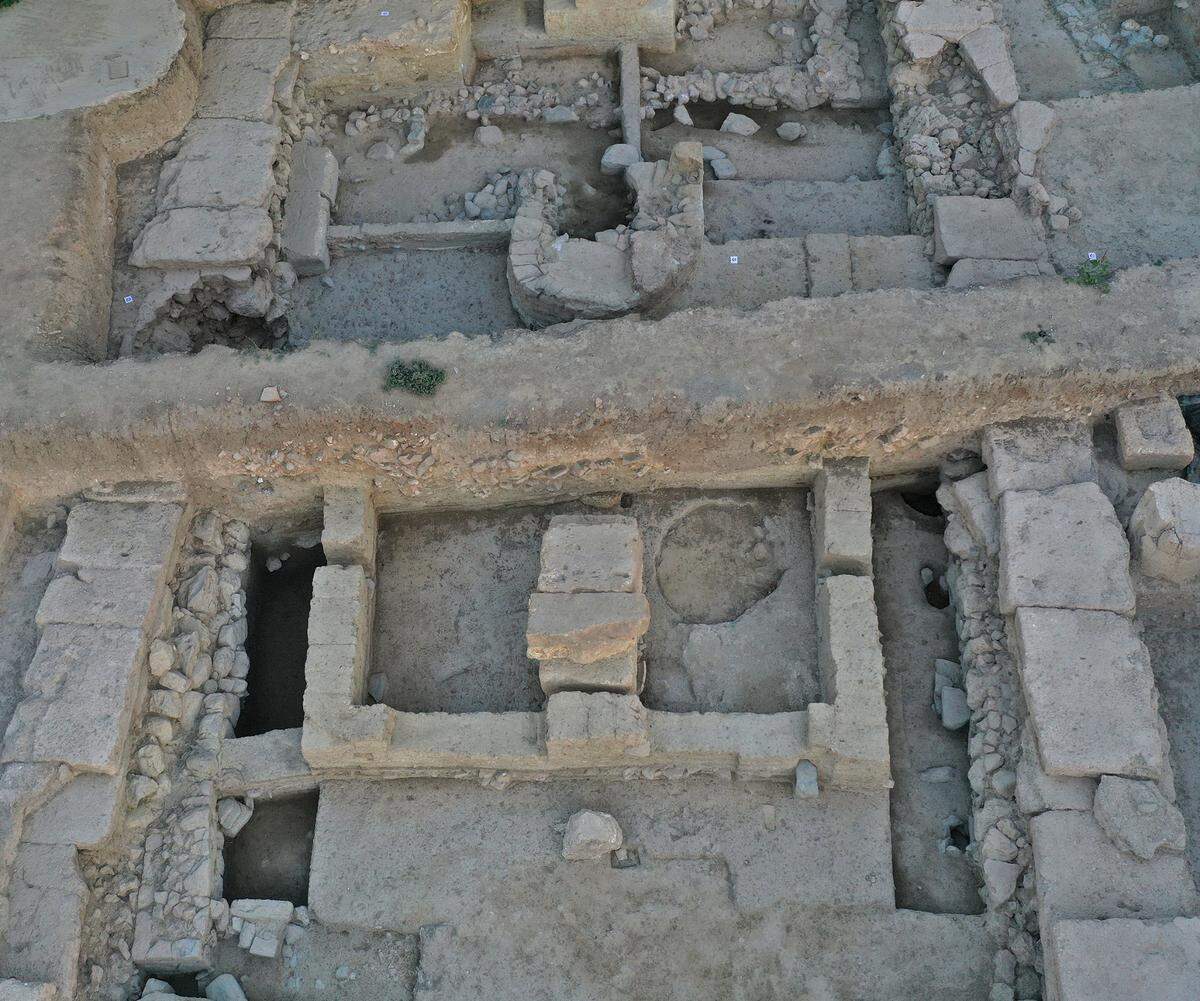
Typical Greek sanctuaries of the time built these structure outside of the temple, but archaeologists said they found the stone platforms — covered with thick layers of ash and bones — within the building.
One altar, shaped like a horseshoe, appears to have occupied a pronaos — a vestibule surrounded by columns on the exterior of the temple — and has evidence that it was used as early as the end of the eighth century B.C., predating the temple, officials from Greece’s Ministry of Culture said in a Jan. 8 news release.
The team also discovered a rich collection of offerings, it said.
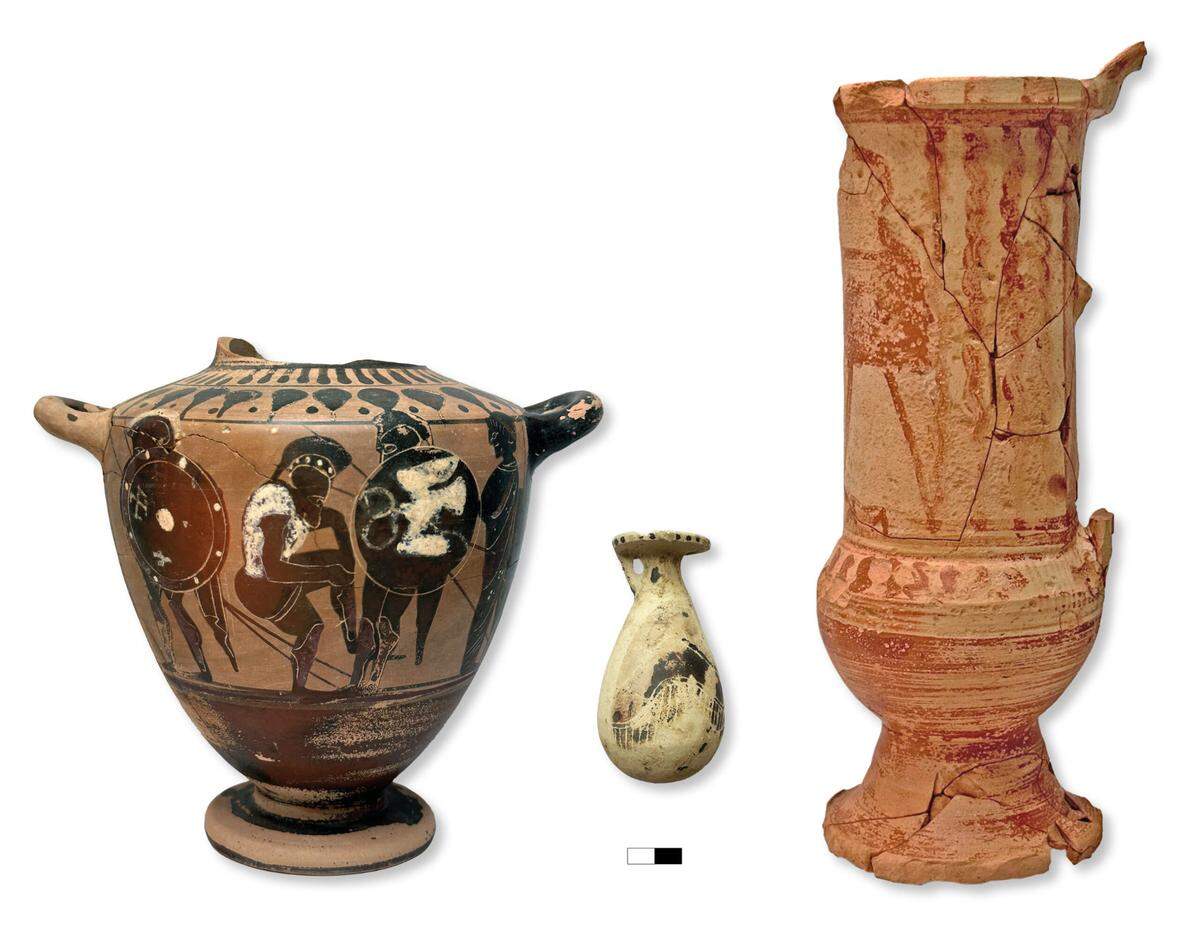
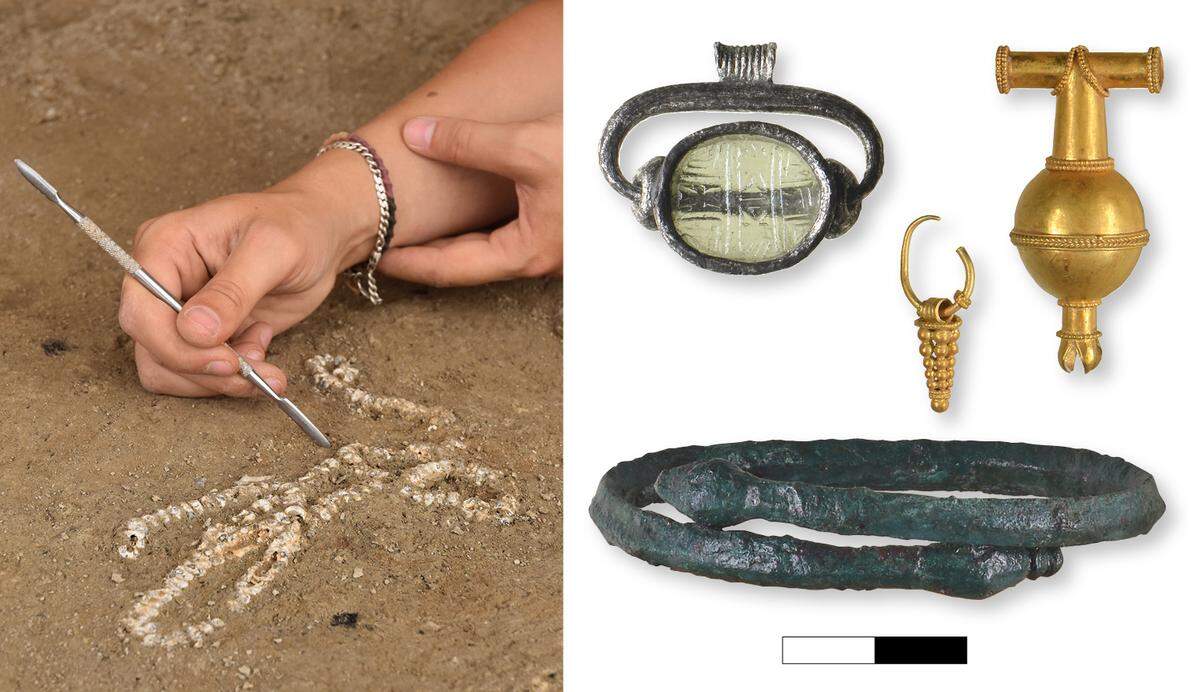
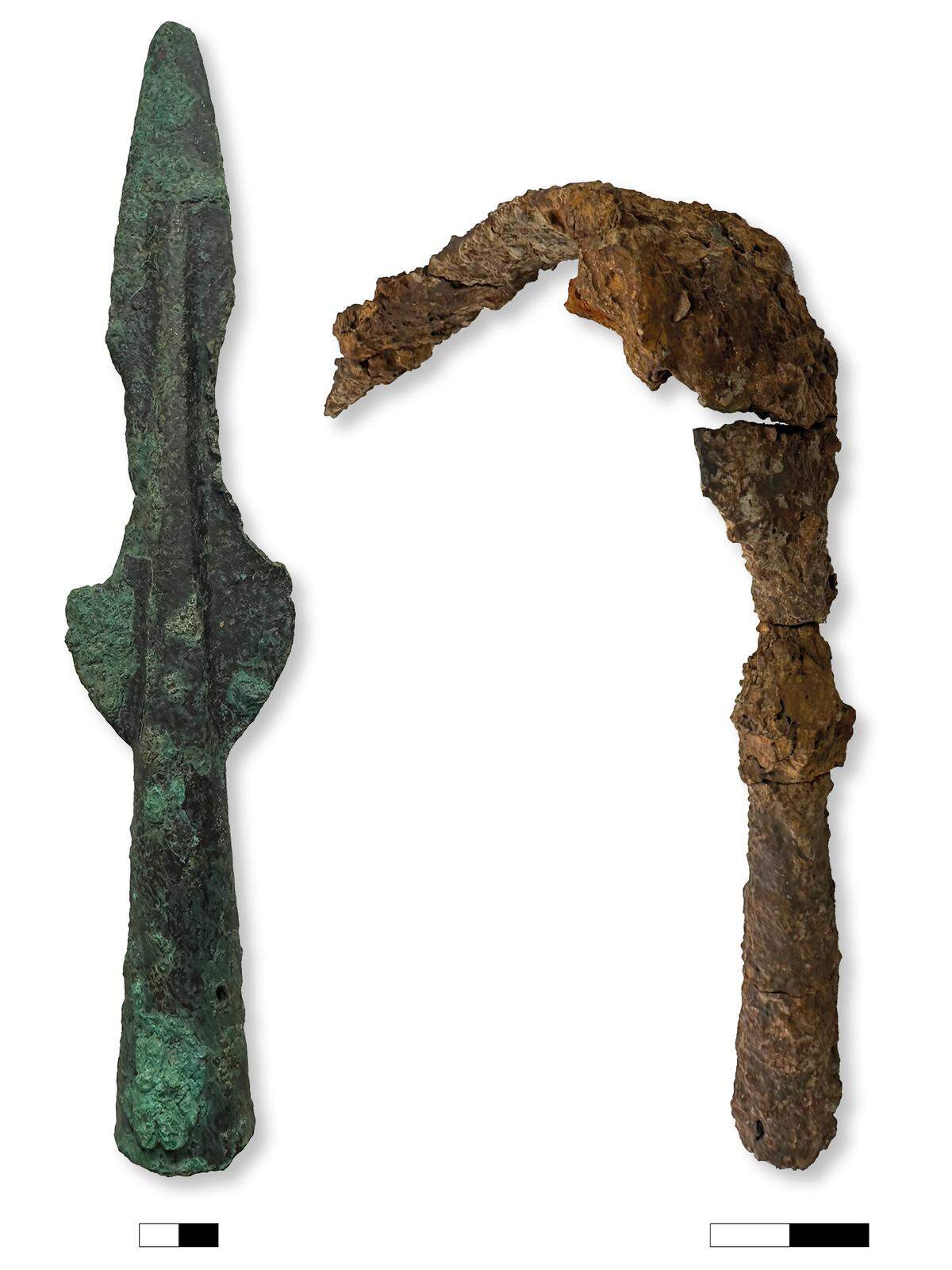
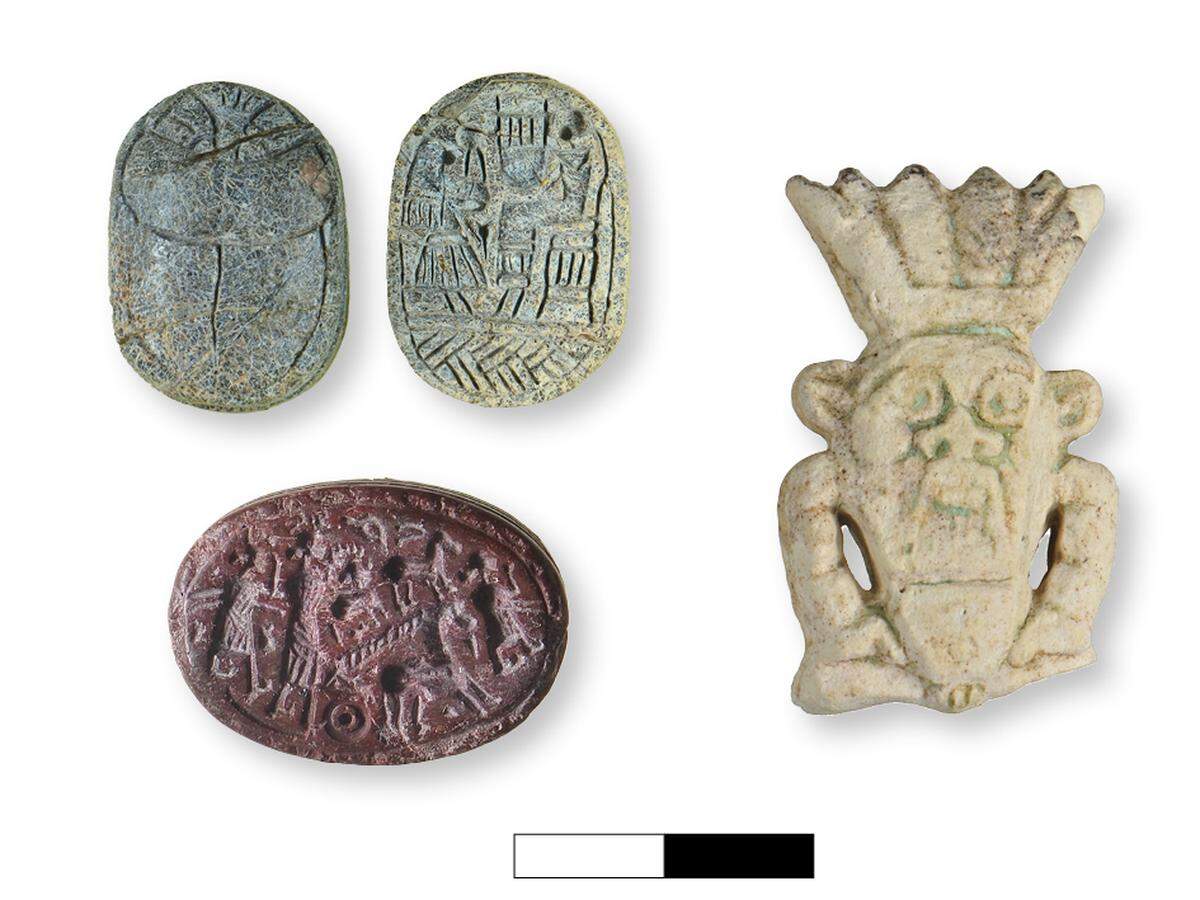
Among their finds were alabaster artifacts, vases, ritual water jugs, amulets, bronze and iron fittings, and precious jewelry made of gold, silver, coral and amber, officials said in their release.
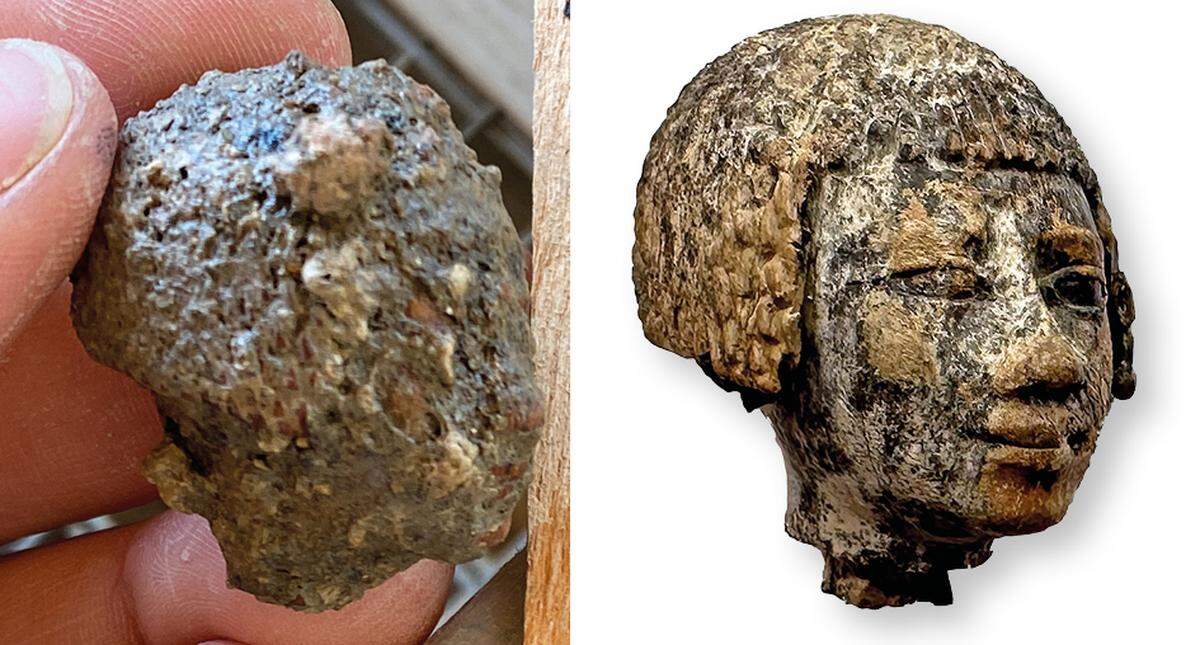
Experts also identified a “finely chiseled ivory head with Egyptian features,” they said. The “exotic” object was “unrecognizable” when first identified, but it has been restored.
Evidence at the temple indicates that it partially burned down in the later half of the sixth century B.C., according to archaeologists. The building was temporarily restored with mud brick walls until it could be entirely replaced and restored at the end of the century.
Evidence of an even earlier temple
Beneath the foundation of the temple, archaeologists said they discovered deep trenches containing remains from a building possibly dating to the ninth or eighth century B.C.
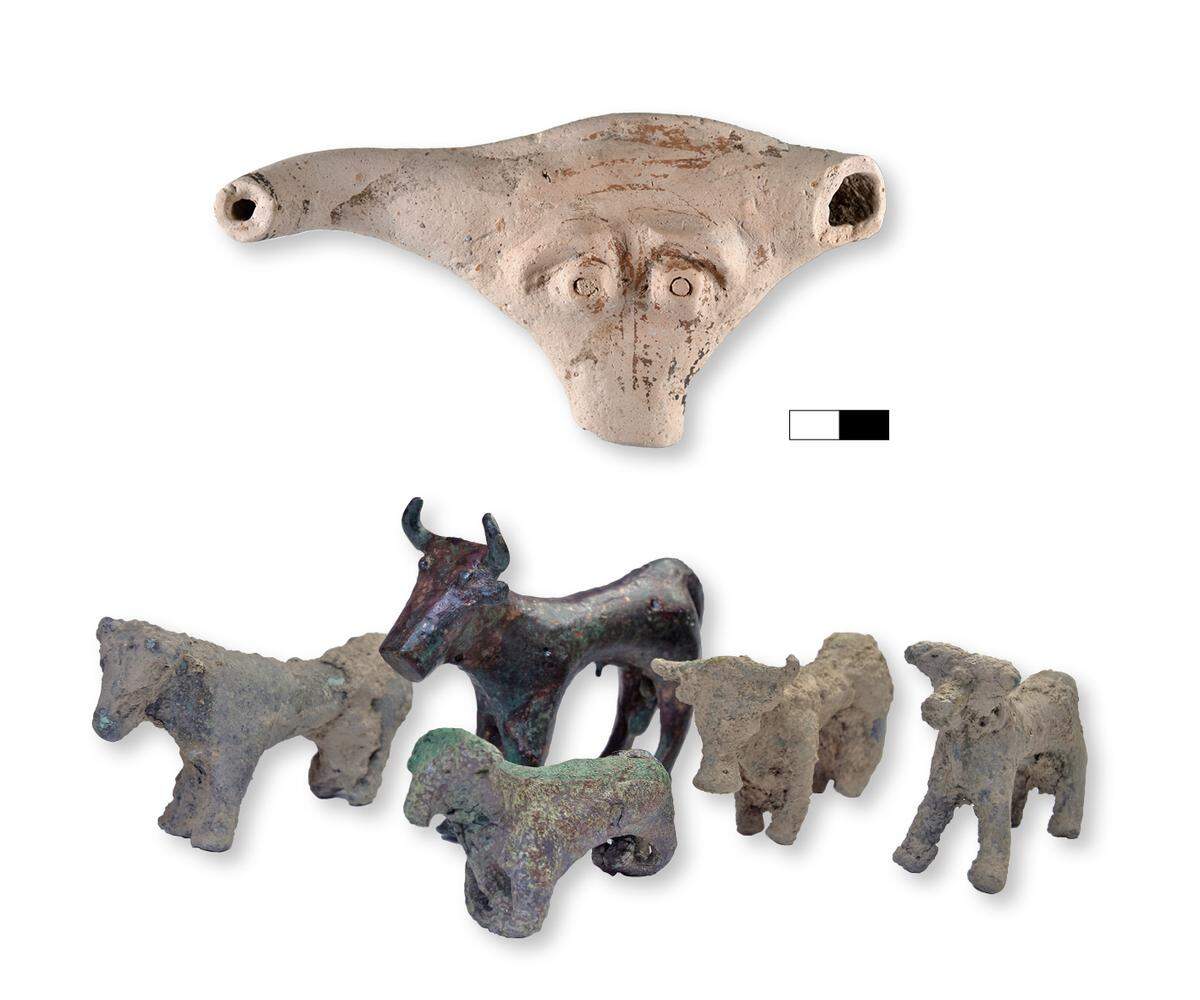
Bronze animal figurines from the same period and a terracotta bull’s head dating to the late Bronze Age — roughly 1200 B.C. — were also found in the trenches, according to researchers. Excavations of the lower levels of remains are ongoing, but early finds indicate that the site was used by Artemis worshipers earlier than the temple’s construction.
Bronze Age remains nearby
The sanctuary of Artemis Amarysia is at the foot of a hill that was occupied during the Bronze Age, experts said.
Excavations of the hill have identified “imposing walls” that likely belonged to a third millenium B.C. fortification system, archaeologists said.
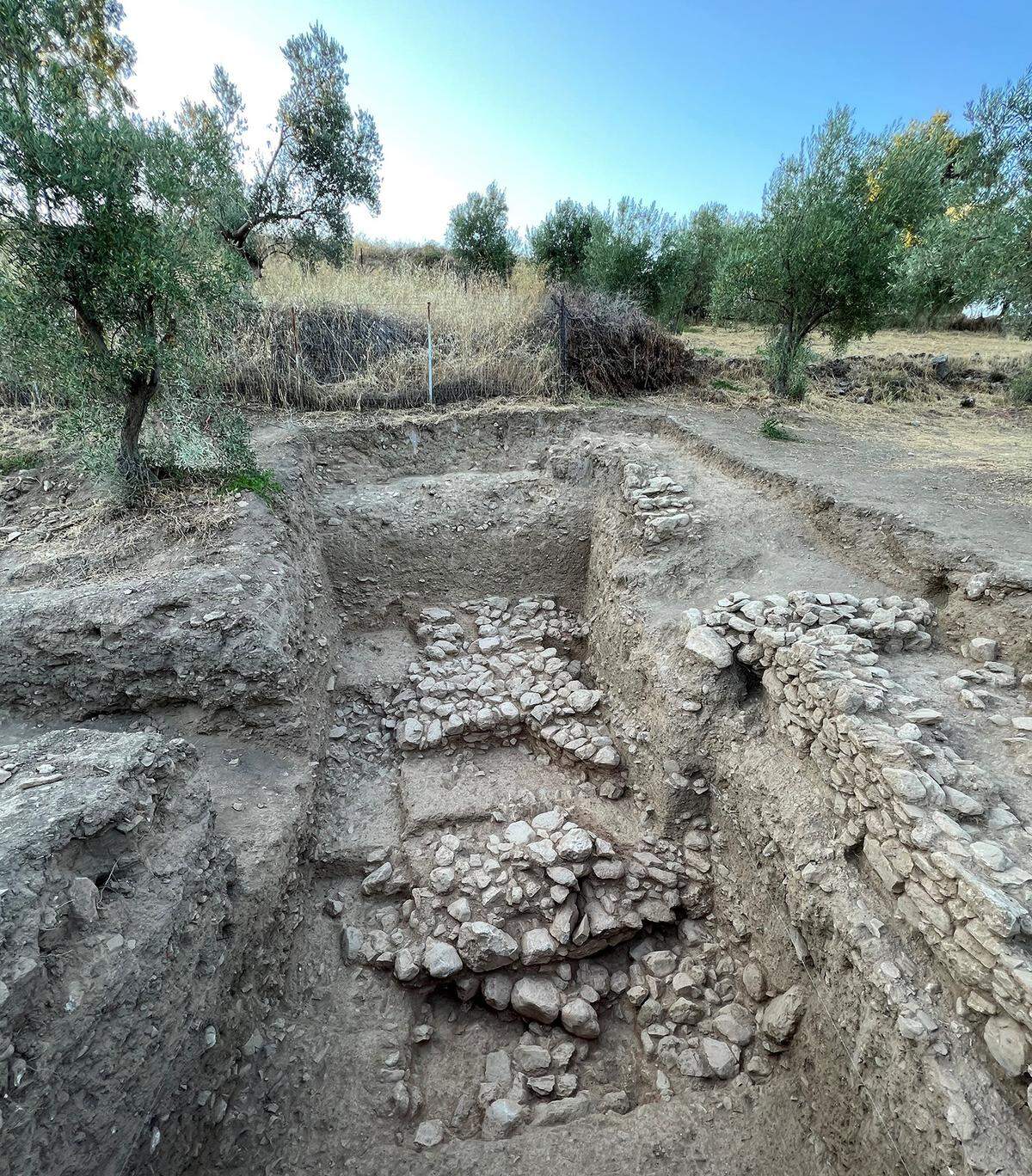
A tomb, filled with skeletons and offerings, was also unearthed from the hill, according to Greek officials.
Researchers continue to explore the region to determine how the temple and sanctuary fit into the broader “ancient landscape,” they said.
Amarynthos is on the Greek island Evia, also known as Euboea, which is off the country’s southwest coast.
Google Translate was used to translate the news release from Greece’s Ministry of Culture.
This story was originally published January 12, 2024 at 12:18 PM with the headline "2,600-year-old temple filled with ‘exotic offerings’ found in Greece. See its treasure."