Large 7-room building emerges from underwater. See the ruins from ancient Greece
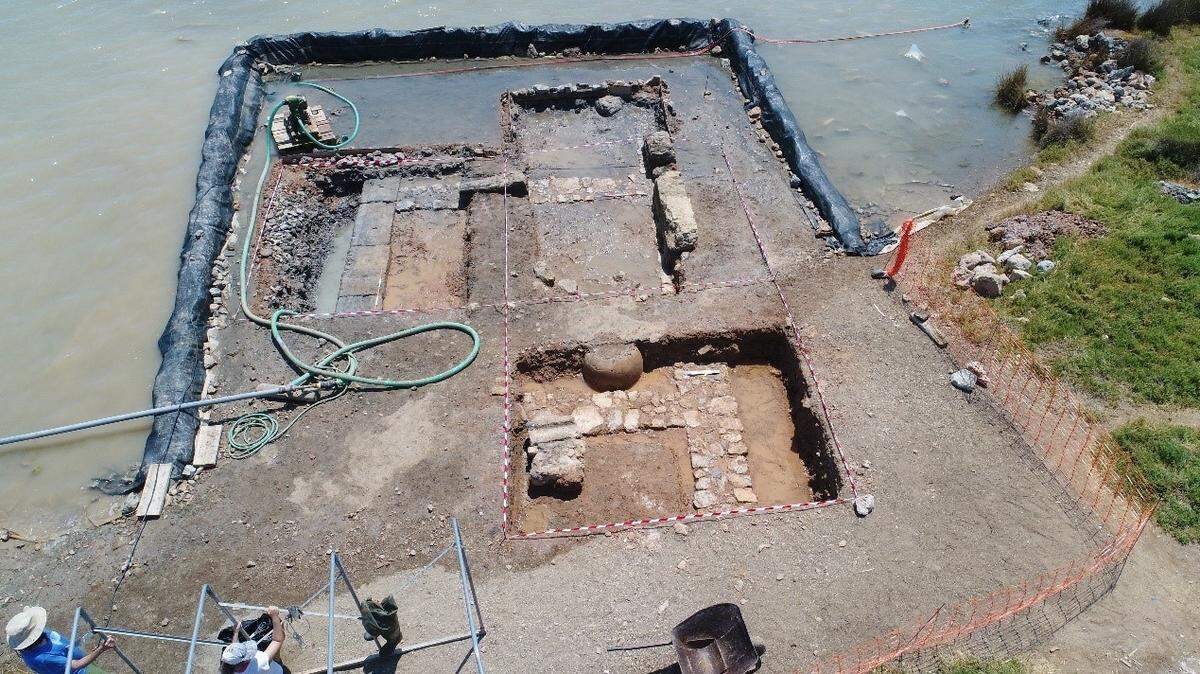
The ruins of an ancient, sprawling seven-room building were recently discovered off the coast of an island in Greece — when they emerged from underwater.
Archaeologists have been conducting underwater research on the eastern shores of the island of Salamis (which also translates to Salamina) for several years, and their latest finds involved remains from a sunken city dating to sometime between the fourth and fifth centuries B.C., officials with the Greece Ministry of Culture said in an Oct. 26 news release.
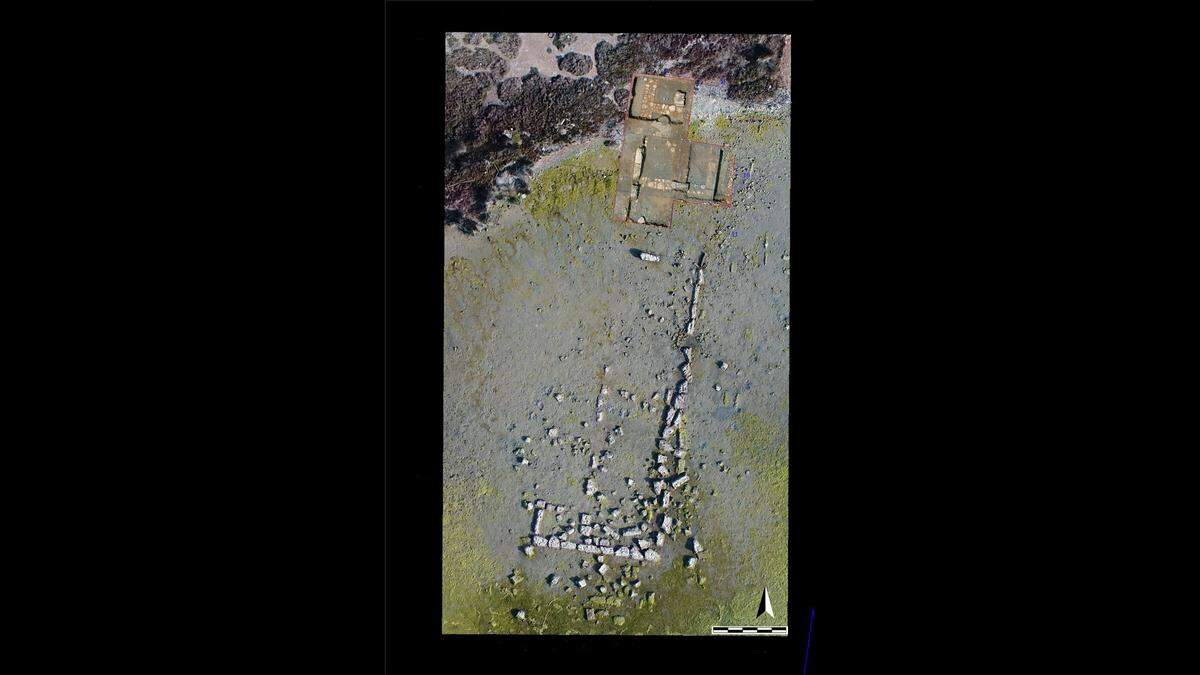
The long, narrow building is about 20 feet wide and 105 feet long, archaeologists said. Its size and shape indicate that it was likely a stoa — a long, open building or corridor lined with pillars that often connected to other rooms, according to Britannica.
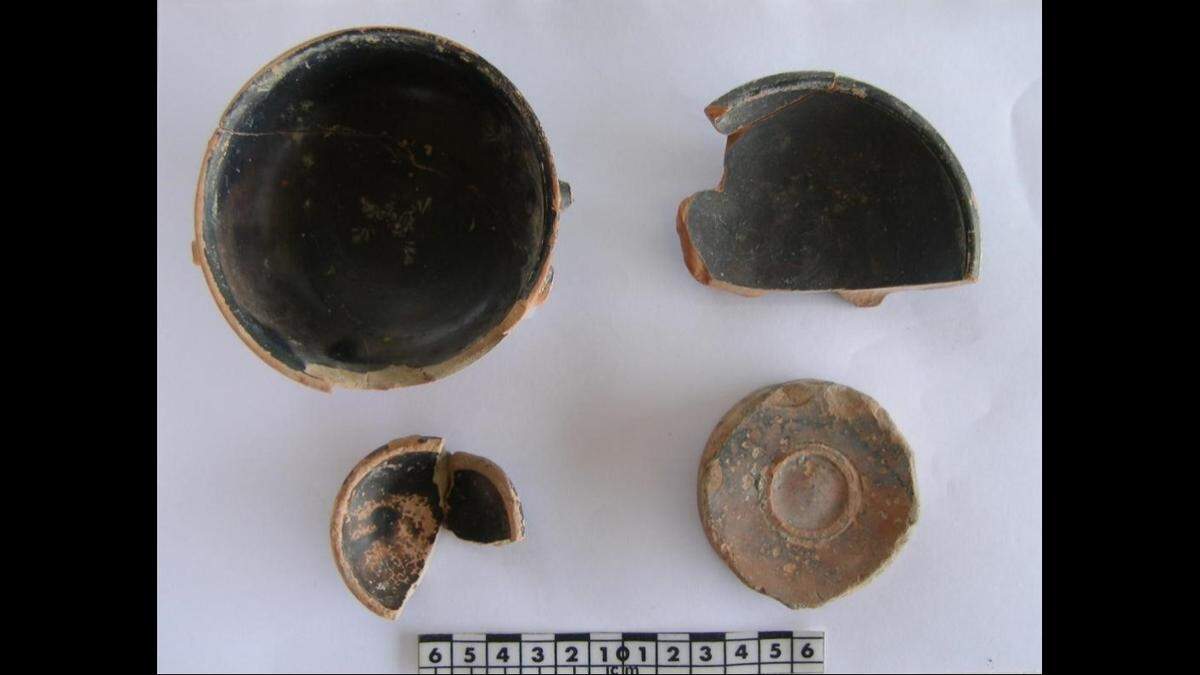
Inside the building, experts said they discovered a trove of ancient Grecian treasures. There was a collection of pottery, various types of vases and ceramics, clay objects, marble fragments and 22 bronze coins.
Among the artifacts they found, experts said two finds from the fourth century B.C. stood out. First, a column fragment decorated with an inscription in fragmentary verses was found.
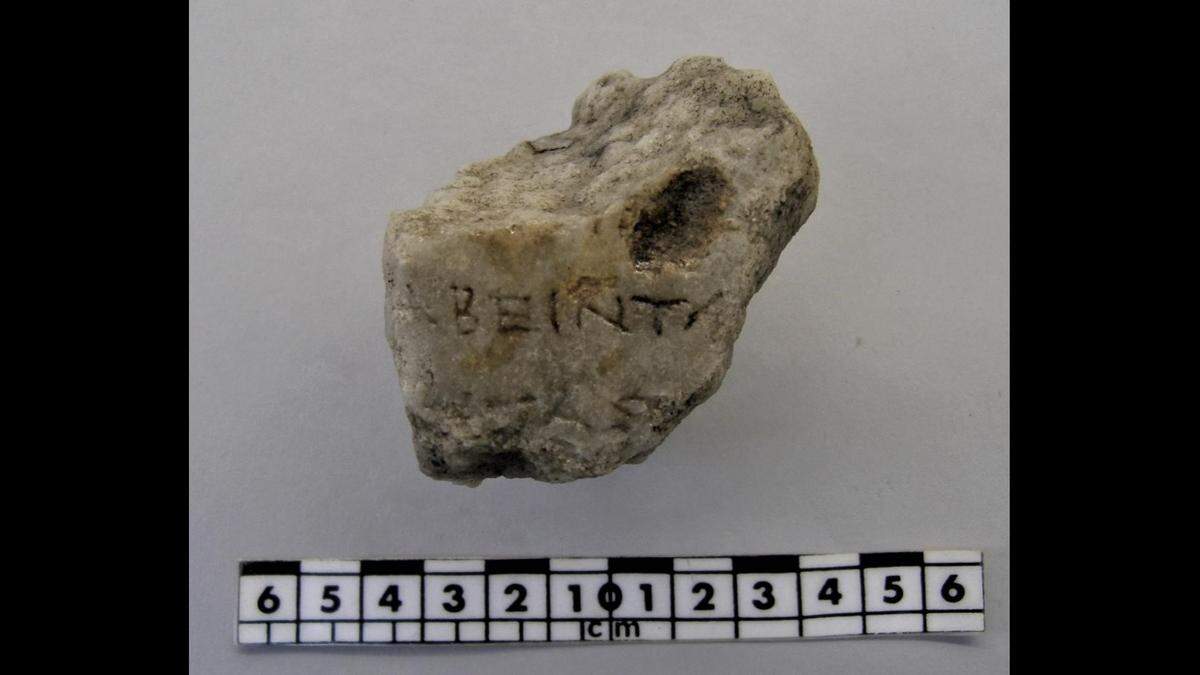
The second standout artifact was a fragment from a stone slab depicting a large hand, which appears to have been part of a larger relief, a sculpture with figures protruding from a flat background surface. The depiction corresponds to another relief that was discovered earlier, according to officials.
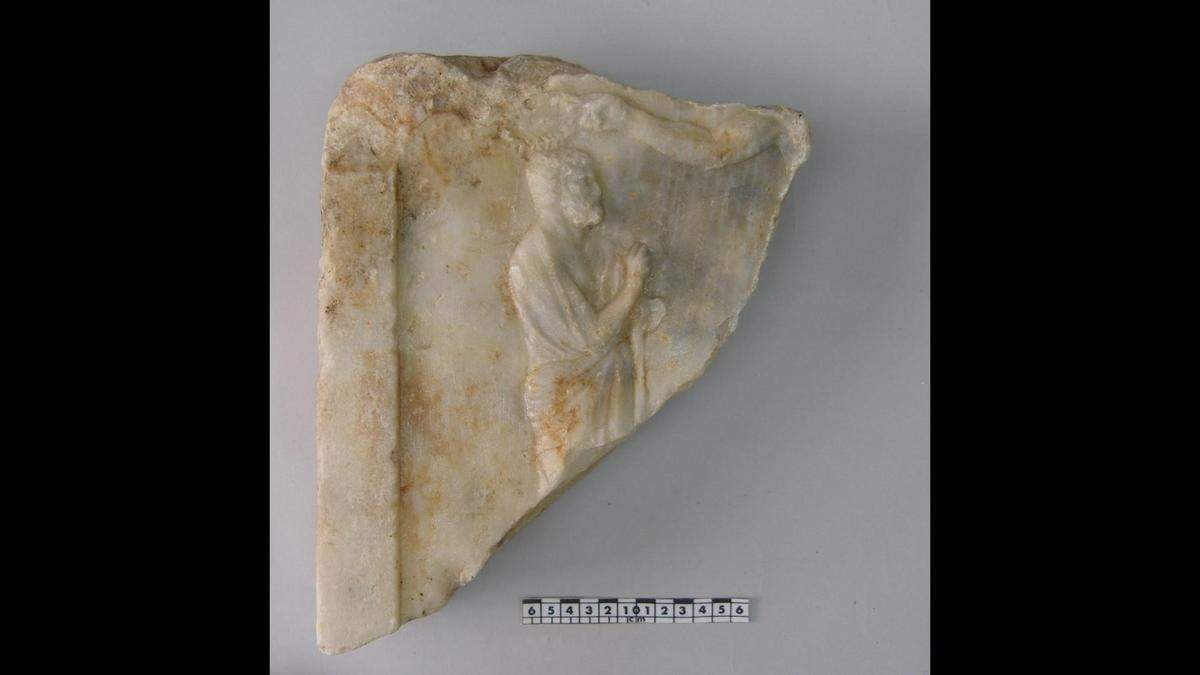
Archaeologists said the discovery is an important piece of understanding the ancient city, especially its residential organization.
Salamina is an island about 15 miles west of Athens.
Facebook Translate and Google Translate were used to translate news releases from the Greece Ministry of Culture.
This story was originally published October 27, 2023 at 12:40 PM with the headline "Large 7-room building emerges from underwater. See the ruins from ancient Greece."