Metal detectorist finds deep buried object — and unearths trove of ancient treasure
A few days before Christmas several years ago, David Moss and Tom Taylor headed out with the metal detectors to do some exploring in Wales.
The duo was in a field in Caerhun Community, Conwy near a site where the remains of a possible Roman temple were excavated years earlier. It was pouring rain, so Moss began to make his way back across the field to Taylor. That’s when his metal detector clipped something in the ground.
“I took a look at Tom and made my way across the field towards him to tell him to call it a day on the detecting, when all of a sudden, I accidentally clipped a deep object making a signal,” Moss said in an Oct. 9 news release from the Amgueddfa Cymru museum. “It came as a huge surprise when I dug down and eventually revealed the top of the vessel that held the coins.”
Buried deep in the ground, Moss discovered a large ceramic pot filled with ancient coins back in 2018, the release said.
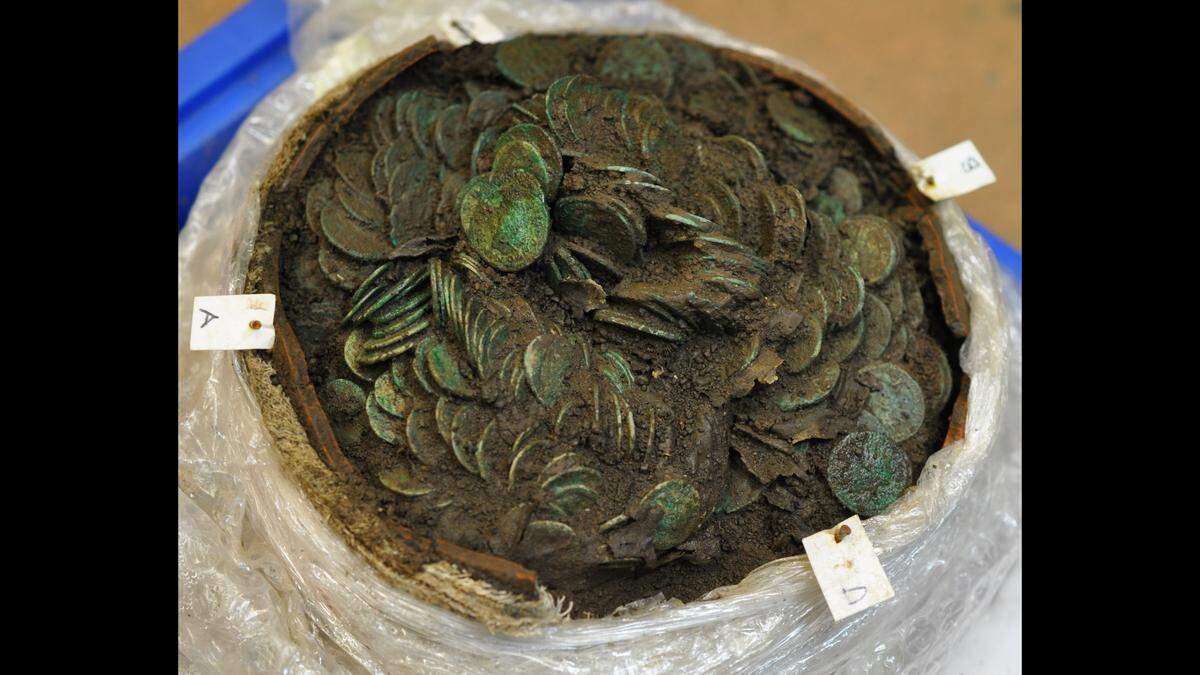
Moss and Taylor told officials that upon finding the pot, they were reminded of Time Team — an archaeology and history television show in the United Kingdom — and carefully excavated the pot and wrapped it in bandages. The pair also found a smaller collection of coins, according to museum officials.
“We had only just started metal-detecting when we made these totally unexpected finds,” Moss said in the release.
Moss and Taylor brought their finds to officials for further examination, the release said.
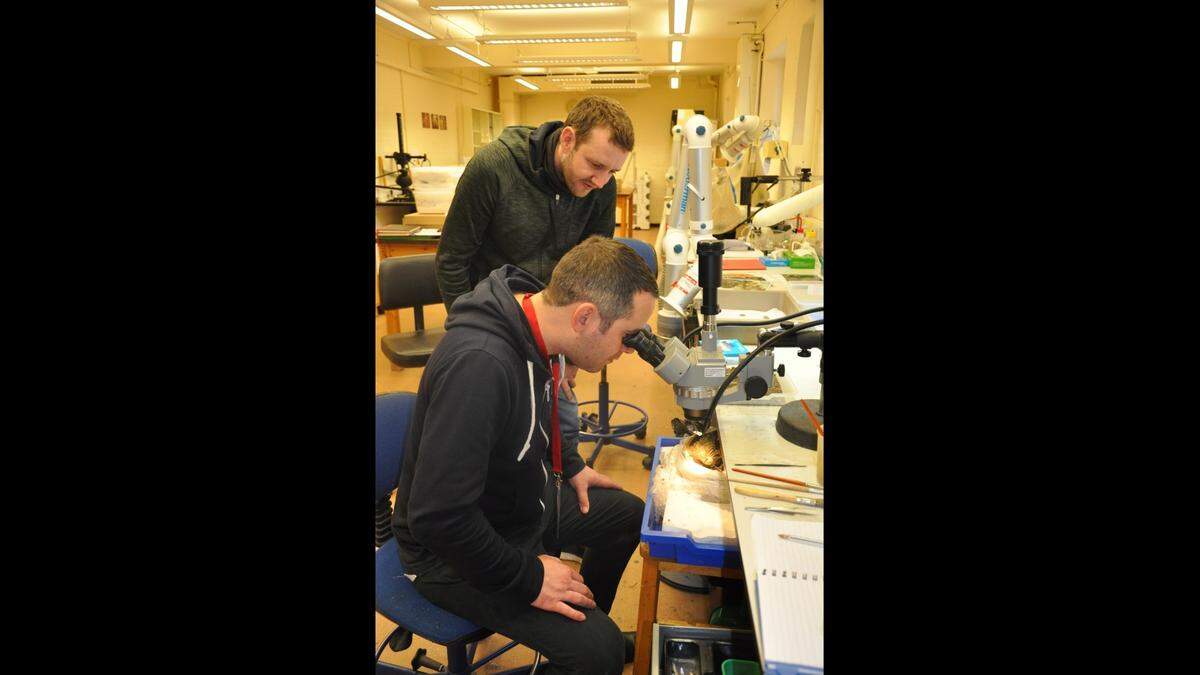
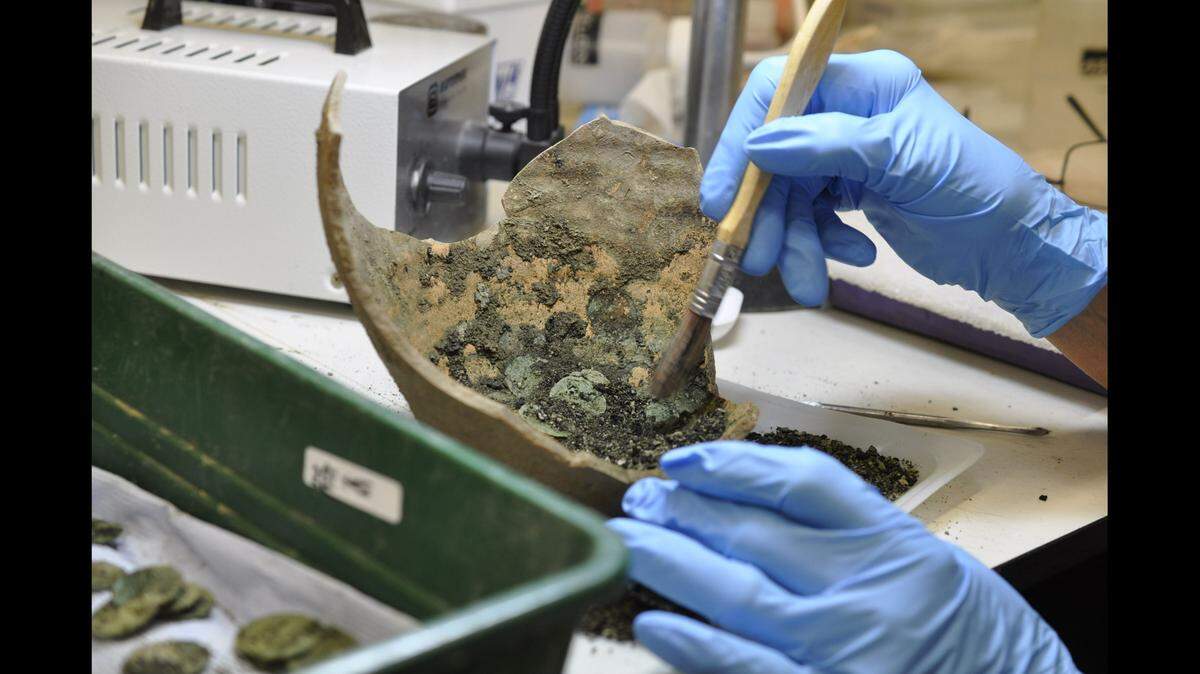
Officials took photos of the discoveries, made 3D models and conducted microexcavations and CT scans. Their work revealed that the ceramic vessel held 2,733 coins, a mix of silver and copper pieces of varying values that were crafted between 32 B.C. and 270 A.D, according to the release.
Older coins were found closer to the bottom of the vessel, while newer coins were discovered in the upper layers, experts said. The copper pieces were loose while the silver pieces were mostly contained in two leather bags. The vessel was likely buried around 270 A.D.
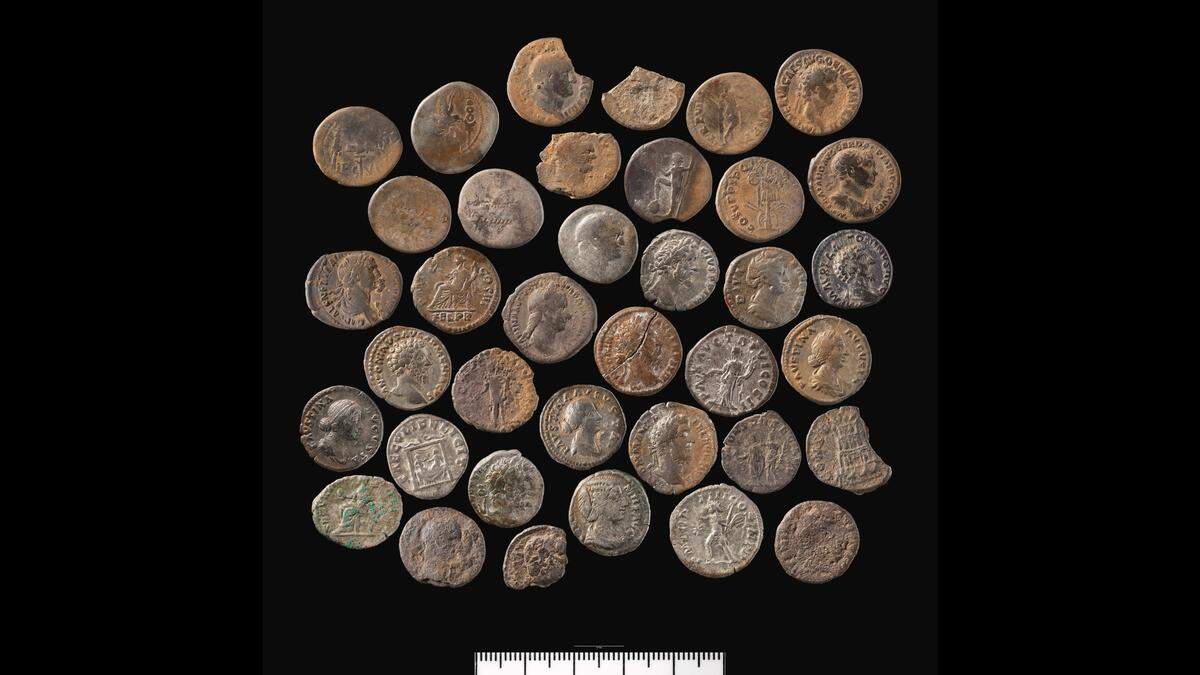
An additional 37 silver coins were found scattered nearby the larger trove, according to the museum. These coins ranged from 32 B.C. until 221 A.D., and experts believe they were likely buried sometime during the 220s A.D.
Officials noted that the two collections of coins were likely buried in the area because of its close proximity to what was a Roman temple dating to the third century A.D.
“It is very likely that the hoards were deposited here because of the religious significance of the site, perhaps as votive offerings, or for safe keeping under the protection of the temple’s deity. The coins may have belonged to soldiers at the nearby Roman fort of Canovium,” experts said in the release.
Caerhun is about 200 miles northwest of London.
This story was originally published October 16, 2023 at 3:29 PM with the headline "Metal detectorist finds deep buried object — and unearths trove of ancient treasure."