‘Oracle of the dead’ cave was used for rituals in Israel — likely by witches, study says
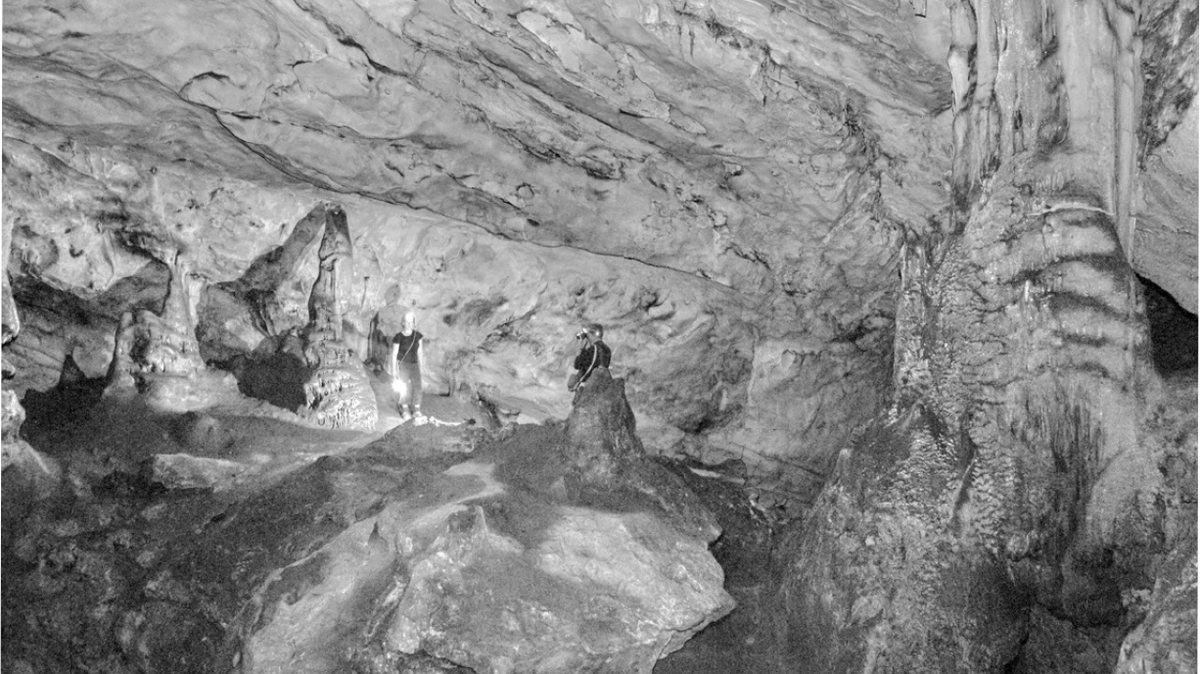
In the hills outside Jerusalem, a network of caves provides a window into the past.
Among them is Mŭghâret Umm et Tûeimîn, or “the cave of the mother of twins,” according to a July 4 study in the Harvard Theological Review.
Referred to as the Te’omim Cave, the complex underground system was first explored in 1873 and described as a large main chamber leading to a deep pit in the northern end, the study said.
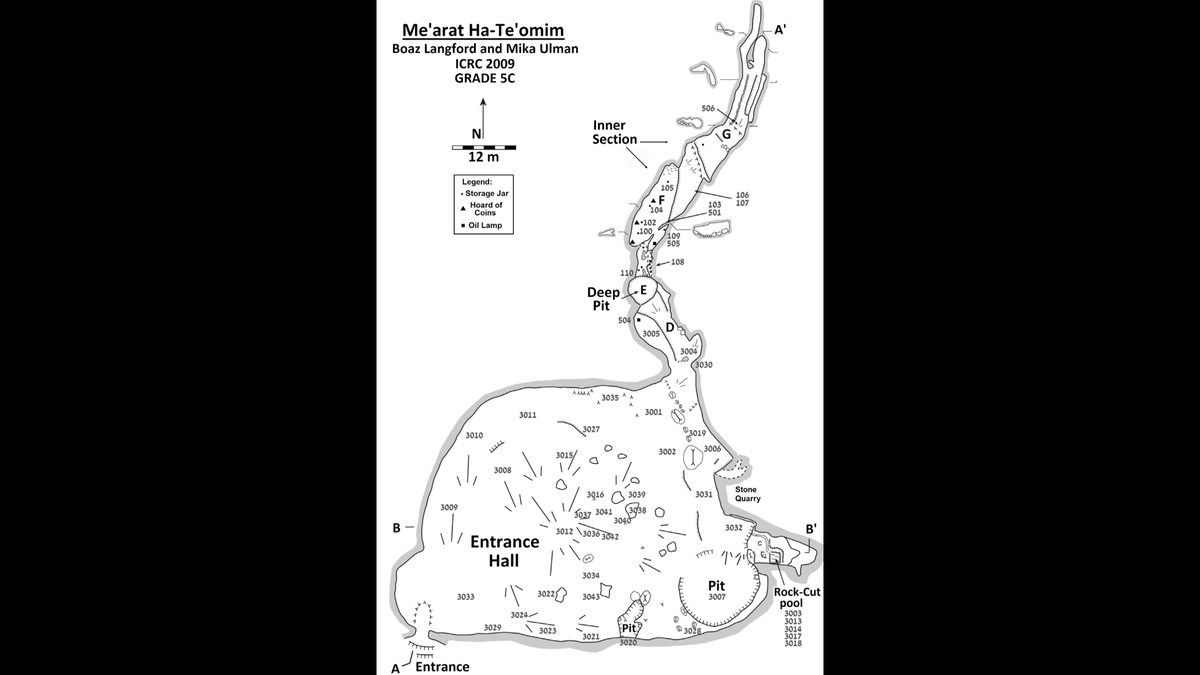
The cave was studied by the French in the late 1920s, and researchers found ceramic, wooden and stone vessels dating from the Early Bronze Age, Middle Bronze Age, Iron Ages, and the Roman and Byzantine periods, according to the study.
The finds suggest the cave was used by different groups throughout time, the study said, but in more recent history, its use may have taken a dark turn.
In the late second century, researchers believe the cave was consecrated for an underworld deity and functioned as a “place of devotion” to the darker side of religion.
Inside the cave were more than 120 preserved oil lamps that had been strategically placed into the cavities and crevices of the cave, the study said. They were found during an excavation between 2010 and 2016.
“The fact that these lamps had been thrust into and buried deep in these hidden, hard-to-reach crevices suggests that illuminating the dark cave was not their sole purpose,” the study said.
With the oil lamps were ancient weapons, placed together “as part of cultic activity,” the study said.
In other crevices, human skulls had been nestled into the rock, sometimes with other artifacts, the study said.
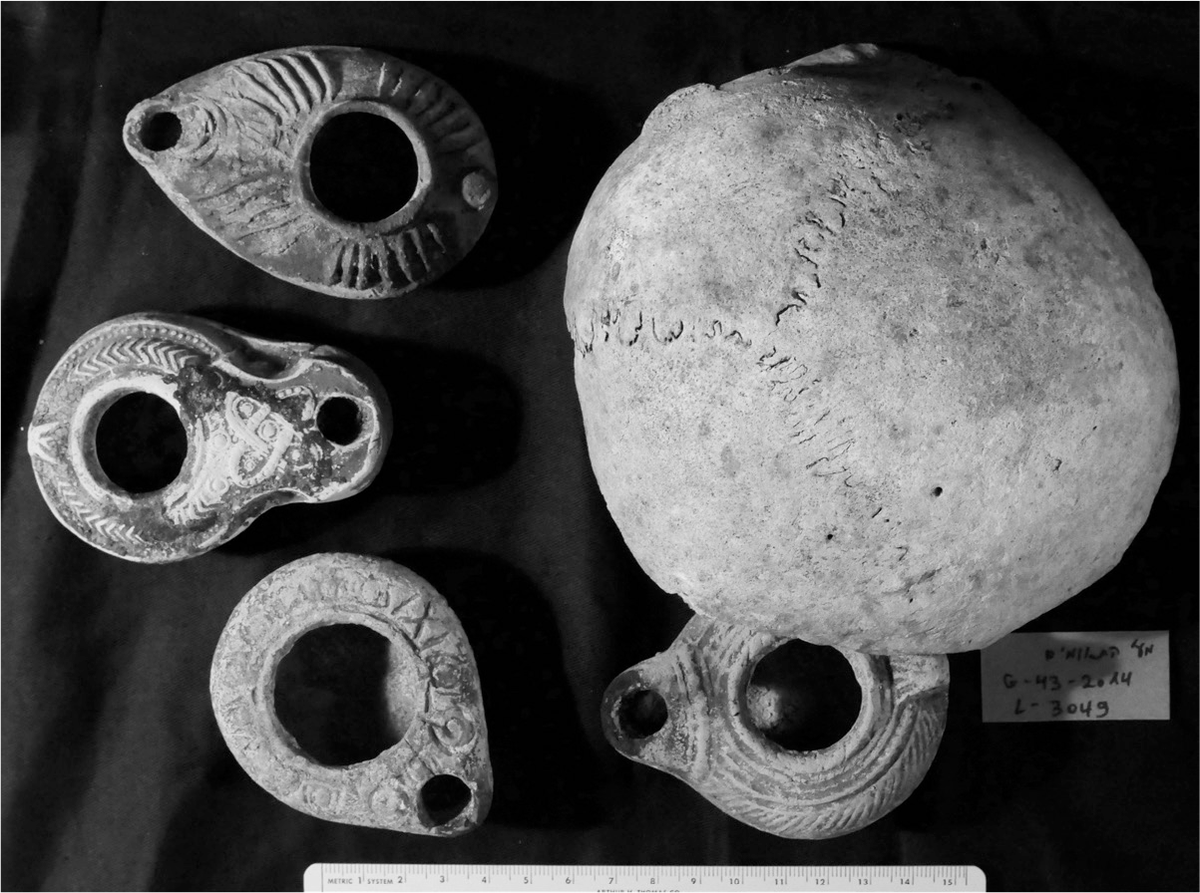
“Due to the archaeological context of the finds and their location inside the cave, we assume that the craniums were placed together with the oil lamps as part of a ritual of magic,” the study said.
‘Oracle of the dead’
The use of skulls is almost completely absent from classical literature, the study says, because witches used them for secret rituals to communicate with the dead, a taboo in the culture of the time.
To keep the rituals secret, the witches would go to an “oracle of the dead,” a shrine located in caves near water sources they believed to be portals to the underworld, according to the study.
“These caves were associated with legends concerning the descent of Persephone to the underworld or the rise of Cerberus from the underworld,” the study said. “They always included a shaft leading to the underworld, through which the dead could rise.”
For the Te’omim Cave, that shaft was represented by the deep, northern pit.
Necromancy was first documented in Mesopotamia where tablets mention consulting with spirits by using human skulls, the study said.
It also appears in Homer’s “Odyssey” before human sacrifices were outlawed in 97 B.C., the study said. Other laws against witchcraft and divination were passed in the same time period.
The laws did not mean the end of dark magic, but instead the rituals went into the shadows.
Portal to the Underworld
“The use of oil lamps for divination … was extremely widespread in the classical periods,” the study said. “The prophetic force behind the lamp was believed to be a spirit or spirits, or in some cases even gods or demons. Divination by means of oil lamps was done by watching and interpreting the shapes created by the flame.”
While the lamps built the connection between the living and nonliving, bronze daggers were kept close by to protect against unfriendly spirits, according to the study.
“They served primarily to protect the believer from evil spirits and to ensure that offerings to the specific spirit being conjured up were not seized by other spirits,” the study said.
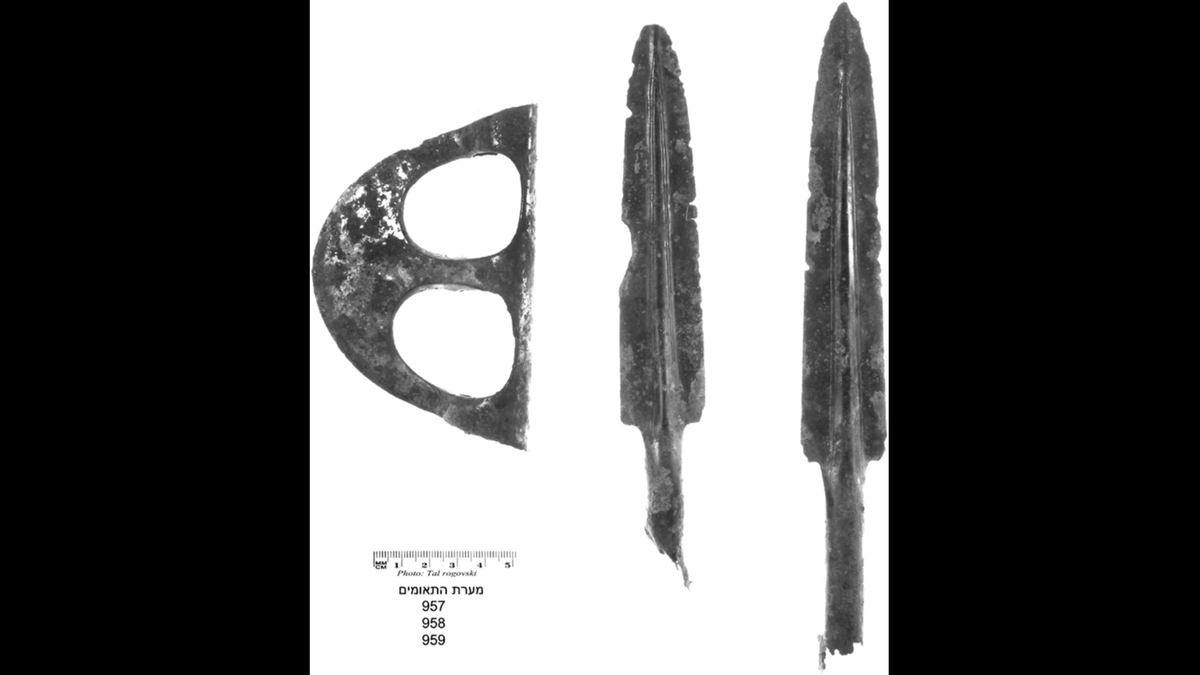
The combination of the deep pit in the cave, the skulls for necromancy, the lamps for divination and the weapons for protection suggest to the researchers that the Te’omim Cave was used as a portal to the underworld.
“Their purpose was to predict the future and conjure up the spirits of the dead,” the study said. “Because more than 100 ceramic oil lamps but only three human skulls have been found so far in the Te’omim Cave, we hypothesize that the primary cultic ceremony focused on depositing oil lamps for (underworld) forces, perhaps as part of rituals conducted in the cave to raise the dead and predict the future.”
The researchers said this kind of archaeological find is an “outstanding test case” for the development of the archaeology of magic as a sub-discipline in the field.
This story was originally published July 10, 2023 at 12:14 PM with the headline "‘Oracle of the dead’ cave was used for rituals in Israel — likely by witches, study says."