Rapidly reproducing creatures from New Zealand are invading PA creeks, officials say
.png "An invasive water species from New Zealand was found in two Pennsylvania creeks.")
An invasive aquatic species from New Zealand was discovered in a Pennsylvania river that connects to the Ohio River, according to a new report.
From June to September 2023, a survey was conducted in 47 streams across eight counties in Pennsylvania, according to a Sept. 9 report from the Freshwater Mollusk Biology and Conservation.
The streams are a part of the lower Ohio River Basin. The survey found the existence of a New Zealand native species known to rapidly reproduce.
Potamopyrgus antipodarum, or New Zealand mudsnails, were found at two tributaries of the Monongahela River in Allegheny County, Peters Creek and Turtle Creek, according to the report.
New Zealand mudsnails are “small freshwater gastropods,” the report said. Although they are common in western United States, they are not typically found in the country’s Mid-Atlantic region.
The species is known to be found in Lake Erie in Pennsylvania for almost 20 years but recent surveys show the mudsnails are expanding their range.
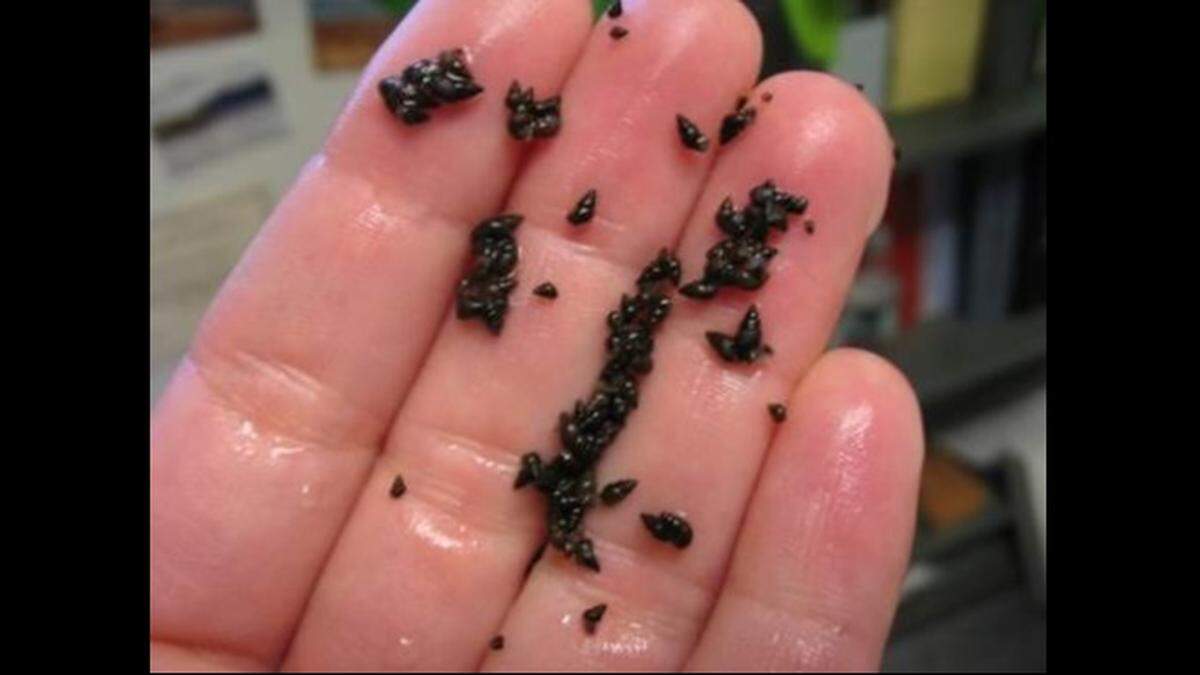
The mudsnails were found in the West Branch Susquehanna River subbasin, a 2014 report said. Then, in 2020, they were reported in parts of the Susquehanna and Delaware river basin.
According to the Washington Department of Fish and Wildlife, New Zealand mudsnails “pose a risk of harming or threatening the state’s environmental, economic, or human resources. Due to rapid self-reproduction, the species can quickly achieve densities of more than 500,000 snails per square meter.”
The snails feed on algae, the organization said, and after they move into a lake or stream they are “nearly impossible to remove without damaging other aspects of the habitat.”