
Two colossal sea creatures show up in strange place and scientists are baffled
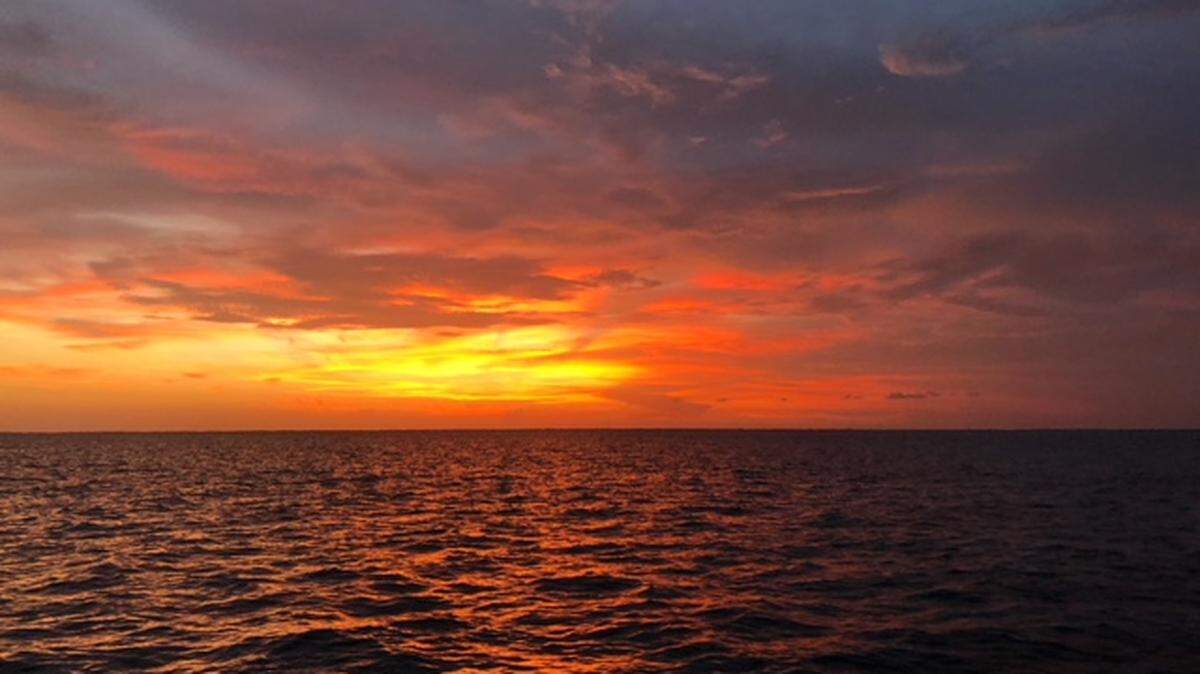
The mysterious saga of two “out-of-habitat” whales has taken another strange turn, with the pair showing up in a tropical region where the species isn’t known to exist, according to trackers.
“In an extremely unusual sighting, divers have captured footage of two North Atlantic right whales in The Bahamas, the first time the species has ever been seen in this country,” the New England Aquarium reported in an April 17 news release.
“On April 15, Captain Isaac Ellis from Neal Watson’s Bimini Scuba Center was leading a dolphin watching tour off Bimini when the group encountered two right whales.”
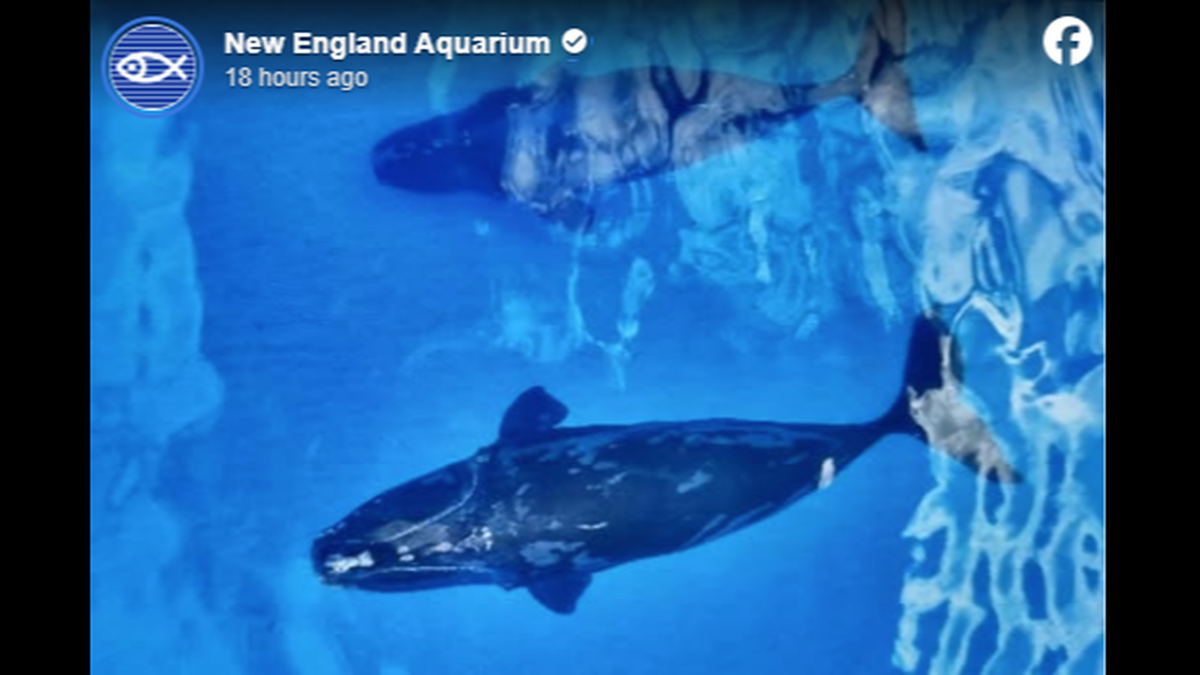
Ellis was so taken off guard, he admitted thinking the video footage “was fake at first.”
“That moment for me was breathtaking, and I couldn’t fully gather myself,” he said in the museum’s release.
The Bimini sighting was about 550 miles southeast from where the whales were seen April 5, off the Okaloosa Island Pier in the Florida Panhandle.
The two whales — Koala (age 16) and Curlew (age 14) — made headlines earlier in April by showing up in the Gulf of Mexico, which is also not part of their habitat, according to NOAA Fisheries.
The two whales have been traveling together since at least November, when they were spotted off South Carolina by the Clearwater Marine Aquarium Research Institute in Florida, NOAA officials said.
It’s believed they entered the Gulf of Mexico in early February, and were repeatedly seen in shallow waters close to shore, NOAA reported.
Right whales reach up to 52 feet and weigh up to 140,000 pounds, which led marine biologists to fear they might easily be struck by boats so near the coast.
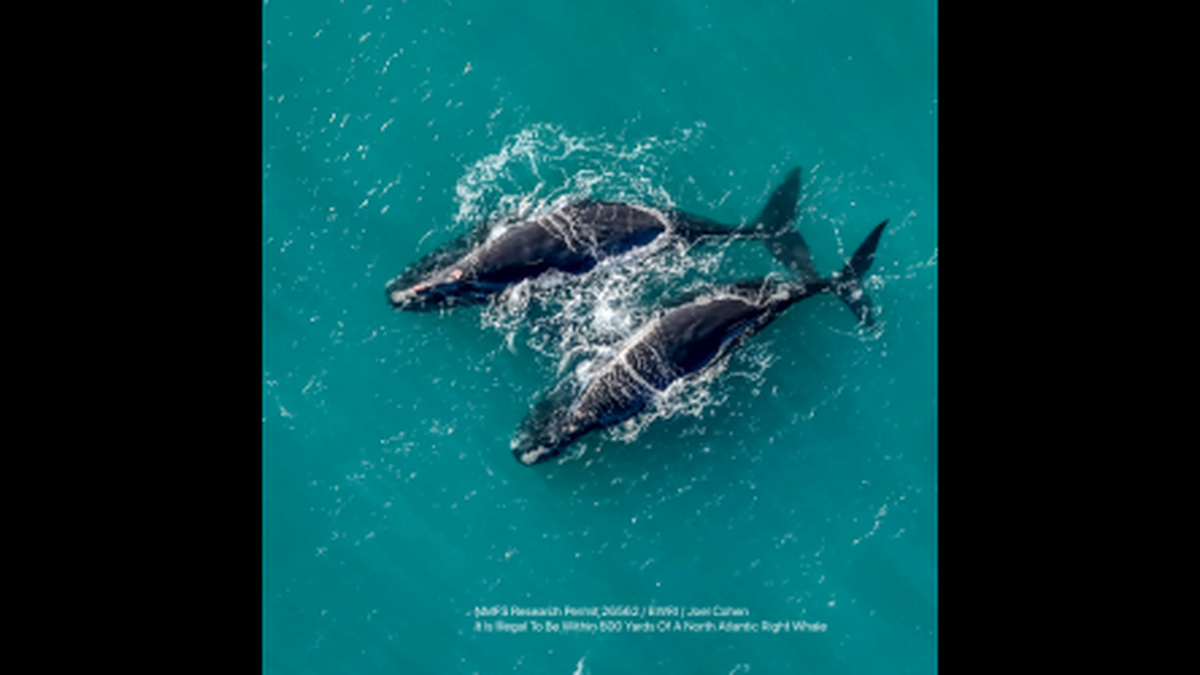
Late March is typically when right whales travel north along the East Coast, “toward northeastern feeding grounds,” experts say. In years past, Curlew and Koala have spent April off Cape Cod, the museum reported.
“These two are really on quite the swim about! ... What inspired them to make this journey will likely remain a mystery,” New England Aquarium scientist Philip Hamilton said in the release.
“Besides the unusual locations, it is also rare for two right whales to remain together for more than a few days unless it is a mother with her calf,” Hamilton added. ”Everything about this sighting is remarkable and exciting.”
North Atlantic right whales are endangered, with only 370 remaining in a habitat that stretches along East Coast. The greatest threats to the species are fishing gear entanglements, vessel strikes and climate change, NOAA says.
This story was originally published April 18, 2025 at 9:46 AM with the headline "Two colossal sea creatures show up in strange place and scientists are baffled."