
Independence AI data center to move forward after city approves $6.2B tax breaks
A wave of artificial intelligence data center construction is sweeping the country, and Independence has become the industry’s next stop, whether residents like it or not.
City leaders have paved the way for a $150 billion data center to break ground in Independence later this year by passing an extensive series of tax breaks for the facility, over the vehement protest of a room packed with residents.
“All of us have felt the enormous weight of this decision,” City Council member and mayoral candidate Bridget McCandless said. “It is hard to think that you would imagine that we don’t think about our community, we don’t care about our community. We live here too, and we want the best for Independence.”

Monday’s vote essentially finalizes city support for Nebius, a Dutch company specializing in AI services, to build a supersized data center at 501 North Bly Road in northeast Independence. The project promises to bring hundreds of millions of dollars to local taxing jurisdictions over a span of 20 years that local agencies — especially the Independence School District — say could be transformative, despite billions in tax breaks.
The Independence City Council voted 5-2 to approve the incentive plan after nearly five hours of comments from residents. Councilmember Brice Stewart and Mayor Rory Rowland voted against the proposal.
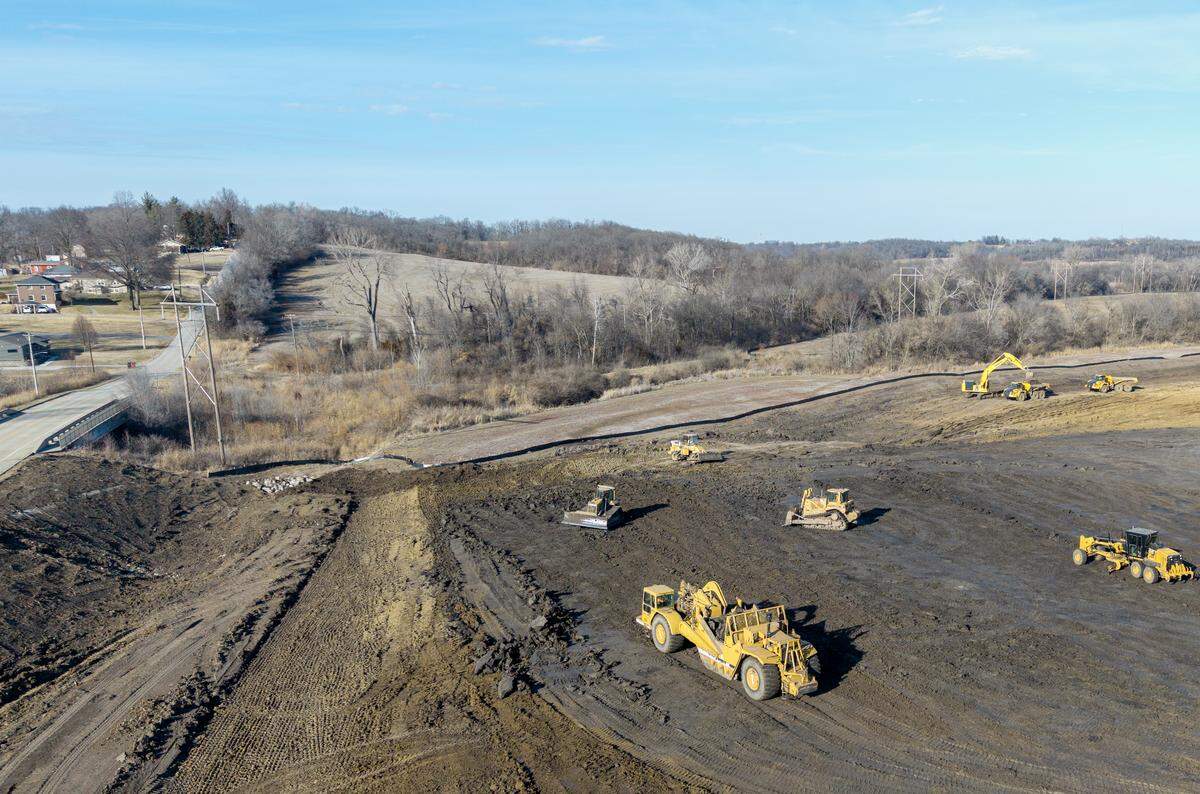
The data center will include four main buildings on about 400 acres, a site about twice the size of Arrowhead Stadium. It will cost $6.6 billion to construct and will contain up to $144 billion in specialized equipment, for a total project cost around $150 billion.
Councilmembers approved about $6.2 billion in tax breaks for Nebius’ future U.S. flagship facility Monday night, forfeiting potential property tax revenue for the next 20 years. Under the financing plan, the city will hold ownership of the property and lease it back to the developer.
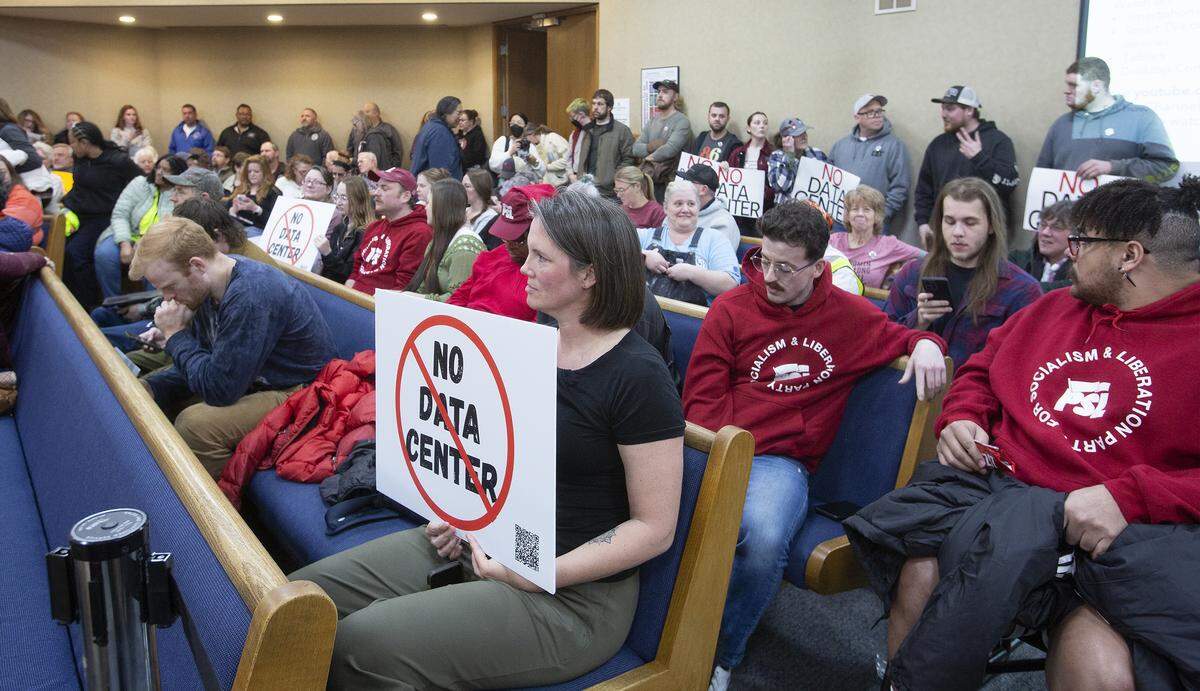
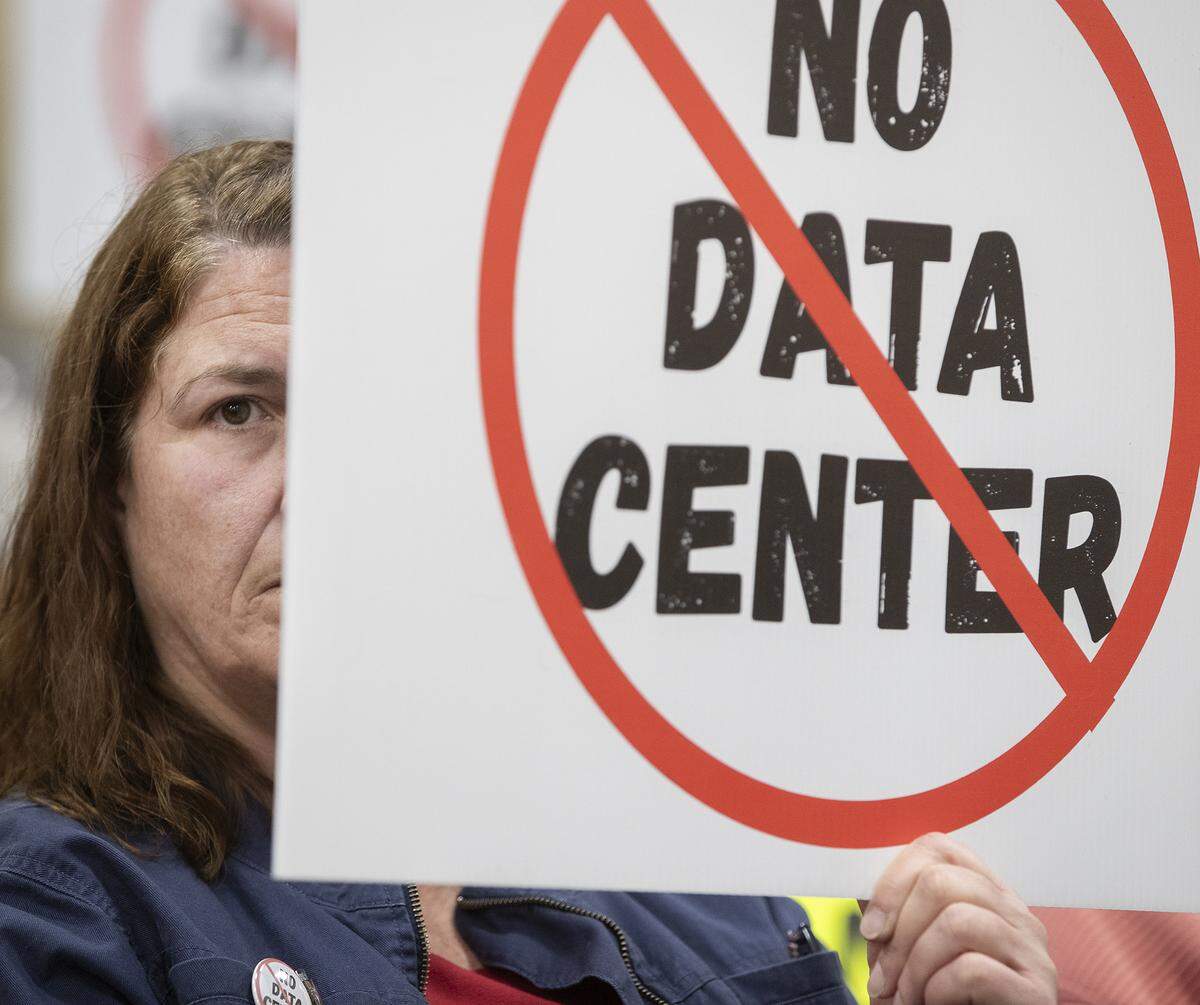
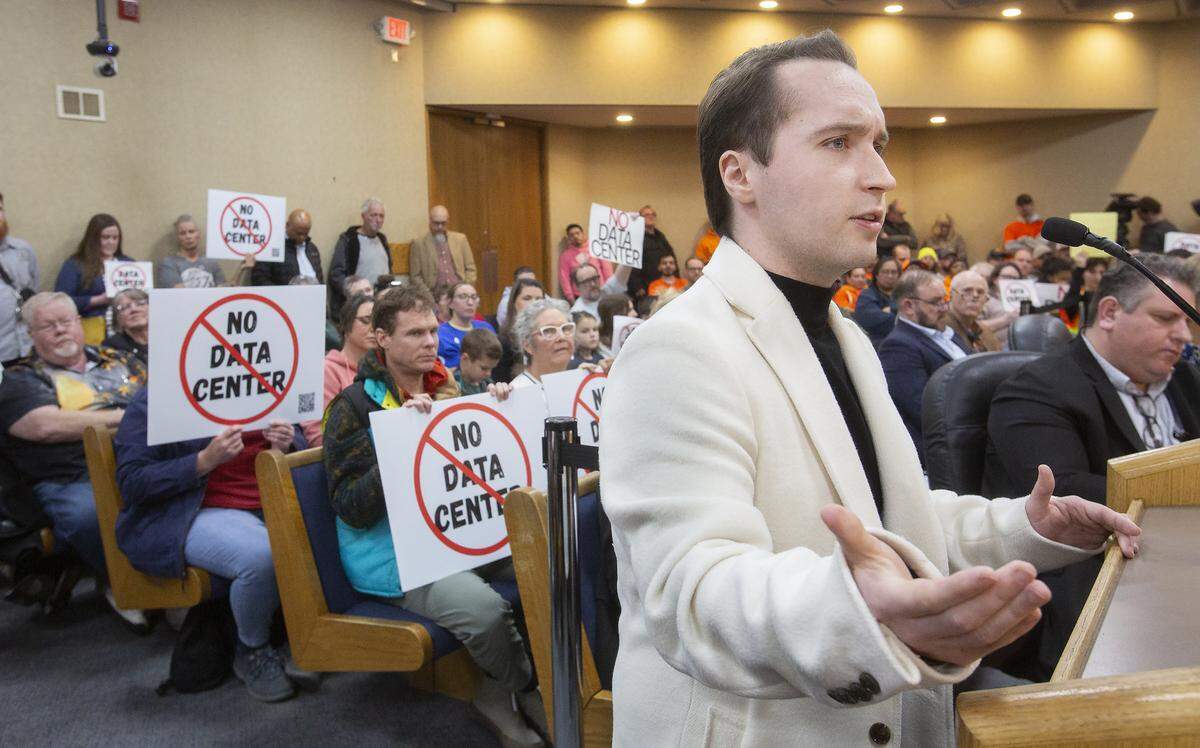
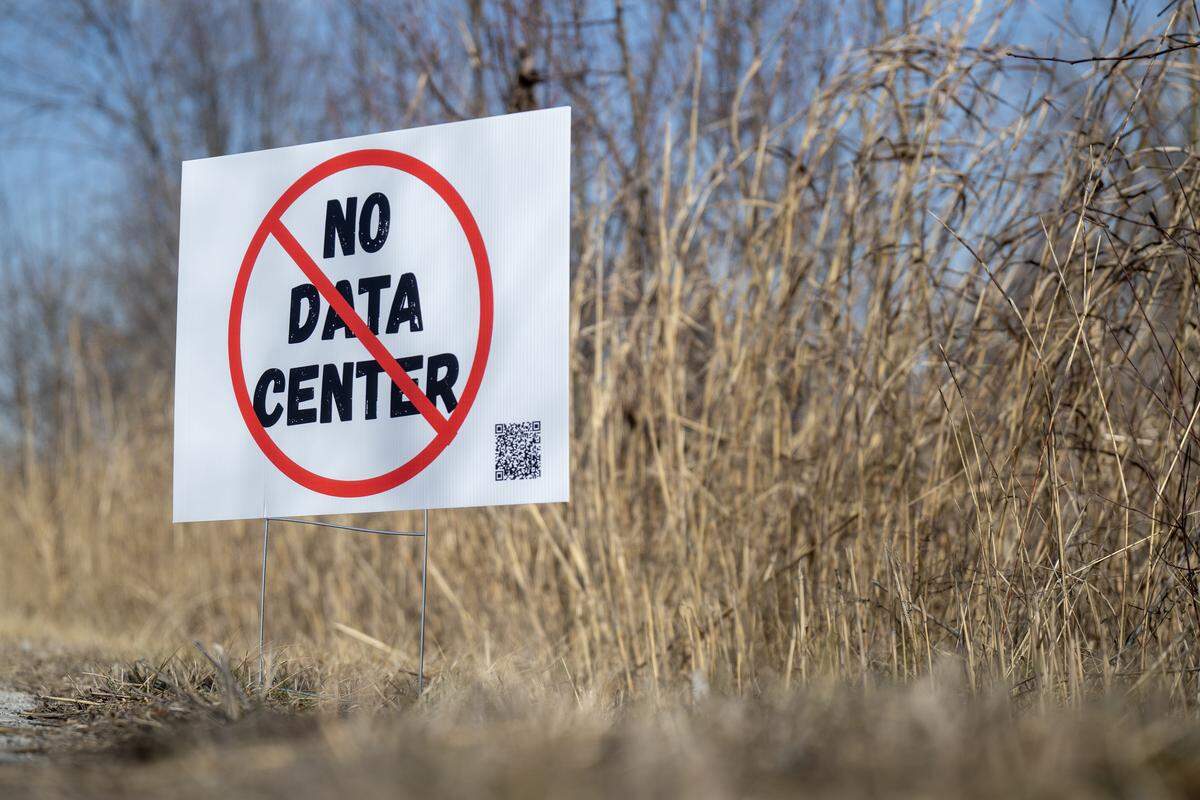
Residents packed the Independence council chambers to capacity Monday night and overflowed into the lobby, with security officers turning residents away starting 15 minutes before the meeting. Many carried “No Data Center” signs on their laps or stood against the wall for hours, waiting in a line 60 deep for a turn to speak.
“This isn’t going to end with this vote,” Independence resident Griffin Harness-Clark said. “There will be citizen resistance. We are going to be out here... you sure won’t be seeing the last of the city of Independence about this issue.”
LIUNA Laborers Local 264, the Independence-area chapter of the Laborers’ International Union of North America, sent a delegation of about 10 members in bright yellow and orange shirts to signal their support for the data center bond package.
Early in the meeting, Independence Mayor Rory Rowland chastised residents for enthusiastically applauding or booing one another, banging his gavel repeatedly and saying they lacked decorum. Instead, attendees showed each other support by rustling their signs.
As the vote drew close, community members repeatedly heckled councilmembers and shouted complaints, leading Rowland to threaten to clear out the room.
When the motion passed, residents stormed out of the room en masse, some yelling profanity and pledging to vote coucilmembers out of office.
Bonds and breaks
Since the city is a government body and doesn’t have to pay property taxes, Nebius will instead agree to pay out nearly $651.5 million to taxing bodies over 20 years in payments in lieu of taxes, or PILOT fees. About half a billion of those dollars will go to the Independence School District.
The empty property where the data center will go currently generates under $3,000 a year in tax revenue.
Including the specialized equipment that will fill the data center, Nebius will receive 98% real property tax breaks and 90% breaks on personal property.
The city also voted to issue the company about $150 billion in bonds for project costs that Nebius will be on the hook for. The bonds are a financing tool, tied to revenues from the project, that allow the data center to qualify for tax abatements. They are not the city’s debt or obligation to pay, according to city documents.
Nebius issued a statement Monday night thanking the city for passing the breaks and bonds.
“We’re focused on being a good community partner and are excited to move forward with our project that will deliver broad economic, education, and community benefits,” said Nebius spokesperson John Sutter.
Without any tax breaks, Nebius would owe over $6.9 billion in property taxes during the 20 years, or $345.86 million per year, according to city estimates. However, the company has said that it would likely not have built in Independence if the subsidies had failed to secure council approval.
City officials have said that the data center will generate up to 125 specialized jobs and about 500 contract positions in construction. Nebius and the city have declined to verbally commit to prioritize hiring locally.
Nebius purchased the land last year from Kansas City developer NorthPoint Development, though the land has been industrially zoned for several years. It’s the fifth company to have entered into sales talks with Northpoint since 2022. The largest potential tenant was pharmaceutical manufacturing giant Eli Lilly, according to city officials, which would have required a facility with the capacity for 800 employees and 105 megawatts of energy capacity.
If the incentive plan hadn’t passed Monday night, Nebius would have likely pulled out of Independence altogether, a company representative previously said.
Backlash and beneficiaries
Resident outcry against the Nebius project has been intense and sustained, with particularly vocal opposition from neighbors on Bly Road and other nearby residential streets.
In the weeks leading up to the vote, residents shared concerns with The Star and city officials around potential light and noise pollution, wildlife displacement, water use, wastewater pollution, property values, unknown long-term health effects, the huge amount of power required and a lack of transparency from officials on project details.
“I do not trust Nebius,” Independence resident Willard Rigsby Jr. said Monday night, addressing the city council. “I do not trust Nebius to make responsible decisions on behalf of Independence residents. I currently do not trust you, councilmembers, to make responsible decisions on behalf of Independence residents.”

The data center isn’t without its supporters, though. Multiple local labor unions and commerce groups see the data center as a potential windfall for construction workers in the region, generating a stable source of contract work that could keep some of the project’s dollars in Independence long-term.
And the Independence School District has led the charge in favor of the data center, with the district set to take in nearly half a billion dollars over 20 years as the largest public beneficiary from the project. Administrators say that even with the massive tax breaks, funding from Nebius will stabilize the district’s bottom line, which has previously been impacted by the tumultuous 2023 and 2025 Jackson County property tax cycles.
Other beneficiaries will include the Fort Osage School District, Mid-Continent Library system and Metropolitan Community College system, along with Jackson County. The city of Independence will receive around $900,000 during the data center’s first 20 years but is set to receive $33-$35 million annually from payments on the electricity generated by the Blue Valley Power Plant.
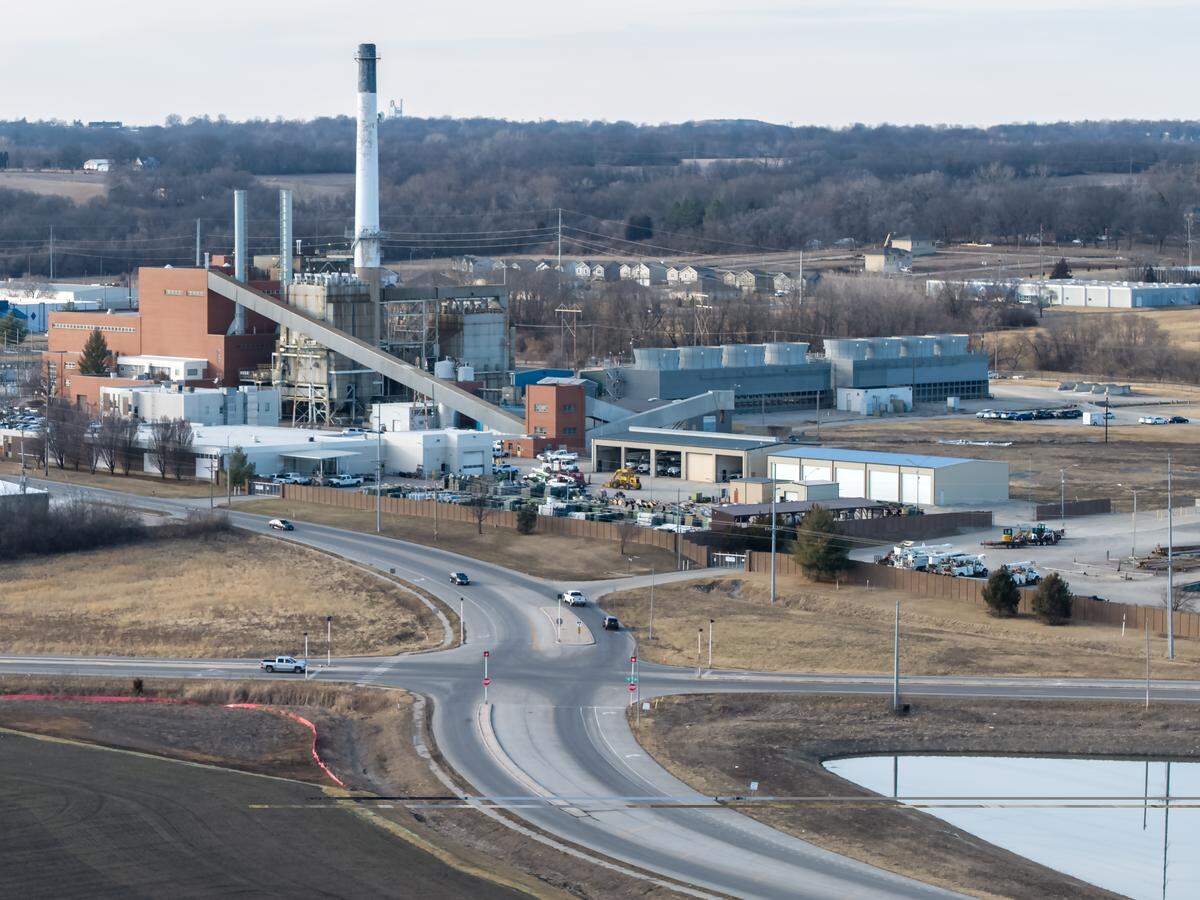
In order to generate enough electricity to power the 400-acre campus, the Blue Valley Power Plant is expected to reopen in stages at more than 9 times its former capacity, eventually generating enough energy to power between 320,000 and 720,000 homes for an entire year.
Nebius will be paying the full cost for its own electricity, and existing customers will not be affected under the arrangement, the city has said.
‘We deserve better’
Data center opponents expressed concern about the scope of Nebius’ potential footprint in Independence, criticizing city officials for a perceived lack of interest in accountability to the public during the funding and permitting process.
They also rejected comparisons offered by the city and company to Nebius’ overseas data centers, saying the scale of the proposed Independence project was significantly larger.
“This proposal asks the public to carry substantial risk for speculative return,” said Daniel Moorehead, who lives on Bly Road, within view of the proposed site. “We are being asked to accept unknown outcomes…it affects residential property values, cost of living and quality of life.”
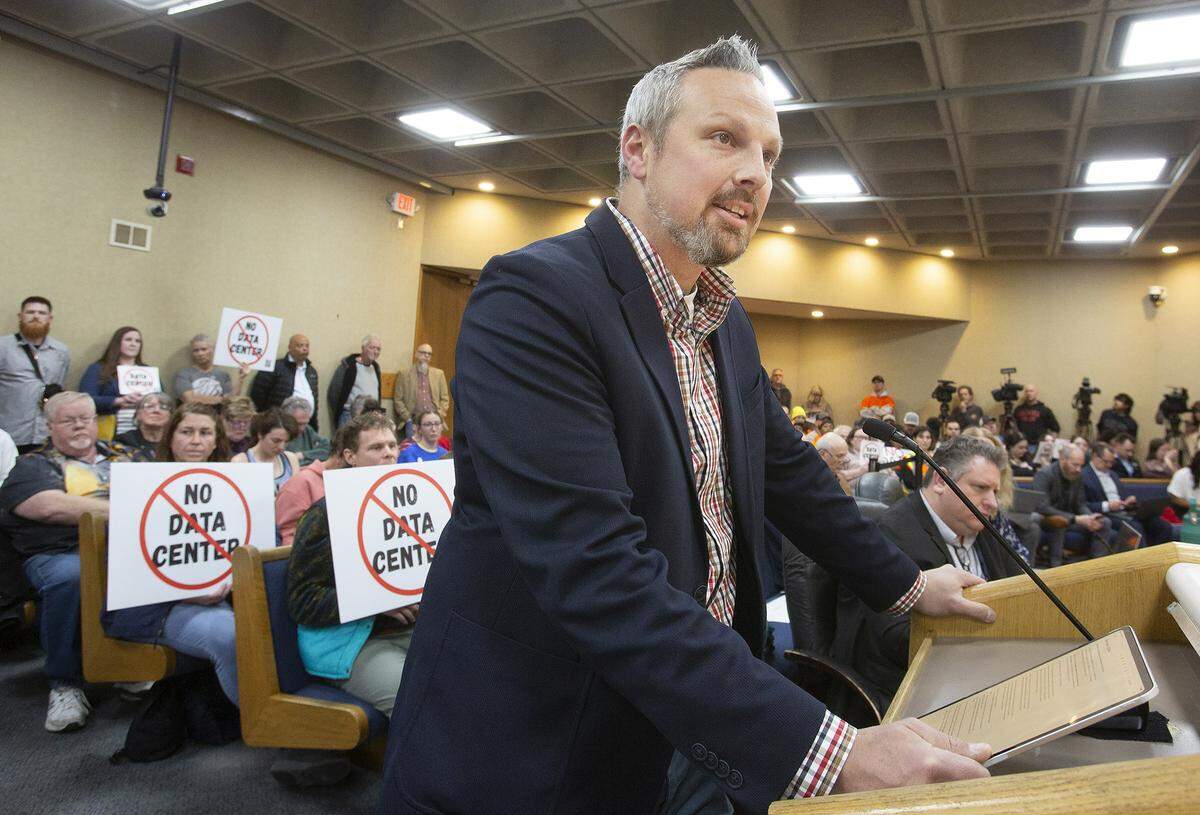
James Dillon, who also lives on Bly Road, described the incoming data center as “corporate welfare at its worst.”
“In the long run, this deal will hollow out our city’s soul,” Dillon said. “...We deserve better than scraps from Nebius’ table.”
Jean Goss, a social studies teacher at Fort Osage Middle School, questioned the city’s emphasis on promised school district funding as a main justification for approving the project.
“If this company is the caring community partner they aspire to be, it would be just as appropriate for them to pay my entire tax bill like I do,” Goss said.
Rachel Gonzalez, an organizer with Stop The AI Data Center in Independence, criticized city leaders for declining to visit Bly Road and meet with those who live in the closest proximity to the proposed data center.
“These aren’t just hypotheticals,” Gonzalez said. “These aren’t just numbers on a spreadsheet. These are real people with real histories, real fears and real stakes.”
A ‘golden opportunity’
Others described the data center as a “golden opportunity” that would provide a necessary boost to the local economy when other efforts to attract revenue have failed.
“We do not have the industries or shopping to provide the revenue to our city we once had,” said Lynne Baker, a former Independence teacher. “Investors want to build their buildings and shops in places where citizens have a large amount of disposable income to spend. Have you been to Lee’s Summit lately? It’s booming.”
Rudy Chavez, an Independence resident and retired lineman who has worked on development projects at multiple data centers, said that consistent equipment replacement and upgrades tends to provide some long-term stability for contract workers.
“This project absolutely would deliver opportunities for high school graduates and residents of this city,” Chavez said.
Andrew Jonas, an Independence resident and union plumber, said that data center projects have an elevated reputation among tradespeople in the region because working conditions at data centers in nearby Smithville, including sites at which he has worked, have been comparatively excellent.
“Do I love [data centers]? No,” Jonas said. “But they’ve got money and they make for damn good jobs.”

What’s next
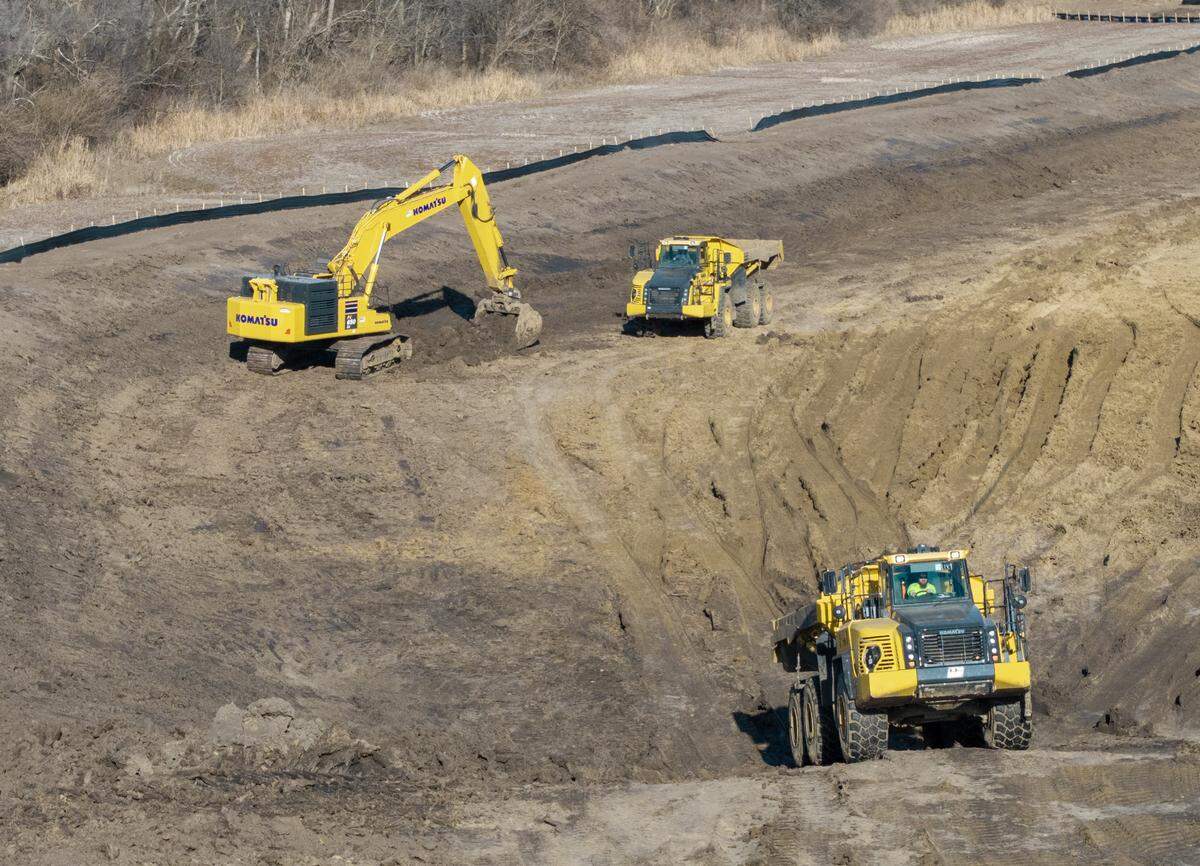
Nebius will break ground on the data center site later this year. Work on the site will continue for three to five years, with the first of four main buildings projected to open in 2028.
The Blue Valley Power Plant will undergo construction simultaneously to the data center, with a capacity of 250 megawatts by 2027 and 1100 megawatts by December 2029. Through a contract with the city, NextEra and Evergy will start providing some power to the site later this year.
ISD and other taxing jurisdictions receiving PILOT funds from Nebius will see their first payments in 2028. If Nebius were to pull out of Independence in the future, the company would have two years to restore the site to a “green field condition.”
City spokesperson Rebecca Gannon previously said that the city “would reconsider all agreements made with Nebius,” including the plan to expand the power plant, if Nebius had pulled out of the site and city or does so in the future.
This story was originally published March 2, 2026 at 11:15 PM.