
How we reported on American Shaman, Vince Sanders & the debate around 7-OH
I’ve been a reporter for about 15 years now, and a surprising number of my story ideas have come from signs and billboards. Yard signs against a rezoning. A flyer for a strange meetup pinned to a coffee shop bulletin board. A personal injury lawyer who looks like Tarzan.
This series started the same way. Driving down I-35 near the Crossroads this summer, I spotted a billboard for something called Advanced Alkaloids. “Ready to feel better?” it asked. “Free7oh.com.” No details, just a promise of a free sample at CBD American Shaman.
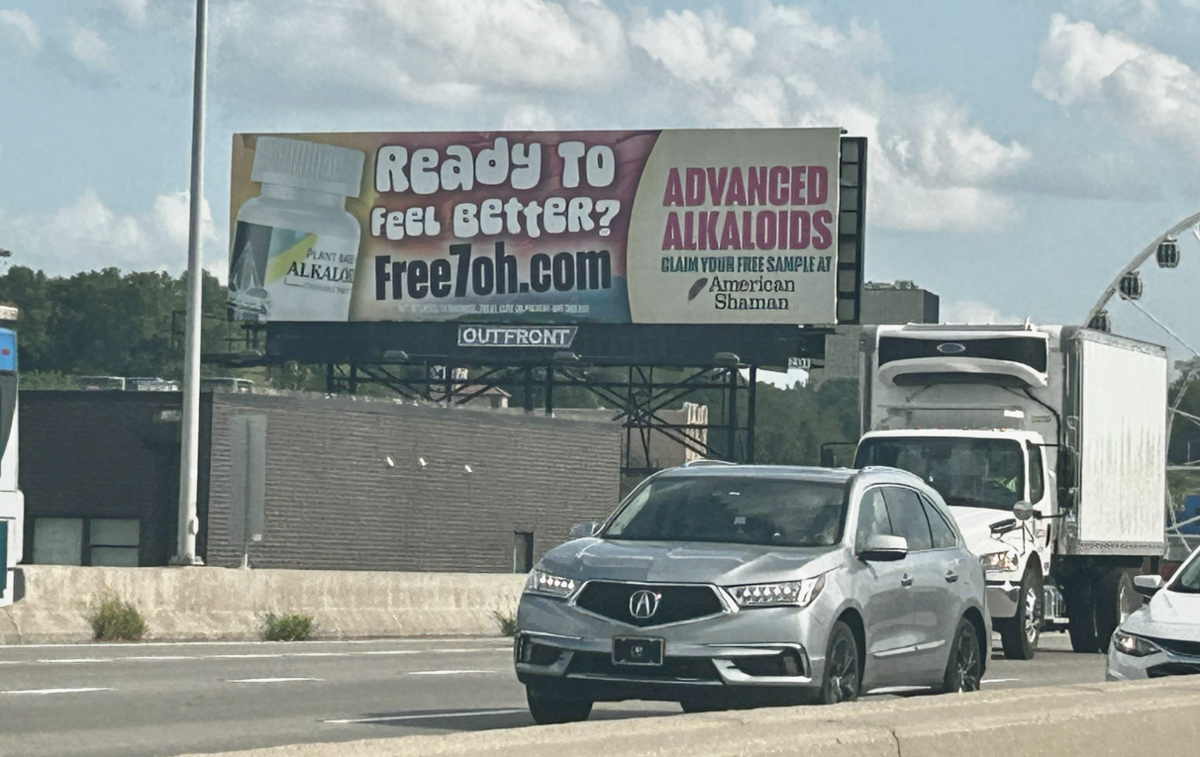
I meant to look it up later, but forgot. Then, a few days after, while skimming federal court filings, I spotted a lawsuit against American Shaman related to its sale of a product called 7-OH. The first line stopped me cold: “This is a case about a business that profits from addiction the same way the Sackler family once did.”
I thought of that billboard. Then I did a few hours of research on 7-OH, a relatively new smoke shop product that’s been compared to heroin and morphine. I found a Reddit forum with thousands of members sharing raw, often-harrowing accounts of withdrawal — swapping tips, encouragement and warnings as they tried to break free from the grip of 7-OH. I came away convinced this had the bones of a good local story.
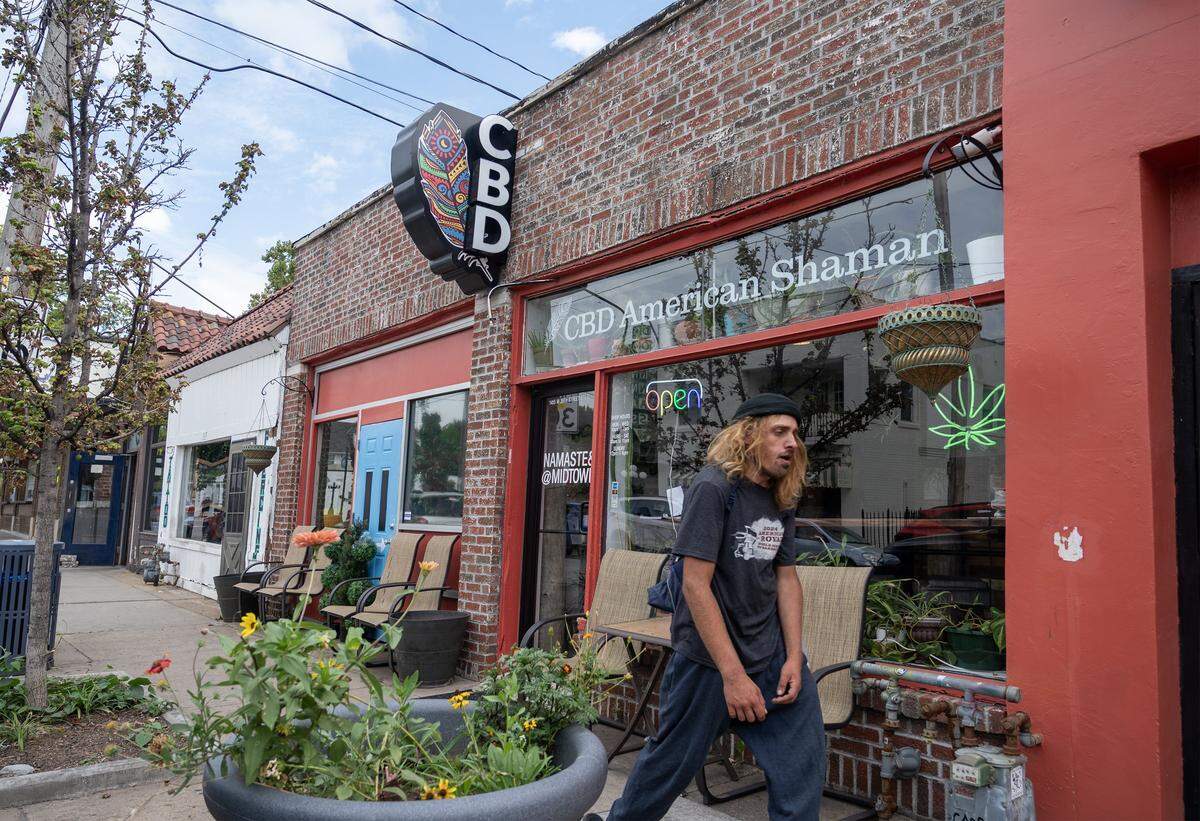
Founded in 2016, CBD American Shaman is something approaching a household name around Kansas City, where it is based. Its feather logo is plastered on strip malls and event sponsorships across town, and it’s thought of as a friendly company that sells balms and tinctures that might help with your sore knee. But over the past few years, the company has gradually shifted its focus away from CBD to psychoactive gray-market drugs: Delta-8, kratom, and, most recently, 7-hydroxy, or “7-OH.”
The company’s founder and CEO, Vince Sanders, also seemed to have a colorful history. He was arrested for drug trafficking in the early 2000s and from what I could tell had run a series of barely legal businesses ever since.
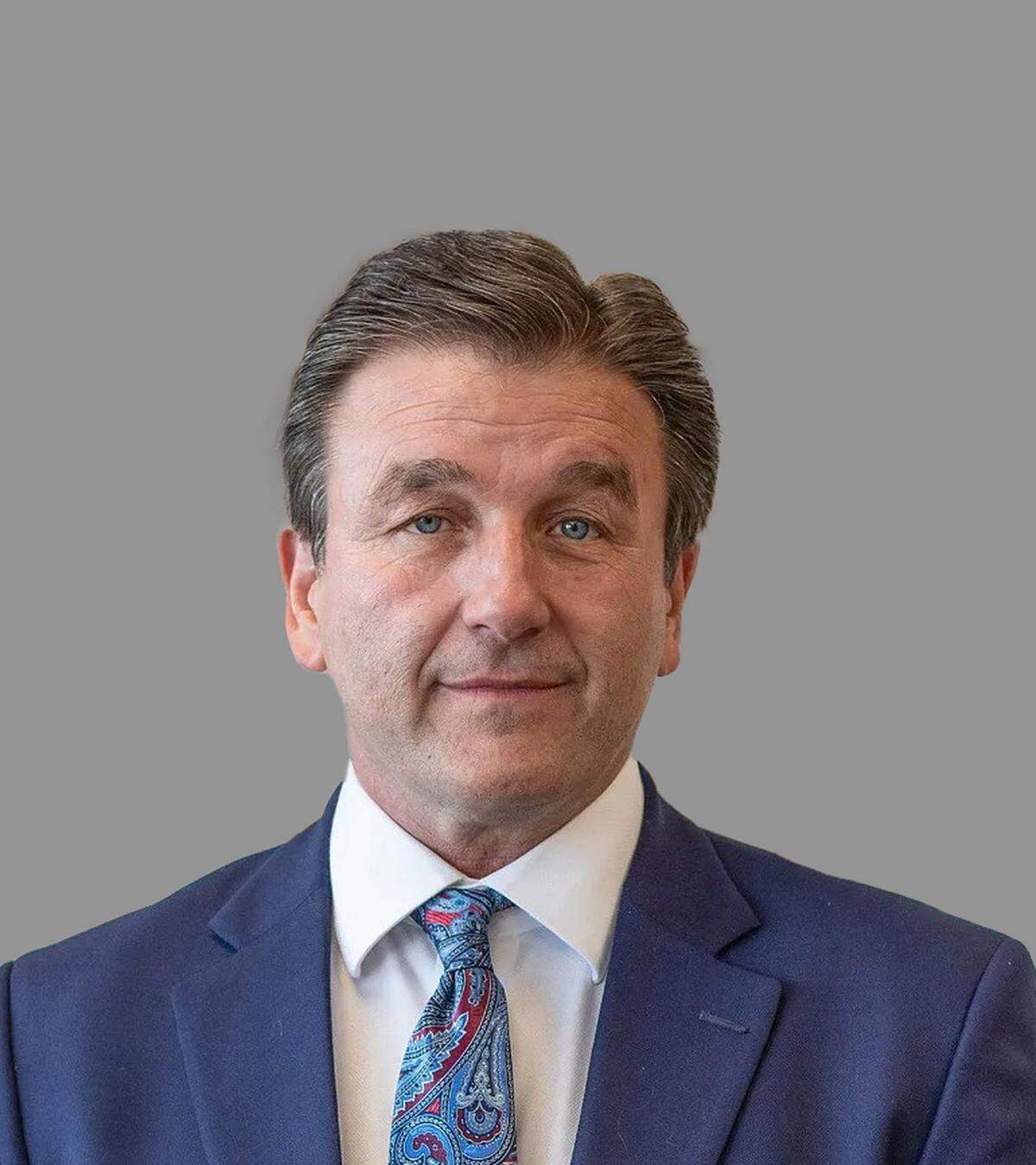
I pitched my editors: Sanders wasn’t just running a CBD chain anymore. He was selling one of the most controversial new drugs in America — an opioid derived from kratom, made in warehouses in Kansas City. They agreed it was worth a deeper look.
Before this reporting, I knew that smoke shops carried a variety of substances sold as “dietary supplements,” many of which can get you high. But to understand how it all worked, I wanted to see the industry up close. So I flew to Las Vegas for the CHAMPS trade show, where gas-station and smoke-shop products are marketed and sold wholesale.
There, the scale of 7-OH’s takeover became clear. Booth after booth pushed brightly colored bags, gummies and vials of 7-OH. Nearly every vendor had some version of it. If I wasn’t convinced before, that trip sealed it: This was a national story with a Kansas City center of gravity.
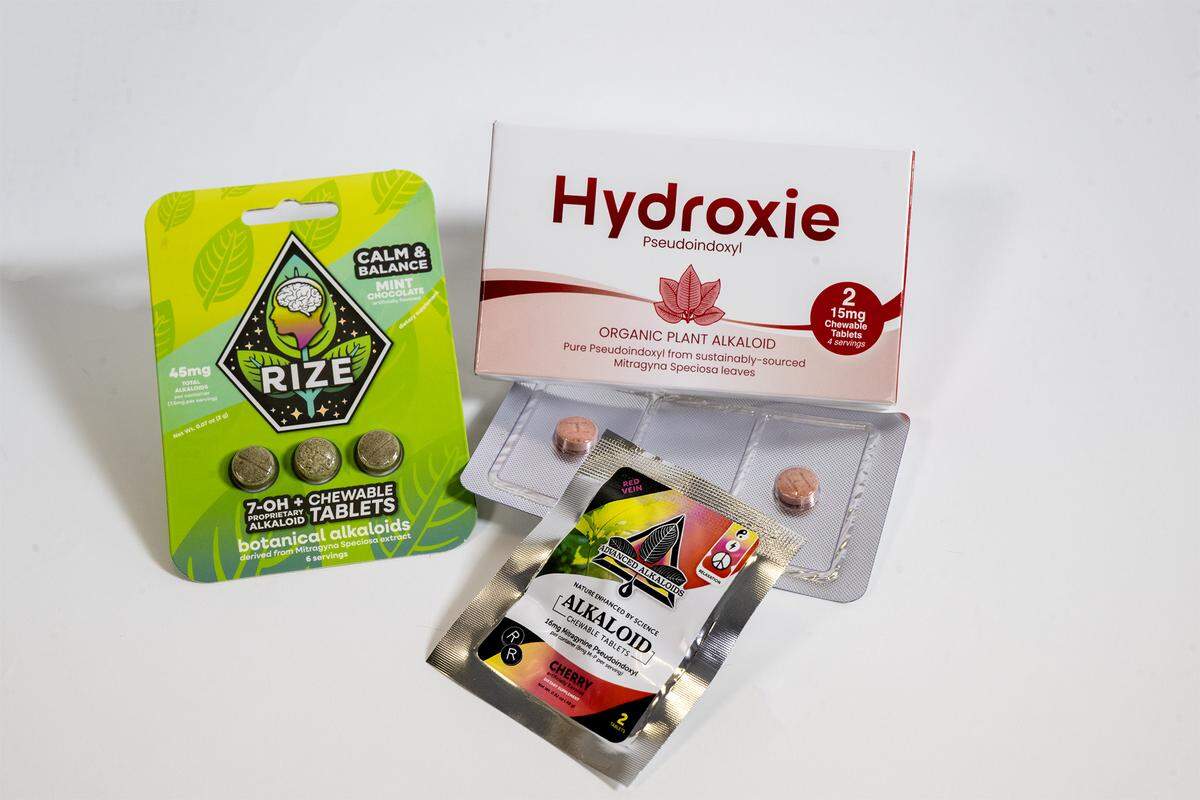
Back home, I started piecing it together. I talked to former American Shaman employees, some of whom had parted ways with Sanders on bad terms. Some called him brilliant, others a con man. I filed records requests with the city. I spent hours at both state and federal courthouses, pulling lawsuits. I talked with people who have struggled with 7-OH abuse, addiction specialists, scientists who study kratom and lawyers circling the company.
Halfway through reporting the story, I was scooped by the federal government, which held a press conference in late July to announce it intended to schedule 7-OH as a controlled substance alongside drugs like heroin and LSD. As a reporter, that was a mixed bag. It validated my original instincts to pursue this story. But it also complicated the narrative. In some ways, I had to start over from scratch. I pouted for a day and then got back to it.
I eventually talked with Sanders himself. Unlike many people in his position, he isn’t hiding. In fact, he seems to relish the fight: the lawsuits, the regulators, the scrutiny. He wants to frame it as a battle between innovation and bureaucracy, between consumer freedom and government overreach. He said 7-OH can help people kick harder addictions with less risk.
Through all this, one thing became clear: 7-OH is not a niche product anymore. It has exploded into a multibillion-dollar industry, and Sanders’ company is believed to be one of its largest manufacturers. Scientists say it’s at least twice as potent as morphine, yet it’s sold casually next to energy shots and vape cartridges. The FDA is trying to get a handle on it, but so far the market is running ahead of regulators. In the meantime, your teenage daughter could easily buy it and become addicted in weeks, based on what we learned.
Kansas City often thinks of itself as a place things pass through, not where national industries take root. But in this case, one of the biggest players in a controversial new drug market is based right here. My goal with this project was to show readers that the story of 7-OH is happening on our doorstep. I hope you read it.
The rise of 7-OH: ‘Sinister industry’: The Kansas City company fueling a growing opioid epidemic
Vince Sanders’ past: From loans to hemp to smoke-shop opioids, KC businessman pushes legal limits
The risks, research and reality of 7-OH: ‘It’s addictive, and it’s everywhere’: KC company’s pills hook users across US
This story was originally published September 16, 2025 at 5:00 AM.