Kansas City area school staff shortages could hurt most vulnerable: Disabled students

READ MORE
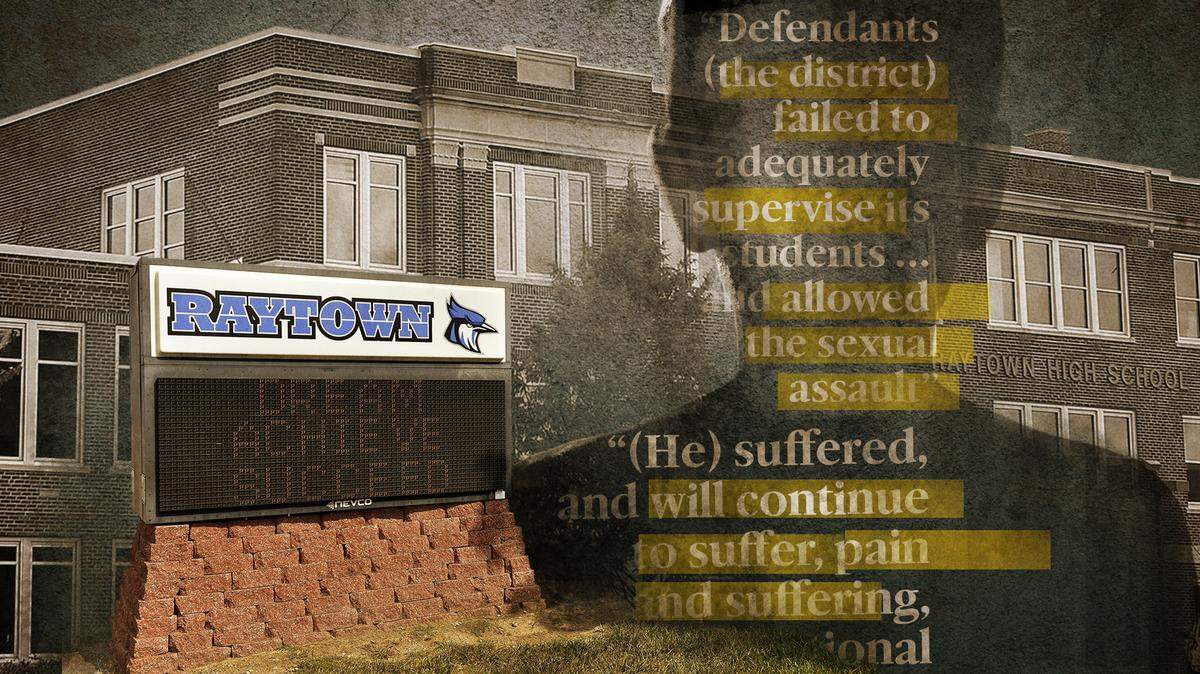
Parents sue Raytown schools after son sexually assaulted
A middle school student with an intellectual disability was sexually assaulted by a fellow student on a field trip in Kansas City. His parents are now suing the Raytown district.
Expand All
Amid ongoing labor shortages, school districts across the Kansas City metro are confronted with the inability to fill crucial positions.
And advocates worry about how the vacancies could affect the most vulnerable children, such as students with disabilities, English language learners and others who rely on aides to get through the school day.
Vacancies have almost doubled in Kansas, according to a recent report, from 771 in the fall of 2020 to 1,253 this fall. The largest number of vacancies are in special education, according to state officials.
In Missouri, teacher attrition rates over the last six years are more than 11%, higher than the nationwide average of 8%, state education officials said. Too many teachers are leaving the profession, and fewer teachers are available to replace them. As a result, schools either leave positions vacant or fill jobs with staff members who aren’t certified for that role.
Both Kansas and Missouri already were facing a teacher and school staff shortage before COVID-19. But the pandemic exacerbated the problem, officials believe.
Districts report they are not receiving the number of applications they need to fill the jobs, ranging from administrators to teachers, food service workers and paraprofessionals.
“Educator shortages are reaching severe levels,” John Heim, executive director of the Kansas Association of School Boards, said in a statement.
Students have already noticed the effects of the tight labor market, watching their principal serve food in the cafeteria or waiting for a school bus that doesn’t come because there are no drivers available.
But the implications are especially serious for students with disabilities, who often rely on paraprofessionals to fully participate in their education. It was already difficult to attract paraprofessionals and other support staff for special education programs. The lower paying positions come with some of the greatest job demands, directly affecting the lives of students who need the most support.
And during the COVID-19 pandemic, hiring has only become more difficult, like in other industries hurting from a shortage of low-wage workers.
Districts also have been struggling to hire and retain enough substitute teachers. School employees across the Kansas City metro have said they are going without planning periods or their usual breaks to help fill in when a substitute isn’t available, made more difficult due to required quarantines during the COVID-19 pandemic.
State education leaders in both Kansas and Missouri are working to address the problem.
In Kansas, a coalition of education groups, including the school boards association, formed to collect statewide data on shortages and come up with solutions. The group this fall asked school employees to complete a survey, to start.
“We believe that the key to understanding and addressing retention issues is hearing directly from our teachers,” said Bret Church, an associate professor at Emporia State University, who will lead the research. “What about their jobs keeps them engaged and committed to their profession, and/or what are the factors that might cause them to ultimately leave? We are confident that the survey data will produce positive impacts that benefit Kansas students.”
“The time is now. We can no longer wait and expect this staffing shortage to fix itself,” G.A. Buie, executive director of USA-Kansas, said in a statement. His statewide organization comprises members of school administrator associations. “As Kansas educators, it’s time to come together to develop a solution for this shortage.”
In Missouri over the last decade, enrollment in teacher preparation programs has declined by more than 25%, state officials said in a news release.
“While this much of a decline impacts all schools, it specifically affects schools with high percentages of students of color, schools with high percentages of students in poverty, and urban and rural schools the most,” officials said. “In addition, the decline makes filling hard-to-staff content areas such as special education, math and science, as well as recruiting male candidates and teacher candidates of color, more challenging.”
Last month, the Missouri state education department announced a new online recruitment platform, hoping to develop a statewide system to attract more teachers.

.JPG)